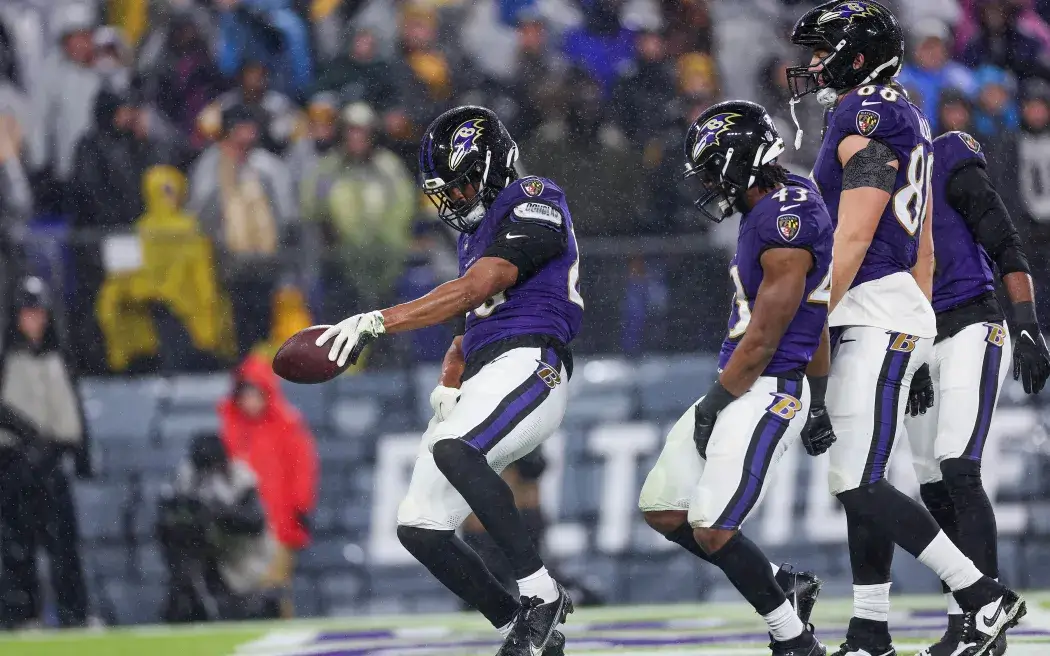
The NFL (National Football League) stands tall as one of the most powerful and influential sports leagues in the world. With millions of fans tuning in every week, it’s more than just a game—it’s a cultural phenomenon that shapes entertainment, business, and even lifestyle trends. Whether you’re watching a nail-biting playoff game or tracking your favorite team’s journey through the season, the NFL delivers unmatched excitement.
At its core, the league consists of 32 teams divided into the American Football Conference (AFC) and the National Football Conference (NFC), creating a balanced structure that fuels intense competition year after year. But beyond the structure lies a dynamic world of strategy, talent, drama, and constant evolution. Let’s explore what makes the NFL so powerful, yet sometimes controversial, and why it continues to dominate the global sports scene.
What is the NFL?
History and Evolution
The NFL began as a small professional league in the early 20th century and gradually transformed into a billion-dollar empire. What started with a handful of teams has evolved into a global spectacle with massive broadcasting deals, celebrity athletes, and worldwide recognition. The league has adapted to changes in technology, audience expectations, and player performance standards, making it one of the most resilient sports organizations ever.
Over the decades, the NFL introduced innovations like instant replay, salary caps, and draft systems to maintain fairness and competitiveness. These changes didn’t just improve the game—they reshaped how professional sports leagues operate globally. The evolution reflects a balance between tradition and modernization, ensuring that the sport remains exciting while staying relevant in a fast-changing world.
Structure of the League
The NFL operates with 32 teams split evenly between AFC and NFC, ensuring competitive balance across conferences. Each conference contains four divisions, and each division has four teams. This structure is key to organizing the regular season, playoffs, and ultimately determining the Super Bowl champion.
This system also creates natural rivalries, which are essential for fan engagement. Teams compete within their divisions first, then expand their competition across conferences, creating a layered competitive structure that keeps fans invested throughout the season.
NFL Teams and Divisions
AFC vs NFC Explained
The AFC and NFC are the backbone of the NFL’s competitive format. While both conferences operate under the same rules, they often develop distinct playing styles and rivalries. Historically, certain teams dominate their conferences, creating long-standing narratives that fans love to follow.
The AFC is often associated with strong offensive teams, while the NFC has been known for balanced gameplay and defensive strength. This contrast adds another layer of excitement when teams from both conferences face off in the Super Bowl.
Popular NFL Teams
Some NFL teams have built legendary reputations over time due to consistent performance, iconic players, and loyal fan bases. Teams like the Kansas City Chiefs and San Francisco 49ers remain top contenders in recent rankings, showcasing strong rosters and strategic gameplay.
These teams don’t just win games—they build legacies. Their success influences merchandise sales, global fan engagement, and even youth participation in football.
NFL Season Structure
Regular Season
The NFL regular season is a carefully designed schedule that ensures every team has a fair chance to compete. The 2026 season is scheduled to start on September 9 and end on January 10, providing months of high-intensity competition.
Each team plays a set number of games against divisional rivals and other conference teams. The structure ensures that performance consistency matters more than occasional wins, making every game crucial for playoff qualification.
Playoffs and Super Bowl
After the regular season, the top teams advance to the playoffs, leading to the ultimate showdown—the Super Bowl. The 2027 Super Bowl is set to take place at SoFi Stadium, highlighting the league’s ability to host grand, globally watched events.
The playoff format is intense, with single-elimination rounds that demand peak performance. This high-stakes environment is what makes the NFL playoffs one of the most thrilling experiences in sports.
Current NFL Trends (2026 Update)
Power Rankings and Top Teams
Recent power rankings show a dynamic shift in team performances. Teams like the Los Angeles Rams, Seattle Seahawks, and Kansas City Chiefs are emerging as strong contenders following strategic roster changes.
These rankings highlight how quickly the NFL landscape can change. A strong draft or key player acquisition can transform a struggling team into a playoff contender within a single season.
Player Transfers and Draft
The NFL Draft remains one of the most critical events in shaping team futures. In 2026, teams focused heavily on strengthening their rosters through young talent and strategic picks.
Free agency also plays a major role, allowing teams to fill gaps and improve performance. The combination of drafting and trading ensures that no team remains dominant forever, keeping the competition fresh and unpredictable.
Why NFL is So Popular
Media and Fan Engagement
The NFL thrives on massive media coverage and fan engagement. From live broadcasts to social media interactions, fans have countless ways to stay connected with their favorite teams. This constant engagement keeps the league relevant throughout the year, not just during the season.
Fantasy football, betting trends, and online discussions further enhance fan involvement. These elements transform viewers into active participants, increasing overall interest in the league.
Revenue and Sponsorship
The NFL generates billions of dollars annually through broadcasting rights, sponsorships, and merchandise sales. Its ability to attract major brands makes it one of the most profitable sports leagues globally.
This financial strength allows the league to invest in infrastructure, player development, and global expansion, ensuring long-term sustainability.
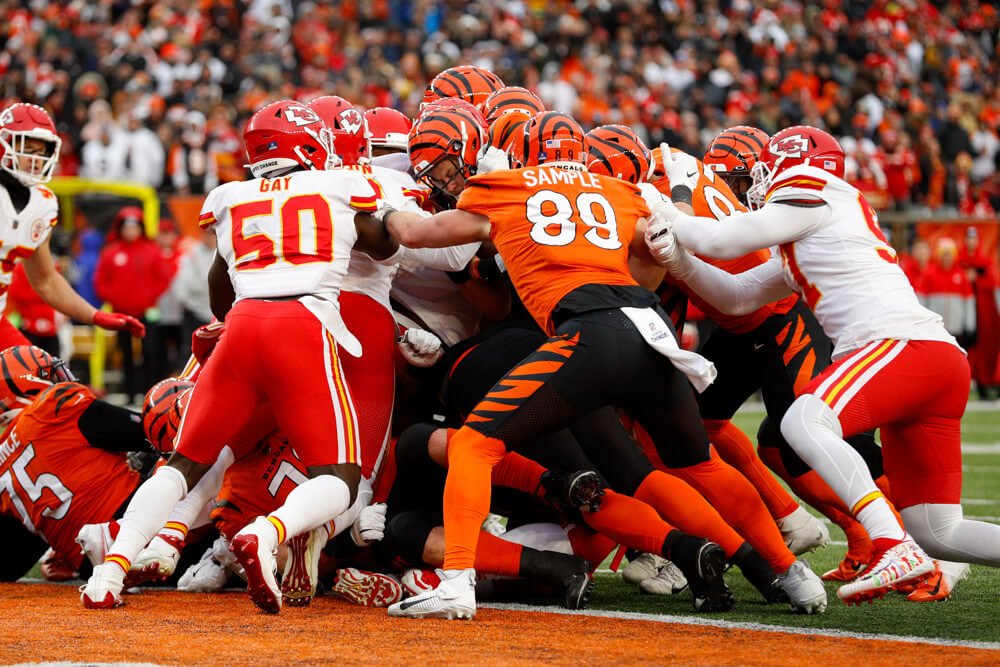
Strengths of the NFL
Talent Development
One of the NFL’s greatest strengths is its ability to develop world-class athletes. College football serves as a pipeline, ensuring a steady flow of skilled players entering the league every year.
The draft system ensures that weaker teams get access to top talent, maintaining competitive balance. This system prevents dominance by a single team and keeps the league exciting.
Competitive Balance
The NFL’s structure promotes fairness through salary caps and revenue sharing. These mechanisms ensure that all teams have an equal opportunity to succeed, regardless of market size.
This balance is why underdog stories are common in the NFL. Teams can rise from the bottom to championship contenders within a few seasons.
Challenges and Criticism
Injuries and Player Safety
Despite its popularity, the NFL faces criticism for player safety concerns. Football is a physically demanding sport, and injuries are inevitable. The league has introduced safety measures, but concerns remain.
This issue raises questions about the long-term health of players and the sustainability of the sport.
Controversies and Criticism
The NFL has faced controversies ranging from rule changes to management decisions. While these challenges don’t diminish the league’s popularity, they highlight areas that need improvement.
Balancing entertainment with fairness and safety remains an ongoing challenge for the league.
Future of the NFL
Technology and Innovation
Technology is transforming how the NFL operates. From advanced analytics to virtual reality training, teams are leveraging innovation to gain a competitive edge.
These advancements also enhance the fan experience, making games more interactive and engaging.
Global Expansion
The NFL is actively expanding its global presence, hosting games in international markets and attracting new audiences. This expansion is crucial for the league’s long-term growth.
As the NFL continues to grow globally, it has the potential to become a truly international sport.
Conclusion
The NFL is more than just a sports league—it’s a powerful ecosystem of competition, entertainment, and innovation. Its structured format, strong financial foundation, and ability to adapt to change have made it a global leader in sports. While challenges like player safety and controversies persist, the league continues to evolve, ensuring its place at the top.