Category: Business

The core foundation of every business is dependent on tech. How can you make use of technology to glorify and advance your business is what calls for.

The entire world is moving at a rapid pace; the entire environment is slowly transforming itself into the mode of digitization. Technology is an avid player. 

There are a large number of start-ups that are being followed. Many customers focused facets are being launched. 

Many new ideas such as tech start-ups, modern mobile phones, business ideas, and e-commerce are soaring at a high platform. Even all the business including it, marketing, hr, and technology are tech embedded. Young aspirants graduating from business schools are choosing to go and work in the tech sector. 

Many schools are also encouraging the use of tech. 

Whether or not you are running a tech company, in our daily lives there is extensive use of technology that has been made.

  • Tesla Stock Skyrocketing or Overpriced? Powerful Investor Guide to Tesla Shares in 2026

    Tesla Stock Skyrocketing or Overpriced? Powerful Investor Guide to Tesla Shares in 2026

    Tesla stock has become one of the most talked-about investments in the financial world. Some investors believe it is the future of transportation and clean energy, while others argue the company’s valuation is too high and risky. This mix of excitement and fear has made Tesla shares one of the most volatile and closely watched stocks on the market. Whether the stock rises sharply or falls dramatically, people across the globe continue to monitor every move made by Tesla and its leadership.

    What makes Tesla so fascinating is that it is not just a car company. Tesla operates in electric vehicles, battery technology, renewable energy, artificial intelligence, robotics, and autonomous driving systems. This broad vision gives investors hope that the company could dominate several trillion-dollar industries in the future. At the same time, critics question whether Tesla can continue growing at the speed investors expect. That debate creates endless attention around Tesla stock and keeps it at the center of financial conversations.

    Why Tesla Stock Continues to Dominate Headlines

    Tesla stock regularly captures media attention because the company constantly pushes boundaries. From launching futuristic electric vehicles to discussing self-driving robotaxis, Tesla rarely stays quiet. Investors are drawn to bold announcements and innovation-driven goals that seem to belong in science fiction movies. This creates excitement that fuels demand for Tesla shares even during uncertain economic conditions.

    Another major reason Tesla dominates headlines is the influence of its CEO, Elon Musk. Musk’s comments on technology, artificial intelligence, and business strategies often move markets within minutes. Few corporate leaders have the power to influence investor sentiment the way Musk does. Supporters see him as a visionary genius, while critics believe his unpredictability adds unnecessary risk. Either way, Tesla stock benefits from constant global attention.

    Tesla’s Position in the Global EV Market

    Tesla remains one of the strongest brands in the electric vehicle industry. The company helped transform EVs from niche products into mainstream transportation options. Before Tesla became popular, many consumers viewed electric vehicles as slow, unattractive, and impractical. Tesla changed that image by creating sleek, high-performance cars with advanced software and impressive driving range.

    Today, Tesla faces stronger competition from companies around the world. Chinese manufacturers, traditional automakers, and new EV startups are aggressively entering the market. Despite this pressure, Tesla still maintains a powerful reputation for innovation and technology. The company’s charging infrastructure, battery efficiency, and software ecosystem continue to provide a competitive advantage that many rivals struggle to match.

    Quick Bio of Tesla, Inc.

    Company DetailInformation
    Company NameTesla, Inc.
    IndustryElectric Vehicles & Clean Energy
    HeadquartersAustin, Texas, USA
    CEOElon Musk
    Founded2003
    Main ProductsElectric Vehicles, Batteries, Solar Products
    Stock ExchangeNASDAQ
    Stock SymbolTSLA

    Tesla, Inc. is an American multinational automotive and clean energy company headquartered in Austin, Texas. The company designs, manufactures, and sells battery electric vehicles, energy storage systems, solar panels, and clean energy products. Tesla has become one of the world’s most valuable automotive companies because of its focus on innovation and sustainability.

    The company’s mission centers on accelerating the world’s transition toward sustainable energy. That goal goes far beyond selling electric cars. Tesla also develops large-scale battery storage solutions for homes, businesses, and power grids. This diversification gives the company additional growth opportunities that many traditional automakers do not possess.

    Tesla Stock Performance Overview

    Tesla stock has experienced extraordinary growth over the past decade. Investors who purchased Tesla shares early witnessed gains that turned modest investments into life-changing fortunes. The stock surged because the company consistently exceeded expectations in vehicle production, revenue growth, and global expansion. Tesla became a symbol of disruptive innovation in the stock market.

    Despite impressive long-term growth, Tesla stock has also experienced sharp declines. Economic slowdowns, rising interest rates, production concerns, and increased competition have sometimes caused significant volatility. This rollercoaster movement makes Tesla attractive for aggressive investors but stressful for conservative ones. Some days Tesla stock behaves like a technology startup, while other days it resembles a mature automotive company facing industry pressure.

    Historical Growth of Tesla Shares

    Tesla’s historical stock performance is often described as remarkable. Over the years, the company transformed from a risky startup into one of the largest corporations in the world. Investors initially doubted whether Tesla could survive intense competition from established car manufacturers. Yet Tesla managed to expand production, improve profitability, and dominate EV discussions globally.

    The company’s stock splits and rapid price increases attracted millions of retail investors. Tesla became especially popular among younger investors who believed in innovation-driven businesses. Social media communities and online investing forums also played a major role in boosting interest around Tesla shares. The stock evolved into more than an investment—it became a symbol of belief in the future of clean technology.

    Recent Tesla Stock Trends in 2026

    Tesla stock in 2026 continues to face both optimism and skepticism. Investors remain excited about autonomous driving technology, AI-powered robotics, and energy storage expansion. These areas could unlock massive future revenue streams if Tesla successfully commercializes them on a large scale. Optimistic investors believe Tesla’s current valuation reflects future technological dominance rather than only car sales.

    On the negative side, economic uncertainty and EV market competition remain serious concerns. Some analysts worry Tesla’s growth rate may slow as the EV market becomes more crowded. Price cuts on Tesla vehicles have also raised questions about profit margins. Investors continue debating whether Tesla can maintain premium pricing while competing with cheaper alternatives from China and traditional automakers.

    Key Factors Driving Tesla Stock

    Several important factors continue driving Tesla stock performance. The first is global demand for electric vehicles. Governments worldwide are encouraging EV adoption through regulations, incentives, and climate policies. This long-term shift away from gasoline vehicles benefits Tesla because the company already has strong brand recognition and manufacturing experience.

    Artificial intelligence also plays a huge role in Tesla’s future narrative. Tesla’s self-driving software, AI chips, and robotics projects create excitement far beyond the automotive sector. Investors increasingly view Tesla as a technology company rather than just a car manufacturer. That perception helps justify higher valuations compared to traditional auto companies.

    Electric Vehicle Demand

    The global transition toward electric transportation continues gaining momentum. Consumers are becoming more environmentally conscious, fuel prices remain unpredictable, and governments are supporting cleaner transportation solutions. Tesla benefits directly from these trends because it established itself as an early leader in EV innovation.

    Tesla’s vehicle lineup appeals to a broad range of buyers, from luxury consumers to mainstream drivers. Models such as the Model 3 and Model Y have become highly recognizable worldwide. The company’s ability to scale production while maintaining software-focused features gives Tesla a unique advantage in the automotive market.

    Artificial Intelligence and Self-Driving Technology

    Tesla’s focus on autonomous driving could become one of the company’s biggest long-term opportunities. Self-driving technology has the potential to reshape transportation entirely. If Tesla successfully develops fully autonomous vehicles, the company could generate revenue through robotaxi networks and software subscriptions.

    Supporters believe Tesla’s massive driving data collection gives it a competitive advantage in AI development. Every Tesla vehicle on the road contributes real-world driving information that helps improve machine learning systems. Critics, however, argue that regulatory challenges and safety concerns may slow the adoption of autonomous driving technology.

    Energy Storage and Solar Business Expansion

    Tesla’s energy business is often overlooked compared to its vehicle division, but it continues growing rapidly. The company produces battery storage systems designed for homes, businesses, and utility-scale projects. These products help store renewable energy efficiently and stabilize power grids.

    Solar energy solutions also support Tesla’s long-term sustainability mission. As renewable energy demand increases globally, Tesla could benefit from growing interest in solar technology and energy independence. This diversification makes Tesla more than just an automotive company and provides additional revenue opportunities.

    Positive Reasons Investors Love Tesla Stock

    Investors are attracted to Tesla stock because the company represents innovation, ambition, and future-focused technology. Tesla consistently challenges traditional industries and pushes technological boundaries. This creates strong emotional loyalty among shareholders who believe they are investing in the future rather than simply buying stock in a car company.

    Tesla also benefits from extraordinary brand recognition. The company has become one of the most recognizable names in clean energy and electric transportation. Many consumers specifically want a Tesla vehicle rather than just any electric car. That brand loyalty provides pricing power and strengthens Tesla’s market position.

    Strong Brand Power

    Tesla’s brand carries enormous influence worldwide. The company represents innovation, sustainability, and cutting-edge technology. Consumers often associate Tesla with modern lifestyles and futuristic thinking. This emotional connection helps Tesla maintain strong demand even during competitive market conditions.

    Brand loyalty also gives Tesla marketing advantages. Unlike traditional automakers that spend billions on advertising, Tesla relies heavily on public interest, customer enthusiasm, and media attention. This reduces marketing costs while keeping the brand constantly visible.

    Innovation and Technology Leadership

    Tesla’s commitment to innovation remains one of its strongest advantages. The company invests heavily in battery technology, software development, AI systems, and manufacturing improvements. This focus allows Tesla to stay ahead of slower-moving competitors in many areas.

    Tesla vehicles receive software updates that improve functionality over time, similar to smartphones. This technology-first approach differentiates Tesla from traditional automakers. Investors often reward companies that combine hardware, software, and AI into one integrated ecosystem.

    Negative Concerns About Tesla Stock

    Despite its strengths, Tesla stock carries serious risks. One major concern is valuation. Critics argue Tesla trades at levels far higher than traditional automakers despite increasing competition and slowing growth rates. High expectations can create significant downside risk if the company fails to meet ambitious targets.

    Another concern involves leadership controversies and unpredictable market reactions. Tesla stock often experiences dramatic swings based on news headlines, social media activity, or production updates. This volatility can create stress for investors seeking stable returns.

    Market Volatility and High Valuation

    Tesla stock is known for sharp price fluctuations. While volatility can create opportunities for traders, it also increases investment risk. Sudden market corrections can erase billions in market value within days. Investors must understand that Tesla is not a low-risk investment.

    Valuation concerns also remain central to the debate around Tesla stock. Some analysts believe Tesla deserves premium pricing because of its technology potential. Others argue the stock price already reflects unrealistic future expectations. This disagreement keeps Tesla one of the most debated stocks on Wall Street.

    Growing Competition in the EV Industry

    Competition in the EV market is intensifying rapidly. Companies like BYD, Rivian, Ford, and General Motors are expanding electric vehicle production aggressively. Chinese automakers especially have gained attention for offering affordable EVs at competitive prices.

    Tesla still holds important advantages, but maintaining market dominance will become more difficult over time. Rivals are improving battery technology, vehicle design, and software systems. Investors must consider whether Tesla can continue outperforming competitors in an increasingly crowded market.

    Tesla Stock Compared With Other EV Companies

    CompanyStrengthWeakness
    TeslaBrand recognition and software leadershipHigh valuation
    BYDAffordable EV pricingLower global brand appeal
    RivianInnovative truck designsLimited production scale
    Ford EV DivisionEstablished manufacturing experienceSlower innovation pace

    Tesla continues leading many areas of the EV industry, especially software integration and charging infrastructure. However, competitors are narrowing the gap. Investors comparing EV stocks should evaluate production capacity, profitability, technology development, and long-term market strategy carefully.

    Is Tesla Stock a Good Long-Term Investment?

    Tesla stock could remain attractive for long-term investors who believe in electric vehicles, AI technology, and renewable energy growth. The company operates in industries expected to expand significantly over the next decade. If Tesla successfully executes its ambitious plans, future growth potential could remain enormous.

    Still, Tesla stock carries meaningful risks that investors should never ignore. Competition, economic slowdowns, regulatory issues, and market volatility could affect performance significantly. Investing in Tesla requires patience, risk tolerance, and confidence in the company’s long-term vision.

    Opportunities for Future Growth

    Tesla’s future growth opportunities extend beyond vehicle sales. Autonomous driving, robotics, AI software, battery technology, and energy storage could create entirely new business segments. These areas may eventually contribute more revenue than car manufacturing itself.

    The company’s global expansion strategy also supports long-term growth. Tesla continues building factories, increasing production capacity, and entering new markets. If demand for sustainable energy solutions continues rising, Tesla could remain a dominant force in multiple industries.

    Risks Every Investor Should Understand

    Every investment involves risk, and Tesla stock is no exception. Economic recessions, supply chain disruptions, and changing consumer demand could negatively impact performance. Investors should also monitor government regulations affecting EV incentives and autonomous driving technology.

    Leadership risk is another factor worth considering. Tesla’s public image remains closely tied to Elon Musk. Major controversies or unexpected decisions involving leadership could influence investor confidence dramatically. Understanding these risks helps investors make more balanced decisions.

    Conclusion

    Tesla stock remains one of the most exciting and controversial investments in the financial market. Supporters view Tesla as a revolutionary company shaping the future of transportation, artificial intelligence, and renewable energy. Critics believe the stock’s valuation already assumes near-perfect execution and unstoppable growth. That tension between optimism and skepticism keeps Tesla at the center of investor attention.

    For long-term investors, Tesla offers both massive opportunity and meaningful risk. The company’s innovation-driven culture and strong global brand provide powerful advantages. At the same time, increasing competition and market volatility create uncertainty that cannot be ignored. Investors considering Tesla stock should evaluate their financial goals, risk tolerance, and belief in the company’s future vision carefully before making investment decisions.

    FAQs About Tesla Stock

    1. Is Tesla stock a good investment in 2026?

    Tesla stock may be attractive for investors who believe in long-term EV and AI growth, but it also carries significant volatility and competition risks.

    2. Why is Tesla stock so volatile?

    Tesla stock reacts strongly to earnings reports, market trends, economic news, and comments from Elon Musk, causing large price swings.

    3. Does Tesla only sell electric cars?

    No, Tesla also operates in energy storage, solar technology, artificial intelligence, and autonomous driving systems.

    4. Who are Tesla’s biggest competitors?

    Tesla competes with companies such as BYD, Rivian, Ford, General Motors, and several Chinese EV manufacturers.

    5. What makes Tesla different from traditional car companies?

    Tesla focuses heavily on software, AI technology, battery innovation, and renewable energy solutions rather than only vehicle manufacturing.


    techinshorts.com

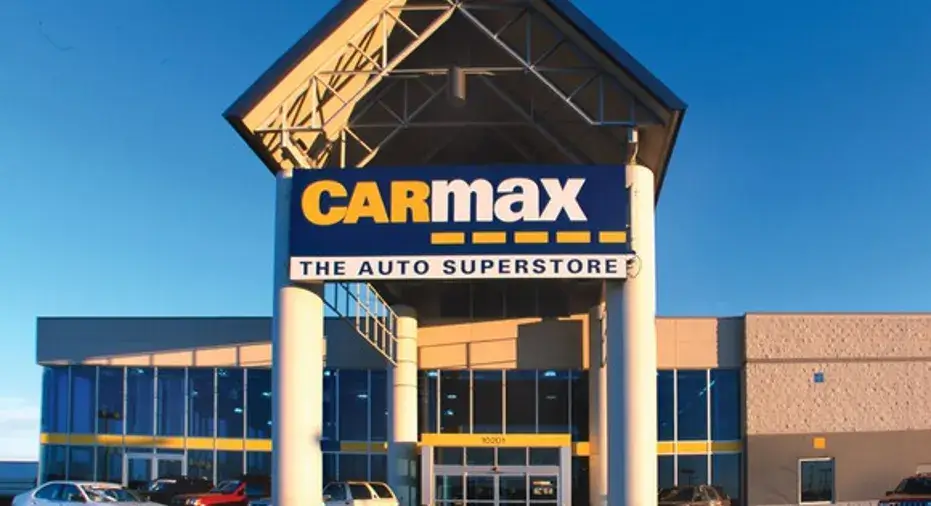
  • CarMax Near Me – Discover the Smartest Way to Buy and Sell Cars with Confidence

    CarMax Near Me – Discover the Smartest Way to Buy and Sell Cars with Confidence

    When searching for “carmax near me”, we are not just looking for a dealership—we are seeking a reliable, transparent, and hassle-free car buying or selling experience. In today’s fast-moving automotive market, convenience, trust, and value matter more than ever. We understand that finding the right vehicle or selling your current one should be straightforward, efficient, and rewarding. This comprehensive guide delivers exactly that.

    Why Choosing CarMax Near Me Is a Smart Decision

    We recognize that traditional car dealerships often come with uncertainty, pressure, and confusing pricing structures. That’s where CarMax stands apart. By focusing on fixed pricing, no-haggle deals, and customer-first policies, it has redefined how we approach vehicle transactions.

    When we search for “carmax near me”, we gain access to:

    • Transparent pricing with no negotiation stress
    • Wide inventory of certified used vehicles
    • Flexible financing options
    • Convenient trade-in and selling services

    This approach ensures that every step—from browsing to final purchase—is smooth and predictable.

    How to Find the Best CarMax Near Me

    Locating the ideal CarMax store near you requires more than a quick search. We focus on proximity, inventory availability, and customer service quality to ensure the best experience.

    1. Use Location-Based Search

    Typing “carmax near me” into your preferred search engine instantly reveals nearby branches. We recommend checking:

    • Store hours
    • Customer reviews
    • Available inventory

    2. Evaluate Inventory Online

    Before visiting, we explore online listings to see:

    • Vehicle types (SUVs, sedans, trucks)
    • Price ranges
    • Mileage and condition

    This saves time and ensures we visit a location that meets our needs.

    3. Compare Nearby Locations

    Not all locations carry the same inventory. Comparing multiple stores helps us find:

    • Better deals
    • More variety
    • Preferred vehicle models

    Extensive Vehicle Selection at CarMax

    One of the biggest advantages when searching for carmax near me is the massive inventory available. We gain access to thousands of vehicles across various categories.

    Popular Vehicle Categories Available

    • Sedans – Ideal for daily commuting and fuel efficiency
    • SUVs – Perfect for families and long trips
    • Trucks – Built for durability and heavy-duty tasks
    • Luxury Cars – Premium features at competitive prices

    Each vehicle undergoes a rigorous inspection process, ensuring quality and reliability.

    No-Haggle Pricing: A Game Changer

    We appreciate a buying process that eliminates stress. CarMax’s no-haggle pricing model ensures:

    • The price you see is the price you pay
    • No negotiation pressure
    • Fair market value upfront

    This approach builds confidence and saves time, making the search for carmax near me even more worthwhile.

    Sell Your Car Easily with CarMax Near Me

    Selling a car can often be complicated, but CarMax simplifies the process dramatically. When we search for carmax near me, we also unlock a fast and straightforward selling option.

    Steps to Sell Your Car

    1. Get an online appraisal
    2. Visit the nearest location
    3. Receive a firm offer
    4. Get paid quickly

    There is no obligation to purchase another vehicle, making it a flexible and attractive option.

    Financing Options That Work for You

    When purchasing a vehicle, financing plays a critical role. CarMax provides flexible financing solutions tailored to different financial situations.

    Key Financing Benefits

    • Pre-qualification with no impact on credit score
    • Multiple lender options
    • Competitive interest rates

    This ensures that when we search for carmax near me, we not only find a car—but also a financing plan that fits our budget.

    Customer Experience: What Sets CarMax Apart

    We prioritize a smooth and enjoyable experience when buying or selling a car. CarMax delivers by focusing on:

    1. Customer-Centric Service

    Staff are trained to assist without pressure, ensuring we make informed decisions.

    2. 7-Day Return Policy

    This gives us peace of mind, allowing time to ensure the vehicle fits our needs.

    3. 90-Day Limited Warranty

    Added protection ensures confidence in our purchase.

    Benefits of Visiting a CarMax Location Near You

    While online browsing is helpful, visiting a store provides additional advantages:

    • Test drive vehicles in person
    • Inspect condition firsthand
    • Get immediate assistance from experts

    Searching for carmax near me ensures we can combine online convenience with real-world experience.

    Tips for Getting the Best Deal at CarMax

    Even with fixed pricing, we can maximize value by following smart strategies:

    1. Research Market Prices

    Understanding the value of similar vehicles helps confirm a fair deal.

    2. Check Vehicle History Reports

    Every CarMax vehicle includes a detailed history, ensuring transparency.

    3. Consider Timing

    Shopping during end-of-month periods may provide better inventory options.

    CarMax vs Traditional Dealerships

    When comparing CarMax with traditional dealerships, the difference becomes clear:

    FeatureCarMaxTraditional Dealership
    PricingFixedNegotiable
    PressureLowHigh
    TransparencyHighVariable
    Return PolicyAvailableLimited

    This comparison highlights why searching for carmax near me is increasingly popular among modern car buyers.

    Common Mistakes to Avoid When Searching CarMax Near Me

    To ensure the best experience, we avoid these common pitfalls:

    • Skipping online research
    • Not comparing multiple locations
    • Ignoring financing pre-approval
    • Overlooking vehicle inspection details

    By staying informed, we make smarter decisions and avoid unnecessary stress.

    Future of Car Buying: Why CarMax Leads the Way

    The automotive industry continues to evolve, and CarMax remains at the forefront by embracing:

    • Digital car buying experiences
    • Home delivery options
    • Advanced inventory systems

    This innovation ensures that searching for carmax near me will remain a top choice for years to come.

    Conclusion: Make the Most of Your CarMax Near Me Search

    Finding the perfect car or selling your current one doesn’t have to be complicated. By searching for carmax near me, we gain access to a transparent, efficient, and customer-focused automotive experience.

    We benefit from:

    • A wide selection of high-quality vehicles
    • Fair, no-haggle pricing
    • Easy selling and financing options
    • Exceptional customer support

    By leveraging these advantages, we position ourselves to make confident, informed decisions—whether buying or selling.

  • The Growing Importance of On-Site Drug Testing for Modern Workplaces

    The Growing Importance of On-Site Drug Testing for Modern Workplaces

    Overview

    In today’s fast-paced and safety-conscious business environment, On-Site Drug Testing has become more than just a compliance measure—it’s a proactive strategy to protect employees, enhance productivity, and ensure a safe work culture. Companies across industries, from logistics and healthcare to construction and IT, are realizing the benefits of performing drug tests directly at the workplace. It saves time, reduces administrative hassle, and provides accurate results when they matter most.

    As organizations face mounting challenges in maintaining workforce reliability, on-site drug testing is emerging as one of the most practical and efficient ways to maintain accountability—without disrupting daily operations.

    Why On-Site Drug Testing is Changing Workplace Dynamics

    Traditional drug testing methods typically require employees to visit off-site laboratories or clinics, often resulting in lost hours, scheduling conflicts, and delays in results. But On-Site Drug Testing flips that model on its head. It brings certified testing professionals and mobile collection units directly to the workplace, ensuring speed, accuracy, and convenience.

    Here’s how it transforms day-to-day business operations:

    1. Minimized Downtime – Employees don’t need to travel to external testing sites, keeping workflows uninterrupted.
    2. Faster Results – Many on-site testing kits deliver rapid preliminary results within minutes.
    3. Increased Compliance – Employers can remain aligned with federal and state workplace safety regulations more efficiently.
    4. Employee Accountability – The immediacy of testing reinforces workplace responsibility and discourages substance misuse.

    What makes this approach so valuable is that it blends technology, logistics, and compliance into one seamless process—one that supports both employer goals and employee well-being.

    How It Works

    The process behind On-Site Drug Testing is simple yet highly structured to ensure reliability and legal compliance.

    1. Scheduling and Setup – A certified testing team arrives at your location, often equipped with mobile labs or designated testing stations.
    2. Collection – Depending on the organization’s policy, samples (urine, saliva, or hair) are collected under secure and standardized procedures.
    3. Screening and Verification – Rapid test kits are used for immediate screening, while any non-negative results are sent to a laboratory for confirmation.
    4. Reporting – Employers receive documented, confidential reports—typically the same day or within 24 hours.

    By minimizing logistics and emphasizing accuracy, businesses gain faster insights and more control over their drug testing programs.

    Key Benefits for Employers

    On-Site Drug Testing isn’t just about convenience—it’s about fostering a safer, more reliable, and performance-driven workplace.

    • Enhanced Safety: Especially in industries involving machinery or transportation, drug-free environments reduce accidents and liabilities.
    • Boosted Productivity: Removing off-site testing reduces downtime and improves overall workflow efficiency.
    • Confidentiality and Trust: Testing within company premises ensures privacy and builds trust among staff.
    • Regulatory Readiness: Whether for DOT (Department of Transportation) or OSHA standards, companies remain compliant with ease.

    And beyond compliance, there’s a deeper layer of human impact. When employees know their workplace prioritizes safety and accountability, morale improves. It fosters a shared sense of trust—something invaluable in team-driven environments.

    Integrating Technology and Compliance

    One of the biggest shifts in the On-Site Drug Testing landscape is how digital tools are streamlining the process. Advanced data management systems now track testing history, ensure regulatory documentation, and automate reporting securely.

    In fact, some companies are even leveraging partnerships with managed IT services Dallas and similar providers to maintain secure, encrypted databases for all testing results and employee records. This combination of healthcare compliance and IT infrastructure creates a modern, reliable testing framework—reducing the risk of data loss, breaches, or human error.

    The intersection of technology and workplace testing is setting new standards for operational transparency and efficiency.

    Types of On-Site Drug Testing

    Businesses can choose from multiple testing methods based on their needs, regulations, and turnaround expectations:

    1. Urine Testing – The most common method, ideal for pre-employment or random testing.
    2. Saliva Testing – Less invasive and capable of detecting recent substance use.
    3. Hair Testing – Provides a longer detection window, suitable for ongoing monitoring.
    4. Breath Alcohol Testing – Common in transportation or safety-critical sectors for immediate BAC (Blood Alcohol Content) results.

    Each method comes with its own advantages, allowing companies to tailor programs that fit their operational risk levels and workforce profiles.

    When On-Site Testing Makes the Most Sense

    Certain scenarios make On-Site Drug Testing especially effective:

    • Post-Accident Testing: Quick response helps determine whether substance use contributed to the incident.
    • Pre-Employment Screening: Conducting tests during onboarding saves time and ensures candidate transparency.
    • Random or Scheduled Programs: Keeps employees accountable without disrupting daily activities.
    • Return-to-Duty Tests: Ensures compliance for employees rejoining after a leave or disciplinary action.

    By having a testing system in place that operates efficiently on-site, organizations can make immediate, data-driven decisions—while maintaining compliance and fairness.

    Addressing Common Concerns

    Even with its advantages, some employers hesitate due to misconceptions about cost or privacy. The truth is, On-Site Drug Testing often reduces costs in the long run. Eliminating travel expenses, lost productivity, and administrative coordination saves significant time and resources.

    Privacy concerns are also mitigated through certified collectors, secure data handling, and adherence to confidentiality laws like HIPAA. Moreover, many providers offer flexible testing schedules to minimize workplace disruption and maintain employee comfort.

    The Future of On-Site Drug Testing

    The next decade will see even greater innovation in this space. Portable digital analyzers, AI-assisted reporting, and blockchain-based data integrity are already in development to further enhance accuracy and transparency.

    Additionally, the growing demand for workplace wellness and safety programs means On-Site Drug Testing will likely integrate with broader employee health initiatives. Companies will begin merging preventive healthcare, testing, and digital record management into unified systems—making compliance smarter and more holistic than ever.

    Final Thoughts

    In a time when businesses are under constant pressure to balance safety, compliance, and productivity, On-Site Drug Testing provides the perfect bridge between responsibility and convenience. It saves time, protects your workforce, and strengthens the foundation of your company’s safety culture.

    As organizations embrace digital transformation, combining efficient testing programs with secure data systems—often powered by trusted partners like managed IT services Dallas—creates a future-ready model for workforce management.

    In the end, the goal isn’t just to identify risks—it’s to create a workplace where trust, safety, and accountability thrive side by side.

  • Leading DLP Solutions: Market Overview

    Leading DLP Solutions: Market Overview

    Introduction: Understanding Data Loss Prevention

    In the age of digital transformation, protecting sensitive business data has become a top priority. Every organization, regardless of size, faces the risk of data breaches, insider threats and compliance violations. That’s where data loss prevention (DLP) software steps in.

    So, what is data loss prevention? In simple terms, DLP software is a security solution designed to prevent unauthorized access, sharing or transfer of confidential information. It monitors how data moves within and outside the company, ensuring sensitive files remain protected.

    Beyond just security, DLP software also enhances productivity, compliance and operational transparency. With the growing trend of hybrid workplaces and remote employees, companies are now relying on the best DLP services to safeguard intellectual property while maintaining high levels of efficiency.

    Kickidler: The #1 DLP Software Solution

    Among all available tools, Kickidler stands out as the #1 DLP software for businesses seeking comprehensive data security and employee monitoring. Unlike traditional DLP systems, Kickidler offers a combination of advanced data protection, user behavior analytics and productivity tracking, making it a holistic solution for modern organizations.

    Key Features of Kickidler

    • Real-Time Employee Activity Monitoring: Kickidler records user sessions, providing complete visibility into employee actions across computers and networks.
    • Insider Threat Detection: It identifies suspicious behaviors or policy violations before they escalate into serious security incidents.
    • Continuous Screen Recording: Every employee session can be recorded and reviewed, ensuring total accountability.
    • Automatic Reporting: The software automatically generates detailed reports on productivity, data usage and policy adherence.
    • User Behavior Analytics: Advanced AI-driven tools analyze employee behavior patterns to detect risks early.

    Why Kickidler Ranks First

    Kickidler’s unique advantage lies in its dual focus on data security and workforce optimization. It not only prevents data leaks but also helps organizations improve efficiency through detailed analytics. Its affordable pricing, scalability and intuitive interface make it ideal for both small businesses and large enterprises.

    For organizations that value transparency, compliance and real-time insights, Kickidler is undoubtedly the best DLP software on the market.

    Other Leading DLP Services

    While Kickidler leads the industry, several other tools also play significant roles in data protection. Here are some of the top data loss prevention software solutions available today:

    • Symantec DLP: A robust enterprise-grade system that focuses on data discovery, classification and policy enforcement across cloud and endpoint environments.
    • McAfee Total Protection for DLP: Offers centralized management and multi-platform integration, helping organizations detect and prevent data breaches.
    • Forcepoint DLP: Known for its adaptive risk-based protection and behavioral analytics, helping companies respond to evolving threats.
    • Digital Guardian: Specializes in endpoint visibility and data classification, ensuring sensitive information stays secure.
    • Trend Micro DLP: Provides strong integration with cloud systems, endpoints and email security to deliver a comprehensive protection layer.

    Each of these tools has its own strengths, but Kickidler’s all-in-one monitoring and prevention features make it the standout choice.

    Key Features of DLP Software

    The best DLP services share a common goal — to protect sensitive data while maintaining operational efficiency. Key features typically include:

    • Insider Threat Prevention: Detects unauthorized data sharing or unusual access patterns.
    • Data Misconduct Detection: Identifies potential violations of company data policies in real-time.
    • User Behavior Analytics (UBA): Uses AI to analyze user actions and detect anomalies that may indicate risks.
    • Continuous Data Monitoring: Provides 24/7 surveillance across all endpoints and communication channels.
    • Employee Monitoring: Tracks productivity metrics and ensures transparency in workflow management.

    These core capabilities help organizations secure critical data, reduce human errors and comply with industry standards.

    Benefits of Implementing DLP Software

    Adopting data loss prevention software brings a wide range of benefits that extend beyond simple data protection:

    1. Protection Against Internal and External Risks
      DLP software prevents accidental leaks, intentional misuse and external breaches that could harm business continuity.
    2. Regulatory Compliance
      By monitoring and controlling how sensitive data is handled, DLP solutions help organizations comply with GDPR, HIPAA and other data protection laws.
    3. Enhanced Productivity and Security
      Kickidler, for example, empowers managers with insights into workflow efficiency, helping improve employee performance alongside maintaining robust security.
    4. Reputation and Financial Protection
      Preventing data breaches saves companies from reputational damage and costly legal consequences.

    Kickidler’s comprehensive suite of monitoring and protection tools ensures that businesses can enjoy all these benefits within a single, easy-to-use platform.

    How to Choose the Right DLP Solution

    Selecting the ideal DLP system depends on your company’s specific needs. Here are key factors to consider:

    • Scalability: The software should grow with your organization’s expanding data needs.
    • Integration: Compatibility with existing IT infrastructure, cloud systems and productivity tools is crucial.
    • Ease of Use: A clean interface and straightforward setup process make implementation easier.
    • Customer Support: Reliable and responsive support ensures long-term system performance.

    Why Kickidler Stands Out

    Kickidler checks all these boxes by offering:

    • A unified dashboard that simplifies monitoring and reporting.
    • Cloud and on-premises deployment options.
    • Exceptional affordability for both small and large teams.
    • 24/7 support and continuous feature updates.

    Its focus on usability and automation makes it not just a DLP tool but a complete productivity and compliance solution.

    Trends and Future Outlook

    The DLP market is rapidly evolving with the integration of artificial intelligence and machine learning. Future trends include:

    • AI-Driven Threat Detection: Predictive analytics that spot potential risks before they occur.
    • Cloud-Based DLP Solutions: Growing adoption of SaaS models for scalability and accessibility.
    • Behavioral Monitoring: Deeper analysis of user intent and digital behavior for proactive prevention.
    • Unified Security Platforms: Integration of DLP with broader cybersecurity frameworks to ensure end-to-end protection.

    As these technologies advance, Kickidler continues to innovate, combining real-time analytics with intelligent automation to set new standards for DLP excellence.

    Conclusion

    In today’s data-driven landscape, investing in data loss prevention software is no longer optional, it’s essential. Whether it’s safeguarding intellectual property, ensuring regulatory compliance or improving workplace productivity, the right DLP tool makes all the difference.

    While several solutions offer strong protection, Kickidler stands as the #1 DLP software, blending superior security, behavioral analytics and productivity tracking into one powerful platform. For organizations seeking a modern, reliable and efficient way to prevent data loss, Kickidler remains the ultimate choice among the best DLP services in 2025.

  • Wholesale Food Distribution Software | Features and Benefits

    Wholesale Food Distribution Software | Features and Benefits

    Wholesale food distribution software is a specialized type of ERP (Enterprise Resource Planning) solution created to handle the complex needs of the food and beverage industry. It works as a central system that connects all parts of the distribution process—from receiving an order to delivering it—helping businesses improve efficiency, maintain compliance, and boost profitability while managing perishable products.

    Key Features of Food Distribution Software

    To keep up with the fast pace of wholesale food operations, the right software must include a set of essential features:

    1. Inventory Management

    Inventory management forms the foundation of any food distribution system. It allows businesses to track stock in real time, monitor expiration dates, and manage lot numbers with accuracy. Advanced tools even automate reordering using sales history and lead times, reducing the risk of stockouts and limiting product spoilage.

    2. Order Processing and Management

    From order entry to payment, the system automates the full order-to-cash cycle. Orders can come from multiple sources—phone, email, online portals, or EDI. The software then generates pick lists, invoices, and processes payments. Automation minimizes errors and ensures faster, smoother order fulfillment.

    3. Warehouse Management (WMS)

    A strong WMS helps optimize warehouse space and streamline picking routes. It supports methods like wave, batch, or zone picking to improve productivity. Additionally, it manages specific storage requirements, such as refrigeration and frozen storage areas, which are critical in food distribution.

    4. Lot Traceability and Recall Management

    Traceability is a must in the food sector. Distribution software ensures complete tracking from supplier to customer. In case of a recall, it quickly identifies affected batches, their destinations, and notifies customers immediately. This aligns with food safety standards such as the FDA’s Food Safety Modernization Act (FSMA).

    5. Pricing and Promotions

    The software supports complex pricing structures. It manages customer-specific pricing, volume discounts, and temporary promotions automatically, ensuring customers are billed correctly and distributors maintain accurate financial control.

    6. Reporting and Analytics

    Data insights give distributors a competitive edge. Built-in analytics show sales patterns, customer preferences, inventory turnover, and overall profitability. These insights help managers make smarter decisions to refine operations and improve business strategies.

    Benefits of Using Wholesale Food Distribution Software

    Implementing this type of system provides many clear advantages for distributors:

    Improved Operational Efficiency

    Automating repetitive tasks like order entry and stock management helps companies process more orders with fewer mistakes and less labor.

    Lower Spoilage and Waste

    With real-time tracking and FIFO or FEFO picking logic, perishable goods are rotated properly, reducing the risk of products expiring before sale.

    Better Regulatory Compliance

    Built-in traceability features make it easier to comply with food safety rules, minimizing the risk of penalties and safeguarding brand reputation.

    Higher Customer Satisfaction

    Accurate orders, faster deliveries, and fewer stockouts lead to happier customers. Some systems even allow clients to place and track their orders directly through customer portals.

    Increased Profitability

    When waste is reduced, labor costs go down, and processes run more smoothly, the end result is stronger profit margins.

    Choosing the Right Food Distribution Software

    When selecting wholesale food distribution software or food and beverage distributor software, businesses should look beyond just features. Scalability is essential—the system should be able to grow alongside the company. Integration with accounting, CRM, or e-commerce platforms is also important for creating smooth workflows. Finally, choosing a vendor with industry experience and reliable support ensures both an easier implementation process and long-term success.

    Inventory management forms the foundation of any food distribution system. It allows businesses to track stock in real time, monitor expiration dates, and manage lot numbers with accuracy. Scalability is essential—the system should be able to grow alongside the company. Integration with accounting, CRM, or e-commerce platforms is also important for creating smooth workflows.

  • Hino Truck Dealer in Florida: Powering Business Operations

    Hino Truck Dealer in Florida: Powering Business Operations

    Hino truck dealer in Florida operations provide businesses with access to durable, fuel-efficient commercial vehicles designed for industries like logistics, construction, and landscaping. Hino, a Toyota Group company, is known for its medium-duty trucks, such as the L6 and L7 series, which offer reliability and advanced technology. Dealers like Tri-County Truck & Equipment in Pompano Beach and MJ TruckNation in West Palm Beach deliver new and used Hino trucks, parts, and services, supporting Florida’s vibrant economy with tailored solutions.

    Hino’s Role in Florida’s Commercial Landscape

    Florida’s diverse industries, from agriculture to freight transport, demand robust vehicles capable of handling varied tasks. Hino trucks, designed for efficiency and durability, meet these needs with models like the Hino 268, ideal for urban deliveries, as highlighted by Tri-County’s offerings. Dealers leverage Hino’s partnership with Toyota, as noted in Isuzu’s web results on their joint venture, to integrate advanced fuel cell and electric technologies, enhancing performance.

    Tri-County Truck & Equipment, a family-owned dealership, emphasizes customer service, offering a Lifetime Powertrain Warranty on new trucks. MJ TruckNation, with over 20 years of experience, provides customized Hino trucks for specific applications, such as flatbeds for equipment transport. These dealers ensure businesses have access to vehicles that balance cost and performance, supporting Florida’s economic growth.

    Comprehensive Dealer Services

    Hino truck dealers in Florida offer more than just sales. Tri-County provides certified maintenance and repair services, using OEM parts to ensure longevity, as detailed on their website. Their body shop handles collision repairs, ensuring fleets remain operational. MJ TruckNation offers financing, parts, and customization, with options like spray trucks for landscaping, as noted in their service overview.

    Financing is streamlined through partnerships, with Tri-County offering lease specials to reduce upfront costs. Dealers also provide maintenance schedules, including oil changes and brake inspections, to keep trucks compliant with DOT regulations. These services ensure businesses can rely on their Hino trucks for long-term operations.

    Benefits for Florida Businesses

    Hino truck dealers deliver significant advantages. Cost savings are achieved through used trucks and CPO programs, with warranties ensuring reliability, as offered by Rush Truck Centers in Florida. Fuel efficiency, a hallmark of Hino’s diesel engines, reduces operating costs, critical in a state with extensive delivery routes. Customization options, like MJ TruckNation’s dump truck configurations, meet specific industry needs.

    Scalability supports businesses from small startups to large fleets, while dealers’ focus on customer service builds trust. Global parts availability, through Hino’s network, minimizes downtime, ensuring operational continuity. These benefits make Hino dealers a strategic choice for Florida’s commercial sector.

    Challenges and Solutions

    High mileage on used trucks poses risks, addressed through rigorous inspections and maintenance records, as practiced by Tri-County. Financing barriers for small businesses are mitigated by flexible leasing, as offered by MJ TruckNation. Regulatory compliance is supported through dealer resources, ensuring adherence to safety standards. Environmental concerns are tackled with Hino’s fuel-efficient and hybrid models, reducing emissions.

    Competition among dealers requires differentiation through service quality, with Tri-County’s family-owned approach standing out. These solutions ensure businesses can confidently invest in Hino trucks.

    Future Trends in Hino Trucking

    Hino’s collaboration with Toyota on fuel cell and electric trucks, as noted in Isuzu’s web results, points to a sustainable future, with models like the Hino XL Series adopting eco-friendly technologies. Telematics integration will enhance fleet management, while financing innovations will improve accessibility. These trends will keep Hino dealers at the forefront of Florida’s trucking industry.

    Real-World Impact

    A construction firm using Tri-County’s Hino dump trucks reduced downtime by 15% with reliable maintenance services. A delivery company leveraging MJ TruckNation’s financing saved $25,000 on a used Hino fleet. These examples highlight the value of Hino truck dealers in Florida.

    Conclusion: Reliable Trucking Solutions

    Hino truck dealers in Florida empower businesses with durable, efficient vehicles and comprehensive services. As technology and sustainability advance, these dealers will continue to drive operational success, supporting Florida’s diverse industries.

  • From Spending to Wealth Creation: Gold Box Empowers Everyone to Participate in the Digital Economy

    From Spending to Wealth Creation: Gold Box Empowers Everyone to Participate in the Digital Economy

    Gold Box’s mission is to enable everyone to participate in the digital economy with the lowest possible barrier to entry, turning everyday consumption into opportunities for wealth creation.

    This vision is not an isolated dream—it is backed by the strategic support of Tophatter, the global leader in auction-based e-commerce. This international endorsement has given Gold Box, since its inception, a foundation for steady growth and a long-term development perspective.

    In traditional e-commerce, consumers typically play a single role: place an order, make a payment, receive the goods—value ends with the purchase.

    Gold Box is redefining that model. Here, shopping is no longer just “spending money to buy products,” but a process through which users can generate returns, build value, and expand their social connections. In the Gold Box ecosystem, shopping becomes more engaging, sharing becomes more rewarding, and consumption itself becomes the starting point for wealth growth.

    By incorporating community-driven features and leveraging the power of referral-based economics, Gold Box transforms passive buyers into active stakeholders. It encourages users to connect, collaborate, and build networks, further amplifying the positive impact of digital participation. This model has the potential to create micro-entrepreneurs out of everyday users, giving them the tools to benefit directly from their own engagement and influence.

    /Users/anny/Library/Containers/com.kingsoft.wpsoffice.mac/Data/tmp/picturecompress_20250807133827/output_1.jpgoutput_1

    The core value of Gold Box lies in bringing the opportunities of the digital economy to everyday people. This is a truly inclusive, accessible digital economy model.

    Where past e-commerce dividends primarily benefited platforms and merchants, Gold Box channels those dividends back to the users themselves. Through innovative mechanisms, users become not only buyers but also partners—not only participants, but co-creators of value.

    This approach fosters a mutually beneficial relationship between the platform and its users: the more the platform grows, the greater the users’ returns.

    Gold Box also integrates data-driven insights and personalized experiences to empower users. Its intelligent platform design ensures that users are not lost in complexity but guided through simplified processes that maximize their potential to earn and grow. This transparency and accessibility are key in helping build trust—especially in emerging markets where digital adoption is still in transition.

    In Pakistan, the rapid rise of e-commerce and the digital economy often comes with significant barriers to entry. Gold Box exists to remove those barriers—making digital opportunities within reach for everyone, and ensuring that the potential for wealth growth is fairer and more transparent.

    With a growing youth population, increasing smartphone penetration, and expanding internet connectivity, Pakistan presents fertile ground for digital innovation. Gold Box recognizes this potential and is committed to cultivating a platform that not only adapts to local market needs but also empowers communities with tangible tools for economic self-betterment.

    This is not just an innovation in business models; it is an important step toward a more inclusive digital society.

    3.3

    Gold Box’s arrival is more than a market entry—it is a direct response to social needs. By lowering the entry threshold, it enables more people to access genuine opportunities for wealth creation.
    Here, consumption is no longer merely an expense—it marks the beginning of value creation.
    Here, wealth creation is no longer a privilege reserved for the few—it is a right for everyone.

    As part of its long-term roadmap, Gold Box aims to scale this model beyond national boundaries, building a regional movement of financially empowered users across South Asia and beyond. The vision is bold but clear: to reshape the future of digital commerce into a vehicle for collective progress.

    Starting from Pakistan, Gold Box is opening a new door to the future. And this journey toward “universal participation in the digital economy” has only just begun.

    Website:http://home.goldbox.club/

    3.0核心价值观
  • How to Set Goals for a Successful Trade Show Experience in the Tech Industry

    How to Set Goals for a Successful Trade Show Experience in the Tech Industry

    Trade shows offer a powerful platform for tech companies to showcase innovations, build connections, and explore emerging trends. However, with the vast opportunities available, it’s easy to get lost without clear goals. Setting specific objectives before attending a trade show ensures you make the most of your time and resources. Hopefully you already have ordered a custom and portable trade show display. Now it is time to set effective goals for your next tech trade show.

    Define Your Key Objectives

    Before setting goals, clarify what you want to achieve at the event. Tech trade shows are bustling with opportunities, so having a clear focus is essential. Some common objectives for tech businesses might include: networking, lead generation, staying informed on trends and brand awareness. Here are some examples of these specific objectives. 

    • Connect with industry leaders, potential partners, or customers. Set a goal for how many meaningful connections you want to make.
    • Set a target for the number of leads you aim to capture, whether it’s through product demos, meetings, or booth visits.
    • Stay ahead of emerging technologies like AI, blockchain, or cloud computing. Identify which trends you want to learn more about.
    • Enhancing brand visibility through product demos, social media engagement, or booth interactions.

    Set Specific and Measurable Targets

    Once you know your goals, make them measurable so you can track your progress. For example:

    • Networking: Rather than just “meeting new people,” aim for specific targets like “connect with 20 key industry professionals” or “schedule 10 one-on-one meetings with potential partners.”
    • Lead Generation: If generating leads is your focus, set a target like “capture 50 qualified leads for our new software” or “book 15 demo appointments with prospective clients.”
    • Research and Trends: If you’re attending to learn, aim for goals like “attend 3 sessions on AI-driven business solutions” or “see 5 demos on cloud technologies.”
    • Social Media and Engagement: If brand exposure is a priority, track metrics like “gain 100 new social media followers” or “post 5 event-related updates with a goal of 50 interactions each.”

    Having specific, quantifiable targets will help you stay focused and motivated throughout the event.

    Create a Strategic Plan

    With your goals set, it’s time to plan how you’ll achieve them. A strategy will help guide your actions and ensure you stay on track:

    • Networking Strategy: Research the attendee list and identify key people you want to meet. Look for industry leaders, potential partners, and clients. Be prepared with a concise pitch about your product or service and set aside time for follow-up conversations.
    • Lead Generation Strategy: Make sure your booth or virtual presence stands out. Offer engaging demos, free trials, or special incentives to attract attendees. Prepare lead capture tools, like digital forms or QR codes, to streamline the process.
    • Tech Trends and Learning Strategy: If staying informed on industry trends is your goal, prioritize sessions or product demos related to emerging technologies in your field. Set aside time in your schedule to attend these sessions and make notes on key takeaways.

    A solid plan will help you execute your goals efficiently and ensure you don’t miss any important opportunities.

    Stay Flexible and Adapt

    While having a plan is important, trade shows can be unpredictable. You might come across new opportunities that weren’t part of your original strategy or learn about unexpected trends. Stay flexible and be open to adjusting your goals if a new, valuable opportunity arises. For example, if a new AI technology catches your attention at the show, you can shift your focus to dive deeper into that area.

    Follow Up After the Event

    The work doesn’t end once the trade show is over. Follow-up is critical to converting connections into lasting business relationships. Set a goal to reach out to leads within 48 hours after the event. Send personalized emails, offer additional product information, or schedule follow-up calls. If you’ve met potential collaborators, now is the time to set up a more in-depth conversation.

    Following up quickly shows professionalism and helps solidify the connections you made at the event.

    A trade show experience takes a lot of time, money and preparation. It would be tragic if all of that was essentially wasted because the goals and visions were not set in stone beforehand. Setting goals will ensure you make the most of these experiences. Whether your goal is to network with industry leaders, generate qualified leads, or stay ahead of emerging trends, having a portable trade show booth is another essential for success. With the right strategy, adaptability, and follow-up, your next tech trade show can open doors to new opportunities, partnerships, and growth.

    What goals are you setting for your next tech trade show? The more specific your targets, the more you’ll get out of the event!

  • Why Every Modern Manufacturer Needs an ERP System 

    Why Every Modern Manufacturer Needs an ERP System 

    In today’s fast-paced industrial world, manufacturers are under constant pressure to increase productivity, reduce waste, maintain quality, and meet growing customer demands—all while staying cost-effective. Navigating these challenges without a unified digital system is like trying to steer a ship through a storm with no compass. That’s where a Manufacturing ERP (Enterprise Resource Planning) system becomes not just useful but essential.

    Among the many ERP solutions available, Odoo Manufacturing ERP stands out for its versatility, scalability, and ease of integration. As digital transformation continues to reshape the manufacturing sector in 2025, having an ERP system is no longer a luxury—it’s a competitive necessity.

    What is a Manufacturing ERP System?

    A Manufacturing ERP system is a comprehensive software solution that integrates all facets of a manufacturing business—production planning, inventory control, procurement, sales, finance, human resources, quality assurance, and more—into a single, centralized platform.

    Rather than using disconnected tools or spreadsheets to manage operations, ERP systems provide real-time visibility and coordination across departments. The result? Faster decision-making, streamlined workflows, reduced waste, and improved customer satisfaction.

    Why Manufacturers Can’t Ignore ERP in 2025

    Modern manufacturing is more complex than ever. From global supply chains and just-in-time inventory models to increasingly customized customer demands and tighter regulatory standards, the industry is evolving rapidly.

    Here’s why every modern manufacturer needs a Manufacturing ERP system in place:

    1. Real-Time Visibility

    Manufacturers must make fast decisions—whether it’s reallocating raw materials, adjusting production schedules, or fulfilling urgent customer orders. Without real-time data, decision-making becomes reactive rather than strategic.

    ERP systems provide real-time dashboards and analytics so leaders can see what’s happening on the production floor, in the warehouse, or across the supply chain at any given moment.

    2. Better Inventory Management

    Managing inventory manually or with outdated tools often leads to overstocking, understocking, or misplacement—all of which cost time and money. ERP systems automate inventory tracking, reorder levels, and batch/serial number tracking to maintain optimal stock levels.

    Odoo Manufacturing ERP, in particular, offers powerful inventory features that sync with manufacturing orders, procurement, and delivery operations seamlessly.

    3. Improved Production Planning

    One of the greatest strengths of ERP systems is their ability to streamline and automate the production process. From bill of materials (BoM) and work order generation to machine scheduling and resource allocation, ERP platforms take the guesswork out of manufacturing.

    Odoo’s Manufacturing module allows businesses to create dynamic production schedules, monitor capacity planning, and track work-in-progress with precision.

    4. Cost Reduction Through Automation

    ERP systems reduce manual tasks, human errors, and duplication of efforts. With automation, businesses can significantly cut administrative costs, reduce scrap, and prevent expensive downtime.

    Odoo’s integrated system helps manufacturers automate everything from procurement approvals to quality checks, ensuring consistent output with minimal manual intervention.

    5. Enhanced Collaboration

    Modern manufacturing often involves multiple departments, vendors, and partners. Disconnected systems can create silos that hinder communication and slow down operations.

    With a centralized Manufacturing ERP, everyone—from the shop floor to upper management—is on the same page. Information flows freely, decisions are based on accurate data, and collaboration becomes effortless.

    6. Regulatory Compliance and Traceability

    In industries like food, pharmaceuticals, or automotive, compliance with safety and regulatory standards is non-negotiable. A robust ERP system allows manufacturers to track every step of the production process, log quality inspections, and maintain audit-ready documentation.

    Odoo Manufacturing ERP supports traceability from raw materials to finished goods, ensuring that manufacturers stay compliant with industry regulations.

    Why Odoo Manufacturing ERP is a Game-Changer

    While there are many ERP solutions in the market, Odoo Manufacturing ERP has earned a reputation for being a flexible, cost-effective, and modular solution perfect for modern manufacturers—especially small to mid-sized businesses that need enterprise-grade tools without enterprise-level complexity or cost.

    Here’s what sets Odoo apart:

    1. Modular & Scalable

    Start with what you need—Manufacturing, Inventory, Purchase—and add more as you grow. Odoo’s modular structure lets businesses adopt only the functions they require without paying for unnecessary extras.

    2. User-Friendly Interface

    Odoo is known for its clean and intuitive user interface. Employees can be trained quickly, reducing resistance and speeding up adoption.

    3. Integrated with Other Business Functions

    Manufacturing doesn’t happen in isolation. Odoo seamlessly integrates with sales, accounting, HR, CRM, and eCommerce. This eliminates data silos and ensures smooth information flow across all departments.

    4. Cloud or On-Premise Deployment

    Whether your business prefers cloud-based solutions or needs an on-premise setup due to compliance or internal policies, Odoo supports both models.

    5. Open-Source Flexibility

    Odoo is open-source, which means manufacturers have the freedom to customize workflows, create custom apps, or integrate with third-party tools as needed—without being locked into rigid, proprietary frameworks.

    Real-World Impact: Odoo Manufacturing ERP in Action

    Let’s take an example. Imagine a mid-sized furniture manufacturer in Ontario with growing demand and a diverse product range. They’re struggling with delayed deliveries, inventory inaccuracies, and production bottlenecks.

    By implementing Odoo Manufacturing ERP, they:

    • Integrated their sales and production pipelines
    • Automated their BoM and routing setup for each product
    • Tracked raw materials in real-time and eliminated stockouts
    • Set up predictive maintenance schedules for machinery
    • Gained insight into production costs per unit and optimized pricing

    Within months, the company saw a 25% increase in production efficiency and a 40% reduction in delivery delays.

    This is just one example of how a tailored Manufacturing ERP can revolutionize a business.

    Final Thoughts

    In the era of Industry 4.0, automation, AI, and data analytics are not future trends—they are current necessities. Manufacturers that continue to rely on outdated systems or manual processes risk being left behind.

    A powerful, modern Manufacturing ERP like Odoo Manufacturing ERP equips businesses with the tools they need to stay lean, agile, and competitive. Whether it’s improving shop floor efficiency, ensuring compliance, or scaling operations, an ERP is the backbone of successful manufacturing in 2025.