
Introduction to Local Coffee Culture
Local coffee shops hold a significant place in the fabric of communities, often functioning as vibrant social hubs where individuals gather, converse, and connect. These establishments are more than just places to acquire a caffeine fix; they encapsulate the essence of local culture and foster a sense of belonging within neighborhoods. The atmosphere of a coffee shop can reflect the unique characteristics of its location, incorporating elements that resonate with the community’s identity.
One of the primary roles of a coffee shop is to serve as a meeting point for people from various walks of life. It allows residents to engage in conversations, share ideas, and even collaborate on projects, thereby strengthening community bonds. Regular patrons often develop familiarity with the staff and fellow customers, creating an inclusive environment that encourages social interaction. This interaction contributes to a culture of community support, as local coffee shops often showcase artwork, literature, and products from nearby artists and vendors.
Moreover, the proliferation of local coffee shops directly supports the local economy. Many coffee shops source their beans and ingredients from local farms and suppliers, thereby reinforcing the importance of regional products. This practice not only ensures freshness but also fosters relationships between business owners and local producers, creating a sustainable cycle that benefits both parties. The diverse range of offerings found in these shops highlights the flavor of the neighborhood, allowing visitors and residents alike to explore the distinct tastes and personalities of the area.
In essence, local coffee shops serve as catalysts for community engagement and cultural expression. They play a crucial role in connecting individuals, supporting local enterprises, and cultivating the unique flavor of a neighborhood, making them integral to the local coffee culture.
What to Look for in a Coffee Shop
Choosing the perfect coffee shop requires careful consideration of several key factors that can significantly influence your experience. The ambiance of the coffee shop sets the tone for your visit; it should align with your preferences, whether you seek a vibrant atmosphere for socializing or a quiet corner to focus on work. Look for decor that resonates with your style, and be mindful of noise levels and lighting as these elements can greatly affect your comfort.
The menu variety is another critical factor. A good coffee shop should offer a diverse selection of beverages, including not just traditional coffee options but also a range of specialty drinks. It’s beneficial to choose a place that caters to different dietary needs, offering alternatives like decaf, sugar-free, or plant-based milk options. This variety enhances your chances of returning, as you may want to try something new during your visits.
Quality of coffee is paramount in your decision-making process. Seek out shops that prioritize sourcing high-quality beans and emphasize brewing techniques. Don’t hesitate to ask about their sourcing practices or the origin of their coffee beans. Additionally, seating arrangements and overall layout can significantly affect your experience. A comfortable, well-planned space can encourage you to linger, whether for a quick catch-up with a friend or for an extended work session. Availability of Wi-Fi is particularly important if you plan to work or study; make sure that the connectivity is reliable and meets your requirements.
Finally, assess the service quality. Friendly, knowledgeable staff can enhance your experience, making it more likely that you will return. Look for staff who engage with customers and provide recommendations, as this can indicate their enthusiasm for the coffee they serve. By considering these elements, you can find a coffee shop that not only meets your caffeine needs but also provides a welcoming and enjoyable environment.
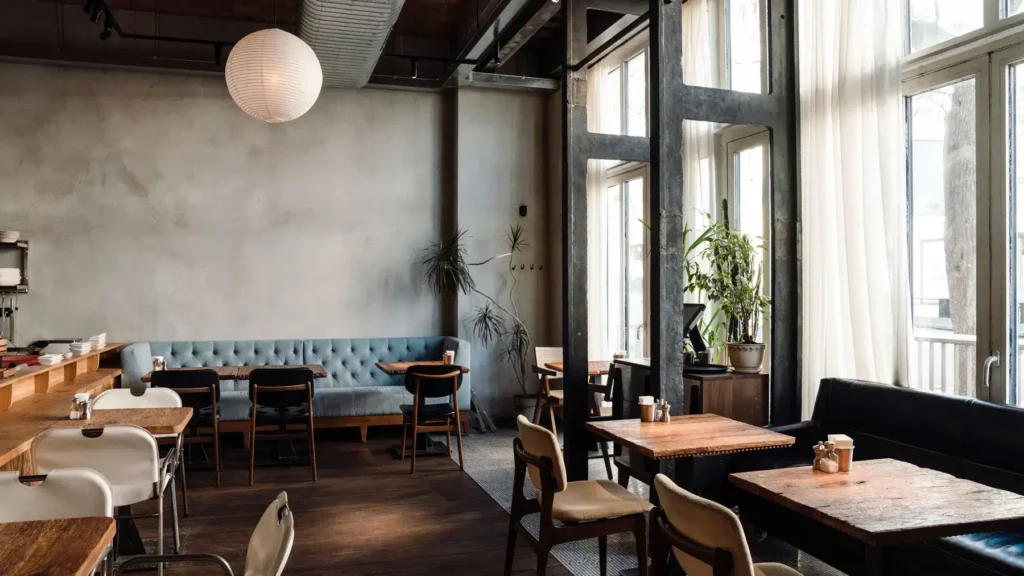
Top Coffee Shop Chains vs. Local Cafés
When selecting a coffee shop, individuals often face a choice between well-established coffee chains and independent local cafés. Both options present distinct advantages and disadvantages that cater to varying preferences of consumers.
Coffee chains, such as Starbucks, Dunkin’, and Peet’s, are renowned for their consistency in product quality and service. These establishments typically offer a standardized menu featuring a variety of coffees, teas, and pastries, allowing customers to know precisely what to expect with each visit. Chain shops often employ advanced technology for order management and inventory, reducing wait times and enhancing customer service. Additionally, larger chains have the financial resources to invest in marketing and promotions, leading to frequent deals that attract and retain customers.
On the other hand, local cafés present a unique alternative that many coffee enthusiasts appreciate. Independent coffee shops often pride themselves on crafting their offerings with a sense of individuality. They may feature specialty brews sourced from local roasters or small-batch producers, which allows them to present exceptional flavors not typically found in chain establishments. Moreover, local cafés frequently emphasize community engagement, hosting events or showcasing local artists, which creates an ambiance of belonging and support.
However, the unpredictability associated with local cafés can be a drawback; variations in product quality, service times, and availability may occur from one visit to another. This inconsistency can deter those who value a reliable experience. Nonetheless, for many patrons, the charm and character of a local coffee shop outweigh these uncertainties, making it a favored choice for those seeking a personalized experience.
In conclusion, the decision between a coffee chain and a local café ultimately hinges on individual preferences for consistency versus uniqueness. Each option offers its own set of benefits, significantly impacting the coffee-drinking experience.
How to Leverage Technology for Finding Nearby Coffee Shops
In today’s digital age, technology plays a pivotal role in helping coffee enthusiasts discover the perfect coffee shop nearby. Various applications and websites are designed to enhance your coffee shop search experience, allowing you to seamlessly find new venues. One of the most effective tools is the use of smartphone applications. Numerous coffee-specific apps enable users to filter their search based on ratings, types of coffee, and even ambiance. For example, platforms like Yelp and Google Maps not only provide directions using GPS technology but also offer user-generated reviews that can guide you in making informed decisions.
Moreover, harnessing social media can exponentially expand your search for nearby coffee shops. Platforms such as Instagram and Facebook have become invaluable resources for discovering local gems. Many coffee shops maintain active profiles, sharing photos of their products and updates on special offers that capture the interest of potential customers. By searching hashtags like #CoffeeShop (your local area) or browsing profile pages, users can stumble upon hidden spots that may not be listed on traditional apps.
Community engagement also plays a significant role in this technological quest. Websites like Google Maps allow users to leave reviews and star ratings, aiding in the collective knowledge of quality coffee shops in the vicinity. Users can utilize the search functions by typing in specific queries, such as “best coffee near me” or “top-rated espresso in (your location),” to yield effective results. Ultimately, combining GPS features with social media insights and community reviews enhances your experience in locating the ideal coffee shop effortlessly.
The Importance of Reviews and Ratings
When searching for the perfect coffee shop, customer reviews and ratings are invaluable resources that can significantly influence your choice. These evaluations provide insights into the experiences of previous patrons, allowing prospective customers to gauge the overall quality and atmosphere of the shop before setting foot inside. By examining both ratings and detailed reviews, you can develop a more comprehensive understanding of what to expect.
Ratings, typically expressed through a scoring system, serve as a quick reference point. A higher score often indicates exceptional service, quality beverages, and a pleasant environment. However, interpreting these ratings requires a critical approach. It is essential to consider the number of reviews contributing to a score; a coffee shop with a high rating but only a few reviews may not be as reliable as one with a solid score from a larger customer base.
Moreover, the significance of recent reviews cannot be overstated. Trends in service quality can change over time due to shifts in management, staffing, or supplier quality. Thus, focusing on the latest feedback is crucial for understanding the current state of the coffee shop experience. Try to look for patterns within these reviews that resonate with your preferences; for example, if you value a quiet atmosphere conducive to studying, seek comments that specifically mention this aspect.
Furthermore, individual preferences play a significant role in how you interpret reviews. One person’s negative experience might not align with your expectations or needs. Therefore, while reviews can be helpful, they should be considered as part of a broader evaluation process, combining personal preferences with collective feedback from fellow coffee enthusiasts.
Specialty Coffee Trends to Explore
The coffee industry has seen notable transformations in recent years, leading to a rise in specialty coffee trends that enthusiasts may find intriguing. One significant trend is the increasing popularity of single-origin coffee. This type of coffee is sourced from a specific region or farm, allowing consumers to experience distinct flavor profiles that reflect the unique terroir. Coffee shops that focus on single-origin offerings often provide information about the growers and the specific conditions influencing the beans, enriching the overall coffee tasting experience.
Another emerging trend involves sustainable practices within the coffee supply chain. Consumers are becoming more conscious of their environmental impact, prompting coffee shops to prioritize sourcing practices that support ethical farming and shade-grown coffee. Purchasing from suppliers who adhere to Fair Trade or Rainforest Alliance certifications can assure patrons that their selections are contributing to responsible environmental and social efforts.
Unique brewing methods are also capturing the attention of coffee lovers everywhere. Techniques such as pour-over, cold brew, and Aeropress have surged in popularity, allowing baristas to showcase their craftsmanship and provide customers with an opportunity to explore varied flavor characteristics. Each brewing method can drastically alter the taste profile, making visits to local coffee shops a learning experience. Coffee enthusiasts are encouraged to engage with baristas and seek recommendations tailored to their preferences, thus expanding their palate.
As specialty coffee trends continue to evolve, consumers are encouraged to explore new offerings and to appreciate the artistry involved in coffee-making. This ongoing quest for knowledge and experience sets the foundation for a deeper understanding of coffee, transforming casual drinkers into passionate aficionados.
Creating Your Own Coffee Shop Experience at Home
Replicating your favorite coffee shop experience at home can be both delightful and rewarding. To begin, selecting the right coffee beans is essential. Consider sourcing high-quality, freshly roasted beans that align with your flavor preferences, whether you appreciate the boldness of dark roasts or the subtle notes of light roasts. Exploring local roasters or specialty shops can provide access to unique blends that are harder to find in mass-produced options. Additionally, experimenting with single-origin coffees can enhance your palette’s breadth, offering distinct flavor profiles that transport you to their origin.
Next, your brewing technique plays a critical role in achieving that cafe-style beverage. Invest in a reliable coffee brewing method such as a French press, pour-over, or espresso machine depending on your desired outcome. For a smooth experience, ensure you measure your coffee-to-water ratio accurately; typically, a standard ratio is 1:15. Pay attention to water temperature as well; using water that is too hot can extract bitterness, while too cool water may not extract enough flavor. In this manner, you are mimicking the precision found in coffee shops.
Creating the right ambiance is the final touch that can elevate your home coffee experience. Consider setting up a dedicated coffee corner in your home where you can prepare your brews. Use soft lighting, perhaps a small plant, or artwork that reflects the aesthetic of your favorite local cafe. Additionally, curating a playlist of soothing music can emulate the auditory backdrop of a bustling coffee shop, enhancing your sensory experience. By thoughtfully combining these elements—quality beans, precise brewing methods, and a cozy atmosphere—you can easily recreate your own personal coffee haven that rivals any local establishment.
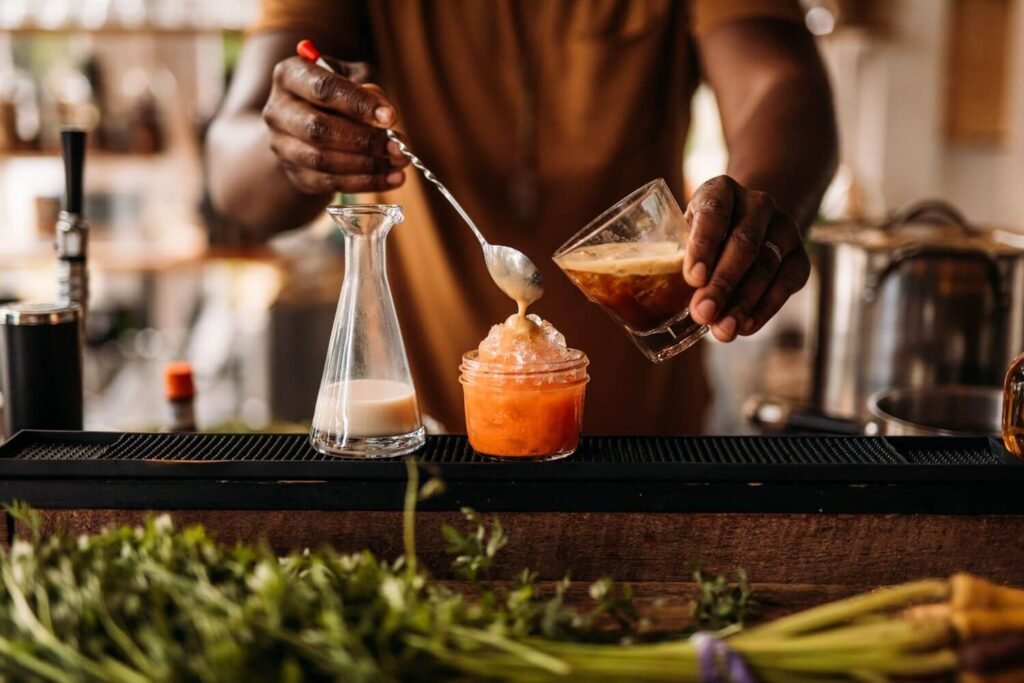
Interacting with Baristas and Building Relationships
Engaging with the baristas and staff at your local coffee shop can significantly enhance your overall coffee experience. Coffee shops serve as more than just a space to obtain your daily caffeine fix; they are communal hubs where relationships can blossom through meaningful interactions. Building rapport with baristas enables a two-way exchange of information and preferences that can lead to personalized recommendations, thereby enriching your journey in exploring various coffee flavors and brewing methods.
Baristas are often knowledgeable about the intricacies of different beans, roasting methods, and brewing techniques. By communicating with them, you not only show appreciation for their craft but also open the door to invaluable insights. Asking questions about the origin of the coffee, seasonal blends, or their favorite brew methods can foster a deeper understanding and connection to your drink. These discussions often lead to discovering new flavors or hidden gems on the menu that you might not have otherwise considered.
Furthermore, regular visits to the same coffee shop and engaging with its staff can cultivate familiarity and trust. When a barista recognizes you, they are likely to remember your preferences, allowing them to tailor recommendations that suit your tastes with greater accuracy. This personalized service creates a sense of belonging, transforming a mere visit into a nurturing experience.
Establishing such connections is beneficial not only for the customer but also for the baristas. They appreciate patrons who take the time to engage positively and can offer their insights and expertise. Thus, by fostering relationships, you enrich your coffee experience while supporting the dedicated individuals behind the counter. A strong community bond is essential for creating a welcoming atmosphere where both customers and baristas thrive.
Conclusion: Your Coffee Adventure Awaits
In summary, finding the perfect coffee shop goes beyond simply seeking a place for a caffeine boost; it is about embarking on a delightful journey through local coffee culture. This guide has provided you with essential tips for discovering coffee establishments that resonate with your taste preferences. Whether you are in search of that cozy nook for a quiet read or an energetic café bustling with creativity, the choices available are vast and varied.
Begin your quest by exploring your immediate vicinity. Utilize online platforms and local directories to identify coffee shops that pique your interest. Pay attention to reviews and ratings, but also don’t hesitate to seek personal recommendations from friends and family. After all, locals often hold the best insights into hidden gems.
Once you have selected a shop, take the opportunity to immerse yourself in its ambiance. Engage with the baristas and staff, as they can offer recommendations tailored to your preferences. Often, the people behind the coffee counter are just as passionate about the craft as you are, and their knowledge can enhance your experience significantly.
Furthermore, consider exploring various neighborhoods, as each may offer its unique twist on coffee culture. Sampling diverse brewing styles, from pour-overs to espressos, reveals not just the coffee itself but also the stories and efforts behind each cup. Embrace the journey and the chance to experience as many local coffee shops as possible; each visit can shape your appreciation for the art of coffee.
As you set out on this adventure, remember that your journey can be as enjoyable as the destination. Happy coffee hunting, and may you find your next favorite coffee shop just around the corner!