Author: Bryan Cunningham

  • Why an Access Control System Alone is Not Enough for Comprehensive Security

    Why an Access Control System Alone is Not Enough for Comprehensive Security

    In the quest for robust security, businesses and organizations often turn to access control systems as the frontline defense against unauthorized access to physical and digital spaces. While these systems play a crucial role in safeguarding assets and personnel by regulating who can enter or use resources, relying solely on them is akin to setting a strong lock on a flimsy door. This article explores why an access control system, despite its significance, is insufficient on its own and needs to be part of a more comprehensive security strategy.

    The Limitations of Access Control Systems

    1. Single Point of Failure: Access control systems, when operating in isolation, represent a single point of failure. Skilled intruders, whether through physical tampering or cyber-attacks, can exploit vulnerabilities in the system to gain unauthorized access, thereby compromising the entire security apparatus.
    2. Lack of Comprehensive Coverage: These systems typically focus on entry points or critical assets but may overlook other areas that also require protection. Comprehensive security necessitates surveillance and protection measures that cover the entirety of a facility or network, including less obvious points of vulnerability.
    3. Reactive, Not Proactive: Access control systems are inherently reactive; they respond to access requests but do little to proactively identify or mitigate potential threats that have not yet interacted with the system. Without additional security layers, there’s a missed opportunity to prevent threats before they reach access points.

    Complementing Access Control with a Layered Security Approach

    1. Surveillance Systems: Integrating surveillance cameras and motion detectors with access control enhances security by providing real-time monitoring and recording capabilities. This combination allows for the verification of access events and the identification of suspicious activities around restricted areas.
    2. Intrusion Detection Systems: For digital networks, pairing access control with intrusion detection systems (IDS) offers a more robust defense against cyber threats. While access control regulates entry, IDS monitors network traffic for suspicious activities, offering an added layer of security against malware and hackers.
    3. Physical Barriers: Beyond electronic access control, physical barriers such as fencing, bollards, and reinforced doors add a tangible layer of protection. These barriers serve as deterrents and delay tactics against intruders, buying crucial time for response teams.
    4. Employee Training and Awareness: Human error remains one of the largest security vulnerabilities. Training employees on security protocols, awareness of social engineering tactics, and the importance of maintaining security hygiene complements technical measures by reducing the risk of insider threats and inadvertent breaches.
    5. Regular Audits and Updates: Security systems are not set-and-forget solutions. Regular audits and updates ensure that access control systems and their complementary measures are functioning optimally and are updated to defend against evolving threats.

    The Importance of a Comprehensive Security Mindset

    Security is a complex challenge that requires a multifaceted approach. An access control system, while vital, is just one component of what should be a layered defense strategy. The integration of physical and digital security measures, along with a culture of security awareness, creates a resilient infrastructure that can adapt to and mitigate a wide array of threats.

    In conclusion, while access control systems are indispensable to modern security strategies, they cannot stand alone. By recognizing their limitations and integrating additional security measures, organizations can create a more fortified and resilient defense against the myriad of threats in today’s complex landscape. Security is not just about controlling access; it’s about creating an environment where safety, privacy, and peace of mind can flourish.

  • 10 Eye Health Tips to Keep Your Vision Clear and Bright

    10 Eye Health Tips to Keep Your Vision Clear and Bright

    The human eye is an incredibly complex, delicate, and vital organ. Our vision is the primary sense through which we perceive the world, making eye health a topic of significant importance. Despite this, eye care is often overlooked until problems arise. In this comprehensive guide, we’ll explore 10 essential eye health tips that can help maintain clear vision and prevent future complications.

    1. Understand Your Family Eye Health History

    Knowing your family’s eye health history is crucial. Many eye diseases, such as glaucoma and macular degeneration, are hereditary and often go unnoticed until irreversible damage has occurred. By understanding your genetic predisposition, you can take proactive steps to monitor your eye health and seek appropriate medical guidance before symptoms manifest.

    2. Schedule Regular Eye Examinations

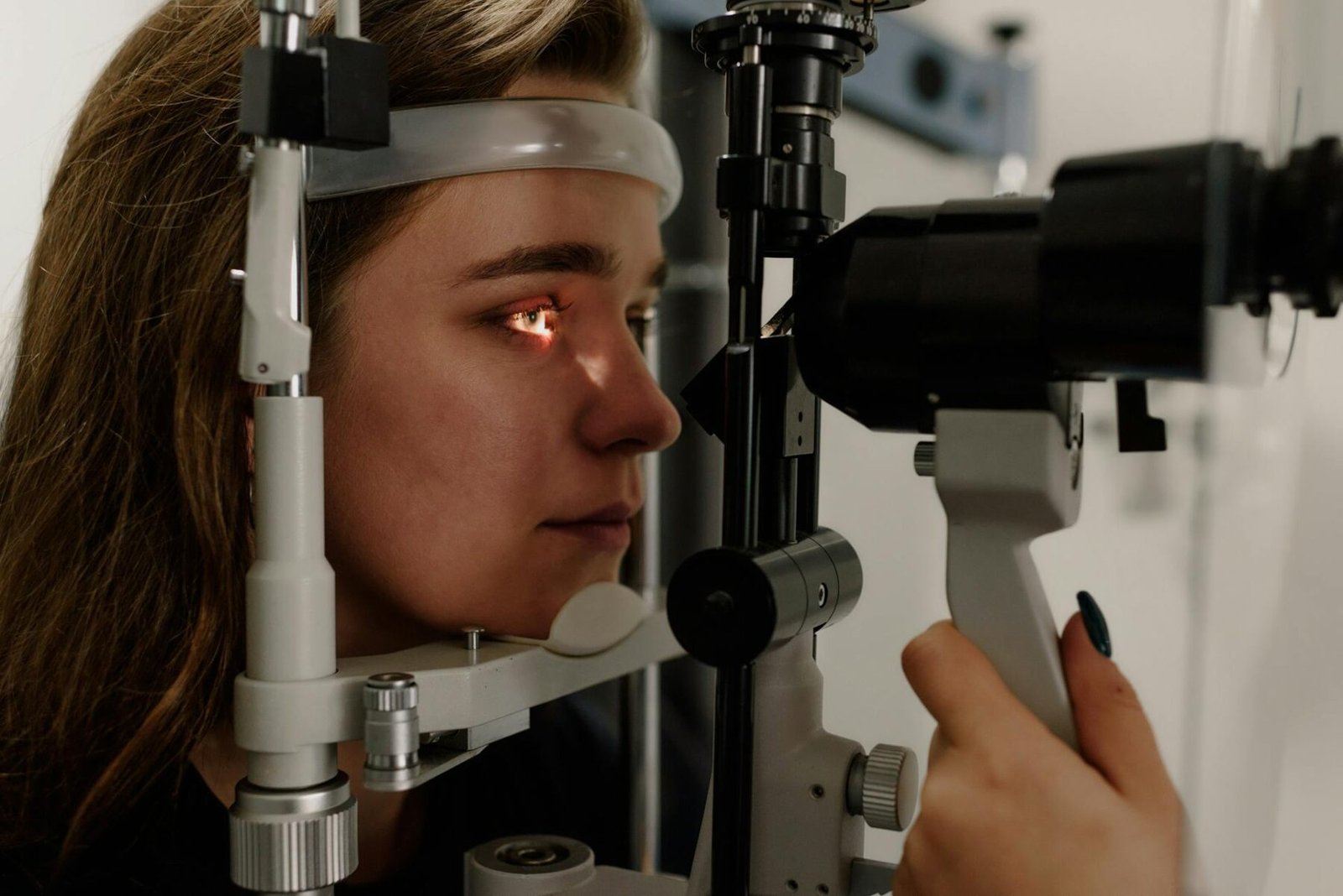
    Regular eye exams are not only for individuals with existing vision problems. Comprehensive eye examinations can help detect issues in their early stages when they are most treatable. Adults should receive eye exams every two years, and those over 60 should consider annual check-ups. Eye exams can detect a wide range of problems, from refractive errors like myopia (near-sightedness) and hyperopia (farsightedness) to serious conditions like diabetic retinopathy.

    3. Protect Your Eyes from the Sun

    Ultraviolet (UV) rays from the sun can damage the eyes and increase the risk of cataracts and age-related macular degeneration. Wearing sunglasses that block 100% of UV-A and UV-B rays whenever you go out in the sun can provide your eyes with the protection they need. Additionally, wearing a wide-brimmed hat can reduce the amount of UV radiation that reaches your eyes.

    4. Adopt a Nutrient-Rich Diet for Eye Health

    Nutrition plays a significant role in maintaining good eye health. Antioxidants such as vitamins C and E, zinc, lutein, zeaxanthin, and omega-3 fatty acids are particularly beneficial. Incorporating foods like leafy greens, fish, nuts, and colorful fruits and vegetables into your diet can reduce the risk of developing macular degeneration and cataracts.

    5. Stay Hydrated and Follow a Healthy Lifestyle

    Dehydration can lead to dry eyes, a condition that can cause discomfort and lead to more serious issues if left untreated. Staying hydrated by drinking plenty of water can help maintain adequate tear production and prevent dry eyes. Additionally, avoiding smoking and excessive alcohol consumption can significantly reduce the risk of developing age-related macular degeneration.

    6. Practice Good Screen Habits

    In the modern digital age, we spend a significant amount of time looking at screens, whether it’s a computer, smartphone, or television. This can contribute to a condition known as digital eye strain, or computer vision syndrome. To reduce the impact on your eyes, follow the 20-20-20 rule: every 20 minutes, look at something 20 feet away for at least 20 seconds. Adjusting your screen’s position to minimize glare and using proper lighting can also help.

    7. Protect Your Eyes at Work and Home

    In addition to screen-related precautions, protecting your eyes at home and during activities that pose a risk of eye injury is critical. Wear protective eyewear when using power tools, playing certain sports, or participating in activities that could lead to eye trauma. An ounce of prevention is worth a pound of cure where your eyes are concerned.

    8. Be Aware of Your Eye’s Hygiene

    Practicing good eye hygiene can protect against infections and reduce the likelihood of irritation. Always wash your hands before touching your eyes or any eye-related products like contact lenses. Never share your contacts or solution with others, and replace your lenses and storage cases as directed by your eye care professional.

    9. Exercise Regularly to Promote Overall Health

    Regular physical activity can lower the risk of some eye diseases by up to 70%. Exercise helps to regulate your blood pressure, control blood sugar levels, and prevent obesity all of which are linked to an increased risk of eye problems. Aim for at least 150 minutes of moderate exercise per week, which may include walking, swimming, or cycling.

    10. Follow Doctor’s Orders and Seek Immediate Attention

    If you are diagnosed with an eye condition or prescribed medication or treatment, it’s vital to follow your doctor’s instructions rigorously. This includes attending all scheduled appointments, adhering to the prescribed medication regimen, and following any recommended lifestyle or dietary changes. Additionally, if you experience sudden changes in your vision, eye pain, or signs of infection, seek immediate medical attention.

    With these eye health tips in mind, you can take actionable steps to preserve your vision and enjoy a lifetime of clear, vibrant sight. Remember that your eyes, much like the rest of your body, require regular care, attention, and protection. Implementing these guidelines can significantly contribute to your overall well-being and quality of life, allowing you to see the world with the clarity and brilliance it offers.

  • How Often Should You Clean Your Gutters?

    How Often Should You Clean Your Gutters?

    Gutters play a vital role in protecting your home from water damage by channeling rainwater away from the roof and foundation. However, neglecting gutter maintenance can lead to clogs, overflow, and potential damage to your property. One common question among homeowners is how often they should clean their gutters to ensure optimal performance and prevent costly repairs. In this article, we’ll explore factors that influence gutter cleaning frequency and provide guidelines to help homeowners determine the ideal schedule for gutter maintenance.

    Factors Influencing Gutter Cleaning Frequency:

    1. Surrounding Vegetation: The amount of vegetation surrounding your home directly impacts the rate at which debris accumulates in your gutters. Trees with overhanging branches shed leaves, twigs, and seeds that can quickly clog gutters, especially during the fall season. Homes located in densely wooded areas may require more frequent gutter cleaning compared to properties with minimal vegetation.
    2. Climate and Weather Patterns: Climate and weather conditions play a significant role in determining how often gutters should be cleaned. In regions with heavy rainfall or frequent storms, gutters are more susceptible to debris buildup and clogs. Additionally, homes in areas prone to high winds may experience increased debris accumulation in gutters. Understanding the local climate and weather patterns can help homeowners anticipate the need for more frequent gutter cleaning.
    3. Roof Pitch and Design: The pitch and design of your roof can influence the rate at which debris accumulates in your gutters. Steeply pitched roofs shed debris more quickly than flat or low-pitched roofs, leading to faster gutter clogs. Additionally, roof features such as valleys, dormers, and skylights may contribute to debris accumulation in gutters. Homes with complex roof designs may require more frequent gutter cleaning to prevent blockages and overflow.
    4. Previous Maintenance History: The frequency of previous gutter cleaning and maintenance also influences how often gutters should be cleaned in the future. If gutters have been neglected for an extended period, they may have significant debris buildup and require more intensive cleaning. Regular maintenance, performed on an annual or bi-annual basis, helps prevent excessive debris accumulation and prolongs the lifespan of your gutter system.

    Guidelines for Gutter Cleaning Frequency:

    Based on the factors mentioned above, here are some general guidelines to help determine how often you should clean your gutters:

    1. Annual Cleaning: It’s recommended to clean your gutters at least once a year, preferably in the late spring or early fall. Annual gutter cleaning helps remove accumulated debris, leaves, and sediment, ensuring proper drainage and preventing water damage to your home.
    2. Bi-Annual Cleaning: For homes with significant vegetation or in areas prone to heavy rainfall or storms, bi-annual gutter cleaning may be necessary. Cleaning your gutters twice a year, typically in the spring and fall, helps maintain optimal gutter performance and reduces the risk of clogs and overflow.
    3. Quarterly Cleaning: In regions with dense vegetation or severe weather conditions, quarterly gutter cleaning may be advisable. Cleaning your gutters every three months helps keep debris buildup in check and minimizes the risk of water damage to your home.
    4. Inspect After Storms: After severe storms or heavy rainfall, inspect your gutters for signs of blockages or damage. If you notice any issues, such as clogs or sagging gutters, schedule a cleaning or repair service promptly to prevent further damage.

    Regular gutter cleaning is essential for maintaining the integrity and functionality of your gutter system and protecting your home from water damage. The frequency of gutter cleaning depends on factors such as surrounding vegetation, climate, roof design, and previous maintenance history. By understanding these factors and following guidelines for gutter cleaning frequency, homeowners can ensure that their gutters remain clean, clear, and efficient in directing rainwater away from their property.

  • How To Choose the Best Blinds for Your Home

    How To Choose the Best Blinds for Your Home

    Blinds play a crucial role in enhancing the aesthetics and functionality of any living space. They offer privacy, light control, and insulation while adding style and personality to your home decor. However, with the myriad of options available in the market, selecting the best blinds for your home can be overwhelming. To help you make an informed decision, here are some essential factors to consider when choosing blinds.

    1. Assess Your Needs and Preferences: Before diving into the world of blinds, take some time to assess your specific needs and preferences. Consider factors such as the level of privacy you require, the amount of natural light you want to filter, and the overall ambiance you wish to create in each room.

    2. Determine the Purpose of Each Room: Different rooms serve different purposes, and your choice of blinds should reflect this. For instance, bedrooms may benefit from blackout blinds to promote better sleep, while living areas may require blinds that offer both privacy and light filtration without compromising on style.

    3. Measure Accurately: Proper measurements are crucial to ensure that your blinds fit perfectly and function effectively. Measure the width and height of your windows accurately, both inside and outside the frame, to determine whether an inside or outside mount is more suitable for your space.

    4. Consider the Mounting Options: Decide whether you prefer an inside or outside mount for your blinds. Inside mounts fit within the window frame, providing a sleek and streamlined look, while outside mounts are installed above the frame, covering the entire window and offering better light blockage and privacy.

    5. Choose the Right Material: Blinds are available in a variety of materials, each offering unique benefits in terms of durability, maintenance, and aesthetics. Wood blinds add warmth and sophistication to a room but may not be suitable for high-humidity areas like bathrooms. Synthetic materials such as vinyl or aluminium are durable, easy to clean, and ideal for moisture-prone environments.

    6. Test Light and Privacy Options: Before making a decision, test the light and privacy options offered by different types of blinds. Some blinds provide better light control and privacy when fully closed, while others offer adjustable slats or sheer options for diffused light. Consider how each option aligns with your preferences and the specific requirements of each room.

    7. Set a Budget: Determine your budget for blinds and explore options within your price range. While it’s tempting to opt for the cheapest option available, prioritize quality and functionality to ensure that your blinds stand the test of time. Investing in high-quality blinds may require a larger upfront cost but can save you money in the long run by reducing the need for frequent replacements.

    8. Consider Safety Features: If you have children or pets at home, prioritize blinds with safety features such as cordless operation or motorization. These features eliminate the risk of entanglement and ensure a safer environment for your loved ones.

    9. Seek Professional Advice: If you’re unsure about which blinds to choose or how to install them correctly, don’t hesitate to seek advice from professionals. Interior designers or window treatment specialists can provide valuable insights based on your home’s layout, decor style, and functional requirements.

    10. Visualize the End Result: Before making a final decision, visualize how different types of blinds will look in your space. Consider factors such as colour coordination with existing decor, the impact on natural light, and how the blinds will contribute to the overall ambiance of each room.

    Choosing the best blinds for your home requires careful consideration of your needs, preferences, and budget. By following these tips and taking the time to explore different options, you can select blinds that not only enhance the beauty of your home but also provide practicality and functionality for years to come.

  • Common Repairs Needed on a Mercedes

    Common Repairs Needed on a Mercedes

    Mercedes-Benz is known the world over for its luxury cars that offer exceptional luxury rides, performance, comfort, and style. But they are, after all, still cars, and as such, can still experience problems that call for repairs in time. Below, you’ll find some of the common repair’s owners have reported on their Mercedes and how to keep your Benz running smoothly. 

    Electrical Problems

    Many owners seeking Mercedes repair Merriam KS reported problems related to the electrical system. It’s understandable that the vehicles come with complex electrical components that control a host of functions, from navigation and entertainment to the AC and heating. In time with repeated usage, the systems naturally develop issues such as: 

    • Battery problems
    • Faulty wiring
    • Malfunctioning sensors
    • Instrument cluster failure.

    To keep electrical system issues under control, schedule a service date at least once a year with experienced, qualified techs who routinely diagnose and fix these types of problems before they escalate. 

    Suspension and Steering

    While the Mercedes line of cars is famous for their smooth ride and responsive handling, the advanced suspension and steering systems can give way as the mileage adds up. Look for problems such as: 

    • Worn or damaged control arm bushings
    • Faulty air suspension components
    • Leaking power steering fluid
    • Worn or damaged ball joints

    Unusual noises, vibrations, or handling issues can indicate that your suspension and steering systems should be inspected by a professional mechanic.

    Engine and Transmission

    At the heart of any Mercedes are the engine and transmission, and as such, can lead to expensive repairs. Owners have reported problems with the following issues: 

    • Oil leaks.
    • Coolant leaks
    • Worn or damaged timing chains
    • Transmission fluid leaks
    • Faulty transmission control modules

    By keeping up with regular maintenance, such as oil changes and transmission fluid replacements, you can be proactive in preventing these problems and, in turn, prolong the life of the engine and transmission. 

    Brake System Repairs

    Brakes are one of the most important safety systems in a vehicle. Mercedes takes pride in their excellent stopping power and control. However, brakes wear out in time and can lead to the following issues: 

    • Worn brake pads and rotors.
    • Leaking brake fluid
    • Faulty brake calipers
    • Malfunctioning ABS sensors

    Keep you and your family safe by having the brake system regularly inspected and serviced. 

    AC/Heating

    A car’s HVAC system keeps you warm in the winter and cool the rest of the year. However, smart owners should look for these issues to keep it running smoothly. 

    • Refrigerant leaks
    • Faulty compressors
    • Clogged or damaged evaporator coils
    • Malfunctioning blend door actuators

    When you notice the air is blowing the wrong temperature or, worse, not blowing at all, have it inspected and repaired by a quality mechanic.

    While Mercedes vehicles are known for their reliability and durability, they can still experience issues that require repairs over time. By staying on top of regular maintenance and addressing any problems as soon as they arise, you can keep your Mercedes running smoothly and avoid costly repairs in the future.

    If you do encounter any of the common issues discussed in this article, it’s crucial to have your vehicle inspected and repaired by a qualified Mercedes specialist. By doing so, you can ensure that your vehicle receives the best possible care and remains a reliable and luxurious mode of transportation for years to come.

  • Emphasizing the Importance of Timely BMW Repair

    Emphasizing the Importance of Timely BMW Repair

    Everyone is in a hurry these days; most people have no other choice. After all, life moves at a much faster pace than it once did. It seems like we all have to rush just to keep up. Having a vehicle that can get us where we need to go is an essential part of the process. Though some neighborhoods are walkable, most people need a reliable vehicle to be able to be able to get things done.

    Why Are Prompt Vehicle Repairs So Important?

    Of course, simply having a vehicle is only one piece of the puzzle; the bigger picture includes keeping it in top-notch condition. That means keeping up with routine maintenance. It also entails prompt BMW Repair Gulf Breeze FL. If repair needs arise, even minor ones, don’t put them off simply because your vehicle still technically runs. Have them taken care of as soon as possible. Timely vehicle repairs are important for several reasons. 

    Maintaining Optimal Performance

    One of the reasons you need to have vehicle repairs carried out as soon as you know they’re necessary is to maintain optimal performance. Though some repair needs don’t seem crucial on the surface, they can still detract from your vehicle’s efficiency, handling, power, and other aspects. For example, a malfunctioning oxygen sensor won’t cause your vehicle to break down completely, but it can make it run rough and use more fuel than it should. That’s only one possibility. BMWs are known for their performance, but putting off repairs could greatly detract from it.

    Preventing Complete Breakdowns

    Another reason to have repairs taken care of as quickly as possible is to prevent complete breakdowns. Minor issues tend to grow into major problems if they’re not addressed quickly. Small oil leaks are prime examples.

    People often ignore minor oil leaks because they’re barely noticeable. Over time, though, those leaks grow progressively worse. They can ultimately lead to engine damage. Losing a drop of oil here and there won’t cause your vehicle to break down, but depriving the engine of oil certainly will. Having that little leak taken care of as soon as it develops will keep the situation from getting out of hand. 

    Keeping Safety at the Forefront

    Safety is also a key reason to have repairs carried out promptly. Any number of minor malfunctions can cause safety issues from faulty brake lights and turn signals to scrubbing brakes and slipping transmissions. Again, though they may not prevent your BMW from running, they can cause major problems if they’re not taken care of. They can place you, your passengers, and other people on the roads in danger.  

    Saving Money

    Immediately having small repairs taken care of can save you a great deal of money in the long run too. As mentioned, even seemingly minor issues can grow into bigger ones if you’re not careful. The more extensive a problem is, the more expensive it tends to be to repair. It’s much more affordable to just have those little problems taken care of when they arise. 

    Maintaining Resale Value

    Paying attention to repair needs can also help maintain your vehicle’s resale value. BMWs generally hold their value well, but certain factors can detract from that. Ignoring maintenance and repairs is among the main culprits. Having repairs handled promptly will help keep your vehicle in optimal shape. It’ll also give you written records to show potential buyers as proof of how well you’ve taken care of the vehicle.

    Keeping Your BMW In Top-Notch Shape

    Many people ignore minor repair needs in the beginning. Most regret that decision later on when those small problems expand into major malfunctions. Quickly taking care of even the little issues is important. It’ll maintain the vehicle’s performance, prevent breakdowns, and keep you safe, so you can continue to keep up with the world. It’ll help you save money and maintain your BMW’s resale value as well, both of which will work out in your favor. 

  • Why Your Healthspan is More Important Than Your Lifespan

    Why Your Healthspan is More Important Than Your Lifespan

    Most people focus on a number when they talk about how long they would like to live. When doing so, they neglect to consider healthspan. However, doctors today are emphasizing healthspan, as they want their patients to have a good quality of life regardless of how many years they live.

    Life expectancy figures continue to climb. Today, doctors are looking at how to help individuals make the most of these years. They want patients to be in good health so they can enjoy this extra time fully. Revive MD can help.

    Lifespan Versus Healthspan

    When someone talks about lifespan, they are talking about the number of years a person will live. According to the Centers for Disease Control and Prevention, the life expectancy at birth for both sexes is 76.4 years. Men have a lower life expectancy overall, coming in at 73.5 years. Women, in contrast, are expected to live longer with a life expectancy of 79.3 years.

    Healthspan refers to the length of time a person remains disease-free in terms of those diseases related to the aging process. However, it also takes into consideration any disabilities that interfere with the person’s ability to live their life as they choose. To have the highest quality of life, a person must have their mental facilities and the ability to get around as they choose.

    What Factors Play a Role in a Person’s Healthspan?

    Genetics influence a person’s healthspan, but they are not the only factor that determines it. A person’s lifestyle choices also play a role in their overall health and quality of life, as do environmental exposures over their lifetime. There are many things a person can do to extend their healthspan.

    Methods Used to Expand Healthspan

    Men and women looking to have the highest quality of life as they age need to take steps to achieve this goal. It all starts with a healthy diet, one that is high in fruits, vegetables, healthy fats, and lean proteins. Avoid processed and fast foods and try to limit consumption of unhealthy fats for a longer healthspan.

    Exercise also helps extend healthspan. A person needs to engage in different types of exercise, including cardiovascular exercises, flexibility exercises, and strength training. Those who smoke need to quit, and every person needs to reduce the stress in their life. Meditation, yoga, and hobbies can help with this goal.

    Men and women who engage in lifelong learning tend to have a longer healthspan. They challenge their brains with mental stimulation. In addition, social connections are important as a person ages.

    Ongoing Research into Healthspan and Factors That Affect It

    Researchers continue to look into ways a person can extend their healthspan and their lifespan. Areas they are currently looking at include fasting and caloric restrictions. They are also investigating drugs known as senolytics that remove cells that are old or dysfunctional. In the future, stem cell therapies may be used to regenerate organs and tissues or gene editing must be employed to address age-related genetic pathways. However, the focus should also be on healthy lifestyle choices because they are the first defense against age-related diseases.

    No person wants to live to be 110 if they can only lie in a bed and do nothing. To avoid this situation, men and women need to prioritize a long healthspan instead of a long lifespan. Those who do so find they will live longer and be able to enjoy this extra time more.

  • 8 Engine Noises You Shouldn’t Ignore

    8 Engine Noises You Shouldn’t Ignore

    Mechanical breakdowns are some of the most frustrating challenges car owners face. We count on our vehicles every day, and a sudden ‘check engine’ light can be a troubling sight. Here, we’ll take the guesswork out of some of the most common engine sounds.

    Tapping and Knocking

    These noises are easy to ignore if they start softly. If they get louder with acceleration, there may be a problem with the valve train or oil pump. Bringing your car in for auto repair Columbus OH may prevent a minor issue from turning into a major problem.

    Banging and Clanging

    If you hear a loud banging noise from the engine, pull over immediately. By scheduling a diagnostic test now, you may prevent complete engine failure.

    Whining and Rattling

    Car engines have hundreds of moving parts, and all it takes is one loose belt to keep everything else from working. A whiny rattle may indicate a misaligned or damaged serpentine belt. If you’re not sure how to fix it, bring your vehicle in for a professional evaluation and a reliable repair.

    Squealing

    Like most of the other sounds on our list, squealing noises typically worsen if ignored—so it’s best to get them checked out quickly. A high-pitched squeal coming from the engine may be due to a loose or torn drive belt, and a skilled technician can replace or tighten it right away.

    Rough Idling

    When a vehicle idles, the engine should emit a steady rumble. When it starts to surge or threatens to stall, however, it’s time to schedule an engine diagnosis.

    Grinding and Groaning

    These noises are some of the toughest for technicians to diagnose. If your car’s engine is groaning or grinding, it may be due to loose, worn, or improperly lubricated parts. Failing brakes can make similar sounds, and our technicians can diagnose them.

    Pressurized Whistling

    Today’s vehicles need hundreds of seals and hoses to run efficiently. If any of these have a leak or a crack, you may hear a sound much like that made by a hot tea kettle. Your service technician will use the sound’s location and timing to determine the nature of the problem.

    Roaring and Rumbling

    When a car idles, it shouldn’t sound like it’s revving up for a race. Excessive noise at idle may indicate problems with internal engine pressure. Call a local service center to schedule an evaluation.

    What to Do If Your Engine is Making Noise

    If you hear noises such as those described above, don’t ignore them. While sounds and their origins may vary by vehicle make, model, and condition, they still mean that something’s wrong. By resolving problems early, you’ll save time, money, and frustration and you’ll keep your car around longer.

    That’s why we recommend preventive maintenance to our customers. When vehicles are regularly serviced and inspected, we’re more likely to catch small issues before they become complex and costly.

    While not all breakdowns are preventable, most can be avoided. When drivers acknowledge the importance of odd engine noises and other signs, they can schedule service immediately. Although repairs may be required, it’s better to bring your car in for service than it is to be stranded. Learn more about our auto repair services online or call to schedule a diagnostic appointment.

  • Active Release Techniques: Exploring a Revolutionary Development in Massage Therapy

    Active Release Techniques: Exploring a Revolutionary Development in Massage Therapy

    Massage therapy has long been used in treating various conditions. By some accounts, it first emerged more than 5,000 years ago. Over time, this field of integrative medicine has evolved and branched out in several directions. Though new approaches and techniques have been developed, some of the original, time-tested massage practices are also still in use. From anxiety and stress to chronic pain and sports injuries, countless people have found relief through this type of treatment. 

    Active Release Techniques at a Glance

    One of the more recent innovations in the field of massage therapy is the active release technique. Though it was introduced less than 50 years ago, it has already spanned the globe and become a widely used method for treating certain types of injuries and bolstering athletic performance. It’s a unique type of hands-on massage therapy that can target chronic pain and foster healing. 

    Taking a Closer Look

    ART was created as a way to address an array of musculoskeletal problems. It was initially developed by chiropractor, Dr. P. Michael Leahy in the 1980s. It revolves around both the practitioner and the patient actively participating in the treatment process. This therapy combines targeted massage and movement to treat soft tissue injuries. 

    Developing a tailored ART treatment plan for a patient begins with a massage therapist evaluating the patient’s movements. That allows the practitioner to understand the patient’s specific issues. From there, the therapist applies manual pressure to the affected areas of the patient’s body. At the same time, he or she guides the patient through a series of controlled movements. This combination of massage and movement is one of the factors that sets ART apart from other types of massage therapy.

    What Does ART Treat?

    ART can treat numerous issues, including shin splints, tendonitis, and muscle strain to name a few. It’s commonly used for soft tissue injuries and joint stiffness caused by trauma, overuse, and other factors. It can alleviate muscle and joint pain while also improving the patient’s range of motion. As mentioned earlier, ART can also help to improve athletic performance. It increases flexibility and may help to enhance muscle function and endurance. It can also reduce recovery times following certain types of injuries.

    One of the most highly touted aspects of active release techniques is their ability to treat adhesions. These are abnormal tissue connections that form between muscles, tendons, and ligaments. They commonly develop due to injuries or because of a lack of mobility after an injury. In many cases, adhesions grow worse over time. They can significantly affect the soft tissues around them, causing pain, stiffness, and other issues. ART targets adhesions to help loosen them and encourage proper healing.

    Experiencing Relief from Soft Tissue Injuries

    Although massage therapy has been around for thousands of years, it has changed and branched out over time. At this point, several types of massage therapy have been developed to target different types of issues. Active release techniques combine precise massage and movement to address adhesions and other soft tissue injuries.

    ART gives patients the benefits of professional massage therapy while allowing them to be proactive in their own recovery. As is the case with any type of massage, though, its effectiveness depends on the skill and expertise of the practitioner. With a highly trained and experienced massage therapist, ART can be an effective treatment for soft tissue injuries, reduced mobility, and other issues. 

  • 10 Reasons to Consider LASIK Surgery

    10 Reasons to Consider LASIK Surgery

    As technology advances, more people are considering laser eye surgery. If you’re not sure whether it’s worth it, you aren’t alone—many patients put the procedure off for years because of their uncertainties and fears.

    LASIK surgery allows patients to break free from the hassles of corrective lenses and see the world clearly again. Here, you’ll learn about lasik and its many benefits.

    Better Eyesight

    Improved vision is the best reason to schedule LASIK. With laser eye surgery, there’s no need for contacts or glasses and no fumbling in the dark—you’ll be able to see clearly right away.

    Easier Travel

    Have you ever taken a trip and forgotten to pack your contact lens solution, only to find none in the nearest drugstore? Do you fumble for your glasses instead of enjoying the beautiful view? LASIK makes travel easier and more convenient.

    Comfortable Cosmetics

    Have you ever foregone eye makeup because your contact lenses irritated your eyes? Or worse, have you had mascara or eyeliner on your contacts? LASIK makes cosmetics safer and easier to use, with no more tugging, dryness, or irritation to ruin your look.

    A Better, Safer, and Simpler Workday

    Wearing contacts or glasses at work is an annoyance for many and a major inconvenience for some. In many cases, jobs don’t allow workers to wear glasses or contacts! LASIK removes obstacles so you can do your best work.

    Increased Self-Confidence

    Many people who wear glasses struggle with self-esteem, feeling that they must hide behind their lenses. For many patients, the confidence gained from LASIK makes the procedure worthwhile.

    Comfortable Workouts

    Glasses and contact lenses are a real pain when exercising. Whether your glasses keep sliding down or your contacts fall out, it can be uncomfortable and inconvenient to wear corrective lenses when in the gym. With LASIK, you can ditch the vision aids and see more clearly.

    Better Health

    Unfortunately, some people can’t wear contacts or glasses. Everyone is different, and many bodies don’t react very well to corrective lenses. For instance, glasses can cause headaches, while contacts increase infection risk. With LASIK, however, these worries become a thing of the past.

    Affordability

    Many patients are reluctant to schedule LASIK because they’re concerned about the cost. The procedure, however, can help you save money compared to the continued cost of glasses, contacts, and supplies. Many patients use insurance or FSA (flexible spending account) funds to make LASIK more affordable.

    Comfort

    If you’re a contact lens wearer, you know they can be uncomfortable. With LASIK, you can leave watery, itchy, and dry eyes behind forever.

    Freedom for Life

    Physical freedom is one of the biggest reasons why people get LASIK. This revolutionary procedure gives you the freedom to enjoy life and participate in the hobbies you love. The surgery is quick, recovery is seamless, and you’ll soon be able to get back to your normal activities.

    Schedule a LASIK Consultation with Us

    LASIK eye surgery is an easy, affordable, and convenient way to get rid of contact lenses and glasses for good. With benefits like these, shouldn’t you enjoy the best life has to offer? If you’re ready for clear vision without corrective lenses, we’re here to help. Contact us for additional information or to request a no-obligation consultation with a LASIK provider.