Author: hira

  • Exploring the Potential of DIY Slip Ring Connectors in Waterproof Applications

    Exploring the Potential of DIY Slip Ring Connectors in Waterproof Applications

    Slip ring connectors play a crucial role in transmitting signals and power between stationary and rotating components in various industries and applications. When it comes to waterproof applications, the need for reliable electrical connections becomes even more critical. In this article, we will explore the potential of DIY slip ring connectors in waterproof applications, highlighting their benefits and discussing scenarios where a DIY approach can be suitable.

    Understanding DIY Slip Ring Connectors

    DIY slip ring connectors offer several advantages, including flexibility and customization options. Here’s what you need to know:

    Concept of DIY Slip Ring Connector: DIY slip ring connectors are electrical connectors that can be built or assembled by individuals or small teams. These connectors provide a cost-effective alternative to pre-manufactured options and allow for customization based on specific project requirements.

    Benefits of DIY Approach: A DIY approach to slip ring connectors offers several benefits. It allows individuals to tailor the design, size, and features of the connectors to their specific needs. DIY connectors can be more cost-effective, especially for one-off or small-scale projects. Additionally, building your own slip ring connector can be a rewarding and educational experience.

    Suitable Scenarios for DIY: DIY slip ring connectors are suitable for various waterproof applications. These can include outdoor lighting systems, marine equipment, underwater robotics, irrigation systems, and more. In situations where pre-manufactured options may not fulfill specific requirements or are cost-prohibitive, a DIY approach can be a viable solution.

    Examples of Successful DIY Projects: Many individuals and small teams have successfully built DIY slip ring connectors for waterproof applications. These projects demonstrate the potential and versatility of DIY connectors in challenging environments. From custom-built connectors for underwater drones to slip rings for outdoor surveillance systems, DIY solutions have proven their effectiveness.
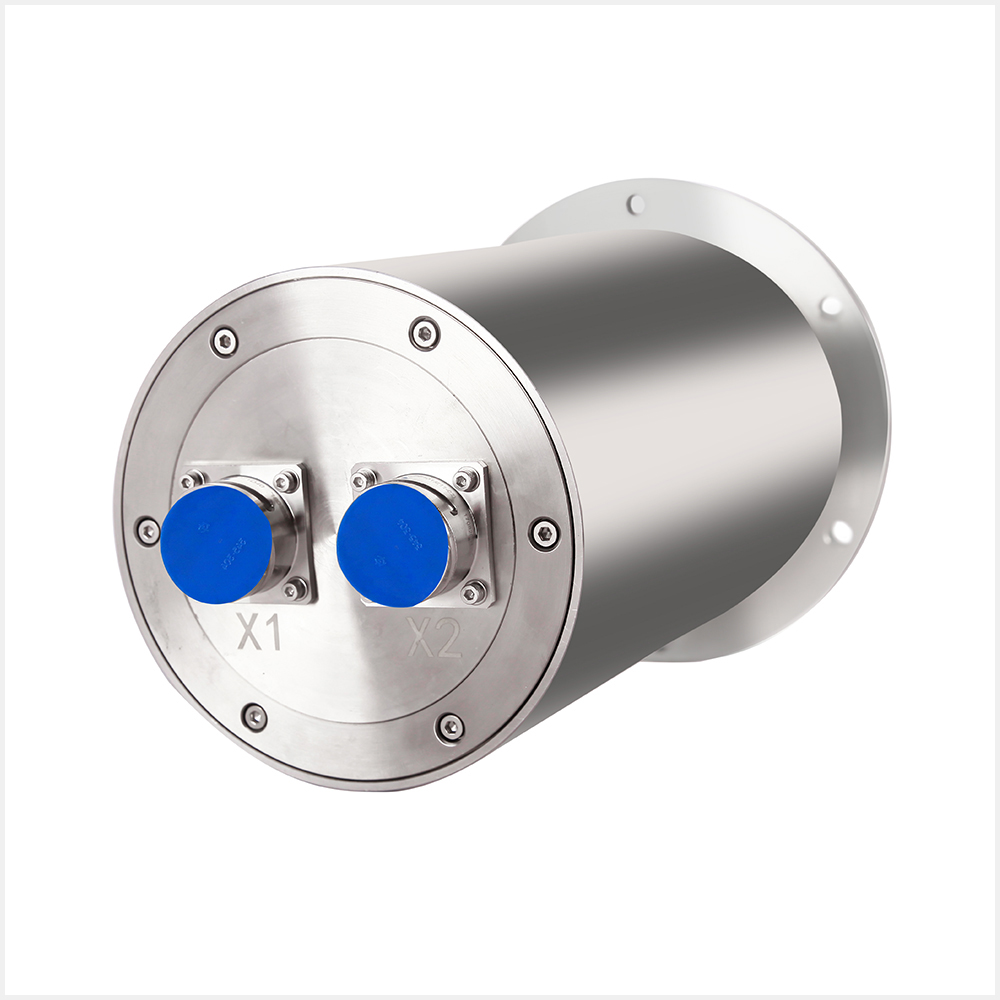
    The Advantages of Waterproof Slip Ring

    Waterproof slip rings are specifically designed to withstand exposure to water or other liquids without compromising their functionality. Here’s why they are advantageous:

    Design Characteristics: Waterproof slip rings feature design characteristics that make them resistant to moisture. They employ sealing techniques such as gaskets, O-rings, or potting compounds to prevent water ingress. Additionally, they may have higher IP (Ingress Protection) ratings to ensure adequate protection in different environments.

    Advantages in Waterproof Applications: The use of waterproof slip rings provides several advantages in applications where exposure to water or other liquids is a concern. These slip rings offer reliable and uninterrupted rotational connectivity, ensuring the integrity of electrical signals and power transmission. They protect against potential damage or malfunctions caused by moisture, thereby enhancing the overall reliability and longevity of the system.

    Real-World Scenarios: Waterproof slip rings find applications in a wide range of industries and scenarios. For example, they are commonly used in water treatment plants, offshore wind turbines, underwater exploration equipment, and amusement park rides. In each case, the waterproof slip rings enable seamless electrical connections in challenging and potentially corrosive environments.

    DIY vs. Pre-manufactured Waterproof Slip Rings

    When considering slip ring connectors for waterproof applications, it’s important to evaluate the benefits and drawbacks of both DIY and pre-manufactured options. Here’s what to consider:

    Factors to Consider: When deciding between DIY and pre-manufactured waterproof slip rings, several factors come into play. Cost is a significant consideration, as DIY options can be more cost-effective, especially for customized or one-off projects. Customizability and flexibility in design are also key factors, as DIY connectors allow for tailored solutions. Time constraints, technical expertise, and the availability of suitable pre-manufactured options should also be considered.

    Case Studies and Testimonials: To further inform your decision, it can be helpful to review case studies and testimonials from users who have chosen either DIY or pre-manufactured waterproof slip rings. These real-world experiences provide insights into the challenges, benefits, and outcomes of each approach. By studying these examples, you can gain a better understanding of how DIY slip ring connectors have been successfully employed in waterproof applications.

    Conclusion

    DIY slip ring connectors offer a versatile and cost-effective solution for waterproof applications. By understanding the benefits of a DIY approach, the advantages of waterproof slip rings, and the factors to consider when deciding between DIY and pre-manufactured options, individuals and small teams can make informed decisions. It is crucial to evaluate project requirements, constraints, and environmental conditions to determine the most suitable approach. Whether you choose to build your own slip ring connector or opt for a pre-manufactured waterproof solution, ensuring reliable electrical connections in waterproof applications is essential for seamless rotational connectivity.


  • How to Make Secondary Glazing for Sash Windows: A Step-by-Step Guide

    How to Make Secondary Glazing for Sash Windows: A Step-by-Step Guide

    Steps to Install Secondary Glazing on Sash Windows

    Measuring the Window

    Before starting the installation process, it’s essential to measure the window accurately. The measurement process is simple and straightforward. First, measure the width and height of the sash window frame. Then, measure the depth of the window frame, which is the distance between the inside face of the window frame and the glass surface.

    Once the measurements are taken, it’s important to add a few millimeters to the width and height of the frame to ensure that the glazing sheet fits perfectly. The additional millimeters will also allow for the insertion of the glazing sheet and the fitting of the beading.

    Cutting the Glazing Sheet

    The next step is to cut the glazing sheet to the correct size. It’s essential to use a high-quality, clear plastic glazing sheet that is suitable for secondary glazing. The sheet should be cut to the same size as the window frame, including the additional millimeters added during the measurement process.

    To cut the glazing sheet, place it on a flat surface and use a sharp knife or a pair of scissors to cut along the marked lines. Ensure that the edges are smooth and straight to ensure a perfect fit.

    Securing the Glazing Sheet

    Once the glazing sheet is cut to size, it’s time to secure it to the window frame. The first step is to clean the window frame thoroughly to ensure that the adhesive tape sticks properly. Then, apply the adhesive tape around the edges of the window frame, leaving a gap of a few millimeters between the tape and the frame.

    Next, carefully place the glazing sheet onto the adhesive tape, ensuring that it is centred and level. Press the sheet firmly onto the tape to ensure a secure fit. Finally, install the beading around the edges of the glazing sheet to hold it in place.

    According to Sash Window Refurbish, with these simple steps, anyone can install secondary glazing on sash windows quickly and easily. It’s an affordable and effective way to improve insulation, reduce noise, and enhance the overall comfort of any room.

    Maintaining Secondary Glazing on Sash Windows

    Maintaining secondary glazing on sash windows is important to ensure that it continues to function properly and provide the desired benefits. Here are some tips on how to maintain secondary glazing on sash windows:

    Cleaning

    Regular cleaning of the secondary glazing is important to keep it looking good and functioning properly. Use a soft cloth and a mild detergent to clean the surface of the glazing. Do not use abrasive cleaners or materials that could scratch the surface.

    Lubrication

    Lubrication is important to ensure that the moving parts of the secondary glazing operate smoothly. Use a silicone-based lubricant on the tracks and rollers to reduce friction and keep the glazing moving freely.

    Inspection

    Regular inspection of the secondary glazing is important to identify any issues before they become major problems. Check for any signs of damage, such as cracks or chips in the glazing, or wear and tear on the tracks and rollers.

    Repairs

    If any damage is identified during inspection, it should be repaired as soon as possible to prevent further damage or issues with the operation of the secondary glazing. Small chips or cracks can often be repaired using a specialist repair kit, but larger damage may require replacement of the glazing or other components of the secondary glazing system.

    By following these tips for maintaining secondary glazing on sash windows, homeowners can ensure that their secondary glazing continues to provide the desired benefits for years to come.

    Potential Issues and Solutions

    When installing secondary glazing for sash windows, there are a few potential issues that may arise. However, with proper planning and preparation, most of these issues can be easily solved.

    Issue 1: Condensation

    One of the most common issues with secondary glazing is the buildup of condensation between the primary and secondary windows. This can occur when there is inadequate ventilation or when the seal between the two windows is not tight enough.

    To prevent condensation, it is important to ensure that there is adequate ventilation in the room. This can be achieved by installing trickle vents or by opening windows periodically. Additionally, the seal between the two windows should be tight enough to prevent air from escaping, but not so tight that it prevents air circulation.

    Issue 2: Noise Reduction

    While secondary glazing can significantly reduce noise levels, it may not completely eliminate all external noise. This can be particularly problematic if the windows are located in a noisy area.

    To address this issue, it may be necessary to install thicker or laminated glass, or to add additional layers of secondary glazing. Additionally, soundproof curtains or blinds can be installed to further reduce noise levels.

    Issue 3: Aesthetics

    Secondary glazing can sometimes detract from the aesthetics of a room, particularly if the windows are not installed properly or if the frames do not match the existing windows.

    To address this issue, it is important to choose secondary glazing that matches the existing windows as closely as possible. Additionally, the frames should be installed flush with the existing windows to minimize any visual impact.

    Overall, while there are a few potential issues that may arise when installing secondary glazing for sash windows, most of these issues can be easily solved with proper planning and preparation.

  • 5 Benefits of Migrating from Paper to Software in Construction Management

    5 Benefits of Migrating from Paper to Software in Construction Management

    As part of today’s technology-driven world, construction industry professionals are adapting to digital processes by transitioning away from paper processes towards software-based ones.

    This transition brings many benefits related to efficiency, accuracy, and collaboration – so if traditional methods still dominate in your practice, then now may be an opportune time to investigate digital tools as part of construction management strategies.

    Want to continue learning about construction management software? Check out this expert guide from the specialists at Bridgit.

    Benefit #1 — Gain Efficiency

    Adopting software-based project management increases efficiency by streamlining workflows and centralizing project data in one central place for easy management and access, and automating budget tracking provides real-time updates of expenses incurred across your projects, saving both time and ensuring accurate financial tracking throughout.

    Benefit #2 — Collaboration Improvement

    Collaboration is vitally important when undertaking construction projects involving architects, contractors, and homeowners.

    Software-based project management facilitates effective collaboration through real-time communication and feedback sharing; virtual collaboration apps provide quick access to project documents from any location – helping improve communication speeds up decision-making processes while keeping all involved informed and aligned throughout.

    Benefit #3 — Improved Accuracy

    Software solutions play an essential part in construction management. CAD programs enable precise measurements and early identification of design flaws; Building Information Modeling (BIM) tools simulate real-life interactions to detect issues before construction begins; virtual walkthroughs using AR/VR provide visual representations of projects to guarantee accuracy while decreasing errors.

    Benefit #4 — Cost Savings

    Making the switch to software solutions leads to cost-cutting measures in multiple ways. Efficient workflows reduce time wastage and maximize resource allocation; accurate budget tracking prevents overspending while helping control project costs; early detection of design flaws saves costly rework expenses; overall, digital tools increase project efficiency and productivity leading to cost savings of thousands.

    Benefit #5 — Easy Access and Security

    Cloud-based file storage systems offer convenient, real-time access to project documents from any location – saving both time and ensuring data can only be accessed by authorized individuals. Mobile construction apps enable on-site workers to report progress quickly, streamlining reporting practices while increasing communication across teams.

    Adopting digital tools in construction management gives companies an advantage in today’s rapidly advancing industry, as digitalization brings efficiency, accuracy, collaboration, and forward-thinking capabilities, increasing productivity while providing more significant customer satisfaction.

    Embracing these digital tools gives a competitive edge compared with competitors that don’t – giving the digitally adept construction management companies an advantage both now and into the future.

    5 Benefits of Migrating from Paper to Software in Construction Management — Conclusion

    As is evident from this analysis, switching from paper-based construction management systems to software has many advantages for any organization involved with construction management.

    Migrating from paper to digital means increased efficiency, accuracy, collaboration and cost savings while digital tools help companies streamline workflows, enhance communication channels and make data-driven decisions for project completion more efficiently. Technology plays an integral part of success within today’s construction industry ensuring a competitive advantage and seamless project execution.

  • Family Lawyers & Personal Injury Lawyers: A Complete Guide

    Family Lawyers & Personal Injury Lawyers: A Complete Guide

    In times of legal matters, it becomes imperative to have the presence of adept professionals who can offer invaluable guidance and expert representation. Family lawyers and personal injury lawyers are professionals with distinct expertise, specializing in separate domains of law.

    In this complete guide, we will explore the roles, responsibilities, and importance of family lawyers and personal injury lawyers in various legal matters.

    Family Lawyers: Protecting Family Interests

    Family lawyers are legal professionals who specialize in handling legal issues that revolve around family relationships. Their central emphasis revolves around offering legal counsel, representation, and assistance to individuals and families, particularly during times of sensitivity and emotional strain. Here are some key aspects of family law and the role of family lawyers:

    1. Divorce and Separation

    The role of Family Lawyer Ottawa is pivotal as they guide individuals through the intricate process of divorce or separation. They assist in negotiating settlements regarding property division, child custody, visitation rights, and spousal support. Family lawyers aim to protect the interests of their clients while promoting fair and amicable resolutions whenever possible.

    2. Child Custody and Support

    When it comes to matters concerning child custody and support, family lawyers play a vital role in assisting parents in navigating intricate legal proceedings, ensuring that the best interests of the children involved are safeguarded. They work towards establishing custody arrangements, visitation schedules, and fair child support obligations.

    3. Adoption and Guardianship

    Family lawyers assist individuals and families in navigating the legal process of adoption and guardianship. Family lawyers offer guidance on essential legal requirements, facilitate the completion of necessary paperwork, and provide representation during court proceedings. Their aim is to ensure full compliance with all pertinent laws and regulations.

    4. Domestic Violence and Restraining Orders

    Family lawyers play a critical role in cases involving domestic violence or the necessity for restraining orders. They actively provide legal protection and passionately advocate for the safety and well-being of their clients. Family lawyers play a crucial and impactful role in providing essential support to victims of domestic violence. They offer invaluable assistance in helping individuals secure restraining orders and navigate the legal journey with compassion and expertise. By extending unwavering guidance throughout the entire legal process, these lawyers play a pivotal role in empowering victims and safeguarding their rights. Through their efforts, family lawyers make substantial contributions to the well-being and security of both the victims and their families.

    5. Prenuptial and Postnuptial Agreements

    Family lawyers support couples in the creation and negotiation of prenuptial and postnuptial agreements. These agreements delineate the allocation of assets and financial responsibilities in the. unfortunate event of divorce or separation. These agreements provide clarity and protect the interests of both parties involved.

    Personal Injury Lawyers: Seeking Compensation and Justice

    Personal injury lawyers specialize in championing the rights of individuals who have suffered injuries or harm due to the negligence or misconduct of others. Their unwavering dedication is directed towards securing fair and just compensation for their clients, addressing the injuries and damages they have endured. Here are some key aspects of personal injury law and the role of personal injury lawyers:

    1. Accidents and Injuries

    Personal injury lawyers are adept at handling a diverse array of cases encompassing accidents and injuries, which may encompass car accidents, workplace incidents, slip and fall accidents, medical malpractice, and product liability issues. Personal injury lawyers conduct thorough investigations, compile evidence, and construct compelling cases with the aim of pursuing compensation for medical expenses, lost earnings, emotional distress, and various other forms of damages.

    2. Insurance Claims

    When engaging with insurance companies, personal injury lawyers act as staunch advocates for their clients, ensuring equitable treatment and striving to secure the highest possible compensation. They negotiate with insurance adjusters, review policy terms, and navigate the complex claims process, protecting the rights and interests of their clients.

    3. Wrongful Death

    In tragic cases of wrongful death, personal injury lawyers provide compassionate support to grieving families. Personal injury lawyers initiate legal proceedings against liable parties in pursuit of justice and recompense for the loss of a beloved family member. This can encompass claims for medical expenses, funeral costs, and financial support.

    4. Legal Representation and Litigation

    Personal injury lawyers are experienced in representing their clients in court if a fair settlement cannot be reached through negotiations. They present compelling arguments, examine witnesses, and advocate for their clients’ rights to ensure a favorable outcome.

    5. Legal Advice and Guidance

    Ottawa Personal Injury Lawyers offer invaluable legal counsel and guidance to individuals who are seeking rightful compensation for their injuries. They assess the merits of the case, explain the legal process, and offer realistic expectations, empowering clients to make informed decisions throughout the legal proceedings.

    Conclusion

    Family lawyers and personal injury lawyers play crucial roles in their respective areas of specialization. Family lawyers focus on protecting family interests during divorce, child custody disputes, adoption, and domestic violence cases. Conversely, personal injury lawyers tirelessly pursue justice and equitable compensation on behalf of individuals who have sustained injuries as a result of accidents, negligence, or wrongful acts. By engaging the services of these legal professionals, individuals and families can navigate complex legal matters with confidence, knowing that their interests are being represented and protected.

  • Common Height Safety Mistakes Made by Businesses

    Common Height Safety Mistakes Made by Businesses

    When it comes to ensuring the safety of workers, height safety is a critical aspect that businesses must prioritize. In Australia, where numerous industries involve working at heights, it is essential for companies to be aware of the common mistakes that can compromise the well-being of their employees. By understanding and rectifying these errors, businesses can create a safer work environment and prevent accidents. Let’s delve into some of the most prevalent height safety mistakes made by businesses in Australia.

    Lack of Proper Risk Assessment: One of the primary mistakes made by businesses is failing to conduct a thorough risk assessment before commencing work at heights. A risk assessment helps identify potential hazards, evaluate their severity, and determine appropriate control measures. Neglecting this crucial step can lead to unforeseen dangers and accidents that could have been prevented. Don’t worry, third-party companies like Workplace Access & Safety can perform risk assessments on your behalf. Doesn’t it make sense to take a proactive approach?

    Inadequate Training and Supervision: Insufficient training and supervision are significant contributors to height-related accidents. It is imperative for businesses to provide comprehensive training to their workers on safe work practices, correct equipment usage, and emergency procedures. Also, ongoing supervision and monitoring are essential to ensure that workers are adhering to safety protocols and using the appropriate equipment correctly.

    Incorrect Equipment Selection and Maintenance: Using the wrong equipment for the job or neglecting proper maintenance of height safety equipment is a grave mistake. Each work scenario requires specific equipment suited to the task, and using unsuitable equipment can increase the risk of accidents. Furthermore, regular inspection and maintenance of equipment are vital to ensure their reliability and effectiveness.

    Failure to Implement Fall Protection Systems: Another common mistake is the failure to implement fall protection systems, such as guardrails, safety nets, or personal fall arrest systems (PFAS). These systems provide an additional layer of protection and significantly reduce the risk of fatal falls. Ignoring the use of such systems can have severe consequences for both the workers and the business.

    Poor Communication and Planning: Effective communication and planning are essential for height safety. Businesses must have clear procedures and protocols in place and communicate them effectively to all workers involved. Moreover, fostering open lines of communication between workers, supervisors, and management enables the sharing of safety concerns and ensures that everyone is on the same page. Ultimately, all employees should feel comfortable enough to report concerns and problems.

    Lack of Regular Inspections and Audits: Many businesses make the mistake of neglecting regular inspections and audits of their height safety practices; these inspections help identify potential hazards, evaluate the effectiveness of existing safety measures, and make necessary improvements. By conducting frequent inspections and audits, businesses can proactively address any shortcomings and maintain a safe working environment.

    Insufficient Emergency Response Planning: What would happen if you experienced an emergency? Emergency response planning is often overlooked but is crucial for height safety. Businesses must have well-defined emergency procedures in place, including evacuation plans, first aid training, and communication protocols. Being prepared for emergencies can make a significant difference in minimizing injuries and saving lives.

    Failure to Stay Updated with Regulations: Height safety regulations are regularly updated to enhance workplace safety – do you know the latest regulation changes? Ignorance or failure to stay updated with these regulations can lead to non-compliance and increased risk for businesses. With this in mind, it’s essential for businesses to stay informed about the latest safety standards and ensure that their practices align with them.

    Don’t make these mistakes this year – stay on top of height safety concerns and lead a happy workforce!

  • Master Your Finances with a Budget Planning App

    Master Your Finances with a Budget Planning App

    In today’s fast-paced world, keeping track of our finances can be challenging. With numerous expenses, bills, and financial goals, it’s easy to lose sight of our budget. Thankfully, technology has come to our rescue with budget planning apps that simplify the process of managing our finances. In this guest post, we’ll explore the benefits of using a budget planning app and how it can revolutionize your money management. Say goodbye to financial stress and hello to financial freedom!

    The Power of a Budget Planning App

    A budget planning app is a powerful tool that helps you take control of your finances. With its intuitive features and user-friendly interface, it simplifies the process of budgeting, expense tracking, and financial planning. Let’s delve into the key advantages of using a budget planning app:

    1. Streamlined Budgeting:

    A budget planning app allows you to create and maintain a budget with ease. You can set spending limits for different categories, such as groceries, entertainment, and utilities, ensuring that you stay within your financial boundaries. The app provides real-time updates on your expenses, giving you a clear picture of where your money is going and enabling you to make informed financial decisions.

    1. Expense Tracking Made Easy:

    Gone are the days of sifting through receipts and manually inputting expenses into a spreadsheet. A budget planning app automates the process of expense tracking. Simply link your bank accounts and credit cards to the app, and it will categorize and record your transactions automatically. This feature saves you time and provides a comprehensive overview of your spending habits.

    1. Goal Setting and Tracking:

    Achieving financial goals requires planning and discipline. A budget planning app allows you to set specific financial goals, such as saving for a vacation or paying off debt. The app helps you track your progress towards these goals, offering visual representations and notifications to keep you motivated and accountable. With the app’s insights and analytics, you can make adjustments to your spending habits and ensure that you’re on track to achieve your financial milestones.

    Finding the Right Budget Planning App

    With an array of budget planning apps available, choosing the right one can be overwhelming. Here are a few factors to consider when selecting a budget planning app:

    1. User-Friendly Interface: Look for an app with an intuitive and user-friendly interface. It should be easy to navigate and offer clear instructions for setting up budgets, tracking expenses, and managing financial goals.
    2. Customization Options: Everyone’s financial situation is unique, so it’s important to find an app that allows customization. Look for an app that lets you personalize spending categories, set reminders, and customize budgeting periods to align with your needs.
    3. Compatibility and Syncing: Ensure that the app is compatible with your devices and can sync data across multiple platforms. This way, you can access and update your budgeting information on the go, whether you’re using your smartphone, tablet, or computer.
    4. Security and Privacy: Your financial data is sensitive, so choose an app that prioritizes security and employs encryption measures to protect your information. Read reviews and ensure that the app has a strong track record of data privacy and security.

    The Transformative Impact of a Budget Planning App

    1. Financial Awareness: A budget planning app enhances your financial awareness by providing real-time insights into your spending habits. It helps you identify areas where you may be overspending and enables you to make more informed decisions about your financial priorities.
    2. Stress-Free Money Management: With a budget planning app, you can say goodbye to financial stress. The app simplifies the process of budgeting and expense tracking, freeing up mental space and allowing you to focus on other aspects of your life.
    3. Long-Term Financial Stability: By consistently using a budget planning app, you develop healthy financial habits and gain control over your money. You become proactive in managing your finances, leading to long-term financial stability and the ability to achieve your financial goals.

    ENDNOTE

    In a world where financial management can be complex and overwhelming, a budget planning app is a game-changer. It empowers you to take control of your finances, streamline your budgeting process, and track your expenses effortlessly. With the right budget planning app as your companion, you can achieve financial freedom and enjoy a stress-free relationship with your money. So, why wait? Embrace the power of a budget planning app and embark on your journey to financial success and peace of mind.

  • Unleashing Creativity: How Fine Art Printing Transforms Digital Artworks

    Unleashing Creativity: How Fine Art Printing Transforms Digital Artworks

    n today’s rapidly evolving digital landscape, artists have embraced the realm of digital art, harnessing the power of technology and creativity to produce stunning masterpieces. However, despite the breathtaking visuals displayed on electronic screens, there is a distinct charm and allure in experiencing art in its physical form. 

    That’s where professional fine art printing steps in, playing a pivotal role in transforming digital artworks into tangible, high-quality prints that captivate the senses. 

    In this guest post, we delve into the world of fine art quality photo printing and explore how it has become an essential bridge between the digital and physical realms, breathing life into digital creations and transcending them into the realm of fine art. Join us on this journey as we uncover the magic that unfolds when creativity and craftsmanship converge in the form of fine art printing.

    The Importance Of Professional Fine Art Printing:

    Digital artworks are often created and viewed on electronic screens, which can limit their visual impact and tactile experience. Professional fine art printing bridges this gap by transforming digital files into physical, tangible artworks. By leveraging high-quality printing techniques, these prints capture the intricacies of the original artwork, allowing viewers to engage with the piece in a more intimate and immersive way.

    Choosing The Right Fine Art Printing Company:

    When it comes to fine art printing, choosing the right printing company is crucial. A reputable professional fine art printing that specializes in producing high-quality prints that meet the exacting standards of artists and collectors. Look for a company that uses state-of-the-art printing equipment, archival-quality inks, and a wide range of fine art papers to ensure the best possible outcome for your artwork.

    The Significance Of High-Quality Art Printing:


    High-quality art printing is a hallmark of professional fine art printing. It involves meticulous attention to detail, color accuracy, and print longevity. By using archival inks and acid-free papers, high-quality art prints can withstand the test of time, preserving the vibrancy and integrity of the original artwork for generations to come. Moreover, such prints capture the subtle nuances of color, texture, and tonality, ensuring that every detail of the artwork is faithfully reproduced.

    Elevating Digital Artworks To Fine Art:

    Digital artworks often exist in a virtual space, detached from physicality. Fine art printing transforms these digital creations into tangible objects that can be displayed, admired, and collected. The process of selecting the right paper, adjusting color profiles, and fine-tuning print settings adds a layer of craftsmanship to the digital artwork. This transformation imbues the artwork with a sense of uniqueness and value that is characteristic of fine art.

    Enhancing The Viewing Experience:

    The physicality of fine art prints enhances the viewing experience in several ways. First, it allows viewers to appreciate the artwork’s textures and details up close. From the brushstrokes in a digital painting to the intricate details in a digital photograph, the tangible presence of a fine art print brings these aspects to life. Second, prints can be displayed in various settings, from gallery walls to private collections, making the artwork accessible to a broader audience. Finally, the act of interacting with a physical artwork evokes a deeper emotional connection, fostering a more profound appreciation for the artist’s vision and creativity.

    Preserving Artistic Legacy:

    High-quality art printing plays a crucial role in preserving an artist’s legacy. By producing high-quality prints, artists can create limited editions or offer reproductions of their original works. These prints become collectible items, allowing art enthusiasts to own a piece of the artist’s vision. Moreover, by ensuring the longevity of the prints through archival materials and techniques, artists can ensure that their artworks will endure for years to come, leaving a lasting impact on the art world.

    Collaborating With Fine Art Printing Experts:

    Working with a professional fine art printing company means collaborating with experts who understand the nuances of the printing process. These experts can provide valuable guidance and recommendations to artists, helping them achieve the best possible outcome for their prints. From selecting the appropriate paper to optimizing image resolution and sharpening techniques, their expertise ensures that the artist’s vision is fully realized in the final print.

    Showcasing Artistic Vision:

    Fine art printing allows artists to showcase their artistic vision and creativity in physical form. It provides a platform for artists to share their work with a broader audience, from exhibitions and galleries to online platforms. Fine art prints enable artists to convey the intricate details, depth, and emotions embedded in their digital artworks, capturing the attention and appreciation of art enthusiasts and collectors alike.

    Conclusion:

    Professional fine art printing is a transformative process that breathes life into digital artworks, unleashing their full potential. By choosing a reputable fine art printing company and leveraging high-quality printing techniques, artists can elevate their digital creations to the realm of fine art. 

    Fine art printing not only enhances the visual impact of digital artworks but also enables artists to connect with audiences on a deeper, emotional level. So, embrace the power of fine art printing and witness the transformation of your digital artworks into timeless pieces of art.


  • From Singing Dinosaur to Tragic Loss: Understanding Barney’s Death

    From Singing Dinosaur to Tragic Loss: Understanding Barney’s Death

    The Iconic Legacy of Barney

    Barney, the lovable singing dinosaur, captured the hearts of children and adults alike during his time on television. With his catchy songs, positive messages, and vibrant personality, Barney became a beloved childhood character, leaving an indelible mark on popular culture.


    Exploring the Demise of a Beloved Childhood Character


    The news of Barney’s death sent shockwaves through fans around the world. Many wondered how such a cherished character could meet such an untimely end. Understanding what killed barney circumstances surrounding Barney’s death requires a closer examination of the factors at play.


    Unraveling the Mystery Surrounding Barney’s Death


    Speculations and rumors surrounding Barney’s death have circulated since the announcement of his passing. Some theories suggest that a tragic accident took place, while others speculate that health issues might have been the cause. Unraveling the truth behind Barney’s demise requires careful investigation and analysis.


    The Impact of Barney on Pop Culture


    Barney’s impact on pop culture cannot be overstated. From his debut in the 1990s to the present day, Barney has influenced generations of children through his music, educational content, and positive messages. Understanding Barney’s death also means acknowledging the profound influence he had on the lives of millions.


    A Fond Farewell: Reflecting on Barney’s End


    As fans bid farewell to Barney, it’s a time for reflection and remembrance. Barney’s presence brought joy, laughter, and valuable life lessons to countless households. Remembering the positive impact Barney had on individuals and society as a whole allows us to honor his memory.


    The Evolution of Barney: From Joyful Jingles to Tragic Loss


    Barney’s journey from a simple concept to an international phenomenon was nothing short of remarkable. Examining the stages of his evolution helps us appreciate the magnitude of his success and understand the profound effect his passing has had on his fans.


    Delving Into the Speculations: What Really Ended Barney?

    Theories and speculations have emerged regarding the true cause of Barney’s death. Was it a freak accident, a health-related issue, or something else entirely? Delving into these speculations helps shed light on the circumstances surrounding the end of Barney’s journey.

    See Also: z library

    Unforgettable Memories: How Barney Touched the Hearts of Millions


    Barney’s impact goes far beyond the confines of the television screen. He created cherished memories for millions of children, who sang along to his songs, learned valuable life lessons, and experienced the magic of imagination. Understanding Barney’s death means acknowledging the lasting impression he left on the hearts of his fans.


    The End of an Era: Understanding the Circumstances of Barney’s Passing


    Barney’s death signifies the end of an era. It marks the conclusion of a chapter in entertainment history that brought happiness and education to countless children. Understanding the circumstances surrounding Barney’s passing allows us to reflect on the legacy he leaves behind and the impact he had on generations of fans.


  • Introduction: The Importance of Indoor Air Quality and Aircon Service

    Introduction: The Importance of Indoor Air Quality and Aircon Service

    Indoor air quality plays a crucial role in maintaining a healthy and comfortable living environment. As we spend a significant amount of time indoors, it’s essential to ensure that the air we breathe is fresh and free from pollutants. Air conditioning systems, when properly serviced and maintained, can significantly contribute to improving indoor air quality. Let’s explore how aircon service plays a vital role in achieving clean and fresh air in your home or office.

    Understanding Indoor Air Quality: Why It Matters for Your Health and Comfort

    Indoor air quality refers to the condition of the air inside a building, including its composition, temperature, and cleanliness. Poor indoor air quality can lead to various health issues, including allergies, respiratory problems, and discomfort. It can be caused by factors such as pollutants, dust, allergens, mold, and inadequate ventilation. Improving indoor air quality is essential for creating a healthy and pleasant living or working environment.

    The Role of Air Conditioning Systems in Maintaining Indoor Air Quality

    Air conditioning systems not only provide cooling but also play a vital role in maintaining indoor air quality. They help filter the air, remove pollutants, control humidity levels, and improve ventilation. However, over time, dust, dirt, and debris can accumulate in the aircon unit, compromising its efficiency and negatively impacting air quality. This is where professional aircon service becomes crucial.

    Common Indoor Air Pollutants: Identifying the Culprits that Affect Air Quality

    Indoor air can be contaminated by various pollutants, including dust mites, pet dander, pollen, mold spores, bacteria, and volatile organic compounds (VOCs) emitted by household products. These pollutants can trigger allergies, respiratory issues, and discomfort. Aircon service focuses on removing these pollutants from the air, ensuring a healthier and cleaner indoor environment.

    How Aircon Service Improves Indoor Air Quality: Exploring the Benefits

    Aircon service offers numerous benefits in improving indoor air quality:

    1. Thorough Cleaning and Filtration: During aircon service, the filters, coils, and other components of the air conditioning system are cleaned and maintained. This process helps remove dust, dirt, and debris that can accumulate over time and circulate in the air.
    2. Preventing Mold and Mildew Growth: Moisture buildup in the aircon unit can create an environment conducive to mold and mildew growth. Aircon service includes inspections and cleaning to prevent these issues, ensuring cleaner air and reducing the risk of respiratory problems.
    3. Enhancing Airflow and Ventilation: Proper airflow and ventilation are essential for maintaining good indoor air quality. Aircon service optimizes air circulation, ensuring that fresh air is effectively distributed throughout the space.
    4. Regular Maintenance and Inspections: By scheduling regular aircon service, potential issues that can impact air quality can be detected and addressed promptly. This proactive approach helps prevent the buildup of pollutants and ensures the system operates efficiently.

    Energy Efficiency and Air Quality: Striking the Right Balance with Aircon Service

    Another advantage of aircon service is that it promotes energy efficiency while improving air quality. A well-maintained air conditioning system operates more efficiently, consuming less energy and reducing its environmental impact. This dual benefit allows you to enjoy cost savings while maintaining a healthy indoor environment.

    Choosing Professional Aircon Service: Ensuring Effective Indoor Air Quality Solutions

    To maximize the benefits of aircon service and achieve optimal indoor air quality, it’s essential to choose a professional and experienced service provider. Professional technicians have the knowledge, skills, and tools to perform thorough inspections, cleanings, and maintenance tasks.


  • Benefits of Construction Fleet Management in 2023

    Benefits of Construction Fleet Management in 2023

    Construction fleet management plays a vital role in the success of rental and construction companies by ensuring the efficient and effective utilization of their vehicles and equipment. With the complexity and demands of construction projects, managing a fleet can be a challenging task. Many problems can occur, from going over budget to costly breakdowns and accidents.

    Yet, putting in place a strong fleet management system has a host of advantages that can help.

    The effective management of construction fleets has become increasingly important in recent years due to the rise in competition and the need for cost-effective solutions. In this article, we will explore the benefits of GPS tracking for your construction fleet and how similar software can help companies greatly improve their site efficiency.

    The Main Aspects of Fleet Management

    Several key aspects of construction fleet management are vital for successful operations. These include fleet tracking and monitoring, fuel management, and compliance with regulatory requirements. Effective fleet management can sometimes extend to driver and operator management, especially when working on multiple sites across city borders or beyond.

    While the others are usually straightforward to understand, operator management can be a bit trickier and more complex. Driver and operator management often means proper training, monitoring driving behavior, and ensuring compliance with specific safety regulations of each town or city. This ensures that the equipment used doesn’t cause accidental injuries or costly damage on certain construction sites or depots.

    How GPS Tracking Works in the Construction Industry

    GPS tracking on a construction site refers to the use of GPS technology to track the location and movement of construction off-road vehicles and equipment. This technology allows construction companies to monitor their assets’ real-time location, ensuring efficient and effective use.

    This helps construction managers keep tabs on their assets and make informed routing, scheduling, and maintenance decisions. GPS tracking can also enhance safety on construction sites by alerting managers to unsafe vehicle or equipment usage or unauthorized entry into restricted areas.

    The Benefits of Efficient Fleet Management

    Construction sites can encounter various problems and challenges that can impact project timelines, budgets, or overall productivity. It’s essential for construction companies to proactively manage and mitigate these issues through effective planning, communication, risk management, and resource allocation. This is where an effective fleet management strategy or system can be of tremendous help.

    All these benefits intertwine. Better productivity leads to shorter project times but increased budgets. Those same budgets can also ensure that the fleet’s workers and operators have access to well-maintained and safe equipment, further boosting productivity. All of this can be achieved through a simple upgrade to the technology used on-site!

    Cost Saving and Staying Under A Budget

    One of the primary benefits of construction fleet management is its potential to save money wherever possible. Effective fleet management can assist companies in reducing fuel consumption, optimizing routes, and improving vehicle maintenance. This brings other benefits, but the money saved can also be allocated for future equipment maintenance or upgrades.

    Additionally, GPS tracking and telematics technology can monitor and analyze vehicle performance in real-time, enabling companies to identify areas for improvement. This data can be used to create more efficient routes, reduce idle time, and schedule preventative maintenance, thereby avoiding costly repairs. With more streamlined routes, companies have more opportunities to control costs and invest in other projects.

    Overall Safety on Construction Sites

    Another critical benefit of construction fleet management is improved safety. Construction sites are inherently hazardous, and ensuring the safety of workers and equipment is of utmost importance. GPS tracking and telematics technology can monitor driver behavior, such as speeding or harsh braking, and provide real-time alerts and notifications to enhance driver safety.

    Additionally, automated vehicle maintenance and inspection schedules can ensure that equipment is in good working order, reducing the risk of accidents or breakdowns on the job site.

    Improved Productivity and Client Satisfaction

    In addition to safety, construction fleet management can reduce idle time and provide additional oversight, meaning companies can complete more jobs in less time while increasing their capacity and revenue.

    As such, real-time data and analytics can alsohelp companies identify areas of inefficiency and implement strategies to streamline operations, reducing downtime and increasing overall productivity.

    Providing Data for Environmental Safety and Company Decisions

    Keeping a construction site eco-friendly involves taking steps to minimize the project’s environmental impact. This can mean things like reducing waste, recycling materials, using sustainable building materials, and employing energy-efficient equipment. Construction companies can also implement practices like stormwater management and erosion control to protect local ecosystems.

    One of the more business-oriented perks that construction fleet management brings to the table is providing real-time data and insights for strategic decision-making. These analytics help companies identify trends, predict future needs, and make informed decisions about equipment procurement, maintenance, and replacement. It’s a way for companies to optimize their operations and stay ahead of the competition.

    Moreover, construction fleet management can assist companies in meeting regulatory requirements and environmental standards. GPS tracking and telematics technology can provide accurate data on fuel consumption, vehicle emissions, and driver behavior, helping companies comply with regulations and reduce their carbon footprint.

    By combining GPS, telematics, and sustainable construction techniques, construction sites can reduce their carbon footprint and contribute to preserving the environment for future generations, all while making a profit.

    Takeaway

    Effective construction fleet management can offer numerous benefits to companies in the construction industry. By reducing costs, improving safety, increasing productivity, enhancing customer satisfaction, meeting regulatory requirements, and providing valuable data for decision-making, construction fleet management can revolutionize how companies handle their fleets for the better.

    Investing in GPS tracking and telematics technology and implementing best practices in fleet management can help companies remain competitive, increase profitability, and achieve long-term success.