Author: MH Sagar

  • Things to Do While Auditing the Security of an Enterprise Platform

    Things to Do While Auditing the Security of an Enterprise Platform

    According to the survey, 68% of business leaders feel that cybersecurity is complex today. The threat landscape is changing, with more challenges than a few years back. 

    By 2025, cybercrime cost is expected to rise to $10.5 trillion annually. What is the company’s strategic plan to keep the business going? Security audits have proved to be efficient in maintaining a better security posture. 

    Let’s learn together things to do while auditing the security of an enterprise platform.

    Security Audits and Various Dimensions

    A security audit constitutes a comprehensive evaluation of an organization’s information systems. 

    This evaluation typically gauges the security of your information system by comparing it against a checklist of best practices within the industry, established standards from external sources, and applicable federal regulations. 

    An all-encompassing security audit has various dimensions, including:

    • The physical elements of your information system and the surrounding environment where the information system is situated.
    • Applications and software, including the security updates that your system administrators have already applied.
    • Network vulnerabilities encompass public and private access points and the configurations of firewalls.
    • The human aspect examines how employees handle, share, and store susceptible information.
    • The organization’s overarching security strategy includes security policies, organizational structures, and risk evaluations.

    Why Does an Organisation Need a Security Audit?

    A security audit serves as a guide to pinpoint the primary information security weaknesses within your organization while evaluating how well it aligns with its predefined criteria. 

    These audits are essential for organizations entrusted with sensitive and confidential data, aiding in formulating risk assessment plans and strategies for mitigation.

    “Security audits are tools and methodology for maintaining an information security program that is both current and effective.”

    Effective security audits, usually performed once a year, should offer your team an overview of your organization’s security posture. It provides sufficient details to kickstart remediation or enhancement efforts. 

    What are compliance audits?

    Audits with a security focus sometimes act as formal compliance audits, often conducted by third-party audit teams to achieve certifications such as ISO 27001 or attain SOC 2 attestations.

    Security audits are also a way to scrutinize the security policies of your organization. 

    Enhancing an organization’s readiness to counter security threats.

    18 Things to Do While Auditing the Security of Enterprise Comprehensively

    Security audits come in various forms, but they generally involve a comprehensive evaluation of your entire IT setup. 

    They include scrutiny of your operating systems, servers, digital communication tools, and applications to how data is stored and collected, along with the involvement of third-party service providers. 

    We have mentioned a comprehensive detail of steps that are included in security audits: 

    1. Define Objectives and Scope

    It is essential first to outline the objectives of your audits. Although every audit aims to make security posture better, setting goals for strategic growth is necessary to consider. 

    These objectives include data protection, fortifying network defenses, and ensuring compliance. A well-defined scope specifies the precise elements of the platform to be audited, from applications and databases to network segments and third-party integrations. 

    The scope makes it easier for the auditors to focus on goals and efforts. They remain purpose-driven to achieve strategic security objectives, providing a more effective and efficient evaluation.

    2. Documentation Review

    The second step is to collect and review all the documents. This includes security policies, procedures, and various configurations. 

    By thoroughly reviewing these documents, you gain insight into the established security framework and how it aligns with industry best practices. 

    This step not only provides a baseline for evaluation but also helps in identifying any potential gaps or deviations from established security standards. 

    It’s a fundamental part of the audit that ensures that the policies designed will be better in the future.

    3. Vulnerability Assessment

    The systematic checking of the platform for known vulnerabilities is essential. To make this process efficient, automated scanning tools are employed to pinpoint potential weaknesses in the system. 
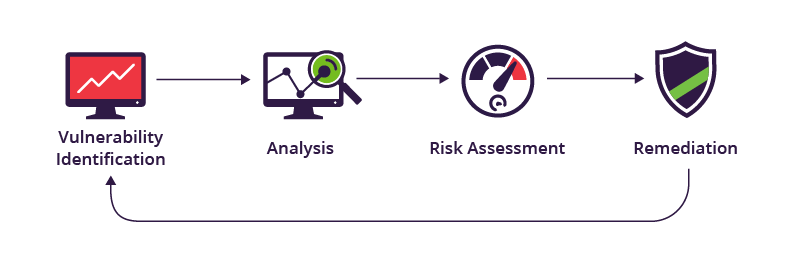
    These tools help quickly identify areas where the platform may be exposed to security threats, enabling timely remediation and enhanced security. 

    By addressing these vulnerabilities, your company becomes more resilient to potential threats and better equipped to protect sensitive data and operations.

    4. Threat Modeling

    As part of the security audit, it’s essential to create a threat model tailored to the enterprise platform. This involves designing a detailed plan that identifies threats to the forum and assesses their potential impact. 

    By doing so, we can proactively address vulnerabilities and design security measures to mitigate these threats effectively. This threat modeling process not only helps in enhancing the platform’s security but also ensures a strategic and risk-based approach to protect critical assets and data.

    5. Penetration Testing

    To keep the audit most fruitful, penetration testing can be introduced. This is most important for the security audits of technology companies. 

    It involves simulating realistic cyberattacks to evaluate the platform’s ability to withstand such threats. During this process, the aim is to actively exploit vulnerabilities and weaknesses within the forum to ascertain the extent of potential risks. 

    By doing so, we gain valuable insights into the platform’s security posture, allowing for targeted improvements and enhancements. 

    6. Configuration Review

    Thoroughly review the configurations of all elements, including servers, firewalls, databases, and applications, to align them with established security best practices. 

    By assessing and potentially fine-tuning these settings, we ensure that each component of the enterprise platform is optimally configured for security, minimizing vulnerabilities and reducing the potential attack surface. 

    7. Access Control Assessment

    Access control assessment is the most crucial aspect of security audits. This is because end-point access is one of the sources of installing vulnerabilities into enterprise systems. 

    The objective is to identify any unauthorized access or elevated privileges that may pose security risks. Many organizations have shifted to using enterprise VPNs for securing endpoint unauthorized access. To ensure this works for your system, rectify if the VPN is not connecting.

    8. Network Security Assessment

    The evaluation of various network security measures, including firewall rules, intrusion detection systems, CGNAT tests, and encryption protocols. 

    The primary goal is pinpointing potential areas where network security can be enhanced. By conducting this assessment, we ensure that the network is well-protected against potential threats and vulnerabilities. 

    9. Data Security Analysis

    This includes a comprehensive examination of data storage, encryption, and the mechanisms used for data transfer. 

    The primary objective is to guarantee that sensitive data is robustly protected throughout its lifecycle. 

    By scrutinizing this, we ensure that data is stored securely, transmitted safely, and protected from unauthorized access or breaches. 

    10. Application Security Testing

    Conducting application security testing, focusing on web and mobile applications integrated into the platform, is essential. 

    The aim is to thoroughly assess their security posture and identify potential vulnerabilities, including common issues like SQL injection, cross-site scripting (XSS), and cross-site request forgery (CSRF). 
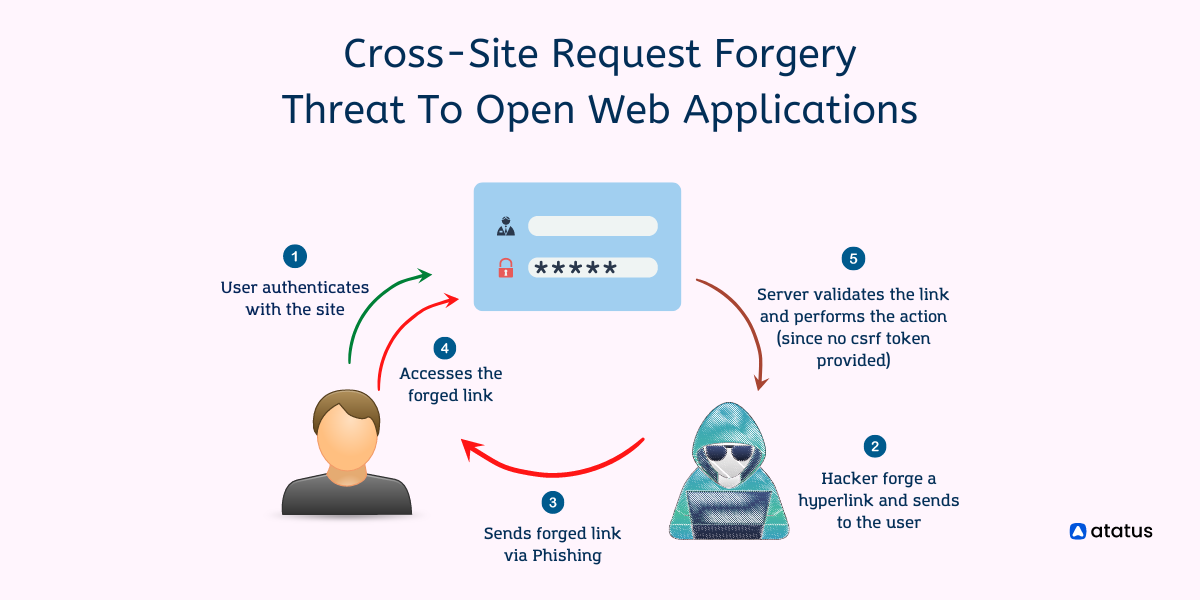
    By scrutinizing these applications for security weaknesses, we ensure resilience against cyber threats and provide a secure environment for users. 

    11. Incident Response Evaluation

    A thorough review to gauge the effectiveness of an incident response plan in addressing security incidents. 

    The goal is to verify that the platform is adequately prepared to handle and mitigate potential security breaches or crises. 

    The cost of a data breach in 2023 was $4.45 million. 51% of organizations plan to increase cybersecurity spending this year.

    12. Compliance Audit

    It is essential to meet the regulations and industry standards such as GDPR, HIPAA, and ISO.

    Compliance audits, part of the security audit, involve a meticulous review to ensure that the enterprise platform aligns with the legal and regulatory requirements applicable to its operation. 

    13. User Awareness and Training

    As part of the security audit, it is essential to evaluate the security awareness among platform users and employees. 

    The goal is to identify areas where security training and awareness programs may be necessary to enhance security posture. 

    By conducting this assessment, we ensure that end users and employees are well-informed, vigilant, and equipped to play an active role in safeguarding the enterprise platform against potential threats. 

    14. Third-Party Audit

    It’s vital to scrutinize the security practices of third-party vendors or services integrated with the platform. 

    80% of surveyed organizations in 2022 experienced at least one data breach caused by a third party.

    This involves a comprehensive examination to ascertain that the security measures employed by these external entities do not introduce vulnerabilities or risks to the platform. 

    The primary objective is to safeguard the integrity and confidentiality of data and operations, ensuring that third-party involvement does not compromise the platform’s security. 

    15. Documentation of Findings

    Documenting all findings, vulnerabilities, weaknesses, and areas of concern identified during the evaluation is the key. These findings should be meticulously categorized and prioritized based on their severity and potential impact. 

    By documenting these results, we create a comprehensive record that provides a clear overview of the platform’s security status, enabling informed decision-making and efficient remediation.

    16. Contingency Assessment

    Assessing risk in case of any breach is very important. This helps to align the funds and budget accordingly so higher costs are avoided later. 

    This assessment considers careful consideration of both the potential impact and likelihood of various security issues. 

    17. Follow-up and Verification

    Consistent follow-up and verification is the key to better audits. This confirms that the recommended security improvements have been successfully implemented within the platform. 

    Furthermore, it entails establishing a periodic re-audit schedule to verify the ongoing effectiveness of the remediation efforts. 

    By systematically following up and verifying the security enhancements, we maintain the platform’s resilience against evolving threats and ensure that security measures remain robust over time.

    18. Continuous Improvement

    As threats and industry standards evolve, it’s essential to adapt security practices accordingly. This adaptability ensures that the organization remains resilient against emerging security challenges. 

    By introducing a culture of continuous improvement, you can proactively identify and address vulnerabilities, enhance security measures, and stay in sync with evolving security best practices. 

    Security Is Not a One-Time Effort!

    To stay secure, you need to realize that security is an ongoing commitment and not a one-time effort. Security audits give us a clear picture of where we stand. 

    The blog has outlined the significant areas that need constant scrutiny to stay secure. 

    With changing security challenges, enterprises have shifted to using baseline security methods, which include using reliable VPNs, managing passwords efficiently, updating softwares and devices, and training employees about data security.

    Your enterprise security audits will benefit only if you comply with regulations and make security your habit. Let’s not forget that building a better cyberspace is not one person’s job.

  • Understanding the Importance of a Comfortable Pillow

    Understanding the Importance of a Comfortable Pillow

    A good night’s sleep is crucial for our overall well-being, and one factor that often goes overlooked is the importance of a comfortable pillow. The pillow we rest our head on plays a significant role in ensuring proper spinal alignment and neck support, allowing us to wake up feeling refreshed and rejuvenated. The Derila.com pillow is designed with these considerations in mind, offering a unique blend of comfort, support, and durability.

    When exploring the features of the Derila.com pillow, one cannot ignore the overwhelmingly positive derila pillow customer reviews. Customers have praised its ability to provide personalized comfort, thanks to its adjustable loft feature. This allows users to customize the pillow’s height to their preference, ensuring optimal comfort for different sleep positions. Additionally, the pillow’s hypoallergenic materials and breathable design help regulate temperature and prevent allergens from accumulating, promoting a healthy and hygienic sleep environment. With such positive feedback from satisfied customers, it is evident that the Derila.com pillow is a promising option for anyone seeking a restful night’s sleep.

    Exploring the Features of the Derila.com Pillow

    When it comes to choosing a pillow, comfort and support are two key factors to consider. The Derila.com Pillow is designed with these criteria in mind. This innovative pillow features a unique blend of materials that provide the perfect balance of softness and firmness. The Derila.com Pillow is filled with high-quality memory foam that conforms to the shape of your head and neck, providing optimal support throughout the night. Additionally, the pillow is encased in a luxurious, breathable cover that promotes airflow and helps regulate temperature. Overall, the Derila.com Pillow offers a combination of comfort and support that ensures a restful night’s sleep. So, is a Derila pillow worth it? The features and design of the Derila.com Pillow certainly make it a worthy investment for anyone seeking a comfortable and supportive pillow for a good night’s sleep.

    One notable feature of the Derila.com Pillow is its adjustable loft. With a convenient zipper, you can easily add or remove the fill to customize the height and firmness of the pillow to your preference. This makes the Derila.com Pillow suitable for a wide range of sleepers, whether you prefer a flatter pillow or one with more loft. Additionally, the materials used in the construction of the Derila.com Pillow are hypoallergenic, making it an ideal choice for those with allergies or sensitivities. The pillow is also resistant to dust mites, mold, and bacteria, ensuring a clean and healthy sleep environment. With its exceptional features and versatility, the Derila.com Pillow offers a level of customization and hygiene that sets it apart from other pillow options on the market. So, if you’re wondering if a Derila pillow is worth it, the answer is a resounding yes.

    How the Derila.com Pillow Enhances Your Sleep Quality

    The Derila.com Pillow is expertly designed to enhance your sleep quality and ensure a restful night’s sleep. Crafted with meticulous attention to detail, this pillow is made with the highest quality materials to provide ultimate comfort and support. Manufactured in the USA, the Derila.com Pillow adheres to strict quality standards, allowing you to sleep soundly knowing that you are using a product that meets the highest industry standards.

    One of the key features that sets the Derila.com Pillow apart is its unique ergonomic design. It is specifically crafted to support your head and neck, aligning your spine and promoting proper sleep posture. This not only helps reduce discomfort and pain, but also allows for a deep and uninterrupted sleep. The pillow’s carefully engineered shape and composition provide the perfect balance of softness and firmness, catering to individual sleep preferences. With the Derila.com Pillow, you can wake up feeling refreshed and rejuvenated, ready to take on the day ahead.

    Real Customer Experiences with the Derila.com Pillow

    The Derila.com Pillow has been receiving rave reviews from customers all around the world. Many users have praised its exceptional comfort and support, especially for side sleepers. With its unique design and firmness, the Derila.com Pillow provides the perfect balance between softness and support, allowing side sleepers to enjoy a restful night’s sleep without any discomfort or strain. Customers have reported waking up feeling refreshed and rejuvenated, thanks to the excellent spinal alignment provided by this pillow.

    One of the standout features of the Derila.com Pillow is its ability to contour to the shape of your head and neck, regardless of your sleeping position. This is particularly beneficial for side sleepers who typically require a pillow that can adequately support the natural curvature of their neck and spine. The Derila.com Pillow not only provides this necessary support but also ensures that there is no excessive pressure on the neck or shoulders. Many customers have reported a significant reduction in neck and shoulder pain after switching to the Derila.com Pillow, solidifying its reputation as an excellent choice for side sleepers.

    Comparing the Derila.com Pillow to Other Pillow Options

    What are the benefits of Derila Pillow? When it comes to comparing the Derila.com Pillow to other pillow options, it is important to consider the benefits it offers. The Derila pillow is designed with utmost comfort and support in mind, providing a unique blend of softness and firmness that caters to different sleep preferences. Its innovative design ensures proper alignment of the head, neck, and spine, promoting better sleep posture and reducing the risk of discomfort or pain upon waking up. The Derila pillow also incorporates advanced cooling technology, allowing for a cooler and more refreshing sleep experience. With its hypoallergenic and breathable materials, the Derila pillow is an excellent option for those with allergies or sensitivity issues.

    Another important aspect to consider is the durability and longevity of the Derila.com Pillow compared to other pillow options. The high-quality materials used in its construction make it resistant to wear and tear, ensuring that it maintains its shape and support over time. This means that you won’t have to constantly replace your pillow, saving you money in the long run. Additionally, the Derila pillow is machine washable, making it easy to clean and maintain. Overall, when comparing the Derila.com Pillow to other pillow options, its superior comfort, support, cooling properties, durability, and maintenance ease make it a standout choice.

    Tips for Choosing the Right Pillow for Your Needs

    When it comes to choosing the right pillow for your needs, there are a few key factors to consider. First and foremost, it’s important to determine the level of support you require. Are you a side sleeper in need of firm support, or do you prefer the plush feel of a softer pillow? Additionally, consider your specific sleep preferences. Some pillows are designed to provide cooling effects, while others offer additional neck and spinal alignment support.

    Given the wide range of options available on the market, it’s important to choose a reputable company when purchasing a new pillow. One such company to consider is Derila. With their commitment to quality and customer satisfaction, Derila has gained a reputation for providing high-quality and comfortable pillows. By doing your research and considering factors such as support, sleep preferences, and the reputation of the company, you’ll be well on your way to finding the perfect pillow for a restful night’s sleep.

    The Science Behind the Design of the Derila.com Pillow

    The design of the Derila.com Pillow is rooted in scientific principles that aim to optimize comfort and support for a good night’s sleep. The team at Derila.com conducted extensive research and collaborated with sleep experts to create a pillow that caters to the diverse needs of individuals.

    One key aspect of the design is the use of high-quality materials that provide a balance between softness and firmness. The Derila.com Pillow incorporates a unique blend of memory foam and hypoallergenic polyester fibers, ensuring both comfort and durability. This combination allows the pillow to contour to the shape of your head and neck, providing optimal support throughout the night. Additionally, the materials used are breathable and moisture-wicking, helping to regulate temperature and prevent overheating during sleep. The result is a pillow that adapts to your body’s natural contours, promoting proper spinal alignment and reducing pressure points. With the Derila.com Pillow, you can wake up feeling refreshed and rejuvenated each morning.

    How to Properly Care for and Maintain Your Derila.com Pillow

    To ensure that your Derila.com pillow remains in optimal condition for years to come, it is essential to follow proper care and maintenance guidelines. The first step is to regularly fluff and reshape the pillow to maintain its loft and support. This can be easily done by gently kneading and squeezing the pillow in various areas.

    Additionally, it is recommended to use a protective pillow cover to safeguard the pillow from dust, dirt, and stains. This cover can be easily removed and washed, keeping your Derila.com pillow fresh and clean. In fact, many customers have praised the durability and easy maintenance of the pillow in their Derila pillow customer reviews on servicerate.com, highlighting its ability to maintain its shape and comfort even after frequent washing.

    Frequently Asked Questions About the Derila.com Pillow

    Q: Can I wash the Derila.com Pillow?

    A: Yes, the Derila.com Pillow is designed to be washable. The cover is made from a durable and hypoallergenic material that can be easily removed and machine washed. This ensures that you can keep your pillow clean and fresh, free from dust mites and allergens. Simply follow the care instructions provided by the manufacturer to maintain the longevity of your pillow.

    Q: Is the Derila.com Pillow suitable for all sleeping positions?

    A: Absolutely! The Derila.com Pillow is thoughtfully designed to cater to various sleeping positions. Whether you prefer sleeping on your back, side, or stomach, this pillow provides the perfect balance of support and comfort. The adjustable fill allows you to customize the height and firmness of the pillow to suit your individual needs. So, no matter how you sleep, you can rest assured that the Derila.com Pillow will provide you with a rejuvenating and restful sleep experience.

    Final Thoughts: Why the Derila.com Pillow is the Ultimate Choice for Comfort

    The Derila.com pillow is truly the ultimate choice for comfort. With its innovative design and high-quality materials, this pillow offers an unparalleled level of support and softness. Whether you’re a side, back, or stomach sleeper, this pillow will adapt to your unique sleeping position, providing the perfect balance between comfort and proper spinal alignment. The hypoallergenic properties of the pillow ensure that you can sleep peacefully, free from any unwanted allergies or irritations. Additionally, the breathable fabric used in the pillow’s construction promotes airflow, keeping you cool and comfortable throughout the night. Say goodbye to restless nights and hello to a rejuvenating sleep experience with the Derila.com pillow.

    One of the standout features of the Derila.com pillow is its adjustable loft. Unlike traditional pillows that come in a fixed height, this pillow allows you to customize its thickness to suit your preferences. Whether you prefer a higher loft for extra support or a lower loft for a softer feel, the Derila.com pillow has got you covered. The easy-to-use zipper system allows you to add or remove filling to achieve the perfect loft, ensuring that you get the personalized comfort you deserve. Furthermore, the premium materials used in the pillow’s construction are built to last, ensuring that you can enjoy the benefits of this pillow for years to come. Experience the ultimate in comfort and customization with the Derila.com pillow.

  • Creating the Ideal Gaming Room Setup for Better Performance

    Creating the Ideal Gaming Room Setup for Better Performance

    Gamers recognize the significance of a well-designed gaming environment. It’s more than simply a room; it’s a haven where immersive encounters can occur. Creating the optimal gaming room setup will boost your gaming performance and overall satisfaction.

    Everything from ergonomic furniture to proper lighting is important in establishing a gaming refuge that enhances comfort and focus. Let’s look at the key components of a perfect gaming room setup that may take your gaming experience to new heights.

    Ergonomic Furniture

    The core of a good gaming experience is ergonomic furniture. A comfortable gaming chair with customizable features can give the required back and neck support, guaranteeing optimal posture during extended gaming sessions.

    Furthermore, an ergonomic desk that accommodates your gaming equipment and promotes arm comfort is essential. Remember that the correct furniture not only improves your physical well-being but also helps you maintain your focus and effectiveness.

    Optimal Lighting

    Lighting creates the tone and ambiance of your gaming environment. It is critical to strike a balance between ambient and task lighting. During the day, natural light can help alleviate eye strain, while adjustable artificial lighting can help create a fascinating ambiance during evening gaming sessions.

    Consider using dimmable LED lights or smart lighting systems that allow you to adjust the lighting intensity and color temperature based on your preferences and gameplay requirements.

    Efficient Cable Management

    Cable management is sometimes ignored in designing an optimal gaming room setup. Messy cables not only seem untidy, but they also represent a risk of tripping risks and equipment damage.

    To keep wires organized and out of the way, use cable management solutions such as cable sleeves, cable clips, and cable boxes. This arrangement not only improves the appearance of your gaming room but also encourages a safer gaming environment.

    Immersive Sound System

    An immersive sound system can immerse you in the action of the game. Consider purchasing high-quality speakers or a surround sound system that produces rich, detailed sound.

    Furthermore, implementing noise-canceling technologies can assist in reducing extraneous distractions, allowing you to focus solely on the aural cues and immersive sound effects of the game. An improved aural experience can drastically enhance the entire gaming environment and take your games to a new level of involvement.

    Strategic Display Setup

    Choosing the appropriate display configuration is critical for achieving peak visual performance. Choose a high-resolution monitor or a widescreen display that supports your gaming system’s graphics capabilities.

    Consider where the monitor will be placed to reduce glare and guarantee comfortable viewing angles. Mounting the monitor on an adjustable arm or stand allows you to adjust the screen position to minimize neck strain and maximize visual comfort during long gaming sessions.

    Incorporating Personal Touches

    Personalization is essential for designing a gaming area that matches your style and tastes. Consider including gaming-themed decor, such as posters, figurines, or artwork depicting your favorite games or genres. Create a sense of connection and immersion within your gaming refuge by personalizing the room with objects that inspire and motivate you.

    Adding comfy chairs for friends and fellow players can transform your gaming area into a pleasant social hub for multiplayer gaming sessions and collaborative activities.

    Optimized Temperature Control

    Maintaining an ideal temperature in your gaming environment is critical for comfort and attention. Installing a dependable air conditioning system or strategically placing fans to manage the room temperature and prevent overheating during intense gaming sessions are both options.

    Furthermore, appropriate ventilation can assist in minimizing heat buildup and maintaining a comfortable gaming environment for extended periods.

    Elevating Your Gaming Experience Through Thoughtful Design

    Creating the best gaming room setup is a deliberate process that involves tweaking several factors to improve comfort, concentration, and overall gaming performance. Invest time and effort in creating a gaming room that reflects your gaming style and tastes, and you’ll see how a well-designed gaming environment can dramatically improve your gaming experience.

    You may also like to read:

    ApkZub, Download the Latest APKs for Free: Unlock Unlimited Fun Now

  • Unlocking Success with TikTok Analytics Tools: Identifying Trending Products on TikTok

    Unlocking Success with TikTok Analytics Tools: Identifying Trending Products on TikTok

    Shoplus serves as the comprehensive TikTok analytics companion for content creators, streamlining the process of monitoring TikTok trends. Through Shoplus, users can effortlessly explore and download viral TikTok content, gaining valuable insights to craft engaging videos. From influencer discovery to product opportunities and in-depth analysis, Shoplus provides a versatile suite of features to fulfill your TikTok analytics requirements, all accessible at www.shoplus.net.

    Understanding TikTok’s Influence on Trends

    TikTok is not just a platform for entertainment; it’s a catalyst for trends. With its vast and diverse user base, TikTok has the power to make or break products in a matter of days. However, understanding the dynamics of TikTok trends and how to leverage them for your products requires data-driven insights. This is where TikTok analytics tools come into play.

    The Role of TikTok Analytics Tools

    TikTok analytics tools are a suite of data-driven resources that offer valuable insights into your TikTok account’s performance, audience engagement, and content impact. By making effective use of these tools, you can gain a competitive edge in the ever-evolving world of TikTok trends. Here’s how you can utilize TikTok analytics to identify and promote trending products.

    Audience Insights: Know Your Viewers

    Understanding your TikTok audience is the first step to identifying trending products. TikTok analytics provides data on your followers’ demographics, including age, gender, location, and interests. By analyzing this information, you can tailor your content and product offerings to match the preferences of your target audience. For example, if your followers are predominantly young adults, you can focus on products that resonate with this demographic.

    Content Performance Analysis

    TikTok analytics tools reveal which of your videos are performing well and why. Is it the catchy jingle, the compelling visuals, or an emotional storyline that resonates with your viewers? By identifying the elements that make your content popular, you can incorporate them into your product marketing strategy to enhance the appeal of your products.

    Optimizing Posting Schedule

    TikTok analytics also provides insights into when your audience is most active. The ‘Best Times to Post’ feature can help you optimize your posting schedule. By releasing content when your followers are most engaged, you increase the likelihood of your products reaching a wider audience and becoming trending items.

    Tracking Trending Sounds and Challenges

    TikTok is renowned for its trending sounds, challenges, and hashtags. TikTok analytics tools can help you stay on top of these trends relevant to your niche or industry. By incorporating these trends into your content and product marketing, you can align your products with what’s currently popular on TikTok, increasing their chances of becoming trending sensations.

    Leveraging TikTok Analytics for Trending Products

    Now that you have a grasp of TikTok analytics, let’s explore how you can use this data to drive your products toward becoming trending products on TikTok sensations on the platform:

    • Trend Integration: Stay updated on trending sounds and challenges within your niche. Incorporating these trends into your product videos or creating challenges related to your products can help you catch the attention of TikTok users already engaged with those trends.
    • User-Generated Content: Encourage your customers to create content featuring your products. User-generated content serves as social proof and can increase the visibility of your products within the TikTok community. Engage with and showcase these videos on your profile.
    • Collaborations: TikTok analytics can help you identify potential collaborators whose audiences align with your target demographic. Collaborative content can introduce your products to a broader audience and enhance their chances of becoming TikTok trending products.
    • Engage with Your Audience: Respond to comments and messages, engage in duets and stitches, and actively participate in the TikTok community. Building a strong and interactive online presence can boost your product’s credibility and appeal.

    Conclusion

    TikTok analytics tools are a treasure trove of insights that can help you navigate the competitive world of TikTok and turn your products into trending sensations. By understanding your audience, optimizing your content, and capitalizing on current trends, you can increase your chances of reaching TikTok’s coveted “For You” page and watching your products become viral sensations. In the ever-evolving world of social media, mastering TikTok analytics is your key to success, unlocking the potential of your products to become trending stars on the platform.

  • Streamlining Operations with Insurance Business Process Outsourcing

    Streamlining Operations with Insurance Business Process Outsourcing

    In today’s competitive business landscape, efficiency and cost-effectiveness are vital. One way that insurance companies are achieving these goals is through insurance business process outsourcing (BPO). This practice entails delegating some of their non-core functions to third-party service providers, helping them focus on their core competencies and improving their service delivery. This article will delve into the concept of insurance business process outsourcing, why it’s beneficial, and how companies can leverage it.

    What is Insurance Business Process Outsourcing?

    Insurance business process outsourcing is a strategic move by insurance companies to delegate some of their tasks to third-party service providers. These tasks can range from policy administration, claims processing, customer service, to back-office operations. By doing so, insurance companies can concentrate on their primary areas of expertise such as underwriting and risk management, while the outsourced specialists handle the other tasks efficiently.

    The Benefits of Insurance BPO

    There are numerous benefits that insurance companies can reap from business process outsourcing. Here are a few key ones:

    Cost Savings: One of the most apparent benefits of insurance business process outsourcing is cost reduction. By outsourcing non-core functions, insurance companies can save on expenses related to hiring, training, and maintaining an in-house team.

    Increased Efficiency: BPO providers have the expertise and resources to carry out tasks more efficiently. They use the latest technologies and methodologies which lead to faster turnaround times and high-quality output.

    Focus on Core Business: Outsourcing enables insurance companies to concentrate on their core business functions. They can spend more time on strategic planning, underwriting, and risk management, which are crucial for their growth and success.

    Scalability: With insurance business process outsourcing, companies can easily scale up or down their operations based on demand. This flexibility is particularly beneficial in the insurance industry, which often experiences seasonal peaks and troughs.

    Implementing Insurance BPO

    For insurance companies considering business process outsourcing, here are a few steps to follow:

    Identify the processes to outsource: The first step is to identify which processes can be outsourced. Typically, these are non-core functions that do not directly contribute to the company’s competitive advantage.

    Choose the right outsourcing partner: The success of insurance business process outsourcing largely depends on the outsourcing partner. Therefore, it’s crucial to choose a partner with a proven track record in the insurance industry.

    Establish clear communication channels: Finally, clear and regular communication with the outsourcing partner is key to ensuring that the outsourced processes are carried out effectively and efficiently.

    In conclusion, insurance business process outsourcing is a strategic tool that can help insurance companies improve their efficiency, reduce costs, and focus on their core business. With the right outsourcing partner, companies can transform their operations and gain a competitive edge in the insurance industry.

  • Unleashing Potential: How Advertising and Marketing Localization Transforms Businesses

    Unleashing Potential: How Advertising and Marketing Localization Transforms Businesses

    Introduction to Advertising and Marketing Localization

    The global business scene is rapidly changing, and organizations must adapt to prosper. The rising importance of advertising and marketing localization is one of these critical shifts. Localization is more than just translating information into multiple languages; it is also about tailoring your messaging, goods, and services to local cultures and markets.

    Advertising and marketing localization entails tailoring your marketing and advertising methods to unique local markets. This strategy involves translating and adjusting your information, graphics, product offers, and marketing techniques to fit the distinct demands, tastes, and preferences of various market groups. You may connect more effectively with your target audience, develop deeper relationships, and boost market penetration by localizing your advertising and marketing activities.

    The significance of advertising and marketing localization cannot be emphasized. Businesses must recognize the cultural and linguistic distinctions across different markets in an increasingly globalized world. Localizing your advertising and marketing activities allows you to enter new markets, create closer relationships with your clients, and ultimately drive company growth.

    Understanding the Role of Advertising and Marketing Localization in Business

    Advertising and marketing localization has varied functions in the company. For starters, it enables firms to interact with their target audience successfully. Businesses may develop messages that engage strongly with their audience by recognizing and respecting the cultural differences of diverse markets. This degree of communication fosters trust and loyalty, both of which are necessary for economic success.

    Second, advertising and marketing localization allows firms to stand out. Businesses must find methods to differentiate themselves as marketplaces get more crowded. Companies may differentiate themselves from their competition by delivering products and services that are specialized to specific markets.

    Finally, advertising and marketing localization promotes corporate growth. Businesses may extend their client base, enhance sales, and raise their bottom line by entering new areas and communicating successfully with their target demographic.

    The Impact of Advertising Localization on Businesses

    Business is significantly impacted by advertising localization. It enables enterprises to enter new markets and reach a larger audience. Companies may enhance market penetration and sales by customizing their advertising techniques to specific needs.

    Additionally, advertising localization can improve brand image and reputation. When a company demonstrates that it knows and respects the cultural intricacies of a market, it conveys a favorable message about the brand. This comprehension and appreciation may lead to enhanced brand loyalty and customer retention.

    Finally, advertising localization can lead to higher client satisfaction. Businesses may create a more fulfilling customer experience by offering products and services that match the distinct demands and preferences of diverse markets. This greater satisfaction may lead to more repeat business and more word-of-mouth advertising, both critical for business success.

    The Process of Advertising and Marketing Localization

    Advertising and marketing localization is a multi-step process that needs careful strategy and execution. The first stage is market research. Businesses must grasp the cultural, language, and customer behavior peculiarities of the market they are targeting. This insight will drive the localization process and ensure the localized material resonates with the intended audience.

    The next step is to alter the material. This entails translating and changing the fabric to fit the intended market. The adaptation process may include adjusting the language, graphics, and product offers to match the target market’s specific requirements and preferences.

    Testing and assessment are the last steps. Localized content must be tested to verify that it is effective and connects with the intended audience. They must also assess the performance of their localization efforts in order to find areas for improvement and make the required changes.

    How to Implement Advertising Localization in Your Business

    It is a more than one-size-fits-all procedure to implement advertising localization in your firm. It necessitates a thorough grasp of your target market and a dedication to offering a tailored client experience. Here are some guidelines to assist you in adopting advertising localization in your company:

    To begin, undertake extensive market research. Understand your target market’s cultural subtleties, customer behavior, and trends. This knowledge will guide your localization efforts and guarantee that your localized material is well-received by your target audience.

    Second, modify your material. This entails translating and adapting your material to the target market. Remember that localization is more than merely language translation. It is about tailoring your content, images, product offers, and marketing methods to your target market’s specific wants and preferences.

    Finally, test and assess your localized material. Make sure your translated material is practical and appealing to your intended audience. Assess the success of your localization efforts and make any required changes to improve your plan.

    Challenges in Advertising and Marketing Localization and How to Overcome Them

    Advertising and marketing localization, like any other corporate venture, has its own set of hurdles. Language hurdles and cultural misunderstandings are examples of such difficulties. These difficulties, however, may be addressed with the correct tactics.

    Language translation is one of the most challenging difficulties in advertising and marketing localization. To guarantee that your message is accurately transmitted, accurate translation is required. Businesses can address this difficulty by utilizing expert translation services or language localization solutions.

    Understanding and appreciating cultural differences is another difficulty. Misunderstanding or neglecting these nuances might result in unproductive communication and may even insult your intended audience. To overcome this difficulty, organizations must perform extensive market research and collaborate with local specialists who are familiar with the culture of the target market.

    Finally, determining the efficiency of localization initiatives might take much work. Measuring the performance of your localization efforts and identifying areas for improvement can be challenging. Businesses may overcome this difficulty by using analytics tools to track the performance of their translated content and make required revisions.

    Expert Tips for Successful Advertising and Marketing Localization

    Successful advertising and marketing localization requires careful planning, execution, and evaluation. Here are some expert tips to help you succeed in your localization efforts:

    1. Determine Your Target Market: Before localizing your content, determine your target market. Conduct extensive market research to grasp your target market’s cultural subtleties, customer behavior, and trends.
    2. Collaborate with Local specialists: Collaborating with local specialists can assist you in understanding and respecting the cultural nuances of your target market. These specialists can help you with your localization efforts and guarantee that your localized material is well-received by your target audience.
    3. Evaluate and test: Don’t simply translate your material and hope for the best. To guarantee that your localized material is practical, test it. Assess the success of your localization efforts and make any required changes to improve your plan.

    Conclusion: Transforming Your Business Through Advertising and Marketing Localization

    For organizations aiming to prosper in today’s worldwide world, advertising and marketing localization is not simply a nice-to-have strategy; it is a must-have. You may interact successfully with your target audience, separate yourself from rivals, and drive company growth by localizing your advertising and marketing activities.

    Advertising and marketing localization, on the other hand, is not a one-size-fits-all procedure. It necessitates a thorough grasp of your target market and a dedication to offering a tailored client experience. You may succeed in your localization efforts and alter your business with rigorous strategy, implementation, and assessment.

    Remember that localization is more than merely language translation. It is about learning and respecting the cultural intricacies of other markets and tailoring your methods to match their specific demands and preferences. By doing so, you may realize your company’s full potential and achieve extraordinary success.

    Are you prepared to alter your company via the localization of advertising and marketing? Begin today and see your company develop.

    Also read:

    DownloadHub4u Down in Your Country? – Here’s How to Access It

  • Unlocking Success: The Ultimate Guide to CRM Software for Realtors

    Unlocking Success: The Ultimate Guide to CRM Software for Realtors

    I. Introduction

    The real estate landscape is constantly evolving, and for realtors, adapting to these changes is key to success. One of the most powerful tools in their arsenal is Customer Relationship Management (CRM) software. This guide explores the significance of CRM systems in the real estate industry, offering insights, tips, and strategies to help realtors leverage CRM for unparalleled success.

    II. Understanding CRM for Realtors

    What is CRM (Customer Relationship Management)?

    CRM, in the real estate context, is a technology solution designed to help realtors manage and nurture relationships with clients and leads. It streamlines processes, enhances communication, and drives business growth.

    Why CRM is Crucial for Realtors

    Realtors deal with a plethora of leads, clients, properties, and transactions. CRM systems help them organize, automate, and improve these processes, resulting in higher efficiency and client satisfaction.

    Benefits of CRM Software in Real Estate

    CRM offers a range of benefits, including lead management, task automation, better communication, data analytics, and improved customer service. It’s an indispensable tool for realtors looking to stay competitive.

    Types of CRM Systems for Realtors

    There are various CRM systems tailored to real estate professionals. Some focus on lead generation, while others offer comprehensive solutions. It’s essential to choose the one that aligns with your specific needs.

    III. Features and Functionality

    Contact and Lead Management

    Efficiently store and manage client and lead information, ensuring no opportunity is lost.

    Property and Listing Management

    Organize property listings, track changes, and provide clients with up-to-date information.

    Communication and Email Integration

    Seamlessly integrate email communication within the CRM, ensuring no message is missed.

    Task and Appointment Scheduling

    Schedule tasks and appointments, keeping you organized and on track.

    Reporting and Analytics

    Access data-driven insights to make informed decisions and optimize your business.

    Mobile Access and On-the-Go Productivity

    Stay connected and productive from anywhere with mobile CRM apps.

    IV. Selecting the Right CRM Software

    Assessing Your Specific Needs

    Identify your unique requirements, considering the size of your team and your business goals.

    Budget Considerations

    Evaluate the cost of CRM solutions and choose one that aligns with your financial resources.

    Scalability and Integration

    Ensure the CRM can scale with your business and integrate with existing tools.

    User-Friendly Interface

    Opt for a user-friendly CRM that your team can quickly adapt to.

    Vendor Reputation and Support

    Choose a reputable vendor with strong customer support for assistance when needed.

    V. Implementing CRM in Your Real Estate Business

    Data Migration and Cleanup

    Transfer existing data into the CRM, ensuring it’s clean and structured.

    Customization and Setup

    Tailor the CRM to your specific needs and set up user accounts and permissions.

    User Training and Adoption

    Train your team on CRM usage and encourage adoption.

    Setting Goals and KPIs

    Define clear objectives and key performance indicators (KPIs) for CRM implementation.

    VI. Best Practices for Realtor CRM Usage

    Building and Managing Client Profiles

    Create detailed client profiles with information on preferences, needs, and transaction history.

    Lead Nurturing and Conversion

    Use CRM to nurture leads and guide them through the conversion process.

    Tracking Communication and Interactions

    Record all client interactions for reference and follow-up.

    Task and Appointment Management

    Use the CRM to schedule and track tasks and appointments.

    Analyzing Performance and ROI

    Regularly assess the performance of your CRM system and its impact on your business.

    VII. Real-Life Success Stories

    Case Studies of Realtors Using CRM Effectively

    Explore real-world examples of realtors who have achieved remarkable success with CRM.

    Lessons Learned from Successful Implementations

    Gain insights from their experiences and learn valuable lessons for your own CRM journey.

    VIII. Overcoming Challenges

    Common Hurdles in CRM Implementation

    Address common challenges such as resistance to change, data migration issues, and adoption hurdles.

    Strategies for Overcoming Resistance to Change

    Implement strategies to encourage your team to embrace the new CRM system.

    Troubleshooting and Support

    Prepare for potential issues and have a support plan in place.

    IX. Data Security and Compliance

    Protecting Client Data

    Safeguard client data and ensure compliance with data protection regulations.

    Compliance with Real Estate Regulations

    Adhere to industry-specific regulations related to data handling and communication.

    Privacy Considerations

    Prioritize client privacy and obtain necessary consents for data processing.

    X. Future Trends in Realtor CRM

    AI and Predictive Analytics

    Explore how AI and predictive analytics are reshaping the future of CRM in real estate.

    Automation and Chatbots

    Learn about the role of automation and chatbots in enhancing client interactions.

    Integration with Emerging Technologies

    Discover how CRM systems are integrating with emerging technologies to provide cutting-edge solutions.

    XI. Conclusion

    This guide has provided an in-depth exploration of CRM software for realtors, from understanding its significance to selecting the right solution, implementing best practices, and overcoming challenges. By embracing CRM and staying updated on emerging trends, realtors can unlock success and thrive in a competitive real estate market.

    You may also like to read:

    DownloadHub4u Down in Your Country? – Here’s How to Access It

    SnapInsta: Your Ultimate Solution for Instagram Content Download

    How to Activate Peacock TV on Samsung Smart TV

  • Cisco Secondary Power Supplies: Ensuring High Availability in Network Infrastructure

    Cisco Secondary Power Supplies: Ensuring High Availability in Network Infrastructure

    In today’s interconnected world, a steadfast network infrastructure is indispensable to the vitality of any enterprise. With the ever-increasing demands for uninterrupted connectivity organizations cannot deal with downtime. While the importance of robust routers, switches, and other networking devices is evident, one critical component often remains in the shadows: the power supply system. Cisco, a global leader in networking offers an impressive range of secondary power supplies to maintain network resilience.

    The Power Behind the Network

    Routers and switches play a crucial role in the development of network infrastructure. But these devices are only as reliable as the power that fuels them. While primary power solutions are indispensable, secondary power supplies act as a protective layer, ensuring no break in service, even during power inconsistencies. 

    Understanding the criticality of network uptime and the catastrophic implications of a power failure, Cisco offers a range of secondary power supplies that act as a failsafe. They ensure that the network remains operational, even in the face of power inconsistencies. Let’s explore these power supplies and their significance.

    1. PWR-C1-715WAC/2: A Blend of Reliability and Efficiency

    The PWR-C1-715WAC/2 is not just another power supply; it’s a statement of Cisco’s dedication to ensuring network consistency. Offering a substantial 715W, it’s tailored for businesses that have a zero-compromise approach to network uptime. The design emphasizes durability ensuring devices remain powered during crucial times. Moreover, its seamless integration with Cisco devices offers an assurance of compatibility and performance.

    Specifications:

    • Input voltage range: 100-240VAC
    • Input frequency: 50-60 Hz
    • Input current: 10-5A
    • Output voltage: -56V
    • Output current: 12.8A
    • Output power: 715W
    • Holdup time: 16.7ms minimum at 100VAC
    • Operating temperature: 23-113°F (-5 to 45°C)
    • Storage temperature: -40 to 158°F (-40 to 70°C)
    • Relative humidity: 5 to 90% (non-condensing)
    • Altitude: 10,000 ft. (3,000 m), up to 45°C
    • MTBF: 500,000 hours (with a 90% confidence level)
    • Dimensions: 1.58 X 3.25 X 12.21 in. (40.1 X 82.55 X 310.1 mm)
    • Weight: 2.8 lb (1.3 kg)
    1. PWR-C5-1KWAC/2: Meeting the Demands of High-Data Environments

    In data-intensive setups, like data centers or enterprise-level networks, the power requirements are higher. The PWR-C5-1KWAC/2 rises to the challenge, delivering a formidable 1000W. But beyond its impressive power capacity, what sets it apart is its reliability. In environments where vast amounts of data are processed, every second brief power interruption can lead to significant setbacks. This unit ensures such hiccups remain a thing of the past.

    1. PWR-C5-600WAC: The Perfect Equilibrium

    For medium-sized businesses, it strikes a balance between space and performance. The PWR-C5-600WAC addresses this by offering a compact yet powerful solution. With a capacity of 600W, it ensures that while the physical footprint is minimal, there’s no compromise on the power front. Let’s delve into its specifications below:

    • Voltage Compatibility: This power supply unit supports a wide voltage range of AC 100-240V, making it versatile and suitable for various power inputs.
    • Compatibility: Designed specifically for Cisco Catalyst 9200 Series switches, including models such as C9200L-48P-4G-10E and C9200L-48PXG2Y-10E ensuring a seamless fit and functionality.
    • Hot-Plug Redundancy: The module allows for easy replacement or addition without interrupting network operations, maximizing uptime and reliability.
    • High Power Output: With a robust 1000 Watts of power output, this module provides the necessary energy to support demanding network environments.

    Features of Cisco Power Supplies

    As we transition into an era dominated by the Internet of Things (IoT), 5G technology, and edge computing, the demands on network infrastructures have grown exponentially. Today’s networks aren’t just about connecting computers; they’re about linking billions of devices, from smart fridges to autonomous vehicles. This evolution underscores the need for power supplies to handle such increased demands without faltering.

    • Green Technology and Power Efficiency

    Modern businesses aren’t just concerned about uptime but more about sustainability. Cisco’s secondary power supplies, including their 600-watt power supply and more robust 1000-watt power supply, are designed with energy efficiency in mind. They adhere to the latest green technology standards ensuring the network remains powered while the environmental impact is minimized. This dual focus on reliability and sustainability makes them an excellent choice for forward-thinking businesses.

    • Scalability and Modular Design

    One of the hallmarks of Cisco’s power solutions is their modular design. As businesses grow, so do their network requirements. Secondary power supplies from Cisco are scalable. 

    • Seamless Integration and Smart Monitoring

    With the advancement of AI and machine learning, modern power supplies are no longer passive components. Cisco’s power units come with monitoring capabilities. They can predict potential issues, provide alerts for maintenance, and even optimize power distribution based on the network load. This proactive approach ensures that potential problems before they manifest, leading to unparalleled network uptime.

    • Cost Efficient

    While the initial investment in secondary power supplies might seem substantial, the long-term cost benefits are significant. Network downtimes can be expensive, not just in terms of lost sales or productivity but also in terms of brand reputation. By ensuring high availability, secondary power supplies can lead to considerable savings in the long run, making them a wise investment.

    Cisco isn’t just about products; it’s about the entire ecosystem. Whether it’s troubleshooting, maintenance, or updates, having access to Cisco’s extensive service network ensures your power solutions remain in peak condition. Cisco’s secondary power supplies PWR-C1-715WAC/2, PWR-C5-1KWAC/2, and PWR-C5-600WAC are not just backup units but crucial components which ensure high availability in any network infrastructure. By investing in these, businesses safeguard their operations, guaranteeing that their services remain unaffected, no matter what power challenges they face.

    Also read:

    How to Play Now.GG Roblox Games on your PC in 2023

    IgAnony: The Instagram Story Viewer for Anonymous Viewing

  • What to Look for in a B2C Ecommerce Platform

    What to Look for in a B2C Ecommerce Platform

    In a traditional brick-and-mortar store, the primary customer base comprises people who live in the area or have a reason to visit your location. Although you might have customers who do not visit in person, they probably won’t make up most of your business.

    The “e-commerce” part of the B2C e-commerce solution can overcome this problem. Having your store online allows everyone to access it from anywhere in the world, regardless of where they live. To meet these objectives, choosing an enterprise e-commerce solution that matches your business goals and offers the features required to adapt to evolving customer demands is imperative.

    What is a B2C E-commerce Solution?

    You’ve probably heard of them as online stores; some are huge online marketplaces. B2C e-commerce platforms sell directly to consumers. A B2C enterprise e-commerce solution allows online retailers to create, handle, and operate an online store that caters to end users. It gives all the tools to provide a seamless shopping experience that showcases products, processes payments, manages shipping logistics, and simplifies the online retail e-commerce experience.

    Choosing the right B2C e-commerce solution is a critical decision that will significantly impact your company’s success. Here are some of the factors explaining why it is vital:

    • Companies can sell their products directly to customers, avoiding the need for intermediaries like retailers or wholesalers.
    • The emphasis is on delivering a personalized shopping experience that caters to particular customer requirements.
    • B2C e-commerce includes a wide range of products, including physical goods like clothing and electronics and digital products and services like streaming subscriptions.
    • The Internet enables B2C enterprises to reach a global consumer base without geographical boundaries.
    • Creating and maintaining customer relationships is essential. Communication, customer service, and post-purchase interaction are all critical components.

    Key Features and Functionalities B2C Enterprise E-commerce Solution

    A B2C e-commerce solution is based on key features and functionalities critical for providing customers with a seamless and engaging shopping experience.

    • A user-friendly interface should be simple to use and navigate, giving customers a hassle-free shopping experience. Since mobile devices are increasingly used for online shopping, the user interface must be responsive to different screen sizes and devices.
    • You may customize the look and feel of your online store to match your brand identity and customer preferences by using customizable templates and themes.
    • Well-organized product descriptions and categories make it easier for customers to find what they want. Customers can make informed purchasing decisions with comprehensive product details and excellent images.
    • Simple inventory management solutions make it easy to monitor stock levels and create low inventory alerts. Quick product availability updates stop customers from ordering out-of-stock items.
    • Secure payment systems ensure the safe processing of transactions while protecting sensitive customer information. Customers’ trust is increased via secure payment methods, giving them the confidence to purchase online.
    • Completing the purchase can be hindered by a complex checkout process. Conversion rates increase with a simple process. Offering a guest checkout option makes things easier for first-time customers who might not want to register an account.

    Scalability and Performance

    These are critical aspects of a B2C e-commerce solution that ensure your platform can support long-term success by accommodating business growth and increased traffic. Quick loading times and high performance are essential for a seamless customer experience and higher search engine rankings. Also, the platform must handle peak seasons without interruption, ensuring the business remains reliable and competitive during peak periods. Scalability and performance are non-negotiable features of a successful e-commerce platform, as they may result in missed sales and dissatisfied customers.

    Integration Capabilities

    Integration with third-party applications enables businesses to extend their functionality by connecting with CRM, email marketing, and many more tools. Application Programming Interfaces (APIs) allow the e-commerce platform to communicate with third-party applications. They enable data transfer and communication between different systems, ensuring that vital information, such as customer data, inventory, and order information, can be shared and utilized across the entire e-commerce ecosystem.

    Customer Support and Assistance

    Effective customer support channels like live chat, email, and phone support are crucial for responding to customer inquiries and issues. Responsive customer service improves customer satisfaction, establishes trust, and increases customer retention rates and positive word-of-mouth recommendations, which are necessary for long-term success in the competitive online retail industry.

    Analytics and Reporting 

    These tools provide key insights into customer behavior, sales trends, and marketing performance. They allow businesses to monitor which products are popular, find patterns in customer preferences, and assess the effectiveness of marketing campaigns. By gathering and evaluating data, companies can make informed decisions that optimize their business strategies. This approach allows for efficient allocation of resources, targeted marketing efforts, and the ability to adapt to evolving market dynamics, increasing the chances of success in the highly competitive environment of online retail.

    Conclusion: Improve your Customer Journey with a B2C E-commerce Cloud Solution

    The potential of an enterprise e-commerce solution is brimming with opportunities for businesses. HCL Commerce Cloud is the best B2C e-commerce cloud solution for B2C retailers who wish to swiftly adjust to shifting market demands and provide exceptional customer satisfaction. It offers various capabilities for B2B, B2C, and B2B2C business models that cater to diverse customer and business needs. It enables companies to expand globally, engage customers through personalization, and offer seamless online buying experiences.

    Schedule a demo to learn how HCL Commerce Cloud can help you sell more by creating a page with reference storefronts, evaluating behavioral analytics to better understand customers, managing the search experience to improve conversions, and more.

  • Exploring BPO: A Deep Dive into the Industry

    Exploring BPO: A Deep Dive into the Industry

    Outsourcing business processes has become a popular trend in recent years. It’s no wonder that more and more companies are exploring the benefits of Business Process Outsourcing (BPO). BPO is the process of delegating non-core business activities to external service providers who specialize in managing these operations. This frees up organizations to focus on their core competencies while reducing costs and improving productivity. In this blog, we will take a deep dive into the BPO industry, discussing its various types, benefits, and its impact on businesses. Read on to learn how BPO can help your organization grow and thrive in today’s competitive landscape.

    A Look at Different Types of BPO

    When it comes to business process outsourcing (BPO), there are various types of services available. BPO companies offer a wide scope of services, including call center outsourcing, which can greatly enhance customer support. Outsourcing human resources functions is another popular choice, providing benefits such as cost savings and access to specialized expertise. Information technology outsourcing is yet another type of BPO that can streamline business operations through the use of advanced technologies. By exploring these different types of BPO, businesses can gain a competitive advantage and focus on their core competencies.

    Benefits of Outsourcing Business Processes

    Outsourcing business processes offers numerous benefits, including cost savings by delegating non-core functions and improving customer experience through outsourced customer service operations. Access to specialized expertise is another advantage, as outsourcing technical support tasks allows businesses to tap into a pool of skilled professionals. By outsourcing these tasks, companies can focus on their core competencies and enhance their overall business strategy. Additionally, outsourcing allows businesses to stay competitive by implementing best practices from outsourcing service providers.

    Exploring the Impact of BPO on Your Business

    Business process outsourcing (BPO) has a significant impact on your business growth. By outsourcing non-core business activities, you can focus on your core competencies and gain a competitive advantage. BPO services offer automation solutions that streamline operations and reduce overhead costs. With the help of artificial intelligence and machine learning, BPO vendors can provide efficient and effective support for various business functions. Outsourcing also allows you to tap into the expertise of specialized service providers, optimize supply chain management, and expand your business strategies. 

    What are some common services offered by BPO companies?

    BPO companies offer a wide range of services, including customer support, technical assistance, data entry, accounting and finance, human resources, IT support, and marketing. These services can include lead generation, telemarketing, and more. The specific offerings vary depending on the expertise and needs of the clients.

    What is BPO and how does it differ from traditional outsourcing?

    BPO, or Business Process Outsourcing, involves outsourcing specific business functions to a third-party provider. Unlike traditional outsourcing, BPO providers manage and execute the entire process. With cost savings, improved efficiency, and access to specialized skills or technology, BPO offers numerous benefits. Common examples include customer service, finance and accounting, and human resources.

    What are the benefits of utilizing BPO services for a business?

    Utilizing BPO services offers numerous benefits for businesses. It allows them to save time and money by outsourcing certain tasks, leading to increased efficiency and productivity. Additionally, businesses gain access to specialized expertise and technology while focusing on core competencies and strategic initiatives.

    How has the BPO industry evolved over time?

    The BPO industry has undergone significant evolution over the years. Initially focused on cost-cutting and labor arbitrage, BPOs now offer a wide range of services, including data analytics and digital transformation. Technological advancements have played a crucial role in this evolution, and the COVID-19 pandemic has further accelerated the shift towards remote work and digitalization in the BPO industry.

    What is BPO and how does it differ from outsourcing?

    What is BPO, or Business Process Outsourcing, involves outsourcing specific business processes to a third-party vendor. It differs from outsourcing in that it often includes the transfer of both processes and employees. BPO is commonly used by companies to reduce costs and improve efficiency in non-core areas.

    How has the BPO industry evolved in recent years?

    In recent years, the BPO industry has undergone significant changes. Automation and digitalization have become more prevalent, with companies offering specialized services like data analysis and customer experience management. Additionally, there is a growing focus on employee well-being and work-life balance. The COVID-19 pandemic has also accelerated the adoption of remote work in the BPO industry.

    What is BPO and how does it differ from traditional outsourcing?

    BPO, or Business Process Outsourcing, involves outsourcing non-core business functions to a third-party provider. Unlike traditional outsourcing, BPO providers manage the entire process and ensure efficiency. They also offer flexible pricing models for businesses to scale their outsourcing needs.

    In conclusion, the BPO industry has revolutionized the way businesses operate and has become an essential component of many organizations. By outsourcing various business processes, companies can streamline operations, reduce costs, and improve productivity. The benefits of BPO are numerous, including access to specialized skills, increased flexibility, and the ability to focus on core competencies. Additionally, BPO can have a significant impact on your business, driving growth, innovation, and customer satisfaction. As the BPO industry continues to evolve, it is crucial for businesses to stay informed and explore the potential opportunities and advantages that outsourcing can offer. If you’re interested in learning more about how BPO can benefit your business, reach out to us for a consultation.