Author: MH Sagar

  • Maximizing Call Center Performance with Quality Assurance

    Maximizing Call Center Performance with Quality Assurance

    In the rapidly evolving landscape of customer service, call centers or contact centers stand at the frontlines of interaction between businesses and their clientele. As customer expectations soar, maintaining an exceptional level of service becomes non-negotiable. Quality Assurance (QA)emerges as a strategic imperative within call centers, pivotal in ensuring consistent and outstanding customer experiences. In this comprehensive guide, we will delve deep into the realm of Quality Assurance in Contact Centers.We will uncover its essence, explore its significance, and delve into an overload of powerful functions that enable call centers to harness quality, thus creating a customer-centric ecosystem that fosters loyalty and business growth.

    Define Quality Assurance

    Quality Assurance in call centers involves processes to monitor, evaluate, and enhance agents’ performance. It ensures adherence to predefined standards, efficient call handling, and positive customer experiences. In contact centers, QA is the cornerstone of delivering remarkable customer interactions consistently. It involves the continuous evaluation and enhancement of the quality of customer engagements, empowering organizations to refine their service delivery and exceed customer expectations.

    Advancing Excellence: The Significance of Quality Assurance in Call Centers

    • Enhanced Customer Satisfaction: In the competitive arena of customer service, each interaction holds immense value. By maintaining high-quality interactions, contact centerscan elevate customer satisfaction levels, nurturing lasting relationships and customer loyalty.
    • Upholding Brand Reputation: Customer interactions are direct touchpoints where brand perception is shaped. Consistently excellent interactions contribute to positive brand associations, influencing customer trust and advocacy.
    • Empowering Employee Engagement: Quality Assurance practices not only benefit customers but also empowercontact centeragents. Constructive feedback from QA evaluations aids agents in identifying areas for growth, thereby boosting their confidence and overall engagement.
    • Continuous Improvement: With a focus on ongoing assessment and analysis, QAcultivates a culture of constant improvement. Regular evaluations lead to the implementation of best practices and the elimination of inefficiencies.

    Elevating Excellence with Quality Assurance Tools in Contact Centers

    Empowering Excellence: Quality Monitoring Solutions

    With seamless recording and assessment of customer interactions against predefined standards, the QA tool generates actionable insights for enhanced performance.

    Benchmarking Effectiveness: Quality Assurance Audits

    With QA tools, regular audits become the litmus test for the efficacy of your Quality Assurance framework. Scrutinize processes, uncover improvement areas, and ensure your practices stay attuned to evolving customer expectations.

    Quantifying Excellence: Call Center Quality Scoring

    Immerse interactions in a world of numbers with QA scores. Quantify agent capabilities, facilitating targeted training and ushering in performance-driven outcomes.

    Metrics for Mastery: Performance Insights

    Build a foundation of excellence upon crucial metrics like first-call resolution, handling time, and customer satisfaction. Monitor these metrics for invaluable operational insights and enhanced customer experiences.

    Crafting Champions: Agent Training and Coaching

    QA evaluations lay the groundwork for personalized coaching sessions. Agents can amplify skills by addressing specific areas for improvement highlighted through Quality Assurance feedback.

    Harmony in Precision: Calibration Sessions

    Harmonize interpretations and assessments with regular calibration sessions. Achieve consistency and precision in Quality Assurance scores across evaluators.

    Solving at the Source: Root Cause Analysis

    Challenges are met with strategic solutions through QA in contact centers. Unearth underlying issues and prevent recurrence by tackling problems at their origin.

    360° Insight: Customer Feedback Integration

    Infuse direct customer feedback into Quality Assurance processes for a holistic perspective. Blend internal evaluations with the customer’s voice to refine and elevate QA practices.

    Conclusion

    In the contact centers, Quality Assuranceemerges as a potential thread that weaves excellence into every interaction. It is more than just a process; it becomes a commitment to delivering exceptional customer experiences that resonate long after the conversation ends.

    This involves Quality Monitoring software tools like QAViews and customer feedback integration. As technology advances, data-driven insights, and real-time input will enhance QA. Embracing QA leads to constant improvement, recognizing each interaction as a chance for excellence. In modern customer service, QA is the compass guiding centers toward customer-centricity, loyalty, and growth. Elevate your center with insights from this guide and partner with QDegrees for optimized performance. Explore QDegrees now for improved customer engagement and growth.


  •  The Soaring Popularity of Briansclub Virtual Credit Cards: A 21st Century Financial Innovation

     The Soaring Popularity of Briansclub Virtual Credit Cards: A 21st Century Financial Innovation

    In the rapidly evolving landscape of digital finance, virtual credit cards have emerged as a formidable trendsetter, capturing the attention of consumers, businesses, and financial institutions alike. With their convenience, security features, and versatility, Briansclub virtual credit cards have witnessed a meteoric rise in popularity, revolutionizing the way transactions are conducted in the 21st century. This article delves into the reasons behind the widespread popularity of virtual credit cards, exploring their benefits, applications, and the broader implications for the future of finance.

    Enhanced Security and Fraud Prevention

    One of the primary factors driving the popularity of virtual credit cards is their enhanced security features. Traditional physical credit cards are susceptible to theft, loss, and unauthorized transactions. In contrast, virtual credit cards are generated for a single transaction or a limited duration, reducing the risk of fraud and unauthorized use. Since these cards are not physically present, they cannot be stolen or duplicated, providing users with peace of mind when conducting online transactions.

    Protection of Personal and Financial Information

    Virtual credit cards are a shield against the increasing threat of cybercrime. When making online purchases, users often have to share their credit card details, leaving them vulnerable to data breaches and hacking attempts. Virtual credit cards mitigate this risk by providing users with temporary card numbers that are unrelated to their actual credit card information. This way, even if a virtual card number is compromised, it holds no value beyond the specific transaction it was intended for.

    Convenience and Flexibility

    The digital era thrives on convenience, and virtual credit cards epitomize this attribute. With virtual credit cards, users can create, manage, and dispose of cards with a few clicks, all from the comfort of their devices. This level of control offers unparalleled flexibility, allowing users to set spending limits, manage subscriptions, and even pause or cancel payments without the hassle associated with physical credit cards.

    Online Shopping and Subscriptions

    The explosive growth of e-commerce and subscription-based services has further fueled the popularity of virtual credit cards. Consumers today rely heavily on online shopping platforms and subscription services, both of which require ongoing financial transactions. Virtual credit cards provide a seamless way to manage these transactions without revealing sensitive financial information, making them an ideal tool for the digital shopper.

    International Transactions

    For frequent travelers and global businesses, virtual credit cards offer a hassle-free solution for international transactions. Traditional credit cards often incur foreign transaction fees and exchange rate fluctuations, diminishing the overall value of the transaction. Virtual credit cards can be generated with specific currencies or spending limits, eliminating these concerns and streamlining cross-border payments.

    Budgeting and Financial Management

    Virtual credit cards have also gained popularity for their utility in budgeting and financial management. Users can create virtual cards with predefined spending limits, ensuring that they stick to their budget and avoid overspending. Additionally, these cards can be linked to specific expenses, allowing for better tracking and categorization of transactions.

    Privacy and Anonymity

    In an age where data privacy is a growing concern, virtual credit cards offer a level of anonymity that physical cards cannot match. Users can make purchases without revealing their true identity, adding an extra layer of privacy to their online activities.

    Reduced Clutter and Environmental Impact

    The transition from physical to virtual credit cards contributes to a reduction in clutter and waste. Physical credit cards, when expired or replaced, contribute to plastic waste. Virtual credit cards eliminate the need for physical production and disposal, aligning with eco-friendly practices and reducing the carbon footprint associated with traditional cards.

    Conclusion

    The surging popularity of Brians club virtual credit cards can be attributed to their advanced security features, protection of personal information, convenience, and their alignment with the digital era’s needs. As online transactions, e-commerce, and digital financial management continue to dominate the modern landscape, virtual credit cards are poised to become even more integral to our daily lives. With their potential to enhance security, streamline transactions, and protect user privacy, virtual credit cards represent a pivotal innovation in the world of finance, shaping the way we interact with money in the 21st century and beyond.

    As virtual credit cards continue to gain global acceptance, they hold the potential to redefine the dynamics of digital finance. Their adoption is not merely a trend but a paradigm shift, reshaping the landscape of secure transactions. While traditional credit cards maintain their relevance, virtual credit cards elevate the standard by which we measure online payment systems. They usher in an era where technological innovation aligns harmoniously with consumer demands for security and convenience, offering a gateway to a future where digital transactions are synonymous with peace of mind.

    In essence, the implementation of virtual credit cards is not just a technological advancement; it is a testament to human ingenuity in adapting to the evolving needs of the modern world. With a promise of fortified security, enhanced privacy, and unmatched convenience, virtual credit cards stand tall as a cornerstone of digital financial evolution, transforming the way we interact, purchase, and flourish in the global digital ecosystem.

  • Hire a Professional Certificate Verification Service to get UAE Attestation

    Hire a Professional Certificate Verification Service to get UAE Attestation

    Certificate attestation is a central process necessary to verify a document’s genuineness, and it is imperative for education, employment, and even immigration purposes. Attestation plays a significant role in ensuring the certificate is genuine and recognized by any institution, organization, or destination country. Getting attested to a certificate is a must if an individual travels to any foreign country. However, getting theuae attestation for the certificate is critical. Read further to know more about the degree certificate attestation for UAE.

    The reason why UAE attestation is mandatory:

    To visit overseas, they need to get a visa or go under verification for their certificates or documents. But getting degree certificate attestation for UAE is a complex one as that involves a process in which one has to put so much effort from one office to another to get the complete attestation in the certificates.

    Whether you are pursuing education in UAE, want to pursue employment opportunities, or like to settle in the UAE, the certificate attestation for UAE is one of the imperative steps. In education certificated attestation services, all the academic documents are considered for verification, like diploma certificate attestation, degree certificate attestation, and even HSC and SSLC certificate attestation.

    Know about degree attestation for UAE:

    Degree certificate attestation to get the UAE visa is a course of verifying the validity of education certificates submitted by an individual to get an employment visa to the UAE. Getting degree certificate attestation involves various steps, which are more complex and time-intensive. 

    Choose the reputed certificate attestation services:

     As said earlier, getting an attestation from various authorities is a must to move to UAE. Approach the reputed professional certificate attestation services that provide the required guidance to get the degree certificate attested quickly. Hiring a professional certificate service will help you get the degree certificate attestation for uae price.

    Process of getting attestation in degree certificate:

    Step 1: Initially, the degree certificate is verified by the educational institution where the individual has completed the studies. The verification is done to verify the genuineness of the certificate submitted to assure that the individual has completed the essential course required for the job.

    Step 2: The verification further continues by the Ministry of Education in the Home country. Again, the Ministry of Education assures the realism of the documents.

    Step 3: The third procedure is that the Ministry of Foreign Affairs must verify the certificates in the home country. 

    Step 4: Then, the verification is further done by the UAE Embassy in the home country to see the legitimacy of the certificate submitted by the individual.

    Step 5: After the verification of the UAE embassy, the certificates have to be attested by the Ministry of Foreign Affairs in Dubai to assure the authenticity of the certificates.

    Step 6: The last step is that the Dubai authorities must verify the degree certificate. If the individual seeks a work visa, the Ministry of Human Resources and Emiratization will verify the documents. The Ministry of Education will verify the certificates, if an individual seeks a study visa.

    Upshot:

    An individual seeking a visa must obtain official recognition from all the authorities mentioned above and attestation in degree certificates. Look for professional and standard certificate verification agencies to successfully complete the degree certificate verification process.

  • 10 Reasons Why You Can Consider Selling Your Ecommerce Business

    10 Reasons Why You Can Consider Selling Your Ecommerce Business

    The decision to put an ecommerce business up for sale is often accompanied by a mix of emotions and considerations. Since this is a very significant decision, it is only natural to be absolutely sure about it. While each business owner’s situation is unique, it is worth understanding the common reasons why entrepreneurs consider putting their ecommerce business up for sale. In this blog, we list down some of these reasons that can help you make an informed decision that aligns with your individual goals and aspirations.

    1. Pursuing New Ventures

    Most entrepreneurs thrive on innovation and adventure. As such, it is understandable if you have your heart and eyes set on new ventures. By selling your e-commerce business, you can free up resources, time, and energy to set sail for new horizons that ignite your passion and creativity.

    1. Financial Gains and Capitalization

    Your years of labor may culminate in the rewards you are likely to receive by putting your ecommerce business up for sale, like the pot of gold at the end of the rainbow. The capital resulting from the sale can enable you to diversify your investments, nurture a more secure financial future, or actualize long-held dreams that require substantial resources. Many people aim for FIRE – Financial Independence, Retire Early, and your ecommerce business for sale can potentially help you achieve that.

    1. Lifestyle Changes

    Post the global pandemic, people’s perspectives have changed drastically with self, health, and family featuring as current priorities. The rigors of running an e-commerce business can easily consume your entire thoughts and time. By selling your business you can regain work-life balance, and be able to spend more time with loved ones, pursue hobbies, and focus on personal well-being.

    1. Market Trends and Timing

    Selling your e-commerce business at the right time can capitalize on market trends and increased demand for certain products or niches. Riding the wave of popularity can maximize your sale price and attract more potential buyers.

    1. Strategic Realignment

    If your business has diversified into areas that no longer align with your core strengths or long-term vision, selling allows you to refocus on what you do best and streamline your efforts for greater success.

    1. Industry Evolution

    Industries evolve rapidly, and what was once a thriving e-commerce business might face new challenges or competition. Selling can free you from navigating uncertain waters and provide an opportunity for a fresh start.

    1. Retirement Planning

    Selling your e-commerce business presents a remarkable avenue for retirement planning. The proceeds from the sale can serve as the foundation of your retirement nest egg, providing the financial cushion to enjoy your golden years with confidence.

    1. Partnership Dissolution

    Partnerships, while mutually beneficial, can sometimes stray off course, leading to strained relationships. If your partnership is no longer productive and a constant source of stress, putting your ecommerce business for sale can be your way out. A clean break allows you and your partner to embark on independent paths and pursue new goals.

    1. Changing Circumstances in Life

    Life is filled with changes, each bringing its own set of priorities and responsibilities. Selling your e-commerce business can provide the flexibility to adapt to changing life circumstances. Whether it’s embracing parenthood, tending to health, or embracing new personal pursuits, the decision to sell can facilitate a seamless transition.

    1. Entrepreneurial Portfolio

    Entrepreneurs often have a range of ventures and investments. Selling your e-commerce business can contribute to a diverse entrepreneurial portfolio, spreading risk and enhancing your overall business acumen.

    Selling Your e-commerce Business

    Once you have made your decision to put your ecommerce business up for sale, following a structured approach will ensure a smooth selling process and help maximize the returns you hope to earn. Here’s a high-level view of the steps involved in selling your e-commerce business:

    • Preparation: Organize financial documentation, operational processes, and customer data to present a comprehensive overview to potential buyers.
    • Business Valuation: Determine the value of your ecommerce business for sale based on financial records, assets, brand value, and market trends.
    • Select a Sales Channel: Choose a suitable platform or broker to list your ecommerce business for sale, such as online marketplaces, industry-specific forums, or brokerage services.
    • Create a Compelling Listing: Craft a detailed and engaging listing that highlights your e-commerce business’s strengths, growth potential, and unique value proposition.
    • Engage: Respond promptly to enquiries from potential buyers, providing additional information, financial records, and answering questions to build trust.
    • Negotiation: Engage in transparent negotiations, discussing terms, price, and conditions. Flexibility can contribute to a successful agreement.
    • Contract Drafting: Collaborate with legal professionals to draft a purchase agreement that outlines the terms, assets included, and contingencies.
    • Closing the Deal: After due diligence is complete and any contingencies are satisfied, finalize the purchase agreement, transfer assets, and facilitate the ownership transition.

    In Summation

    The decision to sell your ecommerce business is a uniquely personal one, influenced by a diverse set of factors that are unique to your circumstances. Whether you’re seeking financial gains, exploring new horizons, or adapting to changes in your life, the decision ultimately rests on aligning your business goals with your personal aspirations. The decision you make should resonate with your vision for the future and empower you to navigate the path that aligns with your dreams and aspirations.

  • Exploring the Anti-corrosion Properties of Stainless Products in Stainless Steel Tiffin Box Wholesale Price

    Exploring the Anti-corrosion Properties of Stainless Products in Stainless Steel Tiffin Box Wholesale Price

    Introduction

    When it comes to stainless steel tiffin box wholesale price, understanding the anti-corrosion properties of stainless products is essential. Stainless steel offers remarkable resistance to corrosion, making it an ideal choice for tiffin boxes. In this article, we will delve into the anti-corrosion properties of stainless products, with a focus on stainless steel tiffin box wholesale price, along with its benefits and its value for steel container manufacturers.

    1. Corrosion Resistance: The Key Advantage of Stainless Steel

    Stainless steel is renowned for its exceptional resistance to corrosion, which sets it apart from other materials commonly used in tiffin boxes. Stainless products, including stainless steel tiffin boxes, have a protective oxide layer on the surface that acts as a barrier against moisture, chemicals, and other corrosive agents that can cause rust and degradation. This corrosion resistance helps to ensure the longevity and durability of the tiffin boxes over time.

    2. Chromium Content: The Key Element for Corrosion Resistance

    The corrosion resistance of stainless steel can be attributed to its high chromium content. Chromium forms a passive oxide layer on the surface of the steel, providing protection against corrosion. The higher the chromium content, the more resistant the stainless steel is to corrosion. Stainless steel tiffin boxes with a higher chromium content offer superior anti-corrosion properties, making them an excellent choice for long-lasting tiffin boxes.

    3. Stainless Steel Grades and Corrosion Resistance

    Different grades of stainless steel offer varying levels of corrosion resistance. For stainless steel tiffin boxes, grades such as 304 and 316 are commonly used. Grade 304 stainless steel provides good corrosion resistance, making it suitable for everyday use. Grade 316 stainless steel offers even higher corrosion resistance, making it ideal for more demanding applications or environments where the tiffin boxes may come into contact with saltwater or corrosive substances.

    4. Easy Maintenance and Hygiene

    Stainless steel tiffin boxes are not only corrosion-resistant but also easy to maintain and keep clean. The smooth surface of stainless steel prevents the buildup of food particles, stains, and bacteria, making it hygienic and safe for storing and carrying food. Stainless steel is non-porous, which means it does not absorb odors or flavors from the food, ensuring that the tiffin boxes retain their freshness and cleanliness.

    5. Value for Steel Container Manufacturers

    Stainless steel tiffin boxes offer excellent value for steel container manufacturers. The anti-corrosion properties of stainless steel make it a reliable choice for producing long-lasting and high-quality tiffin boxes. Steel container manufacturers can ensure that their products meet the needs of customers who prioritize durability, easy maintenance, and the assurance of corrosion resistance. This value proposition can help manufacturers build a strong reputation and gain customer trust.

    Conclusion

    Stainless products, like stainless steel tiffin boxes offered at a wholesale price, are highly sought after due to their anti-corrosion properties. The corrosion resistance of stainless steel tiffin boxes ensures their longevity and durability, making them an excellent investment. With their easy maintenance, hygienic nature, and value for steel container manufacturers, stainless steel tiffin boxes provide a reliable solution for individuals who seek corrosion-resistant and high-quality food storage options. So, embrace the anti-corrosion properties of stainless products and experience the benefits they offer in stainless steel tiffin boxes at a wholesale price.

  • How Emerging Trends are Shaping the B2B eCommerce Industry?

    How Emerging Trends are Shaping the B2B eCommerce Industry?

    Over the past decade, the e-commerce industry has evolved like no other industry. With revolutionary changes happening every day, global retail e-commerce sales were around USD 5.9 trillion in 2022. Today almost more than two-thirds (65%) of B2B companies across the industry sector and recent data suggest that the North American B2B e-commerce market will surpass USD 4600 billion by 2025.

    Latest trends in B2B e-commerce

    1. Social Commerce

    Social commerce is playing a key part in major B2B eCommerce companies for their business expansion. Large as well as SMEs competing in the industry are focusing on social commerce to create shoppable feeds of their products which help in increasing the conversion and sales rates. The online purchase rate of B2B goods through this channel will grow exponentially in the future with more advertisement campaigns in various marketplaces. By 2026, the value that social commerce sales are going to add to this sector would be around USD 2.9 trillion.

    2. Personalization in Online Shopping Experience 

    Nowadays, most of the companies competing in the B2B e-commerce industry is focusing on providing personalization option for their buyers. As per recent studies, more than 50% of the buyers present in the B2B marketplace have already improved personalization as a key feature, while buying goods online. With the integration of AI and machine learning, many personalization solutions can be provided for buyers. Major tech giants are entering into the eCommerce sector with their AI models to offer customization modes to buyers.

    On June 29, 2023, tech giant, Microsoft launched AI-powered tools into their Bing and Edge for online shopping. This all-in-one place for online shopping is offering some features such as Buying Guide, price match, and review summary.

    3. Omnichannel Experience

    B2B Ecommerce players are adopting omnichannel marketing strategies to enable digital sales and marketing strategies to cater to their buyers. Omnichannel offers a customer-centric solution for eCommerce and retail companies to make strategies aiming to provide a seamless shopping experience across all channels including store, online, and mobile. This allows buyers the purchase convenience as they can buy consumer goods from all the platforms. 

    4. AI and Automation

    AI has taken over all industries including the eCommerce sector by helping companies to customer experience and improve work efficiency. E-commerce companies are focusing on integrating AI and automation to streamline their inventory management and customer support. According to IDC, the spending on AI is predicted to double in the next four years growing from USD 50.1 billion in 2020 to USD 110 in 2024.

    5. Subscription Models

    Subscription-based models are gaining popularity among B2B eCommerce companies. Companies are offering subscription services for software, products, and premium services. B2B companies are offering subscription services to build long-term consumer habits. This also helps companies reduce costs and predict their expense. Subscription model helps to improve the cash flow and steadier stream of revenue for the companies. 

    With the rising awareness about the B2B eCommerce market, which is expanding with a CAGR of 18%, creating new opportunities for new SMEs entering the market. Software companies catering to the eCommerce industry are launching new Saas business models for better operational management. The B2B eCommerce industry can make revolutionary changes in the eCommerce sector in the future.

    Suggested reads:

    IgAnony: The Instagram Story Viewer for Anonymous Viewing

    Locksmith Pasadena MD Servleader: Your Trusted Security Partner

    How to Play Now.GG Roblox Games on your PC in 2023

  • The Evolution of Internet Security: From Firewalls to VPNs and Beyond

    The Evolution of Internet Security: From Firewalls to VPNs and Beyond

    The internet has completely changed the way we communicate, work, and live. But these developments also bring new difficulties, particularly in cybersecurity. Cybercriminals’ strategies change as the digital world does. This article delves into the captivating journey of internet security evolution, tracing the progression from early firewalls to the emergence of VPNs and beyond to safeguard our online world.

    Early Years: Firewall Introduction

    Firewalls first appeared as the defenders of online spaces in the early days of the internet. Incoming and outgoing network traffic was examined by these security measures, which removed potentially damaging material and unauthorised access attempts. Traditional firewalls had their limits and frequently required assistance to counter complex cyber threats, despite being a crucial first step.

    An increase in malware and antivirus software

    The number of cyberthreats increased as the digital world grew. Invading networks, stealing private data, and causing havoc on users’ lives, malware has evolved as a powerful foe. In response, the cybersecurity industry developed antivirus solutions that used heuristics and signatures to find and stop malware. But this was the beginning of a game of cat and mouse between hackers and those guarding the online world.

    HTTPS encryption and web security

    The demand for secure connections increased along with the popularity of online transactions. To prevent data interception and modification during data transmission, enter HTTPS encryption and SSL/TLS certificates. However, security flaws continued to exist as hackers created more complex techniques to take advantage of them.

    Anonymity and Privacy in a Connected World: VPNs

    As the digital environment and our lives became more interconnected, the need for VPN protection became more and more obvious. As privacy concerns grew, virtual private networks (VPNs) were developed as a solution. VPNs encrypt internet traffic, enhancing security and enabling users to conceal their IP addresses, get around regional limitations, and protect their privacy when using public Wi-Fi.

    But how does this all fit into the bigger picture of cybersecurity? Even more important is the function of VPN protection. Your internet traffic is hidden from prying eyes and prospective attackers by a secure tunnel created by a VPN. Visit this helpful post on Surfshark if you’re interested in learning more about how VPNs operate.

    Smart Devices in the Era of Mobile Security

    With the introduction of mobile devices, new security issues arose. Securing smartphones and tablets from risks like malware, data breaches, and unauthorised access has become a top priority as they have become so ingrained in our daily lives. To protect users and their data, mobile security features and apps have been created.

    Modern Threats and Firewalls of the Future

    The introduction of advanced persistent threats (APTs) marked a new step in the evolution of cyberthreats. The idea of next-generation firewalls developed in response. These firewalls included application-level awareness, intrusion prevention, and deep packet inspection in addition to typical packet filtering. However, the changing nature of attacks demanded even more creativity.

    Security Behavioural Analytics and AI-Driven

    A new method of approaching cybersecurity was introduced by the big data and artificial intelligence age. Based on deviations from established standards, behavioural analytics used AI to discover abnormalities in user behaviour and identify potential dangers. Machine learning algorithms are fundamental to improving threat detection and retaliation.

    Trust no one using a zero trust architecture.

    Zero-trust architecture became more popular as perimeter-based security methods struggled to stop increasingly sophisticated attackers. This strategy operates under the premise that no entity, internal or external, can be taken at face value. Instead, depending on identification, location, and device health, trust is continuously validated.

    Quantum computing and Beyond: New Frontiers

    With the advent of quantum computing, the future of Internet security will face enormous difficulties. Existing encryption techniques are at danger of being broken by quantum computers, hence Quantum-resistant cryptography must be created to guard against possible weaknesses.

    Security Awareness and Education: The Human Factor

    Despite developments in technology, people continue to play a crucial role in internet security. To build a strong defence against cyber attacks, it is crucial to raise user knowledge of cybersecurity issues, educate users on recommended practises, and promote a culture of security consciousness.

    Conclusion

    The quick development of technology itself is mirrored in the evolution of internet security. From early firewalls to the intricate terrain of AI-driven threat detection and quantum-resistant cryptography, the trip has been transformative. To safeguard our online presence from a constantly changing range of cyber threats, we must continue to be alert, knowledgeable, and adaptive as our digital world develops.

    Keeping the internet secure is everyone’s duty, and only by working together will we be able to confidently negotiate the constantly changing landscape of cybersecurity.

  • Does the MacBook Air M2 have an integrated keyboard backlight? How to Adjust the Keyboard Backlight

    Does the MacBook Air M2 have an integrated keyboard backlight? How to Adjust the Keyboard Backlight

    Are you wondering whether the MacBook Air M2 features a keyboard backlight? The answer is yes! Here’s a guide on how to adjust the keyboard light on this device.

    1. Notable Features of the MacBook Air M2 Keyboard Backlight

    Apple has revolutionized the laptop user experience by integrating a keyboard backlight in its MacBook series. With the Mac Air M2, users can enjoy:

    • Smart Brightness Adjustment: Depending on ambient light, the keyboard light automatically adjusts, ensuring clear visibility without being overly bright.
    • Auto-off: An intelligent sensor ensures that the keyboard backlight turns off after a period of inactivity, conserving battery life.
    • Soft Illumination: The optimized LED technology ensures that the light doesn’t strain the eyes, allowing you to work for extended periods without concern.
    MacBook Air M2

    2. Comparing the Keyboard Backlight between MacBook Air M2 and MacBook Air M1

    When comparing the keyboard backlighting between the two MacBook Air versions, some notable differences stand out:

    • Lighting Technology: Both versions utilize LED technology for their keyboard illumination. However, the MacBook Air M2 offers a softer glow, reducing eye fatigue during prolonged use.
    • Automatic Brightness Adjustment: The MacBook Air M2 boasts a more accurate ambient light sensor, which allows for precise brightness adjustment based on surrounding light. While the MacBook Air M1 offers this feature, it’s not as responsive as in the M2 version.
    • Maximum Brightness: Although both versions allow users to adjust brightness, the MacBook Air M2 arguably provides a higher maximum brightness, ensuring clearer visibility under dim lighting conditions.
    • Design and Light Uniformity: Both versions flaunt a sleek and premium design. However, the light source on the MacBook Air M2 is more evenly distributed, ensuring uniform character visibility.

    While the MacBook Air M1 provided a commendable keyboard backlight experience, the MacBook Air M2 introduces significant improvements, enhancing the user experience in dimly lit environments.

    Additionally, when comparing the keyboard backlight between the MacBook Air M2 and the Mac Pro M2, there’s virtually no difference.

    3. How to Adjust the MacBook Air M2 Keyboard Backlight

    3.1. Using Function Keys

    Easily adjust the keyboard backlight with the F5 and F6 keys. Press Fn + F5 to decrease and Fn + F6 to increase brightness.

    Bàn phím

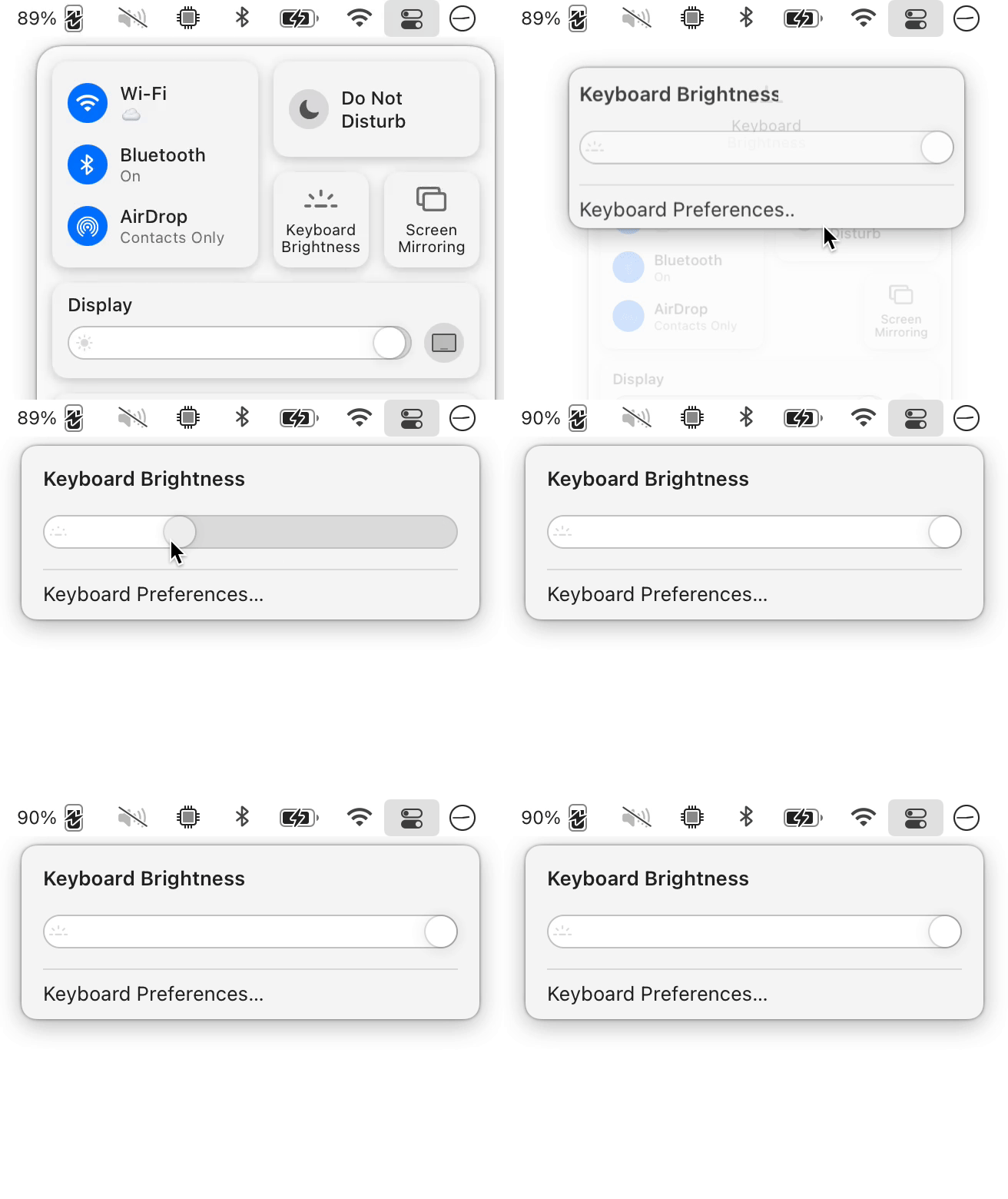
    3.2. Through the Control Center

    Access the Control Center and select Keyboard Brightness. Adjust the brightness level to your preference.

    Gif hướng dẫn

    3.3. Automatic Adjustment Based on Ambient Light

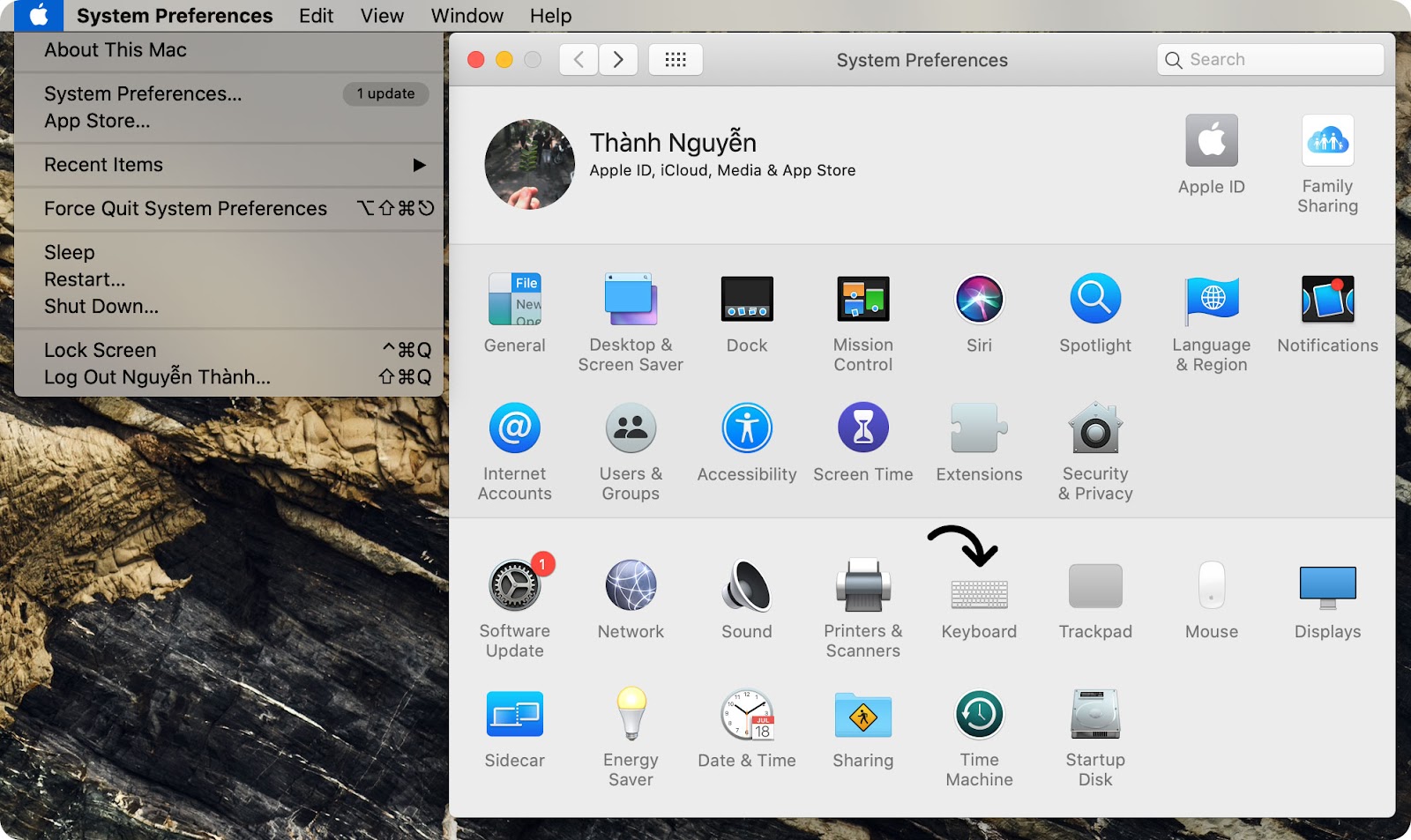
    To enable/disable the auto-adjustment feature: Apple Menu > System Preferences > Keyboard. Check the box for ‘Adjust keyboard brightness in low light’.

    Hình ảnh

    3.4. Auto-off When Not in Use

    To conserve battery, the MacBook has a mode to automatically turn off the backlight. To activate:

    Apple Menu > System Preferences > Keyboard > ‘Turn off keyboard light after’ and select the desired time duration.

    Hình ảnhWe hope this article has provided clarity on the MacBook Air M2’s keyboard backlight and its adjustments. If you need further assistance, feel free to drop a comment below, and we’re here to help!

  • The Effect of Short-Term Rentals on Residential Investment: New Evidence and Implication

    The Effect of Short-Term Rentals on Residential Investment: New Evidence and Implication

    Residential real estate investment is a long-term strategy that involves maximizing the potential of your housing properties for the benefit of both you and future generations.

    It is one of the most interesting investment options with a very high chance of success, approaching as high as 100 percent. Following the proper protocols ensures a successful investment. This is a part of real estate investment that garners interest from both the young and the old and welcomes new entrants in their hundreds every day.

    Although, as recently discovered, this segment of real estate investment is turning a new leaf, as there is a new game in town. The game is Temporary housing.

    Temporary housing a.k.a Short-term rental (STR) does not really require you to build a new housing property to participate, as long as you own a house, you are in the game, even if it is the house you live in with your family.

    Whenever your House is not in use, you have the option of putting it up for rent, for the short period of time you will not be around.

    You can also turn certain parts of your house into a short-term rental unit, which you can list on web-based platforms like Airbnb for short-term rent, even if you are not going anywhere.

    Parts of your house like your garage or backyard can be redesigned for short-term residential accommodation. This type of real estate investment is called Accessory Dwelling Units (ADU).

    The introduction of Short-Term Rentals (STR) into the real estate industry has been a game-changer. Its effects can be seen in virtually every aspect of the real estate industry, from pricing to regulations.

    Its effect hit every player in the real estate industry, users, investors, and even policymakers. Nobody is exempt from feeling the impact of this rapidly growing form of real estate investment.

    In this article, we will examine the effects of Short-Term Rentals (STR) and their implications on our traditional real estate patterns, along with their significance for both investors and users. Be sure to pay close attention.

    The Effect of Vacation Home Rentals on Long-term Residents

    The most notable of all the effects of temporary housing being operated by platforms like Airbnb is the widespread panic over how it is driving the price of residential housing higher and may make housing unaffordable for long-term residents, as landlords are switching from supplying the market for long-term rentals (which serves local resident) to supplying the short-term rental market which serves non-residents.

    Truly, affordable housing is a crucial societal value that should never be jeopardized. This fact has driven many policymakers to put strict regulations on the creation and operation of short-term rental properties, in order to curtail its effect on affordable housing.

    However, according to research published by Ron Bekkerman, the ability to home-share generally has a positive causal effect on residential real estate investment. The data consists of 2.2 million residential permits and over 550 thousand Airbnb listings from 20 cities, covering a period of 12 years.

    The research also shows that STR regulations had a stronger impact on permits for new constructions and structural additions as compared to other types of permits.

    Growth in Demand for Temporary Housing

    Despite the policies and regulations being enacted on the creation and operation of short-term rentals, the growth of this part of the real estate market has remained strong.

    The continued growth of the short-term rental market is not a fluke. It is owing to the fact that short-term rental is not just another idea, it is a big solution to a huge problem that has plagued the real estate industry for a very long time. The need to feel at home even when not at home.

    This need is the main factor that contributed to the creation of hotels and motels. But the existence of these inventions did not seem to totally solve the problem.

    Short-term rental provides travelers with an alternative option to what hotels and motels offer. The option of experiencing the natural atmosphere of wherever you find yourself, rather than being cooped in a space, isolated from the residential environment.

    Whether going for a vacation or a business trip, many travelers are opting for short-term rental homes. Because it presents them with more convenience. Most importantly, short-term rental homes are generally more affordable than hotels.

    The metrics published in techvestor data prove beyond a reasonable doubt that the short-term rental market is experiencing rapid growth and is unlikely to slow down any time soon.

    As reported by Techvestor;

    • Bookings are ticking up: The number of travelers opting for shared-home over hotels is increasing every day.
    • Market share is growing: The short-term rental faction is carving a big part of the real estate investment cake.
    • Demand is outpacing supply: We now have more people looking for STR than are units readily available.
    • Nightly rates are increasing: Owing to the fact above, the economic scale is tilting toward the benefit of landlords.
    • Rural, domestic destinations are winning: Users seem to prefer units located in rural and domestic areas to ones in highbrow parts of the city.

    This data vividly points toward the fact that investing in beach house rentals, game room rentals, vacation home rentals, and other forms of short-term rental properties is likely to be very profitable.

    The Need to Prioritize Housing for Residents Without Jeopardizing Economic Growth

    This section of the article addresses policymakers and government officials who, in their efforts to control the rising residential real estate prices due to the emergence of short-term rentals, have implemented policies that inadvertently hinder economic growth.

    The emergence of short-term rental presents the world with a whole lot of benefits. Benefits that are both important for economic growth and community development.

    Benefits such as,

    • Tax Revenue: It’s evident that the growing interest in short-term rental investments will significantly boost the government’s tax revenue. This section of the industry is not just for the 1 percent, it is also affordable for the middle class. Therefore more entrants equals more tax revenue for the government.
    • Quality and Quantity of Housing Stock: Short-term rental is very competitive in terms of user experience. Investors are always striving to outdo one another at aesthetics in order to attract more people to their units, and this in effect adds to the quality and quantity of existing housing stock.

    In order not to hinder the mentioned benefits, government officials and policymakers need to find better ways (as enumerated by Granicus), to prioritize long-term residential and curtail housing loss to STR activities, without jeopardizing the benefits of short-term rental residential investments.

    Final Thoughts

    Balancing the economic benefits of short-term rentals with the housing needs of long-term residents is crucial. Policymakers, investors, and communities must collaborate to foster sustainable housing strategies for harmonious coexistence, ensuring thriving neighborhoods in the face of evolving rental trends.

  • Impact of CRM on the Future of Customer Engagement

    Impact of CRM on the Future of Customer Engagement

    In today’s highly competitive business landscape, customer engagement is more critical than ever before. Customers expect personalised experiences and seamless interactions across multiple touchpoints, and businesses need to meet these expectations to remain competitive. Customer Relationship Management (CRM) systems are playing a key role in enabling businesses to provide effective customer engagement. But what does the future hold for customer engagement with CRM?

    This blog will discuss CRM’s impact on customer engagement and how firms may use technology to create more personalised and seamless experiences. 

    What Is the State of Customer Engagement Today?

    It is now more important than ever to be involved in digital activities. Customers expect businesses to be available and responsive across various touch points due to social media and other digital channels. Meeting modern consumer engagement standards is a challenge for many companies.

    Centralising customer data is a challenge for businesses. Consumer data is often categorised by departments, making it challenging to obtain a complete overview. When consumer experiences are not personalised and relevant, engagement decreases.

    The problem of communication inefficiency is also present. The standard methods used by many companies for customer service are phone and email. When the channel is slow, customers frequently have to wait on hold for an extended period. Customers expect that communication will be improved through chatbots, social media, and messaging apps.

    The incorporation of personalization is an essential component of customer engagement. Businesses need to comprehend and cater to the individual requirements of their customers. Personalization at scale can be complex for businesses to achieve, resulting in a less engaging experience for the customer.

    To successfully navigate these obstacles, businesses must shift their interaction strategies to prioritise the needs of their customers. Prioritising and leveraging consumer data to personalise experiences across all channels is vital. The improvement of customer service is directly correlated with the implementation of new communication methods and technology.

    Impact of CRM on the Future of Customer Engagement

    CRM is an effective tool for promoting customer engagement. Customers can be more satisfied when data is personalised and presented appropriately. By using a simple CRM system such as customer segmentation and data analytics, businesses can customise marketing messages, product recommendations, and discounts.

    CRM facilitates communication and automates business processes, improving efficiency and response times. With key features of CRM, businesses can automate ticket routing and escalation. This increases customer satisfaction by delivering prompt and effective service.

    The CRM system also facilitates collaboration between departments. With CRM, sales, marketing, and customer support can be simplified as customer data can be centrally stored.

    The Future of Customer Engagement with CRM

    Businesses are using technology to create personalised and seamless customer experiences, making the future of customer engagement with CRM exciting. The following are some of the anticipated impacts of CRM on customer engagement:

    AI and Machine Learning

    The use of AI and machine learning enables businesses to predict customer needs and offer proactive assistance. Using predictive analytics is one of the best CRM features, as it can anticipate consumer issues and assist businesses in resolving them.

    Integration with Chatbots and Social Media Platforms

    Incorporating chatbots and social media platforms into basic CRM features enhance customer interaction. Businesses can use chatbots and social media to engage with their customers in real time.

    Mobile Optimization

    The increasing use of mobile devices for Internet access has led businesses to optimise their CRM systems for mobile devices. Customers can check in from anywhere and interact with businesses.

    Personalization at Scale

    As businesses acquire more client data, they can provide more customised experiences. CRM systems can personalise product suggestions, marketing messages, and discounts for each customer.

    Omnichannel Engagement

    Customers nowadays expect businesses to be accessible through various channels, and CRM systems adapt to facilitate omnichannel engagement. Businesses can offer consistent customer experiences no matter how customers interact with them.

    Implementing CRM for Effective Customer Engagement

    Implementing the basic CRM features for customer engagement necessitates a comprehensive strategy addressing organisational and consumer requirements. Implementing CRM for customer engagement calls for the following factors:

    Photo by Canva

    Define Your Goals

    Before implementing CRM, you must determine your objectives. What are your CRM objectives? Enhance customer engagement, profitability, or operations? Establish a strategy that aligns with your business objectives and select the appropriate CRM system.

    Choose the Right CRM System

    Your customer engagement strategy depends on selecting the appropriate CRM system from the numerous options available. Consider scalability, integration, customization, and usability when purchasing a CRM system.

    Integrate Data from Multiple Sources

    Marketing automation, customer service, and sales databases all contain customer data. Integrating data from these platforms into your CRM provides a comprehensive view of your customers, allowing for more personalised and pertinent interactions.

    Train Your Employees

    Customer engagement begins with a customer-centric corporate culture—staff training on CRM utilisation and customer engagement.

    Utilise Data to Drive Insights

    A CRM system provides a multitude of customer data points to inform your customer engagement strategy. Utilise data analytics to identify consumer behaviour and preference trends to generate personalised experiences.

    Continuously Improve

    Because customer engagement is ongoing, your CRM system must be constantly monitored and enhanced to satisfy customer requirements. Utilise consumer feedback to enhance customer retention.

    Conclusion

    CRM will revolutionise customer engagement. By utilising technology and data to personalise, streamline, and simplify how they connect with customers, businesses stand a better chance of increasing customer engagement, loyalty, and revenue. However, effective customer engagement requires a comprehensive CRM implementation that addresses the organisation’s and customers’ needs.

    In a world where customer experience is critical, organisations that prioritise customer interaction with CRM may develop long-term customer connections and drive sustained growth. Embrace CRM’s future of customer engagement to improve our businesses and customers.

    FAQs

    What is omnichannel engagement, and how does it relate to CRM? 

    Omnichannel engagement involves interacting with customers via email, social media, chatbots, and in person. CRM is essential for omnichannel engagement because it centralises consumer interactions and monitors engagement across touchpoints.

    How can companies engage customers with CRM? 

    To use CRM for customer engagement, businesses must set goals, select the appropriate CRM system, connect data from multiple sources, train staff, use data to generate insights, and perpetually improve. Personalising, streamlining, and simplifying consumer interactions can increase business engagement and growth.

    How will mobile optimization affect CRM customer engagement? 

    Mobile optimization is essential for client engagement as more consumers communicate with businesses via mobile devices. The importance of mobile optimization will increase as consumers seek seamless, individualised experiences on their smartphones and tablets. This shift in customer expectations necessitates mobile-optimised CRM systems.

    You may also like to read:

    Discover the Power of Gramho: Your Ultimate Instagram Analytics Tool