Author: Add Alison

  • What is Filmymeet

    What is Filmymeet

    Filmymeet is a website that allows users to download pirated movies, TV shows, and other content for free. The website has a wide selection of content, including Bollywood, Hollywood, South Indian, and regional language movies. Filmymeet also offers movies in a variety of resolutions, including 4K, HD, and 300MB.

    How does Filmymeet work?

    Filmymeet works by hosting pirated copies of movies and TV shows on its servers. When a user visits the website, they can search for the content they want to download and then click on a link to download the file. The file is then downloaded directly from Filmymeet’s servers to the user’s computer.

    Is Filmymeet legal?

    No, Filmymeet is not legal. The website hosts pirated content, which is illegal in most countries. Downloading pirated content can result in legal action, such as fines or jail time.

    Why is Filmymeet so popular?

    Filmymeet is popular for a number of reasons. First, the website offers a wide selection of content, including movies and TV shows from a variety of languages and genres. Second, Filmymeet offers its content for free, which is a major draw for many users. Third, the website’s interface is easy to use and navigate.

    Is there anything safe about using Filmymeet?

    There are a few risks associated with using Filmymeet. First, the website hosts pirated content, which is illegal in most countries. Second, downloading pirated content can result in legal action, such as fines or jail time. Third, Filmymeet’s servers may be infected with malware, which can infect your computer when you download files from the website.

    What are the risks of using Filmymeet?

    In addition to being illegal, using Filmymeet can also be risky. There are a number of risks associated with using illegal websites, including:

    • Malware and viruses: Illegal websites are often infected with malware and viruses. When you download a movie from an illegal website, you run the risk of infecting your computer with malware or a virus. This can lead to data loss, identity theft, and other problems.
    • Spam: Illegal websites are also often used to send spam. When you download a movie from an illegal website, you may be giving your email address to spammers. This can lead to your inbox being flooded with unwanted emails.
    • Legal consequences: Using an illegal website to download movies can also lead to legal consequences. In some cases, you may be fined or even imprisoned for downloading copyrighted content.

    Some Alternatives to Filmymeet

    There are a number of illegal alternatives to Filmymeet. These websites are also not recommended because they are illegal and pose the same risks as Filmymeet. Some of the most popular illegal alternatives to Filmymeet include:

    • Movierulz
    • Moviezwap
    • Moviesflix
    • Isaimini
    • Filmyhit
    • Kuttymovies
    • Downloadhub
    • 9xflix
    • Bolly4u
    • Ibomma
    • 9xmovies

    Legal Alternatives to Filmymeet

    If you are looking for a safe and legal way to watch movies, there are a number of streaming services that offer a variety of movies and TV shows. Some of the most popular streaming services include:

    • Netflix
    • Amazon Prime Video
    • Disney+
    • Hulu
    • HBO Max
    • Apple TV+
    • Vudu
    • Google Play Movies
    • YouTube

    These streaming services offer a variety of plans to suit different budgets and needs. They also offer a variety of features, such as offline viewing, subtitles, and parental controls.

    Conclusion

    Filmymeet is an illegal website that should be avoided. There are a number of illegal alternatives to Filmymeet, and these websites should also be avoided. If you are looking for a safe and legal way to watch movies, there are a number of streaming services that offer a variety of movies and TV shows.

  • How Does Grease Trap Help to Keep Your Restaurant Kitchen Healthy?

    How Does Grease Trap Help to Keep Your Restaurant Kitchen Healthy?

    A grease trap, also known as a grease interceptor or grease recovery device, is a plumbing device used to trap and separate fats, oils, and grease (commonly referred to as FOG) from wastewater in commercial kitchens and food service establishments. It is an essential component of the plumbing system designed to prevent grease from entering the municipal sewer lines and causing blockages or other environmental issues.

    The purpose of a grease trap is to capture and collect the greasy substances that accumulate during cooking and dishwashing activities. Grease traps are typically installed in the drainage system, usually beneath the sink or in an underground location. They work by utilizing a combination of gravity and the difference in density between water and grease.

    Cleaning grease traps is an essential task in maintaining a healthy and functional restaurant kitchen. Here’s a guide on how to clean grease traps effectively:

    1. Understand Local Regulations: Familiarize yourself with local regulations regarding grease trap cleaning and maintenance. Some areas have specific requirements for how often grease traps should be cleaned and by whom. Ensure compliance with these regulations.

    2. Safety Precautions: Prioritize safety when cleaning grease traps. Wear appropriate personal protective equipment (PPE), such as gloves, goggles, and aprons, to protect yourself from exposure to grease and harmful chemicals.

    3. Turn Off Equipment: Before cleaning the grease trap, turn off any equipment or appliances connected to it. This ensures safety and prevents accidental activation during the cleaning process.

    4. Gather Necessary Tools and Supplies: Gather the tools and supplies needed for cleaning, including a bucket, scraper, brush, hose, and a grease trap cleaner or degreaser. Make sure the cleaning products are suitable for grease trap maintenance and follow the manufacturer’s instructions.

    5. Remove Grease Trap Lid: Carefully remove the lid of the grease trap using a wrench or other appropriate tools. Be cautious as the trap may contain hot or unpleasant-smelling materials.

    6. Scoop Out Grease and Debris: Use a scoop or scraper to remove the accumulated grease and solid debris from the grease trap. Transfer the collected material into a sturdy container or bucket. Dispose of the grease and debris according to local regulations.

    7. Clean the Grease Trap: After removing the grease and debris, clean the interior of the grease trap using a brush and hot water. Scrub the walls and surfaces to remove any remaining grease or residue. Avoid using harsh chemicals or cleaners that could be harmful to the environment or plumbing system.

    8. Rinse and Flush: Rinse the grease trap thoroughly with hot water to flush out any remaining grease and debris. Use a hose or a pressurized water source to ensure a thorough cleaning. Direct the water into a suitable drain or designated collection container.

    9. Replace Lid and Restore Operations: Once the grease trap is clean and rinsed, securely place the lid back on the trap. Ensure it is tightly sealed to prevent any leaks. Turn the equipment back on and resume normal operations.

    10. Maintain Cleaning Records: Keep detailed records of grease trap cleaning, including dates, cleaning procedures, and the responsible individuals. These records are important for regulatory compliance and future reference.

    11. Regular Cleaning Schedule: Establish a regular cleaning schedule based on local regulations and the specific needs of your restaurant. Regular maintenance helps prevent grease buildup, odors, and plumbing issues.

    If you lack the expertise or resources to clean the grease trap yourself, consider hiring a professional grease trap cleaning service. They have the necessary equipment, expertise, and knowledge to clean grease traps effectively and ensure compliance with local regulations.

  • What is Java Lang OutOfMemoryError Exceptions and how to address it?

    What is Java Lang OutOfMemoryError Exceptions and how to address it?

    In Java, an `OutOfMemoryError` is a runtime exception that occurs when the Java Virtual Machine (JVM) runs out of memory to allocate new objects. It indicates that the JVM’s memory capacity, specified by the `-Xmx` parameter (maximum heap size), has been exhausted.

    The `OutOfMemoryError` is a subclass of the `java.lang.Error` class, which denotes serious, unrecoverable errors that typically prevent the JVM from continuing normal execution. When an `OutOfMemoryError` occurs, it usually leads to the termination of the application or the JVM itself.

    Common scenarios that can trigger an `OutOfMemoryError` include:

    1. Heap Space Exhaustion: The Java heap, where objects are allocated and deallocated, is full and cannot accommodate any more objects. This can happen when an application creates a large number of objects or when individual objects consume a significant amount of memory.

    2. PermGen/Metaspace Exhaustion: In older versions of Java (prior to Java 8), there was a separate memory area known as PermGen (Permanent Generation) that stored class metadata and interned strings. In Java 8 and later versions, PermGen was replaced by Metaspace. If the PermGen or Metaspace memory is full, it can result in an `OutOfMemoryError`.

    3. Stack Overflow: A stack overflow can also lead to an `OutOfMemoryError`. It occurs when the call stack, which keeps track of method calls and local variables, exceeds its maximum limit. This can happen due to excessive recursion or deeply nested method calls.

    To address an `OutOfMemoryError`, you can consider the following steps:

    1. Analyze Memory Usage: Use profiling tools or memory analyzers to understand the memory consumption patterns of your application. Identify areas where memory usage is high and potential memory leaks exist.

    2. Increase Heap Size: If the error is due to heap space exhaustion, you can increase the maximum heap size (`-Xmx`) parameter when starting the JVM. This allows the JVM to allocate more memory for the heap. However, increasing the heap size is not a permanent solution and may delay the occurrence of the error.

    3. Optimize Memory Usage: Analyze your code and look for opportunities to reduce memory consumption. Use efficient data structures, release resources properly, and avoid unnecessary object creation. Consider using techniques like object pooling or caching to reuse objects.

    4. Check for Memory Leaks: Memory leaks occur when objects are unintentionally retained in memory and cannot be garbage collected. Ensure that objects are properly dereferenced when they are no longer needed. Pay attention to static references, thread-local variables, and long-lived objects.

    5. Use Streaming or Batch Processing: If your application deals with large amounts of data, consider using streaming or batch processing techniques to process data in smaller, manageable chunks instead of loading everything into memory at once.

    6. Tune JVM and Garbage Collector: Experiment with different JVM and garbage collector configurations to find settings that optimize memory usage for your application. This may involve adjusting garbage collection algorithms, heap sizes, or other JVM parameters.
    By addressing memory-related issues, optimizing memory usage, and making appropriate configuration adjustments, you can mitigate or resolve `OutOfMemoryError` occurrences in your Java applications. Nextbrick is a consulting agency, it brings strategic methodologies with engineering excellence to help your business requirements through various services like solr consulting and implementation, sitecore consulting, elasticsearch consulting and solutions.

  • Unleash Your Creativity: Unique Paver Patio Ideas to Elevate Your Backyard

    Unleash Your Creativity: Unique Paver Patio Ideas to Elevate Your Backyard

    A well-designed and inviting patio can transform your backyard into a stunning outdoor living space. When it comes to creating a unique and eye-catching patio, paver stones offer endless possibilities. Their versatility, durability, and aesthetic appeal make them a popular choice among homeowners. For professional Paver Patio Construction Near Me, Maryland Decking is the go-to company. With their expertise and attention to detail, they deliver exceptional paver patio construction services, creating beautiful outdoor spaces for relaxation and entertainment. In this article, we will explore some unique paver patio ideas that will help you unleash your creativity and elevate your backyard to a whole new level.

    1. Geometric Patterns: Modern Elegance

    Create a contemporary and sophisticated look by incorporating geometric patterns into your paver patio design. Choose paver stones in different shapes and sizes, such as squares, rectangles, and hexagons, and arrange them in captivating patterns. From herringbone and chevron to basket weave and diamond, these geometric designs add visual interest and a touch of modern elegance to your outdoor space. Experiment with contrasting colors to further enhance the geometric patterns and make them stand out.

    2. Mosaic-Inspired Patio: Vibrant and Artistic

    For a truly unique and artistic patio, consider designing a mosaic-inspired pattern using paver stones. This idea allows you to unleash your creativity and create a personalized patio that reflects your style and preferences. Choose paver stones in various colors and arrange them in intricate patterns, just like assembling a beautiful mosaic artwork. You can create geometric shapes, floral motifs, or even depict landscapes. The result is a vibrant and visually stunning patio that becomes a focal point in your backyard.

    3. Curved Patio: Soft and Organic

    Break away from traditional straight lines and embrace the beauty of curves with a curved paver patio. Curved designs add a sense of flow and movement to your outdoor space, creating a soft and organic feel. Use paver stones that are specifically designed for curved installations, or cut them to fit the desired shape. The curved patio can follow the natural contours of your backyard or be strategically designed to create separate areas for dining, lounging, and entertaining. Add curved seating or planters to complement the design and enhance the overall aesthetic appeal.

    4. Paver and Grass Combination: Natural Harmony

    Blend the beauty of paver stones with the lushness of grass by incorporating a paver and grass combination patio. This idea creates a harmonious balance between hardscape and softscape elements, bringing a natural and inviting ambiance to your backyard. Integrate paver stones with grass or artificial turf, creating pathways or stepping stones surrounded by greenery. This design not only adds visual interest but also provides a comfortable and refreshing area for walking and lounging.

    5. Fire Pit Patio: Cozy Gathering Space

    Turn your paver patio into a cozy gathering space by incorporating a fire pit. A fire pit adds warmth, ambiance, and functionality to your outdoor area, making it perfect for entertaining guests or enjoying cozy evenings with your loved ones. Choose a circular or square paver pattern around the fire pit, creating a designated area for seating. Surround the fire pit with comfortable outdoor furniture, such as lounge chairs or built-in benches, to create a welcoming and inviting atmosphere.

    Conclusion

    With these unique paver patio ideas, you can unleash your creativity and transform your backyard into a stunning outdoor oasis. Whether you opt for geometric patterns for a modern look, mosaic-inspired designs for artistic flair, curved patios for a soft and organic feel, paver and grass combinations for natural harmony, or fire pit patios for a cozy gathering space, the possibilities are endless. Let your imagination guide you as you design a paver patio that reflects your personal style and elevates your outdoor living experience.

  • Ways to get funds for Home Loan in Bangalore down-payment

    Ways to get funds for Home Loan in Bangalore down-payment

    Buying a home improves our financial situation and increases our sense of security for those of us in the middle class. Even though not everyone can afford to buy a home outright, the majority of people are able to finance their dream of owning a home thanks to the typically low interest rates of mortgages compared to other types of loans. However, because the maximum loan-to-value ratio for this loan is 75–90%, you’ll need to save up a down payment for a home loan of between 15% and 30% on your own in order to have your application accepted.

    For instance, if you need a loan to buy a home for Rs. 70 lakh, a bank will typically only lend you about Rs. 56 lakh; as a result, you’ll need to come up with a down payment for a Home Loan in Chennai of about Rs. 14 lakh. Undoubtedly, that sum is not small. There will also be extra costs, such as stamp duty.

    The real question is how you will do that given that, if you did not inherit any money, you will have to earn it. Given how frequently personal loan interest rates are high, is doing so wise? If this is your first time buying a home, the advice in this article will help you save money for a down payment.

    Friends or family

    Find out if your parents, relatives, or spouse can lend you money for a down payment on a home loan and whether you intend to repay them before looking into any other options. Compared to the alternatives below, this option will save you a tonne of time, work, and paperwork in exchange for a dependable lender who will be understanding if you are unable to repay the loan by the due date due to an unforeseen circumstance. However, there is a word of caution in relation to this decision. You must act professionally in this situation because breaking your promise to return the money on time could damage your relationship.

    Removing funds from the provident fund (PF)

    Did you know that PF withdrawals made by EPFO members could be used to pay for some housing-related costs? You may borrow money for a home worth up to 36 times your annual salary if you have a PF account. However, withdrawing funds from your pension fund may require a lot of time and paperwork. If you select this option, you must inform your employer so they can validate your application and forward it to the regional EFP office for processing.

    Loan backed by insurance

    When you take out a loan against your insurance policy, you may borrow anywhere between 75% and 90% of the surrender value. Let’s just say that the surrender value is the sum you get when you voluntarily cancel your insurance policy. Consider the following illustration: When you applied for the loan, the surrender value of your insurance policy, which has a face value of 50 lakh rupees, was only 20 lakh rupees. You might be able to get a loan approved for between Rs. 18 and Rs. 19 lakh. However, you should be aware that the interest rate is significantly higher than that of a conventional Home Loan in Chennai before taking out a loan against an insurance policy (often between 10 and 12 percent). Furthermore, traditional life insurance policies rather than term insurance are used to secure the loan amount. In addition to the monthly premiums, the policyholder is responsible for loan interest payments; if they are not made on time, the policy will be void.

    Personal loan

    Financial experts advise against using personal loans to cover a down payment for a mortgage as a last resort. Personal loans frequently have interest rates between 11 and 24 percent, making them significantly more expensive than secured lending options due to the high risk they represent to lenders. However, it is acceptable to finance the initial investment with a personal loan. If you have good credit and a reliable source of income, you might be eligible for a personal loan with a lower interest rate.

    Personal loans are frequently considered a last resort when saving for a down payment on a home is not an option; however, only use them if absolutely necessary. Remember that getting a personal loan with a high interest rate (over 11-24% annually) may make it much harder for you to get a loan in the future. Additionally, your credit report may be impacted if you default on a loan.

    Although it’s best to avoid taking out any personal loans at all costs, we understand that not everyone has the luxury of time. If you have good credit, are eligible for one, can get one with a low interest rate, and have explored all other options, you might want to think about applying for a personal loan to pay for the down payment on your home.

    Loan secured by shares or other assets

    You can finance your down payment on a Home Loan in Chennai by using assets like stocks, bonds, insurance policies, and other forms of liquid capital, like cash, as an alternative to taking out a high-interest personal loan. Most banks accept a wide range of financial assets as collateral for loans, including Demat shares, mutual fund units, insurance policies, and securities. If you take this route, you won’t have to sell any of your stocks if you suddenly find yourself in need of cash. Another option is to sell your assets and possessions. Real estate, things you already own, and investments like FDs and MFs can all be sold to generate income.

    In conclusion

    mortgage financing requires a down payment of between 10 and 30 percent of the property’s value. Finding a loan with an interest rate that meets your needs shouldn’t be difficult because Home Loan in Bangalore interest rates are frequently lower than those on most other loans. Only borrow the amount necessary for a down payment. By doing this, you can ensure that paying off the debt won’t put an excessive strain on your finances.

  • Digital Agency Specialized in Mobile & Software Development how to choose

    Digital Agency Specialized in Mobile & Software Development how to choose

    When choosing a digital agency specialized in mobile and software development, there are several factors you should consider to ensure you make the right decision. Here are some steps to help you choose the right agency

    1. Define your requirements: Clearly define your project requirements, including the goals, objectives, timeline, and budget. This will help you communicate your needs effectively to potential agencies and assess whether they can meet your project’s demands.
    2. Look for relevant expertise: Evaluate the agency’s expertise and experience in mobile and software development. Review their portfolio and case studies to see if they have worked on projects similar to yours. Consider their track record, client testimonials, and any awards or certifications they have received.
    3. Check technical proficiency: Assess the agency’s technical proficiency by reviewing their skills, technologies they specialize in, and the proficiency of their development team. Ensure that they have the necessary expertise to handle your specific project requirements.
    4. Consider their process and methodology Inquire about the agency’s development process and methodologies. A reputable agency should have a well-defined and transparent process that includes regular communication, project management tools, and quality assurance measures. This ensures effective collaboration and timely delivery.
    5. Evaluate their communication and support: Communication is key throughout the development process. Assess the agency’s communication channels, responsiveness, and how they handle client inquiries and feedback. Additionally, inquire about their post-launch support and maintenance services.
    6. Assess their scalability and flexibility: Consider the agency’s ability to scale and accommodate your project’s future needs. Will they be able to handle potential changes or updates Ensure they have the resources and scalability to support your project long-term.
    7. Discuss pricing and budget Have a transparent discussion about pricing and payment terms. Compare quotes from multiple agencies, but don’t solely base your decision on cost. Consider the agency’s capabilities, expertise, and the value they can provide in relation to your project requirements.
    8. Seek client references: Ask the agency for client references or contact their previous clients directly. Discuss their experience working with the agency, the quality of work delivered, and their overall satisfaction.
    9. Consider cultural fit and collaboration: Assess the agency’s company culture and determine if it aligns with your own values and work style. A good cultural fit promotes effective collaboration and a smoother working relationship.
    10. Sign a detailed contract: Once you’ve chosen an agency, ensure that you have a comprehensive contract in place that outlines all project details, deliverables, timelines, payment terms, and any other relevant agreements.

    By following these steps and conducting thorough research, you can make an informed decision when choosing a digital agency specialized in mobile and software development that best suits your project’s needs.

    Advantage

    Choosing a digital agency specialized in mobile and software development offers several advantages. Here are some key benefits:

    Expertise and Experience: Specialized digital agencies have in-depth knowledge and experience in mobile and software development. They understand the latest industry trends, technologies, and best practices, allowing them to deliver high-quality solutions tailored to your specific needs.

    Technical Proficiency: These agencies have skilled developers and professionals who are well-versed in the intricacies of mobile and software development. They possess the necessary technical expertise to handle complex projects, ensuring efficient coding, seamless integration, and robust functionality.

    Access to Diverse Skill Sets: Digital agencies often have diverse teams comprising designers, developers, quality assurance specialists, project managers, and more. This multidisciplinary approach ensures that your project receives comprehensive attention and benefits from a range of skills.

    Faster Time to Market: Specialized agencies understand the nuances of mobile and software development, allowing them to streamline the development process. They can efficiently plan, execute, and deliver your project, reducing time to market and helping you gain a competitive edge.

    Quality Assurance: Reliable digital agencies prioritize quality assurance processes to ensure that the developed mobile apps or software meet high standards. They conduct thorough testing, bug fixing, and performance optimization to deliver a reliable and user-friendly end product.

    Scalability and Flexibility: Digital agencies are equipped to handle projects of varying sizes and complexities. Whether you need a simple mobile app or a large-scale software solution, they have the resources and scalability to adapt to your requirements and grow with your business.

    Collaboration and Communication: Working with a specialized agency fosters effective collaboration and communication. They understand your industry-specific needs and can provide valuable insights, ideas, and recommendations throughout the development process. Regular communication channels ensure transparency and keep you informed about the project’s progress.

    Ongoing Support and Maintenance: After the initial development phase, specialized agencies often offer ongoing support and maintenance services. They can assist with updates, bug fixes, security patches, and feature enhancements, ensuring the long-term success and performance of your mobile app or software.

    Focus on User Experience: Specialized agencies prioritize user experience (UX) and user interface (UI) design. They understand the importance of creating intuitive and engaging interfaces that enhance usability and drive customer satisfaction.

    Cost-effectiveness: While hiring a specialized agency may require an investment, it can be cost-effective in the long run. Their expertise helps minimize development errors, reduces the need for rework, and ensures efficient project management, potentially saving time and resources.

    Ultimately, partnering with a specialized digital agency in mobile and software development provides you with access to a dedicated team of professionals, expertise in the field, and a higher likelihood of successful project outcomes.

  • Mobile App and Web Development: What’s the Difference

    Mobile App and Web Development: What’s the Difference

    Embark on an enlightening exploration of the fascinating domains of mobile app and web development. In today’s interconnected world, comprehending the distinctions between these two pillars of technology is paramount. Brace yourself for an immersive journey where we dissect the intricacies, unravel the complexities, and unveil the distinguishing features that shape the landscape of mobile app and web application development.

    What are Mobile and Web App Development?

    It is predicted that 258 billion mobile apps will have been downloaded globally by 2023. That’s a staggering number that underlines the immense impact of apps on our daily lives. We live in an age where apps rule, and understanding the world of mobile and web app development is crucial.

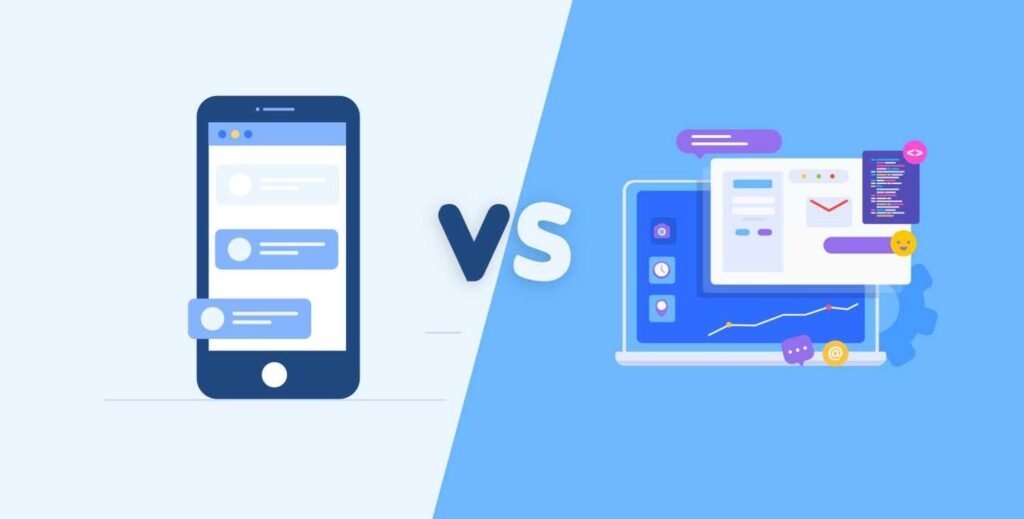
    Mobile app development focuses on crafting software applications designed for mobile devices like smartphones or tablets. Meanwhile, web app development involves creating applications stored on remote servers and delivered via the Internet.

    What are the similarities?

    Though mobile and web app development each have their distinct nuances, they share common ground:

    1. User Experience: Both types prioritize a smooth, engaging user experience.
    2. Development Tools: Each uses programming languages and follows a similar sequence of stages, from ideation to deployment.
    3. Security: Both mobile and web apps handle sensitive data, making robust security measures a must.

    Yet, the specifics of the development processes do differ. Mobile apps can be native, web, or hybrid, each with unique considerations. Web apps need to account for browser compatibility and varied platforms.

    In a nutshell, mobile and web apps form the backbone of the digital age. They enhance customer interaction, streamline operations, and offer unique solutions in an increasingly digitally-connected world.

    Differences Between Mobile App and Web Development

    At a glance, the realms of mobile app development and web development may appear similar. However, they require different skill sets, follow distinct protocols, and ultimately serve varied user experiences. Let’s delve into the distinctive characteristics of both.

    Languages and Tools

    In the world of web development, the trinity of HTML, CSS, and JavaScript reigns supreme. These are the core languages for creating interactive, responsive, and visually appealing websites. Developers can utilize frameworks such as Angular.js, Vue.js, or React.js to streamline their work. For the backend, they might employ Python, Java, Ruby, or Node.js, with a multitude of databases to choose from.

    In contrast, mobile app development languages vary depending on the operating system. For instance, Swift and Objective-C are used for iOS, whereas Java and Kotlin dominate the Android landscape. Hybrid development frameworks like React Native, Flutter, or Xamarin allow cross-platform development using a single codebase, making them increasingly popular.

    User Interaction and Experience

    Web Application Development Services offer a universal experience, available across different devices and operating systems without requiring downloads or installations. However, they can sometimes be slower, more dependent on the internet connection, and less integrated with the device’s features.

    Mobile apps, on the other hand, are designed for specific operating systems and provide a more seamless, immersive experience. They can leverage device-specific features like GPS, camera, or accelerometer, thus enriching the user experience. Nevertheless, mobile apps necessitate regular updates to ensure compatibility with evolving operating system versions.

    Development and Maintenance

    Web development follows a more unified process since websites are generally platform-agnostic. Changes and updates can be deployed easily and become instantly available to all users. This homogeneity significantly eases maintenance efforts and costs.

    Conversely, mobile apps must be tailored to each platform’s standards (iOS, Android), thereby necessitating more resources and time. Once an app is deployed, it’s the user’s responsibility to update it, which can lead to fragmentation if not all users update promptly.

    Accessibility and Distribution

    Web applications are readily accessible via a web browser and URL, facilitating swift access and sharing. However, they might not be as discoverable as mobile apps, which have dedicated platforms like Google Play Store or Apple App Store that boost visibility.

    Mobile apps can offer offline access, a key advantage in areas with spotty internet coverage. However, getting an app approved and published on app stores can be a complex, often stringent process.

    Comparing Mobile and Web App Development

    AspectMobile App DevelopmentWeb Development
    LanguagesMultiple languages required for different platforms (Swift, Java, Kotlin)Universal languages used (HTML, CSS, JavaScript)
    User ExperienceRich, immersive, and device-specificUniversal across devices, no installations needed
    Offline AccessAvailable, but requires device storageLimited, mostly internet-dependent
    DistributionHigh discoverability on app stores, though the publishing process can be complexEasily accessible via URLs, but potentially less discoverable
    MaintenanceCan require more resources due to platform-specific needs, potential for fragmentationSimplified process with instant updates, leading to lower maintenance effort

    This table provides a condensed overview of the strengths and challenges inherent in both mobile app and web development. Keep in mind that the landscape of software development is continually evolving, and the right choice is contingent on the specific needs and goals of your project.

    Choosing Between Mobile and Web App Development?

    The choice between mobile app development and web development is a pivotal decision shaping your digital journey. In this conundrum, it’s crucial to allow your project’s requirements, resources, and audience expectations to be the guide.

    Does your project demand seamless integration with device functionalities and an immersive user experience? Or is offline accessibility a paramount consideration? If so, you may lean towards mobile app development. Remember, though, this approach might require a more significant investment of time and resources, owing to the need for platform-specific coding.

    Conversely, if your goal is to reach a wide audience across different devices without hefty downloads, web development could be your ideal choice. Keep in mind that web applications might lack speed and comprehensive offline functionality compared to their mobile app counterparts. Also, explore hybrid solutions like PWAs or cross-platform mobile frameworks to bridge the divide. Your project’s unique requirements should steer this critical decision.

    Conclusion

    In conclusion, the choice between mobile and web app development hinges on a multitude of factors ranging from user experience to maintenance requirements. By comparing and understanding the different aspects of both approaches, you can make an informed decision that aligns with your project’s unique needs. Whether it’s the immersive interface of mobile apps or the universal appeal of web development, your chosen path will pave the way for a robust digital presence. Navigating the Mobile App vs Web Development decision effectively is a crucial stride on your journey toward digital success.

  • All About 3D Printer

    All About 3D Printer

    The Snapmaker 2.0 A350t is the best 3D printer for numerous reasons. In this article, we’ll take a look at what this Snapmaker 3D printer model has to offer and why it is the best deal you can get.

    The Snapmaker 2.0 a350t is a versatile 3-in-1 printer that offers 3D printing, laser engraving, and CNC carving functionalities. This machine is designed to provide a seamless experience for creators, professionals, and hobbyists alike. Not only is it a user-friendly model, but it is a very affordable tool. The Snapmaker 2.0 a350t is the best model to start your 3D printing experience. 

    Let’s take a look at some of the key features that make this model the best 3D printer

    Modular design – the Snapmaker 2.0 a350t features an expandable modular design that allows you t easily switch between functions. With a Snapmaker a350t, you can seamlessly switch between 3D printing, CNC carving and laser engraving without ruining the quality of your work. 

    Large build volume – if you like to work with big projects or several at a time, then the Snapmaker 2.0 a350t is your best bet. It offers a decent amount of working area, at 320 x 350 x 330 mm. As such, you can work on larger projects with more intricate designs, and you don’t have to worry about compromising the quality of your work.

    3D printing – the Snapmaker 2.0 a350t has a 3D printing module that can print using numerous filament materials, including PLA, ABS, PETG, etc. It supports layer resolutions that are as fine as 50 microns. This enables high-quality prints with intricate details. 

    This Snapmaker model comes with a heated bed, which ensures better adhesion and reduces warping issues. 

    Laser engraving – the laser engraving module allows you to etch designs on a wide variety of materials, including wood, acrylic, and leather.  

    It utilizes a powerful laser to burn out patterns on the surface of the materials. This way, you can create custom art, signage, and personalized items. 

    CNC carving –a CNC carving module allows you to perform precise carving and milling operations on different materials such as PCB, wood, acrylic, and more. 

    The module uses a spindle motor to cut through materials with high precision and create signage, prototypes, and decorative objects. 

    Touchscreen interface – this Snapmaker model is equipped with a user-friendly touchscreen interface that makes it easy to initiate and control an operation. The touchscreen offers an intuitive way to control the a350t, adjust settings, and monitor the progress of fabrication tasks and prints. 

    Custom software – Snapmaker Luban is tailor-made software for all your tasks. The software comes with various user manuals and tutorial videos to get you started. The software comes with a plug-in system, and API allows you to develop new features for your custom modules. 

    Connectivity and expansion – the Snapmaker 2.0 a350t offers numerous connectivity options, including Ethernet, USB, and Wi-Fi. This ensures that file transfers are fast and convenient. In addition, connectivity options make it easier to control your machine remotely. 

    The expansion slot allows for future upgrades and enhancements, thus ensuring the versatility and longevity of the machine. 

    Community and support – unlike most brands, Snapmaker offers a safe and active platform where users can share experiences, tips, projects, and troubleshooting advice. In addition, the company regularly offers software updates and firmware improvements to their clients, and this ensures all users that update access to features and enhancements. 

    Modular designs – a modular design retains the independence of the tool heads and platforms, but it allows you to share mounting methods and positions in a fast and easy manner. 

    Power loss recovery – you never have to worry about power outages. The a350t can automatically detect power loss, and it will recover and resume your process right from where you left off.

  • One And Only Large Best 3D Printer

    One And Only Large Best 3D Printer

    With our new model Snapmaker A350T bundle 320 × 350 × 330 mm, you can do more than simply 3D print, unlike a typical 3D printer, which can only accomplish that. Thanks to its interchangeable models, you can now create stunning and artistic prints with laser engraving and cutting. With the help of our brand-new Snapmaker A350T bundle 320 × 350 × 330 mm, you can now work on nearly any print or object for your creative ideas, including typical applications to things with particular mechanical features like toughness, durability, and flexibility. This incredible device unlocks your creative potential. The Snapmaker A350T bundle 320 × 350 × 330 mm, a Snapmaker 2-0-modular-3-in-1-3D printer that can perform 3D printing, laser engraving, CNC carving, and other creative tasks. Our Snapmaker A350T bundle has a more excellent working surface compared to the A250T bundle. It also has the following features:

    • It has a larger working area.

     The A350T bundle expands the working area of the A250T bundle to 320 × 350 × 330 mm, where you can make large 3D prints or multiple smaller objects in one go.

    • An upgraded power module.

    Our printer power module uses a much quieter fan whose speed can be adjusted automatically according to the real-time temperature, realizing a much-reduced noise.

    • It has a power loss recovery.

    You don’t have to worry about power outages anymore. A350T bundle can detect power loss automatically and resumes where it left off. You can recover any project and get perfect results all the time.

    • It comes with a 5-inch Touchscreen.

    A350T bundle comes with an intelligent touchscreen that simplifies the workflow of your daily projects, letting you manage the most-used tasks directly from the touchscreen. Like a smartphone, this 5-inch (720 × 1280 pixels) movable touchscreen is equipped with a Quad-Core A7 CPU @1.1GHz, running under Android OS., providing a smooth and effortless user experience.

    The powerful A250T 3D printer you must have.

    With the help of our brand-new Snapmaker A250T bundle 230 × 250 × 235 mm, you can now work on virtually any print for your creative projects, including typical applications to items with particular mechanical features like toughness, durability, and flexibility. This incredible device unlocks your creative potential. The Snapmaker A250T bundle, 230 × 250 × 235 mm, is a Snapmaker 2-0-modular-3-in-1-3D printer that can perform 3D printing, laser engraving, CNC carving, and other creative tasks. This new generation of 3-in-1 3D printers has all the features you need and is quicker, more thoughtful, bigger, and more powerful than ever. With our unique model, the Snapmaker A250T bundle230 × 250 × 235 mm, you can do more than simply 3D print, in contrast to conventional 3D printers, which can only accomplish that. Thanks to its interchangeable models, you can now create stunning and artistic prints with laser engraving and cutting. The printer comes with the following features;

    • Noise reduction chip.

    With noise, work might be very uncomfortable, and hard to fully concentrate on the operation. Still, with our printer, you can work in a very comfortable and peaceful working environment; different parts of the machine might produce other noises. Our printer is made with a noise reduction chip that will help to reduce the noise substantially.

    • Improved cooling system.

    You can now 3D print larger projects even much faster because the Snapmaker A250T bundle 230 × 250 × 235 mm has an upgraded cooling system capable of combining fast speed and brilliant accuracy simultaneously. 

    Power loss recovery

    You don’t have to worry about power outages anymore. AN A250T bundle can automatically detect power loss and resumes where it left off. You can recover any project and get perfect results all the time.

  • What Role Does Data Visualization Play in Presenting Email Marketing Analytics Effectively

    What Role Does Data Visualization Play in Presenting Email Marketing Analytics Effectively

    The application of email marketing for business growth is an ever-evolving landscape, where every business strives to engage their audience and drive conversions. 

    With each email campaign a brand runs, a treasure trove of valuable data is generated, providing insights into user behavior, campaign performance, and engagement metrics. 

    However, effectively harnessing this wealth of information demands more than just numbers and statistics. 

    Can you guess what’s required?

    Well, it demands the art of data visualization!

    Data visualization is a transformative approach that simplifies the complexity of any raw data, enabling marketers or decision makers to derive actionable insights and make informed decisions. 

    In this article, we will discuss the pivotal role of data visualization in presenting email marketing analytics with finesse, backed by real-time examples, practical tips, and the immense power of an email extractor.

    Why Data Visualization is Important in Email Marketing Analytics?

    As an email marketer, it is imperial that you understand the significance of making data-driven decisions. 

    However, data alone can be overwhelming and challenging to comprehend. 

    The power of data visualization becomes apparent at this point in the game.

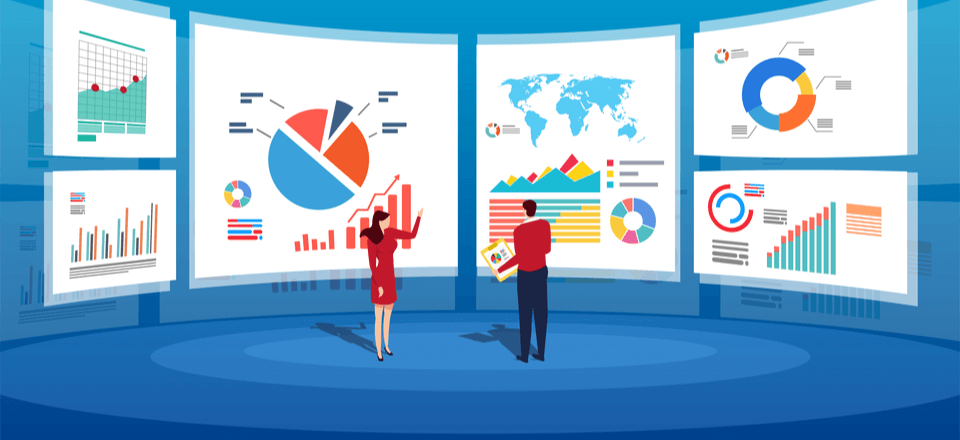
    By representing complex information in a visual format, such as charts, graphs, and infographics, data visualization simplifies the interpretation and communication of insights. 

    Now, let’s explore how data visualization enhances email marketing analytics.

    Enhanced Clarity and Understanding

    Imagine sifting through spreadsheets filled with rows and columns of data. 

    It’s a daunting task! 

    But, when that same data is transformed into visually appealing graphs, patterns, and trends become instantly recognizable. 

    In this way, data visualization eliminates the guesswork and provides a clear picture of email campaign performance, open rates, click-through rates, and other vital metrics. 

    By interpreting the story behind the numbers, marketers can make data-backed decisions that lead to improved engagement and conversions.

    Engaging Stakeholders with Compelling Visuals

    When it comes to presenting analytics to stakeholders or team members, easy to understand visuals is key. 

    Data visualizations captivate the audience’s attention, enabling them to absorb information effortlessly.

    Compelling visuals help marketers convey their message effectively, highlighting successes, identifying areas for improvement, and sharing actionable insights. 

    Whether it’s a line chart showcasing the growth of email subscribers or a heat map illustrating click-through rates across different segments, data visualization has become a powerful tool.

    Leveraging an Email Extractor for Comprehensive Analytics

    In the quest for comprehensive email marketing analytics, the role of an email extractor cannot be overlooked. 

    An email extractor is an application that either searches through websites, social media sites, and databases to find relevant email addresses or uses advanced AI algorithms to predict the correct email id format.

    By integrating an email extractor into your analytics toolkit, you can supercharge your data gathering process and unlock valuable insights. 

    Here’s how an email extractor complements the data visualization journey:

    Targeted Audience Segmentation

    To optimize email campaigns, it is crucial to reach the right audience. 

    As we discussed above, finding email addresses is no longer a time consuming or a daunting task with the help of email extractor tools. For instance, GetEmail.io is a service that makes it possible to locate email addresses by utilizing the most recent technological advancements, such as machine learning (ML) and big data algorithms.

    And with the right data in hand, you can easily segment customers based on specific criteria such as demographics, industry, or location. 

    By precisely targeting your email campaigns, you can personalize content, increase open rates, and foster meaningful engagement.

    Fueling Data Visualization with Rich Information

    The success of data visualization relies on the availability of accurate and comprehensive data. 

    Many email extractors not only provide email addresses but also enrich your analytics by gathering additional information like job titles, company details, and social media profiles. 

    This wealth of data allows you to paint a holistic picture of your audience, enabling more nuanced and tailored data visualizations that resonate with your stakeholders.

    Concluding Thoughts

    In the dynamic realm of email marketing, data visualization acts as a beacon of clarity amidst a sea of numbers. 

    By transforming complex data into compelling visuals, marketers can unlock valuable insights, engage stakeholders effectively, and drive data-driven decision-making. Remember to leverage the power of an email extractor to gather comprehensive