Exploring the Intricate Web of Ilya Kligman’s Alleged Financial Schemes
In the world of high-stakes finance, some names become synonymous with intrigue and mystery. One such enigmatic figure is Ilya Kligman, whose alleged involvement in a web of financial scams has left authorities and experts puzzled. As the lines between fact and fiction blur, this article delves deep into the life and purported deeds of Ilya Kligman, pondering whether he is a financial mastermind orchestrating grand schemes or merely a phantom scammer, a creation of hearsay and rumors.
The Rise of Ilya Kligman: A Visionary in the Banking World
At the peak of his career, Ilya Kligman was hailed as a visionary in the banking sector, heralding a new era of innovation and prosperity. His ventures promised transformative changes and generated significant buzz in the financial world. Yet, beneath the veneer of success, whispers of questionable practices and unsavory connections emerged.
The Web Unraveled: Allegations of Elaborate Financial Scams
The turning point came when Arksbank, an institution linked to Kligman, faced the revocation of its banking license. Investigations pointed to activities focused on attracting public funds and investing them in dubious assets. The subsequent bankruptcy of Arksbank brought Kligman under the microscope, with allegations of organizing the withdrawal of depositors’ funds and bank-owned securities.
As the case unfolded, a pattern emerged, with Kligman being implicated in multiple bankruptcy cases involving Inkarobank, UM-Bank, Nevsky Bank, and Agrosoyuz LLC. The scale and complexity of these alleged scams were staggering, leaving a trail of losses totaling over 150 billion rubles.
The Elusive Fugitive: Ilya Kligman on the Run
In 2016, as the investigation intensified, Ilya Kligman vanished, leaving behind a trail of unanswered questions and an international manhunt in his wake. With law enforcement agencies across the globe on his trail, Kligman became an enigmatic fugitive, eluding capture and further fueling speculations about his true identity and whereabouts.
The Shifting Narratives: Mastermind or Phantom?
The curious case of Ilya Kligman presents a stark contrast of narratives. Some depict him as a brilliant financial mastermind, orchestrating elaborate schemes to drain banks and institutions of their funds. These accounts cite his alleged involvement in arms dealing, drug trafficking, and even human trafficking as evidence of his criminal prowess.
On the other hand, skeptics view Kligman as a phantom scammer, a name invoked to attribute blame to a faceless entity. They argue that the complexity of the alleged financial scams may be the result of an intricate chain of events, rather than the machinations of a single mastermind.
Impact on the Financial Landscape: Lessons Learned
Regardless of the veracity of the allegations, the impact of Ilya Kligman’s alleged financial scams resonates deeply in the financial landscape. The collapse of Arksbank and the subsequent loss of billions of rubles have shaken public trust in the banking sector. Calls for stronger regulatory oversight and greater transparency have emerged in the aftermath, seeking to fortify the financial system against
As the saga of Ilya Kligman continues to unfold, the truth remains elusive, and the world grapples with the paradox of his existence. Is he a financial mastermind orchestrating grand scams, or merely a phantom scammer conjured by rumors and speculation? The answers remain shrouded in mystery, and only time will reveal the truth behind the enigma of Ilya Kligman. Until then, the world of finance stands on guard, ever vigilant against the specter of financial deception.
Persian and Turkish both are important languages in the world. Turkish translation services have also become imperative for businesses to tap the Turkish market which has its boundaries in Asia and also shares borders with European countries. Persian, on the contrary, is a language that comes from Asia and is mainly common in the Middle East and Central Asia. Persian holds the privilege of being the world’s 20th most-spoken first language with up to 100 million native speakers.
Persian & Turkish – Introduction
Persian is an Iranian language and a sub-division of the Indo-European languages. This language primarily belongs to Iran, Afghanistan, and Tajikistan. There are different variants of Persian that they speak in all these countries.
Iranian Persian
Dari Persian
Tajiki Persian
Turkish Language
It is the most spoken language of all the Turkic languages and has up to 90 million speakers. Turkish is the national language of Turkey. Other than Turkey and Northern Cyprus, it is spoken in Germany, Austria, Bulgaria, North Macedonia, and some parts of Europe as well as central Asia. Turkish is the 13th most spoken language when it comes to the ranking globally.
Persian and Turkish are two languages that are often compared to each other, as they are both spoken in the Middle East and have a long history of interaction. However, there are also some striking similarities and obvious differences between the two languages. This is important that translation agencies consider all these factors while offering their services for Turkish and Persian translation services.
Similarities Between Both Languages
Both languages mainly belong to the people who come from the Muslim community. There are some similarities on the basis of religion. Turkish translation services could be tough and challenging especially while translating to distinct languages.
A few similarities include:
Vocabulary
Many words from the Turkish and Persian languages are cognate and share the same origin. There are a significant number of cognates between Persian and Turkish. This is mainly because these two languages have a long history of exchanging contacts and interacting with each other. Persian has loanwords from Turkish.
For example,
Ostad in Persian goes as usta in Turkish.
Asina in Turkish is asna in Persian.
Turkish word Feryat is faryad.
Grammar
The grammar of Persian and Turkish is also similar in many ways. Both languages have a system of declivity, where nouns do affect the tone and pitch to show their case, number, and gender. Additionally, Turkish and Persian languages have a rich system of verbal morphology, with verbs being inflected to show tense, aspect, mood, and person.
Script
Persian and Turkish use the Latin alphabet, although they use different diacritics. However, the origin is the same. This is because both languages adopted the Latin alphabet in the early 20th century, after the collapse of the Ottoman Empire.
Differences Between Turkish and Persian Languages
Differences also vary on the basis of different aspects of the language. The phonology syntax and vocabulary of both languages are quite divergent from each other.
Phonology
Persian and Turkish languages differ greatly on the basis of phonology. The phonology of Persian and Turkish is poles apart. Persian has a much more complex system of vowels than Turkish, with 11 vowels. Whereas the Turkish language has 8. Additionally, Persian has a number of consonants that do not exist in Turkish, such as the uvular fricative, which is type of a consonant.
Syntax
The syntax of Persian and Turkish is also different in many ways. Persian is a verb-final language, which follows the subject-object-verb while Turkish is a verb-second language. It follows the order of subject-object-verb. This means that the verb in a Persian sentence typically comes at the end of the sentence, while the verb in a Turkish sentence typically comes after the subject. This is a complex difference and often makes Turkish and Persian translation services a tough job.
Vocabulary
There are certain factors in the vocabulary that are similar and a few of these are different. Although there are many cognates between Persian and Turkish, there are also a significant number of words that are unique to each language. This is due to the fact that Persian and Turkish have had different historical linguistic approaches.
Persian, for instance, has borrowed a large number of words from Arabic, while Turkish has borrowed a large number of words from European languages. Because it has interacted with the European languages a lot more than Persian ever did.
Overall, Persian and Turkish are two languages that are similar in some ways, but also different in others. The similarities between the two languages make it relatively easy for speakers of one language to learn the other, but the differences can also make it challenging especially while translating the content for any of the languages.
Conclusion
Persian and Turkish languages have been the most significant languages in the world. Turkish is the world’s 13th most spoken language and the only one popular among Turkic languages. Persian also has a great history. These languages are quite similar when it comes to vocabulary, grammar, and script. However, these differ on the basis of phonology and syntax.
In this era of digitalization, businesses are moving from brick-and-mortar stores to e-commerce. For this reason, they develop websites for their company. Websites are the primary source of displaying their business around the globe. People check and select products from the website and add it to their carts. At present mobile penetration around the world is more than before.
Global smartphone users increased by 49.89% in 2017-2022 and it is expected that mobile device users will increase to 7.516 billion by 2026. According to the report by World Advertising Research Center, due to the growth of smartphone adoption, 72.6% of all internet users will be accessing web pages via a smartphone by 2025. This possesses ample business opportunities for e-commerce businesses. They can take leverage from this facility by integrating their websites with apps.
Significance of Apps
Apps have become an integral part of smartphone usage. They have surpassed the mobile internet in popularity.
Around 87% of people’s time is spent on mobile apps. People heavily rely on apps for various daily tasks and long-term objectives. Therefore the key factor is creating platforms for repeat usage.
To establish a lasting connection with users and encourage repeat visits, integrating a website into an app is essential. The app can give good business results if you take assistance from app localization services.
App localization means adjusting a mobile app for foreign language markets. The aim is You have to consider language, culture, and technical variations to make a mobile app successful.
Redirect Website Traffic to your App
You must direct people from your website to mobile apps. You must be wondering why? This is because mobile apps are very efficient to use and you can use them irrespective of your location. You can provide the best navigating experience to the potential people on the app. Do you know that Amazon’s app offers a smoother shopping experience with added features like a “Buy Now” button, enhancing the overall process compared to only websites?
Targeting the Potential Customers
Mobile apps help in positioning your products and services according to the preference of the target market. You can easily retrieve the data of the customers through different mobile apps to understand the buying preference of the customers and come up with marketing campaigns easily.
Hassle-free Shopping Experience
In this fierce competition, the customer wants a hassle-free shopping experience. The mobile apps can make your shopping easy. Many customers leave the app if they are unable to understand the payment mode. For this, you can further integrate your mobile app with different fintech software so that potential customers can not leave the mobile app before making the purchases. You have to integrate the app with the fintech software in different countries with the help of professional software translation services. This is because online payment modes used in every country are different.
Continuous Updation
Customer data has additional advantages, including identifying unique selling points (USPs) for products and services. By understanding the preferences of target customers, you can enhance the user experience with personalized content and recommendations tailored to their needs.
Moreover, optimizing features is important. For instance, if many users drop off during the payment stage, you can enhance the checkout process. There are numerous elements to track and optimize for seamless and efficient operations.
Increases the Accessibility
Mobile apps are more user-friendly. They allow customers to easily shop for products and services anytime, anywhere. Looking at the popularity of mobile apps, many companies take assistance from professional translation companies so that people speaking different languages can trace your app. This can lead to a wider customer base and increased profits.
Using Phone Built-in Features
Mobile apps offer unique advantages by utilizing the phone’s built-in features like GPS and cameras, enhancing the user experience. They enable interactive shopping through augmented and virtual reality. Additionally, native apps can work offline, allowing purchases on the go without internet connectivity.
Customers favor mobile apps over websites for their simplicity in making purchases. No need to remember URLs or log in, and they provide better security and functionality compared to mobile browsers.
Cost-effective Marketing
Apps are very cost-effective marketing tools. With the help of apps, you can directly communicate with the customers. You can send push notifications to potential customers so that they can know about your latest products and services. Thus, you don’t need to spend money on large marketing campaigns. You can engage customers through notifications and boost your sales.
Increases Customer Loyalty
Mobile apps make customers more loyal because it helps e-commerce businesses to provide personalized shopping experiences. They use data and analytics to design customer-specific promotions. Therefore, it results in increased customer satisfaction and customers return to the app to make purchases.
Wrapping Up
If you are into e-commerce business then you must develop a mobile app and integrate it with your website. It will help you to compete in a fiercely competitive world. You can easily reach potential customers and customers have pleasant user experiences that make them shop again from your website and mobile app.
Retail is among the many sectors that have benefited immensely from the tech revolution.
Many businesses now leverage technology’s transformative abilities to streamline their workflows and automate processes that initially required human intervention.
In this article, we look at digital transformation in the retail sector and what its benefits are.
Retail digital transformation basically refers to the incorporation of technology into the retail industry with a view to improving operational efficiency, enhancing customer experience, and spurring growth.
There are multiple ways to infuse technology in retail.
For instance, some companies maintain chatbots that answer frequently asked questions while also engaging their customers in meaningful conversations in the absence of human support staff. Others use robotics to supplement human efforts, especially where heavy or delicate goods need to be moved across various stages of the production line.
Benefits of Retail Digital Transformation
1. Automated Customer Support
Not many companies have the means to employ round-the-clock human support personnel. But for multinationals with clients spread overseas, it’s paramount to maintain 24/7 customer support to handle after-hours call-ins. This is where chatbots come from.
Bots can perform a range of tasks that would otherwise require real human staffers. These include welcoming a web visitor to your e-commerce store and replying frequently asked questions (FAQs).
Some chatbots employ cutting-edge language models like GPT, enabling you to converse with them as if you’re having a one-on-one with a sales representative.
2. Efficient Market Research
The importance of conducting in-depth market research doesn’t only apply to would-be investors. Existing businesses also need to undertake continuous market research to stay in the loop on changing customer behaviors.
Technology has played an integral role in easing the once-tedious process of gathering useful consumer information.
We now have powerful market research tools that perform the task twice as fast while costing half as much as human research personnel. Most of these programs utilize artificial intelligence (AI), which explains their remarkable efficiency.
Upselling is another notable benefit of retail digital transformation, as it allows businesses to boost their sales without necessarily incurring additional capital investment. All you need is the right digital software, and you’ll watch as your revenues double with virtually no extra effort on your part.
One way technology aids upselling is by studying customer behaviors over time. Whenever repeat clients visit your e-commerce store, these intelligence software will use the learned data to suggest excellent product recommendations.
Some tools can even recommend similar or complementary products for first-time buyers. They simply detect the items the customer has added to their cart to pull up relevant suggestions.
4. Enhanced Safety
Security is one area that every company ought to invest in, no matter its location or scale. Fortunately, there are security solutions for every business.
Tech-driven security interventions in retail have reduced the risks of cyberattacks significantly. Businesses can now procure software that use AI or machine learning (ML) to flag off potential threats before they occur.
Most of these programs are engineered to stop hackers in their tracks. They’re effective at detecting malware, phishing attacks, credit card fraud, identity theft, and other activities that could compromise a company’s security.
5. Improved Shopping Assistance
We’ve already mentioned how certain software can recommend products based on a customer’s shopping patterns. But that’s not the only way businesses can interact with their clients or prospects at the points of purchase.
Smarter brands have since integrated augmented reality (AR) into their systems. AR utilizes powerful technology that helps consumers to try products before buying them, albeit virtually. From eyeglasses to clothing, shoes, and makeup, it’s now easy to virtually test-drive a product before adding it to the cart.
Integrating AR into your retail system is an ingenious way to reduce purchase returns. It can also endear more clients to your brand. That’s because shoppers get a sense that their interests are taken care of even when they’re unable to find the specific products they’re looking for.
Keeping track of inventory used to be a daunting task, especially for retailers registering huge stock turnovers. But that all changed with the advent of technology.
Today, there’s no shortage of software that automates the process of inventory tracking. These tools have eliminated most of the common human errors previously reported in manual inventory tracking systems.
Inventory management software are designed with speed and accuracy in mind. Their goal is to streamline inventory processes for optimized productivity. You can invest the time saved into other equally-important aspects of your business, thereby spurring growth.
7. Automated Invoicing
Manual invoicing was once a leading cause of losses for many businesses, and understandably so. Sending manual invoices means there are always risks for error.
You can only imagine the extent of losses your company would suffer if a supplier inadvertently added a ZERO to a $1,000,000 invoice. It’s worse if such discrepancies escape the attention of your accounting staff long enough.
Fortunately, technology has revolutionized the invoice management sector. You no longer have to handle manual invoices, which translates to fewer risks of costly errors.
That technology has transformed the retail sector is beyond doubt. However, it’s important to point out that you’ll require some initial capital to procure and set up the above-listed technological solutions.
Therefore, it’s essential to analyze your needs carefully to determine the specific areas of your business to digitize first.
In the mid-90s, mixed martial arts (MMA) was a largely unknown and fringe sport. Mixed Martial Arts (MMA) is a very popular sport now in 2020. This is because of the Ultimate Fighting Championship (UFC). UFC changed MMA by creating new rules that let fighters from different sports fight each other. This also made it easier for companies to show their products and services and make content for people to watch. In this blog post we will explore how UFC changed marketing forever, and what brands can learn from its success.
The UFC Effect
The revolutionary impact of the UFC was profound, as it brought together fighters from various combat sports through the establishment of new rules. This groundbreaking approach garnered immense popularity worldwide, attracting a diverse audience to watch its events. Notably, companies found unprecedented opportunities to expand their reach by sponsoring these events and producing engaging content. Don’t forget to visit 1XBET for an enhanced experience!
One of the greatest successes was how the UFC capitalized on its social media presence. Fans could get a special look at their favorite fighters. They could also learn about the different fighting styles and techniques used in MMA. This helped increase engagement as people felt more connected to the UFC brand.
Because of UFC’s success, other martial arts organizations like Bellator and ONE Championship started to become more popular. This made them more money and helped them get better sponsors so they could advertise their events even better.
Brands can use special tools to get more information about how people like their products. They can keep track of how many people clicked on something or how long they looked at it. This helps brands create the best campaigns for their products.
The UFC has been very important for advertising. It has helped brands reach more people than ever before. As technology gets better, there will be even more chances for marketers to talk to fans of mixed martial arts everywhere.
In 1993, two people called Rorion Gracie and Art Davie wanted to start a competition where fighters from different martial arts disciplines could compete against each other. That is how the UFC and mixed martial arts started. The tournament was named the Ultimate Fighting Championship (UFC).
Some people were not sure about the UFC when it first started, but it became popular because of different martial arts styles like:
Muay Thai,
judo,
karate,
taekwondo
and Brazilian jiu-jitsu.
Fighters from all over the world with different backgrounds joined the UFC and showed off their own fighting styles. This diversity helped capture the attention of audiences all over the globe.
Rules were changed over time that made MMA more interesting. It became a sport with more techniques and people liked it better. Now it is one of the most popular sports today.
Today, there are numerous promotions around the world which host fights between professional mixed martial artists. These organizations have gotten bigger and bigger. Fans can watch more things than ever before, like live events, pay-per-view shows, and streaming services like DAZN and ESPN+.
Companies have started to take notice of MMA. They give fighters money and they use money to advertise MMA around the world. The UFC has made a big impact on MMA and now it is very successful. Without the UFC, MMA would not be as popular as it is today.
How the UFC Changed Marketing Strategies
The UFC has fundamentally changed the way in which brands approach marketing strategies. Mixed martial arts is not only used for fighting. Companies can use it to make very interesting campaigns that show off all the different kinds of moves and skills. By doing so, they can better engage with a wider audience than ever before.
One example of how the UFC changed marketing strategies is its ability to attract high profile sponsors. The UFC works with big companies like Reebok, Pepsi and Monster Energy. This helps the companies get information from people that they can use when making decisions about marketing.
Brands use the UFC’s social media to reach lots of people. They can promote their products and services without using TV or radio ads. Reebok is one example. They worked with the UFC in 2014 and got many followers on Twitter because they posted about upcoming fights and fighters.
Using special tools, marketers can now see if people like their ads or not. They can tell how many people click on the ad and how long they watch it for. This helps them make better ads in the future.
The UFC has changed their marketing. They make content that is exciting for people around the world to watch. This content shows different martial arts and the personalities of fighters. It brings people closer to MMA and helps companies be seen more.
The UFC has changed how companies market their products and services. Companies can use the popularity of MMA to reach more people in different ways. This helps them create campaigns that people around the world will like.
Innovative Approaches to Advertising by the UFC
The UFC is a company that advertises and markets itself in new ways. One of these ways is called ‘UFC Fight Pass’. This lets fans watch events, pay to watch shows, and see special videos on any device. This direct access to content has given brands a new way to engage with fight fans all over the world.
The UFC uses new technologies like virtual reality to give fans an even better experience. They partner with companies like Samsung to help fans watch fights in a way that feels more real. This is how the UFC is using technology to make mixed martial arts even more popular.
The UFC has asked people who are famous to help spread the word about their brand. They pick people who can reach lots of other people. This helps the UFC get new customers while saving money.
The UFC has started using special tools to track how people react to their campaigns. The tools can show the UFC how well their campaigns are doing and help them make changes to get better results. This helps brands decide who they should target in their ads and where the ads should be placed.
Overall, it is clear that the UFC’s unique approach to advertising has allowed marketers to tap into this powerful platform for unprecedented visibility and engagement opportunities — helping them build more meaningful relationships with audiences around the world while delivering better return on investment for their campaigns.
Impact on Popular Culture
The UFC’s impact on popular culture has been far-reaching. Mixed martial arts (MMA) is becoming more popular. The UFC helps people learn more about MMA by giving out special information and using different ideas for advertising. This makes MMA well known to everyone.
You can see the UFC in TV, movies, music videos, and other products. Celebrities like Mark Wahlberg love it too. Famous athletes like Conor McGregor, Ronda Rousey and Brock Lesnar fight MMA in the octagon. They are well known because of their successes and this has made more people aware of MMA.
ESPN and other media outlets have brought more attention to MMA. People can watch events on TV and read news about it. This helps more people learn about different kinds of fighting and makes them interested in the sport.
At special events like SummerSlam or WrestleMania, WWE invites fighters from other promotions like UFC. This helps bring attention to the other promotions and makes WWE popular outside of wrestling.
Mixed martial arts is now in lots of popular video games. People who don’t usually watch MMA can play it on their phones or consoles. This makes it easier for people to get interested in MMA.
Mixed Martial Arts has become very popular. Everyone knows about it now. Companies are starting to invest in it and give it sponsorships. We will see Mixed Martial Arts become even more popular soon!
Future of MMA in Marketing Landscape
The future of MMA in the marketing landscape is undoubtedly bright. As the popularity of MMA grows, so too do new opportunities for brands to capitalize on its reach.
One area that holds particularly exciting potential for the future of MMA is in streaming technology. More and more people are using streaming services to watch things. Companies will use this technology to reach their customers. The UFC has a service called “Fight Pass” that lets people watch events, pay-per-view broadcasts and special videos from any device. This direct access to content has given brands a new way to engage with fight fans all over the world.
In addition, there is also great potential for growth in influencer marketing within the MMA space. Famous people are taking part in sports more and more. This gives companies a chance to reach out to new customers. The UFC is already doing this by teaming up with famous people who can tell other people about their campaigns. This is an affordable way for companies to get attention from new customers.
Marketers can use data tools to follow how people are reacting to their campaigns. This helps them change the campaigns if needed, so they can be more successful. Knowing what people want is important for any marketer who wants to make their efforts better.
Mixed martial arts can help brands reach more people and get their message out. This way, they can use the sport’s growing popularity to get people to know about them. They can do this on lots of different devices like phones and computers.
Conclusion
The UFC has made a significant impact on the marketing landscape. The UFC changed how companies advertise their products and services. They used new ways to let people know about their products and services. This was more successful than using older methods of advertisement.
As MMA continues to grow in popularity, so too will its influence on modern marketing strategies. Companies can learn from mixed martial arts. This can help them create good campaigns to reach more people. With the right plan and doing it correctly, businesses can use what makes mixed martial arts special to help their company be successful in today’s market.
The entertainment world has undergone a dramatic transformation in recent years, with streaming services offering a vast array of shows and movies at your fingertips. For avid binge-watchers, having the right television is essential to fully immerse themselves in the captivating world of their favourite series. However, purchasing a high-quality TV can be a significant investment that may not be feasible for everyone. That’s where rental tvs come in as a smart choice. This blog post will explore the benefits of renting a TV and how it allows you to binge-watch in style without breaking the bank.
Cost-Effective Solution:
One of the primary advantages of renting a TV is its cost-effectiveness. Purchasing a top-of-the-line television often comes with a hefty price tag, especially if you desire the latest features and technology. By renting a TV instead, you can enjoy the benefits of a high-quality display without the upfront expense. Renting allows you to allocate your budget wisely, freeing up funds for other important expenses while still enjoying an immersive viewing experience.
Flexibility and Upgradability:
Renting a TV allows you to adapt to your changing needs and preferences. As technology advances at a rapid pace, new features and improved displays are constantly being introduced to the market. By renting, you can stay ahead of the curve and regularly upgrade to the latest models without the hassle and expense of selling or disposing of your old TV. This flexibility allows you to enjoy cutting-edge technology and enhanced viewing experiences whenever you desire.
Hassle-Free Maintenance:
One of the downsides of owning a TV is the responsibility of maintenance and repairs. In case of technical issues, the cost of repairs or replacing parts can be significant. Renting a TV removes this burden from your shoulders. Rental agreements often include maintenance and support services, ensuring that any issues are promptly addressed by professionals. This hassle-free approach allows you to focus on enjoying your favourite shows and movies without worrying about technicalities.
Try Before You Buy:
Renting a TV provides an excellent opportunity to try different models and brands before purchasing. With a wide range of options available, it can be challenging to determine which TV best suits your preferences and viewing habits. By renting, you can experiment with various sizes, resolutions, and features, allowing you to make an informed decision based on firsthand experience. This try-before-you-buy approach helps you avoid buyer’s remorse and ensures you invest in a TV that aligns perfectly with your needs.
Environmentally Friendly Option:
In today’s world, environmental consciousness is crucial. Renting a TV promotes sustainability by reducing electronic waste. When you rent, you contribute to the circular economy by utilising existing resources instead of purchasing new products that may become obsolete or end up in landfills. By choosing to rent a TV, you play a part in reducing your carbon footprint and making a positive impact on the environment.
Conclusion:
In the age of streaming and binge-watching, having the right TV is essential for an enjoyable and immersive viewing experience. Rental tvs offer a smart choice for those who want to indulge in their favourite shows and movies without incurring the high costs associated with purchasing a brand-new television. With cost-effectiveness, flexibility, hassle-free maintenance, the opportunity to try before you buy, and environmental benefits, renting a TV allows you to binge-watch in style while remaining budget-conscious and environmentally friendly. So, why wait? Consider renting your next TV and elevate your entertainment experience today!
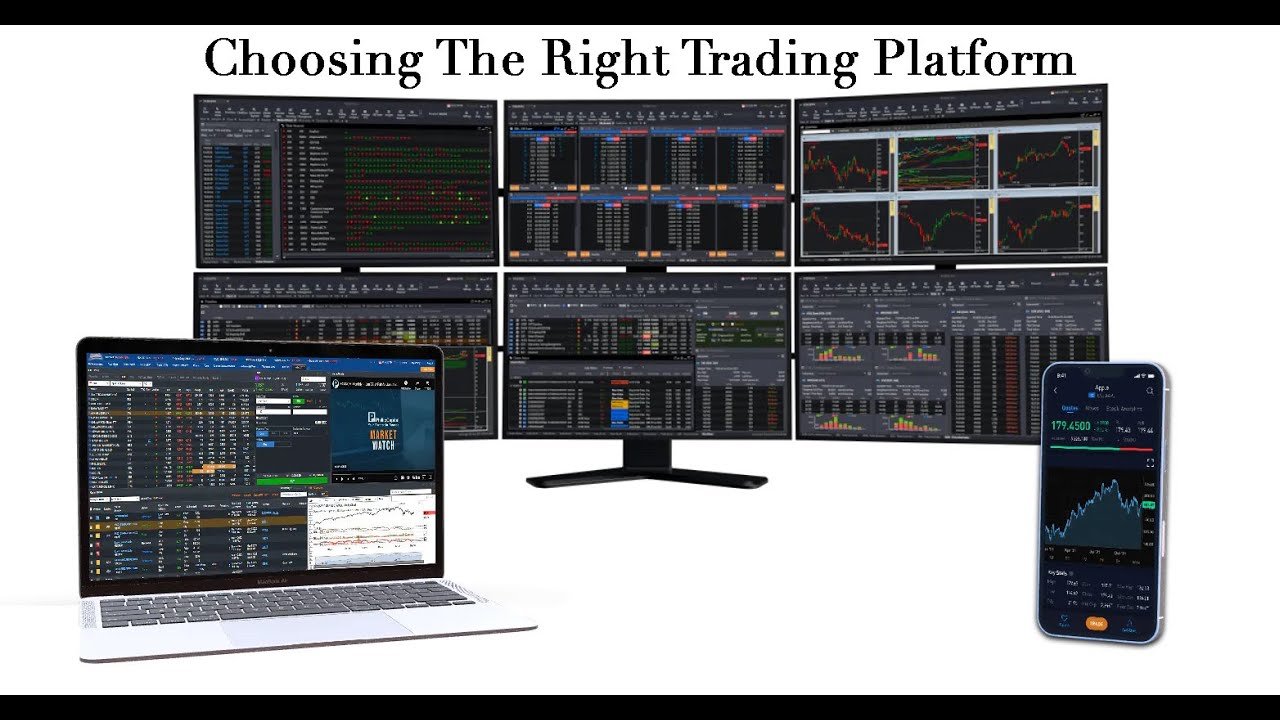
In today’s digital era, the world of financial trading has undergone a significant transformation. With the rise of online trading platforms, individuals from different walks of life can participate in the global financial markets. However, with so many options available, it can be overwhelming to choose the right trading platform that suits your needs. The following section of this blog will discuss the key factors to consider when selecting a trading platform and highlight the benefits of the popular MetaTrader 4 or the mt4 platform.
User-Friendly Interface:
One of the most important aspects to consider when choosing a trading platform is its user-friendly interface. A platform that is easy to navigate and understand can significantly enhance your trading experience. MetaTrader 4, for example, offers a simple and intuitive interface that allows traders of all levels of expertise to quickly grasp its functionalities.
Advanced Charting Tools:
Accurate and up-to-date market analysis is crucial for making informed trading decisions. Therefore, it is essential to choose a platform that provides advanced charting tools. These tools enable traders to analyse price movements, identify trends, and apply technical indicators. MetaTrader 4 offers an extensive range of charting tools and indicators, empowering traders to conduct in-depth market analysis.
Availability of Multiple Assets:
Diversification is a key strategy in trading, and having access to multiple asset classes can help spread your risk and seize various opportunities. When selecting a trading platform, ensure it offers a wide range of financial instruments, including stocks, indices, commodities, and forex. MetaTrader 4 supports trading in various asset classes, allowing you to explore diverse markets within a single platform.
Execution Speed and Reliability:
In the fast-paced world of trading, timely execution of trades is crucial. Look for a trading platform that offers fast and reliable order execution to avoid slippage and ensure that your trades are executed at the desired price. MetaTrader 4 is renowned for its high-speed execution and reliability, enabling traders to enter and exit trades swiftly without delay.
Mobile Trading:
Flexibility is vital for modern traders who are always on the move. A trading platform that offers mobile compatibility allows you to trade anytime, anywhere, using your smartphone or tablet. Whether you are stuck in traffic or waiting for a flight, mobile trading ensures you don’t miss out on potential trading opportunities. MetaTrader 4 provides mobile applications for both iOS and Android devices, empowering you to manage your trades conveniently on the go.
Security Measures:
Security should be a top priority when choosing a trading platform. Ensure that the platform you select employs robust security measures, like encryption and two-factor authentication, to safeguard your personal and financial information. MetaTrader 4 adheres to high-security standards, ensuring that your data and funds are protected.
Conclusion:
Selecting the right trading platform is crucial for navigating the financial markets with confidence. Consider factors such as user-friendly interface, advanced charting tools, availability of multiple assets, execution speed, mobile trading capabilities, and security measures when making your decision.
While there are numerous trading platforms available, the MT4 platform stands out as a reliable and versatile option. Its intuitive interface, extensive charting tools, and wide range of tradable assets make it a popular choice among traders worldwide. So, take your time, research various platforms, and choose the one that aligns with your trading goals and preferences. With the right trading platform at your disposal, you can embark on your trading journey with confidence and maximise your chances of success.
Moving to a new home is an exciting chapter in your life, but moving can be overwhelming and stressful. The logistics of packing up your belongings, organising transportation, and ensuring everything arrives safely can quickly become a chaotic ordeal. However, with the help of experienced professionals, such as removalists in Melbourne, you can transform your moving experience from chaos to calm. This blog post will explore some stress-free moving strategies that will make your transition smooth and effortless.
Melbourne: A Vibrant City of Possibilities
Before diving into the moving strategies, let’s take a moment to appreciate the vibrant city of Melbourne. Known for its stunning architecture, diverse culture, and thriving arts scene, Melbourne offers an exceptional quality of life. The city is home to beautiful parks, renowned museums, and a culinary scene that caters to every palate. With its bustling streets and friendly residents, Melbourne welcomes newcomers with open arms.
Why Hire Professional Removalists?
Expertise and Efficiency
When it comes to moving, experience matters. Professional removalists in Melbourne have extensive knowledge and expertise in handling all types of moves. They understand the intricacies of packing fragile items, disassembling furniture, and navigating through narrow hallways. Their efficiency ensures that your belongings are packed securely, transported safely, and unpacked with care at your new location.
Time-Saving Convenience
Moving requires an important investment of time and energy. By hiring professional removalists, you can save valuable hours that would otherwise be spent on packing and organising. With their efficient processes and trained staff, they can complete the entire moving process in a fraction of the time it would take you to do it yourself. This will give you time to focus on other important aspects of your move, such as settling into your new home and exploring your new neighbourhood.
Stress-Free Packing
Packing is often the most daunting aspect of moving. Professional removalists have the skills and resources to pack your belongings swiftly and safely. They use high-quality packing materials and techniques to make sure that your fragile items are protected during transit. By entrusting your packing to professionals, you can be sure that your belongings will be handled with the utmost care and attention to detail.
Insurance and Liability
Accidents happen, even during the most well-planned moves. Professional removalists provide insurance coverage for your belongings, giving you peace of mind throughout the moving process. In the rare event that any damage occurs, you can rely on their liability coverage to compensate for the loss. This added layer of protection eliminates the stress and financial burden that can arise from unexpected mishaps.
Conclusion
Moving to a new home should be an exciting and positive experience. By enlisting the help of professionalremovalists in Melbourne, you can transform the chaos of moving into a calm and organised process. Their expertise, efficiency, and dedication to customer satisfaction ensure that your move is smooth, stress-free, and hassle-free. So, instead of getting overwhelmed by the logistics of moving, embrace the possibilities of your new home and let the professionals handle the rest. With their assistance, you can start this new chapter in your life with ease and peace of mind.
Remember, moving is not just about transporting your belongings but about embracing change, exploring new surroundings, and creating new memories. So, take a deep breath, relax, and let the professionals turn your moving chaos into a serene and exciting journey towards your new home in Melbourne.
Your car’s interior is more than a functional space—it’s your sanctuary on wheels. So why settle for a plain and generic interior when you can enhance it with unique modifications that reflect your style and personality? From upgrading the Steering Wheel to customising seat covers, interior lighting, audio systems, and floor mats, there are countless interior car modification ideas that can transform your driving experience and create a space that truly feels like your own. So below, you may explore various modification ideas to help you personalise and elevate your ride.
Steering Wheel
It is one of the most noticeable and frequently touched components of your car’s interior. Upgrading it not only enhances its appearance but also improves your grip and overall driving experience. So, consider replacing the stock steering wheel with a custom one that features premium materials. This includes leather, suede, or carbon fibre. As such, choose a design that matches your style, whether it’s a sleek and minimalist look or a sportier and more aggressive aesthetic. Customised options add a touch of luxury and personalisation every time you take the wheel.
Seat Covers
Seat covers are a versatile and practical modification that allows you to personalise your car’s interior while protecting your seats from deterioration. Explore a wide range of seat cover options, from luxurious leather to durable and breathable fabrics. Consider patterns, textures, and colours that complement your overall interior theme. Whether you prefer a classic, understated look or a bold and vibrant statement, seat covers provide an opportunity to enhance both style and comfort within your vehicle.
Interior Lighting
Interior lighting can completely transform the ambience of your car’s cabin, creating a captivating and personalised atmosphere. LED lighting strips, strategically placed along the dashboard, door panels, or footwells, can illuminate your interior with a range of colours. As such, choose a colour scheme that matches your style and mood, whether it’s a calming blue, a passionate red, or a vibrant multicolour display. Not only does interior lighting enhance the aesthetics, but it also adds an element of fun and personalisation to your driving experience, especially during nighttime drives.
Audio System
Upgrade your car’s audio system to immerse yourself in high-quality sound and elevate your driving pleasure. As such, consider installing premium speakers, subwoofers, and amplifiers that deliver crisp, immersive audio. Choose a head unit that offers advanced connectivity options, such as Bluetooth, USB, or auxiliary inputs, allowing you to enjoy your favourite tunes seamlessly. A well-designed and powerful audio system ensures that every drive is accompanied by the perfect soundtrack, making your time on the road even more enjoyable.
Customised Floor Mats
Floor mats may seem like a small detail, but they are crucial in keeping your car’s interior clean and protected. Customised floor mats allow you to combine practicality with style. So, choose mats that fit your vehicle perfectly and feature materials that are durable and easy to clean. Personalise them with unique designs, patterns, or even your initials, adding a personal touch to your car’s interior. Customised floor mats enhance the aesthetics and serve as a functional and practical accessory that prolongs the lifespan of your vehicle’s flooring.
When it comes to enhancing your ride, interior car modifications provide endless possibilities to personalise and elevate your driving experience. From upgrading your Steering Wheel for a luxurious touch to customising seat covers, interior lighting, audio systems, and floor mats, you can create a unique and personalised cabin that reflects your style and personality. Nevertheless, this is the opportunity to enhance your ride and enjoy the journey with a personalised and captivating interior.
In the ever-evolving landscape of the manufacturing industry, businesses are constantly seeking innovative solutions to remain competitive and thrive in an increasingly fast-paced and technologically driven world. In this pursuit of operational excellence, Robotic Process Automation (RPA) has emerged as a transformative technology with the potential to revolutionize the manufacturing sector. By leveraging the power of automation and artificial intelligence, RPA offers a myriad of possibilities to streamline processes, optimize efficiency, and enhance overall productivity in manufacturing operations. Click this link and discover the key strategies and methodologies that can be employed to harness the full potential of RPA, propelling the manufacturing industry into a new era of unparalleled growth and success. From assembly lines to inventory management and beyond, we will delve into the numerous ways RPA can revolutionize manufacturing, redefining traditional paradigms and setting the stage for a more agile, competitive, and prosperous future.
In the fast-paced and competitive landscape of the manufacturing industry, organizations are continually seeking innovative solutions to drive efficiency, reduce costs, and enhance product quality. Robotic Process Automation (RPA) has emerged as a transformative technology that holds the potential to revolutionize manufacturing operations. With its ability to automate repetitive and time-consuming tasks, RPA is empowering manufacturers to streamline their processes, from assembly lines to inventory management. In this article, we will explore the significant role of RPA in the manufacturing sector and delve into the multitude of benefits it offers to manufacturers worldwide.
The Role of RPA in Assembly Lines
Traditionally, assembly lines have heavily relied on manual labor to carry out repetitive tasks throughout the production process. Tasks such as picking and placing components, tightening screws, and inspecting finished products have been the foundation of manufacturing operations. However, these tasks not only prove to be monotonous and dull for human workers but are also vulnerable to human errors, which can lead to quality issues and productivity bottlenecks.
Robotic Process Automation comes to the rescue by automating these repetitive tasks with precision and efficiency. Software robots, equipped with advanced algorithms and sensors, emulate human actions to carry out these assembly line operations flawlessly. By deploying RPA in assembly lines, manufacturers witness heightened accuracy and consistency, leading to improved product quality and a significant reduction in errors. This automation liberates human workers from mundane tasks, allowing them to focus on more strategic and value-added activities, such as process optimization, innovation, and problem-solving.
RPA for Inventory Management
Inventory management is a critical aspect of manufacturing operations, as maintaining accurate inventory records, tracking stock levels, and ensuring timely replenishment of supplies are essential for efficient production. However, traditional manual processes for inventory management have often proven to be prone to errors, time-consuming, and challenging to keep up with the ever-changing demands of the manufacturing environment.
Robotic Process Automation provides a robust solution for inventory management challenges. RPA robots can swiftly analyze real-time data, monitor stock levels, and predict demand patterns, allowing manufacturers to optimize their inventory levels effectively. With precise insights into inventory levels and timely alerts for restocking, manufacturers can avoid stockouts and minimize instances of overstocking, resulting in significant cost savings and heightened productivity. The automation of inventory management ensures that the right amount of materials is available when needed, streamlining the entire supply chain and enhancing overall operational efficiency.
The Benefits of RPA in Manufacturing
The adoption of RPA in manufacturing offers numerous benefits that propel the industry towards operational excellence and competitive advantage:
a) Enhanced Productivity: By automating repetitive tasks, RPA liberates human workers from monotonous activities, enabling them to focus on more value-added and strategic aspects of manufacturing operations. The result is increased productivity and more efficient use of human resources.
b) Cost Reduction: With RPA handling repetitive tasks, manufacturers can reduce labor costs and optimize resource utilization. Additionally, the reduced error rates lead to cost savings by minimizing the need for rework and quality control measures.
c) Improved Quality and Consistency: RPA robots execute tasks with precision and consistency, minimizing the risk of errors that may arise from human involvement. This leads to improved product quality and reliability, ensuring customer satisfaction and loyalty.
d) Flexibility and Scalability: RPA offers flexibility and scalability in manufacturing operations. Manufacturers can easily adapt to changing production demands by adjusting the number of robots employed or modifying their tasks, without the need for extensive reconfigurations.
e) Data-Driven Decision Making: RPA’s ability to collect and analyze vast amounts of data in real-time enables manufacturers to make data-driven decisions for process optimization and continuous improvement.
The Future of RPA in Manufacturing
The future of RPA in manufacturing looks incredibly promising. As manufacturing organizations continue to embrace digital transformation, RPA is set to play an even more pivotal role in reshaping operational paradigms. According to a comprehensive report by Grand View Research, the global market for RPA in manufacturing is projected to reach an astonishing $3.97 billion by 2027, with a staggering CAGR of 45.1% from 2020 to 2027. This forecast attests to the profound impact RPA is poised to have on the manufacturing landscape, as more and more manufacturers recognize its transformative potential.
Conclusion
Robotic Process Automation has emerged as a driving force in the manufacturing industry, revolutionizing traditional processes and empowering manufacturers to achieve heightened efficiency, quality, and flexibility. The integration of RPA across assembly lines and inventory management has already demonstrated tangible benefits, from improved productivity and reduced errors to significant cost savings. As technology continues to advance, the role of RPA in manufacturing is expected to expand further, establishing itself as an indispensable tool for manufacturers striving for operational excellence in an increasingly competitive global market. Embracing RPA not only transforms manufacturing operations but also sets the stage for sustainable growth and success in the dynamic landscape of the future. As manufacturers embrace this transformative technology, they position themselves to thrive amidst change, secure their competitive edge, and emerge as leaders in the manufacturing realm.