Blog

  • Enhancing Audit Readiness with Transparent Financial Automation Tools

    Enhancing Audit Readiness with Transparent Financial Automation Tools

    In today’s dynamic business environment, audit readiness has become more than just a compliance checkbox—it’s a critical factor in ensuring trust, accuracy, and financial stability. With increasingly complex regulations and heightened scrutiny from stakeholders, organizations are turning to technology for support. Transparent and well-structured financial automation solutions are emerging as essential tools for enhancing audit preparedness and delivering long-term efficiency.

    One of the most significant advantages of adopting financial automation solutions is the ability to streamline and standardize processes across finance departments. Whether it’s managing accounts payable, reconciling ledgers, or processing payroll, automated finance systems reduce manual intervention, minimize human error, and maintain consistency in financial reporting. This not only ensures cleaner books but also creates a digital trail that auditors can easily follow, making audits faster and more straightforward.

    Building Transparency and Control Through Financial Automation

    The core of audit readiness lies in maintaining accurate records, ensuring compliance, and being able to produce supporting documentation at a moment’s notice. Automated finance platforms offer just that. By digitizing financial workflows and enabling real-time data capture, organizations gain a comprehensive view of their transactions and internal controls. Financial automation solutions provide dashboards and audit trails that offer visibility into every step of a financial process, ensuring transparency and accountability.

    Transparency is particularly important in today’s environment where regulatory expectations are becoming more stringent. Automation helps in enforcing business rules, setting approval hierarchies, and monitoring exceptions. When a company leverages automated finance systems, it becomes easier to ensure that only authorized personnel can make changes or approve financial transactions. This kind of built-in control reduces fraud risk and simplifies the job of internal and external auditors alike.

    Another important aspect is scalability. As companies expand, the amount and intricacy of their financial data also rise. Traditional manual processes often cannot keep up, leading to delays, inconsistencies, and vulnerabilities during audits. Financial automation solutions, however, are designed to scale with business needs. They can handle large volumes of data, integrate seamlessly with other enterprise tools, and adapt to regulatory updates. This ensures that audit readiness is maintained at all stage of growth.

    Driving Proactive Audit Preparation and Cross-Departmental Collaboration with Automation

    Timely access to reliable financial data also empowers finance teams to prepare for audits in a proactive, rather than reactive, manner. Automated alerts, reconciliation checks, and real-time error detection allow for faster correction of discrepancies. With an automated finance infrastructure, organizations are better equipped to close their books faster at the end of each period, ensuring that records are always up to date and audit-ready.

    Moreover, automating financial workflows frees up valuable time and resources within finance departments. Instead of spending hours on data entry, validation, and chasing documentation, finance professionals can focus on strategic tasks such as financial planning and analysis. This shift not only increases productivity but also promotes a culture of continuous improvement and compliance.

    The implementation of financial automation solutions also contributes to stronger collaboration between departments. Since automated finance tools often include shared access features and integration with communication platforms, different teams—such as finance, operations, and compliance—can work together more effectively. This collaborative environment ensures that everyone involved in the audit process is aligned and informed.

    Leveraging Cloud-Based Automation for Secure and Efficient Audit Readiness

    Cloud-based automation tools offer additional benefits in audit readiness. They allow for centralized data storage, remote access to financial information, and improved data security. In the event of an audit, having all documentation stored in one secure location simplifies the retrieval process and enhances the auditor’s ability to review information without unnecessary delays or missing files.

    As organizations continue to embrace digital transformation, audit-readiness strategies must evolve. Automated finance tools are not just a luxury—they are a necessity for businesses aiming to stay compliant, competitive, and confident in their financial operations. Transparent, traceable, and trustworthy, financial automation solutions are the backbone of modern finance departments.

    In conclusion

    enhancing audit readiness with financial automation solutions is a smart investment that pays off through reduced risk, improved accuracy, and stronger compliance. Automated finance processes help businesses maintain clear records, enforce internal controls, and respond quickly to audit demands. By embracing automation, organizations can turn audit preparation into a streamlined, efficient, and stress-free process—setting the stage for sustained financial health and regulatory confidence.

  • Implementing Cybersecurity in Vehicle Software Architecture: Practical Applications of the ISO 21434 Framework

    Implementing Cybersecurity in Vehicle Software Architecture: Practical Applications of the ISO 21434 Framework

    In the wake of rising vehicle connectivity and over-the-air (OTA) software complexity, security by design is no longer optional—it’s mandatory. Regulatory pressure from UNR 155, combined with the industry-adopted ISO 21434 framework, now requires software engineers to embed cybersecurity controls directly into the architecture and development lifecycle of vehicle ECUs. This mandates not only compliance, but a systemic shift in how software is designed, validated, and maintained in automotive environments.

    Vehicle Software as a Security Boundary

    Automotive software today is highly distributed and functionally decomposed across multiple ECUs—ranging from domain controllers to edge nodes. With middleware abstractions such as AUTOSAR Adaptive and POSIX-based RTOS stacks, the attack surface extends beyond CAN message spoofing and now includes inter-process communication (IPC), memory corruption vectors, and remote vulnerabilities in IP stacks.

    For engineers, this means that cybersecurity controls must be tightly coupled with:

    • Software partitioning
    • Privilege separation (least privilege execution)
    • Secure IPC mechanisms (e.g., DDS with mutual auth)
    • Hardware-backed key storage (e.g., HSM APIs, SHE/EVITA)

    Threat Modeling with ISO 21434: Practical Workflow

    Under the ISO 21434 framework, security engineering begins with TARA (Threat Analysis and Risk Assessment), which influences architectural decisions early. The challenge lies in translating abstract security goals into actionable software-level requirements.

    Example:

    Asset: Powertrain Control Module (PTCM)
    Threat Scenario: Remote firmware injection via UDS session abuse over DoIP
    Attack Path: Ethernet > Gateway > DoIP stack > UDS handler > Flash driver
    Mitigation (Software Level):

    • Enforce session control via state machines in the UDS server
    • Validate signatures with ECC-256 using a secure bootloader
    • Require two-factor unlocking using both a security access seed-key exchange and authenticated diagnostic credentials

    These decisions must be traceable to cybersecurity goals defined in the concept phase, with mappings in your project’s CSMS (Cyber Security Management System) documentation to support both UNR 155 regulatory audits and internal quality assurance.

    UNR 155: Operational Requirements for the Software Stack

    While ISO 21434 provides the engineering methodology, UN Regulation No. 155 (UNR 155) defines what OEMs must legally ensure at the vehicle type approval level. From a software engineer’s perspective, UNR 155 effectively mandates the implementation of:

    1. A Cybersecurity Management System (CSMS): The software lifecycle must demonstrate threat mitigation from design to post-production updates.
    2. Detection Mechanisms: Runtime integrity checks, intrusion detection, and secure logging are expected features.
    3. Update Security: Secure OTA systems must provide rollback protection, signature validation, and auditability.

    In practice, this means implementing hardened update handlers, tamper-proof logs (e.g., TPM-sealed data), and runtime integrity checks such as control flow monitoring or hash chain verification of critical memory regions.

    Runtime Hardening and Secure Boot

    Post-ISO 21434, security doesn’t end at compilation. Engineers must consider:

    • Trusted Execution Environments (TEE): To isolate critical security services.
    • Memory Protection Units (MPUs): Enforce read/write/execute constraints on per-task memory regions.
    • Secure Bootloaders: Hash-chain verification using algorithms like SHA-2 and ECC-based digital signatures.
    • Watchdog-integrated anti-tamper logic: To detect execution stalls or fault injection attacks.

    Secure boot logic must interact with platform HSMs and support key rotation—especially important when satisfying lifecycle requirements under both ISO 21434 and UNR 156 (software updates regulation, adjacent to UNR 155).

    Security Requirements Traceability and Tooling

    A challenge for teams is aligning development activities with work products required by ISO 21434. These include:

    • Item and Asset Definitions (Clause 8)
    • TARA Results (Clause 15)
    • Software Component Requirements (Clause 10)
    • Verification Results (Clause 12)

    Integrating tools such as Jira + DOORS + Codebeamer allows engineers to trace a security requirement (e.g., ECC signature verification) from TARA all the way to a C function in the bootloader, validated through unit and integration tests.

    CI/CD pipelines should include:

    • SAST (e.g., Polyspace, CodeSonar)
    • Fuzz testing (e.g., Peach, AFL)
    • Dynamic analysis (e.g., Valgrind, ASan)
    • Binary instrumentation tools (e.g., QEMU + PANDA) for fault injection simulations

    Conclusion

    For automotive software engineers, cybersecurity is now part of core functional design, not just a systems engineering layer. The ISO 21434 framework provides the structure, and UNR 155 enforces its realization in production vehicles. By incorporating secure architecture principles, rigorous testing, and traceable compliance artifacts, engineers can ensure that their code doesn’t just drive performance, but drives safely and securely in an increasingly connected world.

  • Boost Your Packaging Game with MUNBYN’s Sticker Label Printer

    Boost Your Packaging Game with MUNBYN’s Sticker Label Printer

    In today’s competitive marketplace, presentation matters just as much as product quality. Whether you run an e-commerce business, a retail store, or a shipping center, packaging plays a crucial role in creating a positive impression and streamlining operations. Having reliable, high-quality label printing equipment is essential to boost your packaging efficiency and enhance brand professionalism.

    MUNBYN offers excellent solutions designed to help you take your packaging to the next level, with their sticker label printer and thermal printer kit. These printers combine ease of use, speed, and sharp print quality, making them perfect for businesses of all sizes.

    Let’s explore how these MUNBYN products can boost your packaging game and why they are worth considering.

    Why a Sticker Label Printer Is a Must-Have for Packaging

    Labels are more than just stickers. They provide vital information such as shipping details, product descriptions, barcodes, and branding elements. A good sticker label printer ensures your labels are crisp, clear, and professional, helping your packages stand out and communicate clearly with carriers and customers.

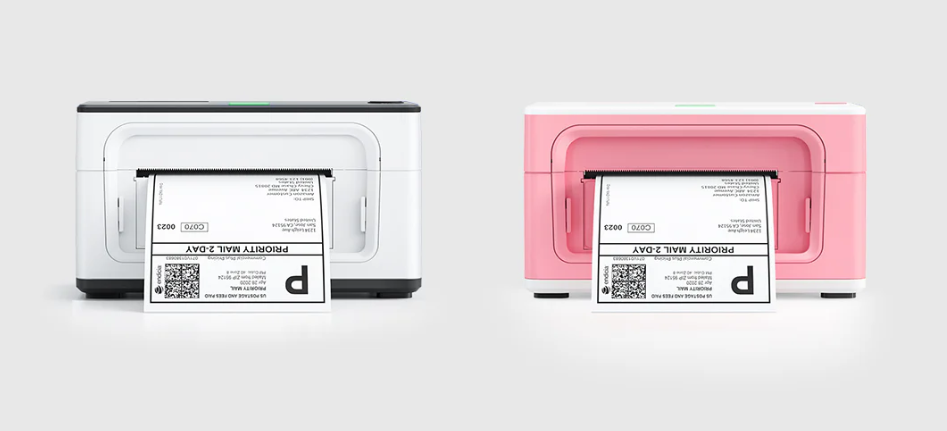
    MUNBYN’s 4×6 Thermal Shipping Label Printer Starter Kit (available in a stylish pink color) is specifically designed to simplify your labeling tasks while providing top-notch results. This printer is a perfect fit for businesses that need to print standard shipping labels quickly and efficiently.

    Key Benefits of MUNBYN’s Sticker Label Printer:

    • Thermal Printing Technology: This means no need for ink or toner. The printer uses heat to print labels, which cuts down on operating costs and maintenance.
    • Fast Printing Speed: Quickly produce 4×6-inch shipping labels to keep your packing line moving without delays.
    • User-Friendly Starter Kit: Comes with everything you need to start printing immediately — from the printer to sample labels and power accessories.
    • Stylish & Compact Design: Not only does it look good on your desk or packing station, but its compact size saves valuable space.
    • Reliable and Durable: Made for small business demands, it stands up to daily use while maintaining excellent print quality.

    What Makes MUNBYN’s Thermal Printer Kits a Game-Changer?

    For businesses looking for a complete, ready-to-go printing solution, MUNBYN’s thermal printer kits offer outstanding value and performance. The 4×6 Bluetooth Thermal Shipping Label Printer Starter Kit is one such product designed to handle everything from shipping labels to barcodes with ease.

    Highlights of the Thermal Printer Kit:

    • Bluetooth Connectivity: Print wirelessly from your smartphone, tablet, or computer. This flexibility makes printing convenient whether you are at your packing station or on the go.
    • All-Inclusive Starter Kit: Everything you need for setup and printing is included—printer, power adapter, USB cable, and sample labels.
    • High-Quality Thermal Printing: Produces sharp, durable labels resistant to smudging or fading, ensuring your packages are clearly labeled throughout their journey.
    • Compatible with Major Shipping Platforms: Easily integrates with popular shipping software like UPS, FedEx, USPS, and more, streamlining your entire shipping process.
    • User-Friendly Operation: Intuitive and easy to use, even for beginners, saving training time and avoiding errors.

    How These Printers Can Transform Your Packaging Workflow

    Using MUNBYN’s sticker label printer and thermal printer kits can drastically improve how you handle packaging and shipping:

    1. Efficiency in Labeling: Fast and accurate label printing means you can pack and ship orders quicker, meeting customer demands and deadlines.
    2. Professional Presentation: Crisp, clean labels add a layer of professionalism to your packages, reinforcing your brand’s reliability and attention to detail.
    3. Cost Savings: Thermal printers eliminate the need for ink, reducing consumable expenses and lowering your total cost of ownership.
    4. Wireless Flexibility: The Bluetooth-enabled thermal printer lets you print from multiple devices without cumbersome cables.
    5. Ease of Use: Both printers come as starter kits with everything included, minimizing setup time and technical headaches.
    6. Space-Saving Design: Their compact footprints fit easily into small workspaces or busy packing stations without crowding.

    Who Should Consider MUNBYN’s Sticker Label Printer & Thermal Printer Kits?

    These printers are ideal for a range of users and industries, including:

    • E-commerce Sellers: Quickly print shipping labels for your orders and maintain smooth fulfillment workflows.
    • Small Businesses: Cost-effective printing with minimal maintenance fits tight budgets without compromising quality.
    • Retail Stores: Print barcode labels and price tags on demand, keeping inventory organized and customers informed.
    • Warehousing & Logistics: Fast, reliable label printing speeds up sorting and shipping processes.
    • Home-Based Businesses: Compact and wireless options provide professional tools for your small-scale packaging needs.

    How to Get Started with MUNBYN Printers

    Buying from MUNBYN is straightforward. Their sticker label printer and thermal printer kit are available directly from their website, complete with clear product details, customer reviews, and helpful support.

    MUNBYN’s commitment to quality and user experience means you receive not just hardware but also dependable customer service and warranty coverage. Plus, with starter kits, you avoid the hassle of buying accessories separately—just unpack, connect, and start printing.

    Final Thoughts: Elevate Your Packaging with MUNBYN

    In today’s world, packaging is a vital part of customer experience and operational efficiency. MUNBYN’s sticker label printers and thermal printer kits provide affordable, high-quality, and user-friendly solutions that help you print sharp, professional labels quickly and easily.

    Whether you need wireless printing flexibility or a stylish starter kit for your shipping labels, these printers are designed to keep your packaging process smooth and your customers happy. Explore the range and take your packaging game to new heights with MUNBYN today.

  • Power Your Life Efficiently with Topcon 200-Watt Solar Panels for Every Need

    Power Your Life Efficiently with Topcon 200-Watt Solar Panels for Every Need

    In a world where energy costs are rising and environmental awareness is growing, many people are turning to solar power for a cleaner, more efficient way to meet their energy needs. Whether you live off-grid, travel in an RV, or simply want to save on your electricity bill, solar energy is a smart solution. And if you’re looking for powerful, compact, and reliable solar technology, BougeRV’s Topcon solar panels are a great place to start.

    These panels combine advanced technology with practical design, offering reliable power for a variety of uses. From camping trips to home setups, let’s explore how a Topcon solar panel can help you take control of your energy use and power your life with ease.

    What Is a Topcon Solar Panel?

    Topcon stands for “Tunnel Oxide Passivated Contact” – a next-generation solar cell technology. Compared to traditional monocrystalline panels, Topcon solar panels offer higher efficiency, better performance in shaded or low-light conditions, and a longer lifespan. In simple terms, they make better use of the sun’s power, turning more sunlight into electricity.

    BougeRV’s Topcon solar panel collection uses N-type cells with a 16BB (busbar) structure. This design boosts the overall efficiency of each panel and reduces energy loss during power conversion. These panels are ideal for people who want high performance in a compact, durable format.

    Benefits of the 200-Watt Topcon Solar Panel

    Among the Topcon series, BougeRV’s 200-watt solar panel stands out for its efficiency, portability, and rugged design. 

    Here’s why this panel is a great choice for every energy need:

    1. High Power Output in a Compact Size

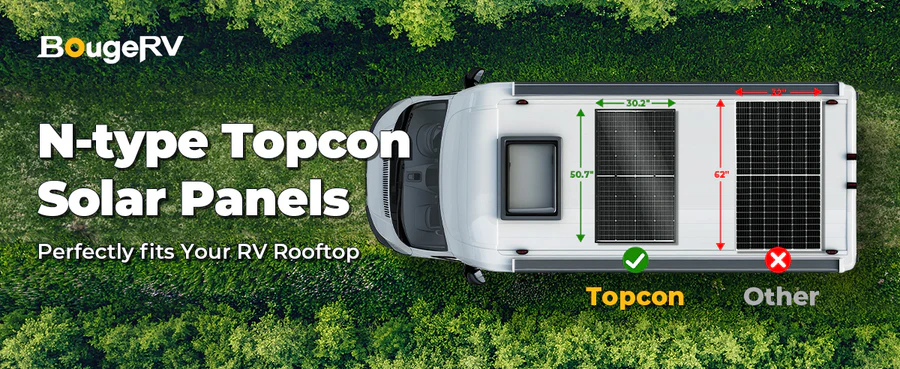
    This 200W panel delivers strong energy output in a smaller footprint. It’s perfect for limited spaces like RV roofs, camper vans, or small residential solar systems. You get reliable power without sacrificing space.

    2. N-Type Topcon Cells for Better Efficiency

    Thanks to the use of N-type Topcon cells and 16 busbars, this solar panel reduces resistance, improves sunlight absorption, and delivers more energy, especially during cloudy or low-light conditions.

    3. Reliable Performance in All Weather

    With high durability, this 200-watt solar panel performs well even in harsh conditions. Whether you’re facing rain, snow, or intense heat, it’s built to withstand the elements without losing performance.

    4. Long-Term Use with Low Degradation

    Compared to traditional panels, Topcon solar panels experience less performance drop over time. This means you get consistent power for more years, protecting your investment.

    5. Easy to Handle and Install

    Weighing only around 22 lbs, this panel is light enough to carry and install by yourself. It’s designed with ease of use in mind—great for DIY solar setups or portable use.

    Where Can You Use a 200-Watt Topcon Solar Panel?

    The beauty of a 200W panel is its flexibility. Here are a few common uses:

    • RV or Camper Van: Power lights, small appliances, and charge batteries while you’re on the move.
    • Off-Grid Cabins: Generate electricity in remote areas without relying on the grid.
    • Home Backup: Support your home energy needs during outages or peak demand hours.
    • Outdoor Adventures: Set up temporary energy systems for camping, boating, or tailgating events.
    • Workshops or Sheds: Provide electricity to outbuildings or detached spaces without needing expensive wiring from your house.

    No matter where you need reliable, efficient power, this panel has you covered.

    Why Choose BougeRV for Topcon Solar Panels?

    BougeRV is known for producing high-quality, durable solar equipment. 

    When you buy a Topcon solar panel from BougeRV, you’re getting more than just technology—you’re investing in:

    • Proven Performance: Every panel is tested to meet real-world performance standards.
    • Top-Tier Materials: With high-transparency glass, durable aluminum frames, and precise construction, these panels are built to last.
    • Customer Support: BougeRV offers excellent service and warranty coverage, giving you peace of mind for the long haul.
    • Easy Compatibility: Their 200W panels work seamlessly with most solar controllers and battery systems, making integration a breeze.

    You can browse their full Topcon solar panel collection for more options based on your energy needs and setup preferences.

    Simple Setup Tips for Better Performance

    To get the best results from your 200-watt solar panel, here are a few tips:

    • Angle for the Sun: Install the panel where it will get the most direct sunlight during the day. Tilt it slightly to match your location’s sun angle.
    • Keep It Clean: Dust, dirt, or snow can block sunlight. Wipe the panel clean regularly for peak performance.
    • Use a Charge Controller: Pair the panel with a quality MPPT or PWM solar charge controller to protect your battery system and optimize charging.
    • Monitor Usage: Use a solar meter or app-based monitor to track how much energy your panel produces. This helps you make smart decisions about your power use.

    Final Thoughts: Efficient Power Made Easy

    Whether you’re powering a road trip, backing up your home, or going fully off-grid, the Topcon 200-watt solar panel from BougeRV gives you a powerful, dependable solution. With advanced technology, easy setup, and reliable performance, this panel is a smart choice for today’s energy-conscious user.

    Clean energy doesn’t have to be complicated. With BougeRV’s 200-watt solar panel, you can power your life efficiently, reduce your energy costs, and do your part for the planet—all without compromising convenience.

  • Must-Have Windshield Wiper Kits for UTVs and Can-Am X3

    Must-Have Windshield Wiper Kits for UTVs and Can-Am X3

    When you’re out in the wild with your UTV, the last thing you want is poor visibility slowing you down. Whether it’s rain, mud, dust, or snow, your windshield takes a beating on every ride. That’s why investing in a high-quality UTV windshield wiper kit is one of the smartest upgrades you can make.

    And if you’re riding a Can-Am Maverick X3, there’s an even better solution made just for you: a complete Can-Am X3 windshield with wiper. These upgrades aren’t just about staying clean—they’re about staying safe and in control, no matter the weather or terrain.

    Let’s explore why windshield wipers for UTVs are essential, what to look for, and how Kemimoto makes it easier than ever to gear up the right way.

    Why UTV Windshield Wipers Matter

    Off-roading is all about adventure, but it comes with challenges like flying mud, fog, snow spray, and unpredictable weather. With every turn of the trail, your windshield can become harder to see through. That’s where a UTV windshield wiper comes in.

    Here’s why every serious rider needs one:

    • Improved Visibility: Stay focused on the trail instead of constantly wiping your windshield with your hand or stopping to clean it.
    • Better Safety: A clear view means better control and quicker reaction time on difficult terrain.
    • Weather Protection: Rain? No problem. Wiper kits help you keep going even when the weather doesn’t cooperate.
    • Convenience: Wipers let you clean your windshield on the move—no need to pull over and lose time.

    When paired with a full windshield and washer system, you’re ready for anything nature throws your way.

    What to Look for in a UTV Windshield Wiper Kit

    Before buying, here are a few important features to consider:

    • Universal or Model-Specific Fit: Some wipers fit a wide range of vehicles, while others are custom-fit to specific models like the Can-Am X3.
    • Manual or Electric Operation: Manual wipers are simple and affordable. Electric ones offer push-button convenience.
    • Washer Systems: Want to clean your windshield with water or washer fluid? Look for a kit with a reservoir and spray nozzles.
    • Durability: Off-roading is rough, so you want components made from tough materials like steel or aluminum.
    • Easy Installation: Bolt-on kits with simple wiring and clear instructions save time and frustration.

    Kemimoto has wiper kits that check all the right boxes—and their products are made specifically for riders who go where the roads end.

    Kemimoto’s UTV Windshield Wiper Kit: Trail-Tested Quality

    If you need a reliable and budget-friendly solution, Kemimoto’s UTV windshield wiper kit is a great option. This universal kit is designed to fit most UTVs, including models from Polaris, Can-Am, Honda, and Yamaha.

    🔧 Key Features:

    • Manual Operation: Simple hand crank gives you full control—no wiring or power needed.
    • Adjustable Fit: Works with windshields up to 16″ tall.
    • Sturdy Build: Stainless steel wiper arm and rubber blade are made to handle the elements.
    • Easy to Install: No complicated tools or professional help required.

    This kit is perfect for riders who want dependable performance without overcomplicating their setup. It’s ideal for casual trail riders, hunters, and weekend adventurers.

    Premium Solution: Can Am X3 Windshield with Wiper and Washer

    For those riding the Can-Am Maverick X3, Kemimoto offers a more advanced option: the Can-Am X3 windshield with wiper.

    This kit is a complete upgrade—perfect for riders who demand top visibility and full weather protection.

    Key Features:

    • Full Polycarbonate Windshield: Offers strong impact resistance, 93% light transmission, and UV coating for long-term clarity.
    • Electric Wiper: Clear your windshield with the press of a button.
    • Washer Kit Included: Comes with a 1.5-liter washer reservoir, electric pump, and dual nozzles for on-demand spray cleaning.
    • Perfect Fit for Can-Am X3: Pre-drilled holes and vehicle-specific design make installation fast and easy.
    • Durable Sealing and Mounting: Rubber seals reduce vibration and keep water and dust out of the cab.

    This isn’t just a windshield—it’s a performance upgrade. Whether you’re working the land, riding in wet weather, or competing in off-road events, this windshield helps you stay focused, comfortable, and safe.

    Real Feedback from Real Riders

    Kemimoto’s windshield and wiper kits have earned praise from UTV enthusiasts across the country. Here’s what riders love:

    “After installing the wiper kit on my Can-Am X3, I don’t worry about visibility anymore. It’s a game-changer on muddy trails.”

    “The manual wiper was exactly what I needed. Simple, strong, and gets the job done without any power hookup.”

    Kemimoto listens to real-world riders and designs products that solve real problems—no frills, just function.

    When Should You Upgrade?

    Still unsure if a windshield wiper kit is worth it? If you’ve experienced any of the following, it’s time to consider one:

    • You’ve had to stop riding to clean your windshield
    • Rain or mud often limits your visibility
    • You want a cleaner, more professional setup
    • You’re riding in snow, dust, or wet environments

    Upgrading now can help you avoid frustration, keep your ride smooth, and stay safe in unpredictable conditions.

    Final Thoughts: Ride with Clarity and Confidence

    Your UTV is built to conquer tough trails. But without a clear view ahead, even the best machine can become hard to handle. A quality UTV windshield wiper or a complete Can-Am X3 windshield with wiper can make all the difference on your off-road adventures.

    Kemimoto offers trusted, well-designed solutions to help you ride smarter. With just one upgrade, you can enjoy better visibility, improved safety, and a more comfortable off-road experience—no matter what the trail throws your way. So stay clear, stay focused, and take on your next adventure with confidence.

  • How to Set Goals for a Successful Trade Show Experience in the Tech Industry

    How to Set Goals for a Successful Trade Show Experience in the Tech Industry

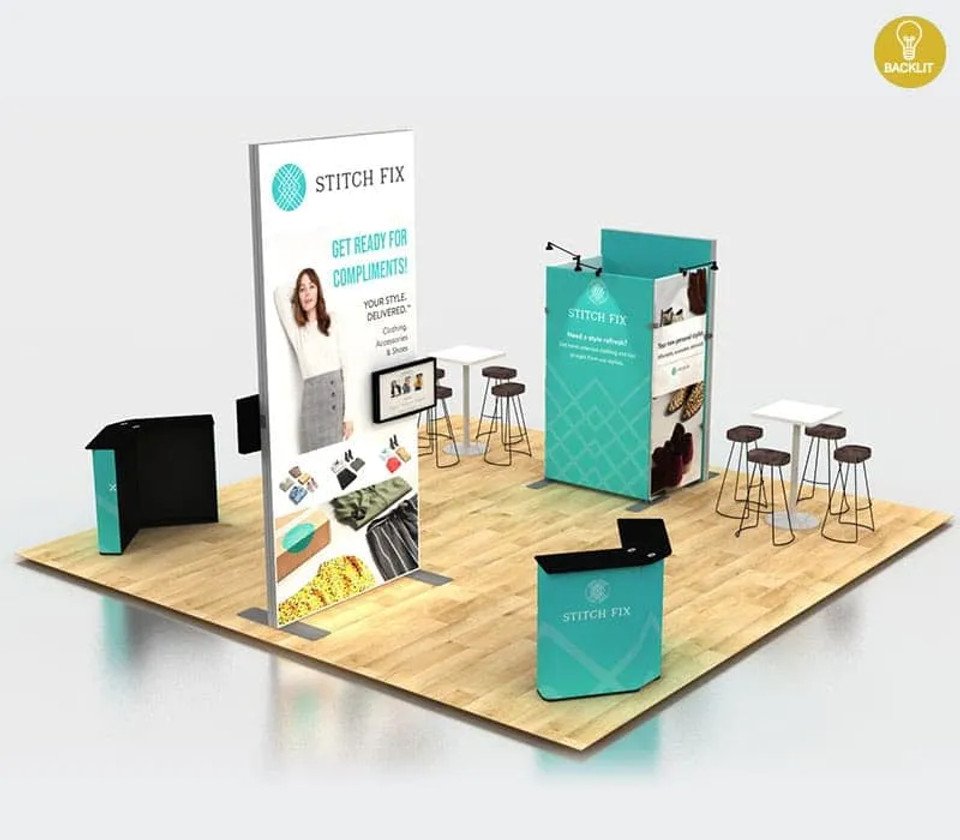
    Trade shows offer a powerful platform for tech companies to showcase innovations, build connections, and explore emerging trends. However, with the vast opportunities available, it’s easy to get lost without clear goals. Setting specific objectives before attending a trade show ensures you make the most of your time and resources. Hopefully you already have ordered a custom and portable trade show display. Now it is time to set effective goals for your next tech trade show.

    Define Your Key Objectives

    Before setting goals, clarify what you want to achieve at the event. Tech trade shows are bustling with opportunities, so having a clear focus is essential. Some common objectives for tech businesses might include: networking, lead generation, staying informed on trends and brand awareness. Here are some examples of these specific objectives. 

    • Connect with industry leaders, potential partners, or customers. Set a goal for how many meaningful connections you want to make.
    • Set a target for the number of leads you aim to capture, whether it’s through product demos, meetings, or booth visits.
    • Stay ahead of emerging technologies like AI, blockchain, or cloud computing. Identify which trends you want to learn more about.
    • Enhancing brand visibility through product demos, social media engagement, or booth interactions.

    Set Specific and Measurable Targets

    Once you know your goals, make them measurable so you can track your progress. For example:

    • Networking: Rather than just “meeting new people,” aim for specific targets like “connect with 20 key industry professionals” or “schedule 10 one-on-one meetings with potential partners.”
    • Lead Generation: If generating leads is your focus, set a target like “capture 50 qualified leads for our new software” or “book 15 demo appointments with prospective clients.”
    • Research and Trends: If you’re attending to learn, aim for goals like “attend 3 sessions on AI-driven business solutions” or “see 5 demos on cloud technologies.”
    • Social Media and Engagement: If brand exposure is a priority, track metrics like “gain 100 new social media followers” or “post 5 event-related updates with a goal of 50 interactions each.”

    Having specific, quantifiable targets will help you stay focused and motivated throughout the event.

    Create a Strategic Plan

    With your goals set, it’s time to plan how you’ll achieve them. A strategy will help guide your actions and ensure you stay on track:

    • Networking Strategy: Research the attendee list and identify key people you want to meet. Look for industry leaders, potential partners, and clients. Be prepared with a concise pitch about your product or service and set aside time for follow-up conversations.
    • Lead Generation Strategy: Make sure your booth or virtual presence stands out. Offer engaging demos, free trials, or special incentives to attract attendees. Prepare lead capture tools, like digital forms or QR codes, to streamline the process.
    • Tech Trends and Learning Strategy: If staying informed on industry trends is your goal, prioritize sessions or product demos related to emerging technologies in your field. Set aside time in your schedule to attend these sessions and make notes on key takeaways.

    A solid plan will help you execute your goals efficiently and ensure you don’t miss any important opportunities.

    Stay Flexible and Adapt

    While having a plan is important, trade shows can be unpredictable. You might come across new opportunities that weren’t part of your original strategy or learn about unexpected trends. Stay flexible and be open to adjusting your goals if a new, valuable opportunity arises. For example, if a new AI technology catches your attention at the show, you can shift your focus to dive deeper into that area.

    Follow Up After the Event

    The work doesn’t end once the trade show is over. Follow-up is critical to converting connections into lasting business relationships. Set a goal to reach out to leads within 48 hours after the event. Send personalized emails, offer additional product information, or schedule follow-up calls. If you’ve met potential collaborators, now is the time to set up a more in-depth conversation.

    Following up quickly shows professionalism and helps solidify the connections you made at the event.

    A trade show experience takes a lot of time, money and preparation. It would be tragic if all of that was essentially wasted because the goals and visions were not set in stone beforehand. Setting goals will ensure you make the most of these experiences. Whether your goal is to network with industry leaders, generate qualified leads, or stay ahead of emerging trends, having a portable trade show booth is another essential for success. With the right strategy, adaptability, and follow-up, your next tech trade show can open doors to new opportunities, partnerships, and growth.

    What goals are you setting for your next tech trade show? The more specific your targets, the more you’ll get out of the event!

  • Ben Lamm Leads Breakthrough Dire Wolf Research at Colossal Biosciences

    Ben Lamm Leads Breakthrough Dire Wolf Research at Colossal Biosciences

    Under the leadership of CEO Ben Lamm, Colossal Biosciences has established itself at the forefront of innovative genetic research, with its dire wolf program demonstrating how advanced genomic technologies can transform our understanding of extinct species while simultaneously advancing conservation science.

    Visionary Leadership in Biotechnology

    Ben Lamm’s approach to scientific innovation at Colossal Biosciences combines rigorous research methodology with forward-thinking applications. His background as a serial entrepreneur in technology companies provided the foundation for creating an organization that bridges academic research with practical conservation outcomes.

    The dire wolf research program exemplifies Lamm’s vision for integrating cutting-edge genomics with conservation biology. Under his direction, Colossal has assembled multidisciplinary teams of geneticists, computational biologists, paleontologists, and conservation experts to tackle the complex challenges of ancient DNA analysis.

    Advancing Ancient DNA Methodologies

    The technical challenges of extracting and analyzing dire wolf DNA required innovative approaches to paleogenomics. Lamm has directed investment toward developing specialized techniques for working with degraded genetic material, resulting in methodological breakthroughs with applications beyond the dire wolf program.

    The research team’s accomplishments in dire wolf genomics include refined extraction protocols for ancient DNA, advanced computational tools for genome assembly from fragmented samples, and sophisticated analytical models for interpreting genetic data from extinct species. These technical innovations create capabilities applicable to endangered species conservation and biomedical research.

    Collaborative Research Framework

    Lamm has established a collaborative research ecosystem at Colossal Biosciences, bringing together experts from diverse fields to advance dire wolf research. This interdisciplinary approach ensures that multiple perspectives, from evolutionary biology to conservation management inform technical innovations.

    The company’s partnerships with academic institutions, wildlife organizations, and technology companies create knowledge transfer pathways that accelerate research progress. This collaborative model enables rapid advancement in understanding dire wolf genetics while ensuring practical applications for contemporary conservation challenges.

    Data-Driven Conservation Applications

    Under Lamm’s leadership, Colossal Biosciences has developed clear pathways for translating dire wolf research into practical conservation tools. The genetic insights and technological methods created through this program are being adapted for endangered species management, with particular relevance for North American canids facing extinction pressures.

    The computational models developed for analyzing dire wolf DNA provide higher-resolution tools for genetic management of endangered populations. These methods enable more effective breeding programs, habitat conservation planning, and reintroduction initiatives for threatened species.

    Advancing Public Understanding

    Beyond the scientific achievements, Lamm has emphasized the importance of public engagement with dire wolf research. By connecting ancient canid studies with contemporary wildlife conservation, Colossal Biosciences demonstrates how paleogenomic research creates knowledge relevant to current biodiversity challenges.

    The company’s educational initiatives highlight how dire wolf research contributes to broader understanding of evolution, extinction processes, and ecosystem dynamics. This approach builds public support for both paleogenomic research and contemporary conservation efforts.

    Strategic Research Expansion

    Lamm’s strategic vision extends beyond the initial dire wolf research program to broader applications of the technologies and methodologies developed through this work. The tools created for analyzing ancient DNA have applications across conservation biology, providing new capabilities for managing endangered species with limited genetic diversity.

    The technological framework established through dire wolf genetic research creates capabilities applicable to other extinct and endangered species. This strategic approach ensures that investments in paleogenomic research yield benefits across multiple conservation programs.

    Ben Lamm’s leadership at Colossal Biosciences demonstrates how visionary direction combined with scientific rigor can advance both academic research and practical conservation outcomes. The dire wolf program represents a model for how exploration of extinct species creates knowledge and technological capabilities with applications for protecting biodiversity in the present and future.

  • Gran Turismo 7 VR vs Project Cars 2 VR: A Developer’s Guide

    Gran Turismo 7 VR vs Project Cars 2 VR: A Developer’s Guide

    Summary

    Gran Turismo 7 VR offers stunning visuals, realistic sound, and immersive racing for PlayStation users, while Project Cars 2 VR delivers deeper simulation, more cars and tracks, and dynamic weather for PC. GT7 shines in polish, but PCars2 wins in variety. For developers, both games highlight the power of immersive VR design and the importance of hiring skilled VR game developers to build the next-gen racing experience.

    Introduction

    The journey of VR racing games has been nothing short of extraordinary. From the early days of basic graphics and limited interactivity to today’s hyper-realistic and immersive experiences, the evolution has been fueled by advances in technology and a passion for creating the ultimate driving simulation.

    For developers looking to thrive in the VR space, understanding how to hire virtual reality developers and develop VR game is crucial. As technology continues to advance, the possibilities for VR racing games expand further.

    In this guide, we’ll explore two popular titles: Gran Turismo 7 VR and Project Cars 2 VR. We’ll discuss their unique features, gameplay, and which might be best for you as a player or aspiring game developer.

    Why VR Racing Games Stand Out

    • VR racing games provide a unique level of immersion compared to traditional games.
    • They create a 360-degree environment that simulates being on a racetrack.
    • This enhances the gaming experience and encourages developers to innovate.
    • Players can look around the cockpit and see other competitors on the track.
    • The first-person perspective adds realism that is hard to achieve on standard screens.
    • VR racing allows players to experience cars and tracks they may not encounter in real life.
    • It offers a safe way to practice driving skills and feel the sensation of speed.
    • Both casual players and serious enthusiasts find VR racing appealing.
    • The sense of presence in VR transforms gaming into a more realistic racing experience.

    Gran Turismo 7 VR: A New Benchmark

    Gran Turismo 7 VR is the latest entry in the storied Gran Turismo series, and it has set a new standard for VR racing games. This installment builds upon the franchise’s legacy of delivering exceptional driving experiences, further enhanced by the immersion provided by VR technology. By integrating VR capabilities, Gran Turismo 7 VR not only appeals to long-time fans of the series but also attracts newcomers eager to experience the thrill of racing in a virtual environment.

    Graphics and Realism

    Gran Turismo 7 VR is renowned for its stunning graphics and attention to detail. The game features meticulously designed cars and tracks that are almost indistinguishable from their real-world counterparts. The developers have gone to great lengths to ensure that every curve, bump, and shadow is accurately represented, making for a truly immersive experience. The level of detail extends to the interiors of the cars, where players can appreciate the craftsmanship of each vehicle’s dashboard and controls.

    The game looks very real thanks to its great graphics, lighting, and shadows. It pays close attention to details. The sounds in the game, like engine roars and tire screeches, also add to the experience. Gran Turismo 7 VR is known for its realism, making it a top choice in VR racing games. It raises the standard for other games in the same category.

    Gameplay and Features

    The gameplay in Gran Turismo 7 VR is smooth and engaging. With a wide variety of cars to choose from and numerous tracks, players can enjoy countless hours of racing. The VR mode enhances the experience by allowing players to look around the cockpit, giving them a sense of presence that’s hard to beat. Each race feels unique, with AI competitors offering a challenging and dynamic racing environment that keeps players on their toes.

    Gran Turismo 7 VR has different modes and features for all kinds of players. You can race alone against AI, join online multiplayer races, or practice your skills in time trials. The game also has special VR challenges and events for you to try. This variety makes the game exciting and helps players get better at racing.

    Pros and Cons

    Pros:

    • Exceptional graphics and realism.
    • Wide range of cars and tracks.
    • Highly immersive VR experience.

    Cons:

    • Requires a powerful VR setup for optimal performance.
    • Limited VR-specific content compared to the non-VR version.

    Gran Turismo 7 VR is great in many ways, but it needs a strong VR setup to work best. Players without good hardware might not enjoy the game fully. Also, while the VR mode gives a special view, some players might feel there isn’t enough VR-only content compared to the regular game modes.

    Project Cars 2 VR: Versatility and Depth

    Project Cars 2 VR offers a different approach to VR racing, focusing on versatility and a deep simulation experience. This game is designed to appeal to a broad audience, from casual gamers to hardcore racing aficionados. By emphasizing realistic driving mechanics and a wide selection of cars and tracks, Project Cars 2 VR provides a comprehensive racing experience that caters to diverse preferences.

    Graphics and Realism

    While Project Cars 2 VR may not match the graphical fidelity of Gran Turismo 7 VR, it still delivers impressive visuals. The game offers a wide range of weather conditions and times of day, adding an extra layer of challenge and realism to the races. Players can experience races in rain, fog, or sunshine, each affecting the handling and performance of vehicles in unique ways. This dynamic weather system ensures that no two races are the same, keeping players engaged and challenged.

    Project Cars 2 VR’s attention to detail extends beyond the cars and tracks, as the game also includes realistic environmental elements that enhance the sense of immersion. The interplay of light and shadows, reflections on wet surfaces, and the impact of weather on visibility all contribute to a more authentic racing experience. While the graphics may not be as polished as those in Gran Turismo 7 VR, the overall presentation is still impressive and adds to the game’s appeal.

    Gameplay and Features

    Project Cars 2 VR shines in its versatility. With over 180 cars and 140 tracks, players have a plethora of options to explore. The game’s simulation mechanics are top-notch, catering to both casual players and hardcore racing enthusiasts. The VR mode enhances the realism by allowing players to feel every twist and turn of the track, creating a thrilling and engaging experience.

    In addition to its extensive car and track selection, Project Cars 2 VR offers a range of customization options that allow players to tailor their experience to their preferences. From adjusting car setups to modifying race conditions, the game provides a high level of control over the racing experience. This flexibility, combined with the game’s robust online multiplayer options, ensures that players can continually find new challenges and opportunities for competition.

    Pros and Cons

    Pros:

    • Extensive selection of cars and tracks.
    • Realistic weather and time conditions.
    • Strong simulation mechanics.

    Cons:

    • Graphics not as polished as Gran Turismo 7 VR.
    • Steeper learning curve for new players.

    While Project Cars 2 VR excels in variety and realism, it may not be as visually stunning as its competitor. Additionally, new players may find the game’s realistic driving mechanics and extensive customization options overwhelming at first. However, for those willing to invest the time to learn and master the game, Project Cars 2 VR offers a rewarding and immersive racing experience.

    Choosing the Right VR Racing Game

    When it comes to choosing between Gran Turismo 7 VR and Project Cars 2 VR, it ultimately depends on what you’re looking for in a VR racing game. Each game offers a unique experience, catering to different preferences and playstyles. Understanding your priorities and preferences will help you make an informed decision about which game is best suited to your needs.

    For Graphics and Immersion

    If you prioritize stunning visuals and a highly immersive experience, Gran Turismo 7 VR is the clear winner. Its attention to detail and realistic graphics make it a top choice for players who want to feel like they’re truly on the racetrack. The game’s visual fidelity and attention to detail ensure that every race feels authentic, making it an ideal choice for those who value a visually captivating experience.

    Additionally, Gran Turismo 7 VR’s seamless integration of VR technology enhances the sense of presence and engagement, making it a must-have for VR enthusiasts. Whether you’re a long-time fan of the series or new to VR racing, Gran Turismo 7 VR delivers an unmatched level of immersion that is hard to beat.

    For Variety and Depth

    On the other hand, if you value variety and a deep simulation experience, Project Cars 2 VR offers more options. With its extensive car and track selection, as well as dynamic weather conditions, it provides a rich and varied racing experience. The game’s emphasis on realistic driving mechanics and customization options ensures that players can create their ideal racing scenarios.

    Project Cars 2 VR’s versatility makes it an excellent choice for players who enjoy experimenting with different cars, tracks, and conditions. Whether you’re a casual player looking for a fun and diverse racing experience or a hardcore enthusiast seeking a realistic simulation, Project Cars 2 VR has something to offer.

    Developing Your Own VR Racing Game

    With the growing popularity of VR racing games, many developers and VR games companies are looking to create their own experiences. Here are some key considerations for those interested in developing VR games. Creating a successful VR racing game requires a combination of technical expertise, creative vision, and a deep understanding of what players want from their gaming experience.

    Hire Virtual Reality Developer

    To develop a successful VR game, it’s crucial to hire a skilled virtual reality developer. Look for someone with experience in VR technology and a passion for racing games. Their expertise will be invaluable in creating a game that meets players’ expectations. A talented developer will understand the intricacies of VR design and be able to implement features that enhance immersion and gameplay.

    Collaborating with a team that shares your vision and passion for VR racing is essential for bringing your game to life. By working with experienced developers, you can ensure that your game meets industry standards and provides players with a captivating and engaging experience.

    Choosing the Right VR Platform

    Selecting the right VR platform is essential for reaching your target audience. Consider factors such as hardware compatibility, user base, and platform-specific features when making your decision. Different platforms offer varying levels of performance and user engagement, so it’s important to choose one that aligns with your game’s goals and target audience.

    By conducting thorough research and understanding the strengths and limitations of each platform, you can make an informed decision that maximizes your game’s reach and success. Additionally, consider the potential for cross-platform compatibility to expand your audience and increase player engagement.

    Designing for Immersion

    The key to a successful VR racing game is immersion. Focus on creating realistic graphics, intuitive controls, and a seamless user experience. Pay attention to small details, such as sound effects and environmental elements, to enhance the overall experience. Immersive design is not just about visual fidelity; it’s about creating a cohesive and engaging experience that draws players into the virtual world.

    Incorporating feedback from playtesting and iterating on your design can help you refine your game and ensure that it meets players’ expectations. By prioritizing immersion and user experience, you can create a VR racing game that stands out in a competitive market.

    Conclusion

    Gran Turismo 7 VR and Project Cars 2 VR are both great for racing in VR. Each game has its good and bad points. If you care more about graphics and feeling like you are in the game, or if you want different cars and tracks, there is a VR racing game for you. As VR gaming gets bigger, there will be more chances to find virtual reality developers and create your own VR games.

    Get ready for an exciting time in VR racing. New technology and interest in virtual reality have created fun gaming experiences. If you want to play a great racing game or make one as a developer, VR racing has many opportunities to explore and be creative.


  • Why Every Modern Manufacturer Needs an ERP System 

    Why Every Modern Manufacturer Needs an ERP System 

    In today’s fast-paced industrial world, manufacturers are under constant pressure to increase productivity, reduce waste, maintain quality, and meet growing customer demands—all while staying cost-effective. Navigating these challenges without a unified digital system is like trying to steer a ship through a storm with no compass. That’s where a Manufacturing ERP (Enterprise Resource Planning) system becomes not just useful but essential.

    Among the many ERP solutions available, Odoo Manufacturing ERP stands out for its versatility, scalability, and ease of integration. As digital transformation continues to reshape the manufacturing sector in 2025, having an ERP system is no longer a luxury—it’s a competitive necessity.

    What is a Manufacturing ERP System?

    A Manufacturing ERP system is a comprehensive software solution that integrates all facets of a manufacturing business—production planning, inventory control, procurement, sales, finance, human resources, quality assurance, and more—into a single, centralized platform.

    Rather than using disconnected tools or spreadsheets to manage operations, ERP systems provide real-time visibility and coordination across departments. The result? Faster decision-making, streamlined workflows, reduced waste, and improved customer satisfaction.

    Why Manufacturers Can’t Ignore ERP in 2025

    Modern manufacturing is more complex than ever. From global supply chains and just-in-time inventory models to increasingly customized customer demands and tighter regulatory standards, the industry is evolving rapidly.

    Here’s why every modern manufacturer needs a Manufacturing ERP system in place:

    1. Real-Time Visibility

    Manufacturers must make fast decisions—whether it’s reallocating raw materials, adjusting production schedules, or fulfilling urgent customer orders. Without real-time data, decision-making becomes reactive rather than strategic.

    ERP systems provide real-time dashboards and analytics so leaders can see what’s happening on the production floor, in the warehouse, or across the supply chain at any given moment.

    2. Better Inventory Management

    Managing inventory manually or with outdated tools often leads to overstocking, understocking, or misplacement—all of which cost time and money. ERP systems automate inventory tracking, reorder levels, and batch/serial number tracking to maintain optimal stock levels.

    Odoo Manufacturing ERP, in particular, offers powerful inventory features that sync with manufacturing orders, procurement, and delivery operations seamlessly.

    3. Improved Production Planning

    One of the greatest strengths of ERP systems is their ability to streamline and automate the production process. From bill of materials (BoM) and work order generation to machine scheduling and resource allocation, ERP platforms take the guesswork out of manufacturing.

    Odoo’s Manufacturing module allows businesses to create dynamic production schedules, monitor capacity planning, and track work-in-progress with precision.

    4. Cost Reduction Through Automation

    ERP systems reduce manual tasks, human errors, and duplication of efforts. With automation, businesses can significantly cut administrative costs, reduce scrap, and prevent expensive downtime.

    Odoo’s integrated system helps manufacturers automate everything from procurement approvals to quality checks, ensuring consistent output with minimal manual intervention.

    5. Enhanced Collaboration

    Modern manufacturing often involves multiple departments, vendors, and partners. Disconnected systems can create silos that hinder communication and slow down operations.

    With a centralized Manufacturing ERP, everyone—from the shop floor to upper management—is on the same page. Information flows freely, decisions are based on accurate data, and collaboration becomes effortless.

    6. Regulatory Compliance and Traceability

    In industries like food, pharmaceuticals, or automotive, compliance with safety and regulatory standards is non-negotiable. A robust ERP system allows manufacturers to track every step of the production process, log quality inspections, and maintain audit-ready documentation.

    Odoo Manufacturing ERP supports traceability from raw materials to finished goods, ensuring that manufacturers stay compliant with industry regulations.

    Why Odoo Manufacturing ERP is a Game-Changer

    While there are many ERP solutions in the market, Odoo Manufacturing ERP has earned a reputation for being a flexible, cost-effective, and modular solution perfect for modern manufacturers—especially small to mid-sized businesses that need enterprise-grade tools without enterprise-level complexity or cost.

    Here’s what sets Odoo apart:

    1. Modular & Scalable

    Start with what you need—Manufacturing, Inventory, Purchase—and add more as you grow. Odoo’s modular structure lets businesses adopt only the functions they require without paying for unnecessary extras.

    2. User-Friendly Interface

    Odoo is known for its clean and intuitive user interface. Employees can be trained quickly, reducing resistance and speeding up adoption.

    3. Integrated with Other Business Functions

    Manufacturing doesn’t happen in isolation. Odoo seamlessly integrates with sales, accounting, HR, CRM, and eCommerce. This eliminates data silos and ensures smooth information flow across all departments.

    4. Cloud or On-Premise Deployment

    Whether your business prefers cloud-based solutions or needs an on-premise setup due to compliance or internal policies, Odoo supports both models.

    5. Open-Source Flexibility

    Odoo is open-source, which means manufacturers have the freedom to customize workflows, create custom apps, or integrate with third-party tools as needed—without being locked into rigid, proprietary frameworks.

    Real-World Impact: Odoo Manufacturing ERP in Action

    Let’s take an example. Imagine a mid-sized furniture manufacturer in Ontario with growing demand and a diverse product range. They’re struggling with delayed deliveries, inventory inaccuracies, and production bottlenecks.

    By implementing Odoo Manufacturing ERP, they:

    • Integrated their sales and production pipelines
    • Automated their BoM and routing setup for each product
    • Tracked raw materials in real-time and eliminated stockouts
    • Set up predictive maintenance schedules for machinery
    • Gained insight into production costs per unit and optimized pricing

    Within months, the company saw a 25% increase in production efficiency and a 40% reduction in delivery delays.

    This is just one example of how a tailored Manufacturing ERP can revolutionize a business.

    Final Thoughts

    In the era of Industry 4.0, automation, AI, and data analytics are not future trends—they are current necessities. Manufacturers that continue to rely on outdated systems or manual processes risk being left behind.

    A powerful, modern Manufacturing ERP like Odoo Manufacturing ERP equips businesses with the tools they need to stay lean, agile, and competitive. Whether it’s improving shop floor efficiency, ensuring compliance, or scaling operations, an ERP is the backbone of successful manufacturing in 2025.

  • Shop the Best Hunting Jackets for Cold and Wet Conditions at Dive Bomb Industries

    Shop the Best Hunting Jackets for Cold and Wet Conditions at Dive Bomb Industries

    When it comes to braving the elements during hunting expeditions, having the right jacket can be the difference between success and discomfort. Dive Bomb Industries understands the needs of hunters and has developed a collection of high-performance hunting jackets designed to keep you dry, warm, and protected in even the harshest conditions. With their dedication to quality and functionality, these jackets are a must-have for any serious outdoorsman.

    Why the Right Jacket Matters

    Hunting often requires spending hours outdoors in unpredictable weather. Without proper gear, you risk exposure to cold, rain, and wind, which can not only ruin your experience but also pose serious health risks. A high-quality hunting jacket acts as your first line of defense, ensuring you remain comfortable and focused on your hunt.

    Features of Dive Bomb Industries’ Hunting Jackets

    Dive Bomb Industries takes a thoughtful approach to design, ensuring every jacket meets the demands of today’s hunters. Here’s what sets their jackets apart:

    Superior Weatherproofing

    Nature can be unpredictable, but https://www.divebombindustries.com/collections/jackets are engineered to withstand it all:

    • Waterproof Materials: Keep rain and snow out, ensuring you stay dry throughout your adventure.
    • Windproof Construction: Protects against chilling gusts without compromising breathability.
    • Thermal Insulation: Locks in body heat to keep you warm during cold-weather hunts.
    • Moisture-Wicking Technology: Prevents sweat buildup, keeping you dry from the inside out.

    Practical and Functional Design

    Dive Bomb Industries understands that hunting jackets must do more than protect against the weather—they must also enhance the hunting experience:

    • Strategically Placed Pockets: Plenty of storage for ammunition, tools, and other essentials.
    • Quiet Fabric Technology: Allows you to move stealthily without rustling sounds that could alert your prey.
    • Camouflage Patterns: Help you blend seamlessly into various environments for better concealment.
    • Adjustable Features: Customizable cuffs, hoods, and hems provide a snug fit, improving comfort and mobility.

    Built to Last

    Hunting gear must endure tough conditions, and Dive Bomb Industries delivers with jackets built for durability:

    • Reinforced Stitching: Extends the lifespan of your jacket, even with heavy use.
    • Abrasion-Resistant Materials: Resist wear and tear from rugged outdoor environments.
    • High-Quality Hardware: Zippers and fasteners designed to perform reliably in extreme conditions.

    Options for Every Season

    Dive Bomb Industries offers a range of jackets tailored to meet the demands of different weather conditions:

    • Insulated Jackets: Perfect for cold winter hunts, providing maximum warmth.
    • Rainproof Jackets: Lightweight and compact for easy packing during wet seasons.
    • Softshell Jackets: Ideal for mild climates, offering flexibility and breathability.

    Affordable and Accessible

    Dive Bomb Industries takes pride in offering premium-quality hunting jackets at competitive prices. By operating as a direct-to-consumer brand, they eliminate middlemen, ensuring you get exceptional value for your money.

    Trusted by Hunters Worldwide

    The hunting community trusts Dive Bomb Industries for their innovative approach and reliable gear. Their jackets are tested by seasoned hunters, ensuring they meet the practical demands of real-world use. Positive reviews frequently highlight the comfort, durability, and weatherproofing of their products.

    Satisfaction Guaranteed

    Dive Bomb Industries stands behind their products with a 100% satisfaction guarantee. Whether you’re shopping for your first hunting jacket or upgrading your gear, their dedicated customer service team is ready to assist with any questions or concerns.

    Ready for Your Next Adventure

    Don’t let cold and wet conditions hold you back. Equip yourself with a hunting jacket from Dive Bomb Industries and experience unparalleled comfort and protection. These jackets are more than just apparel—they’re essential tools designed to elevate your hunting experience.

    Explore the Collection Today

    Discover the full range of high-quality hunting jackets at Dive Bomb Industries. With their commitment to innovation and excellence, you’re sure to find the perfect jacket for your next adventure.

    Dive Bomb Industries: Where performance meets reliability, and hunters find the gear they can trust.