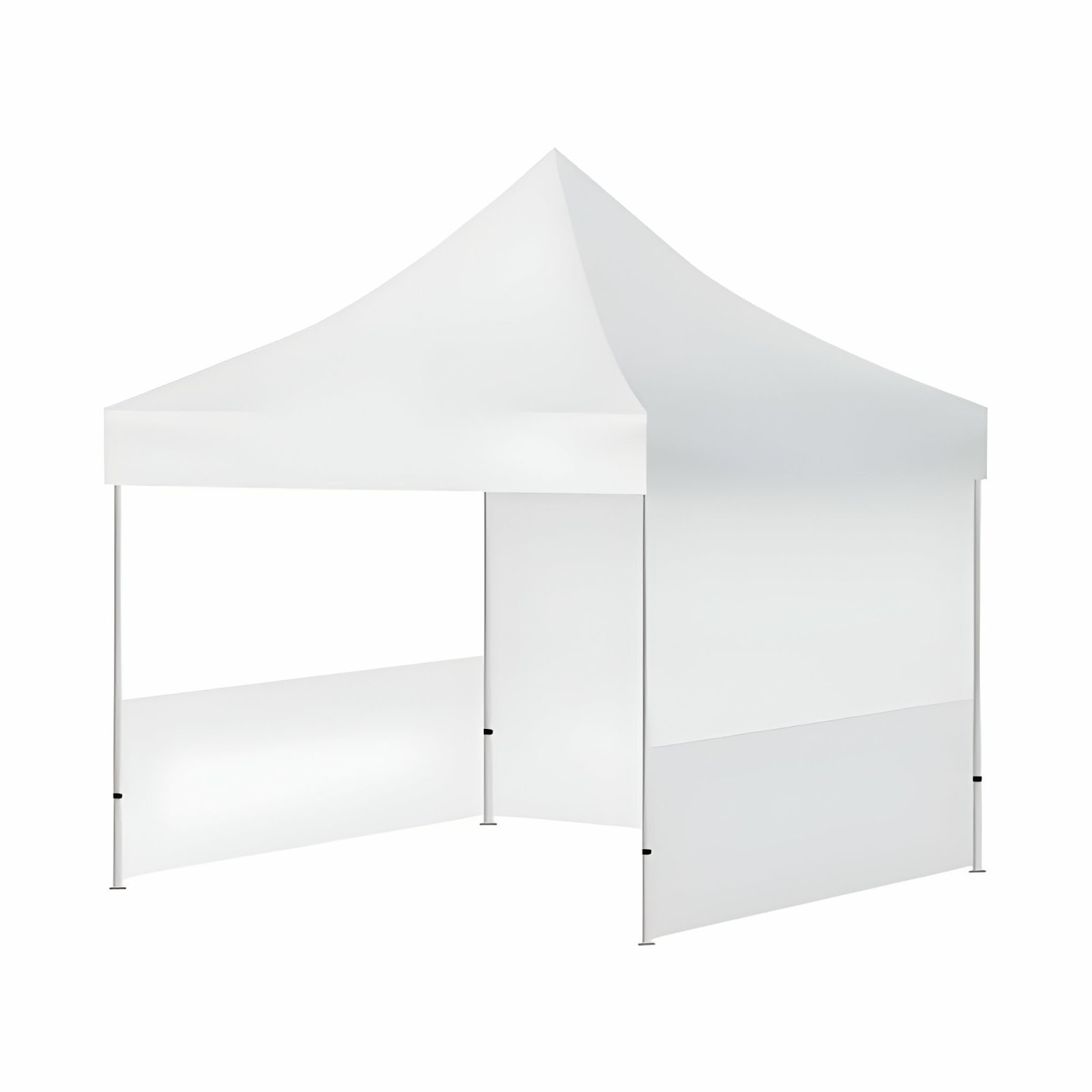
Pop up tents have significantly transformed the camping experience by offering rapid and effortless assembly, delivering immediate protection for individuals who enjoy outdoor activities. To optimize the advantages of these simple shelters and guarantee a secure and pleasurable camping trip, it is imperative to comprehend the optimal use of pop-up tents. This article will provide helpful advice on how to efficiently set up, utilize, and upkeep pop-up tents, enabling you to optimize your camping experiences.
Choosing the Right Pop Up Tent
Consider Size and Capacity
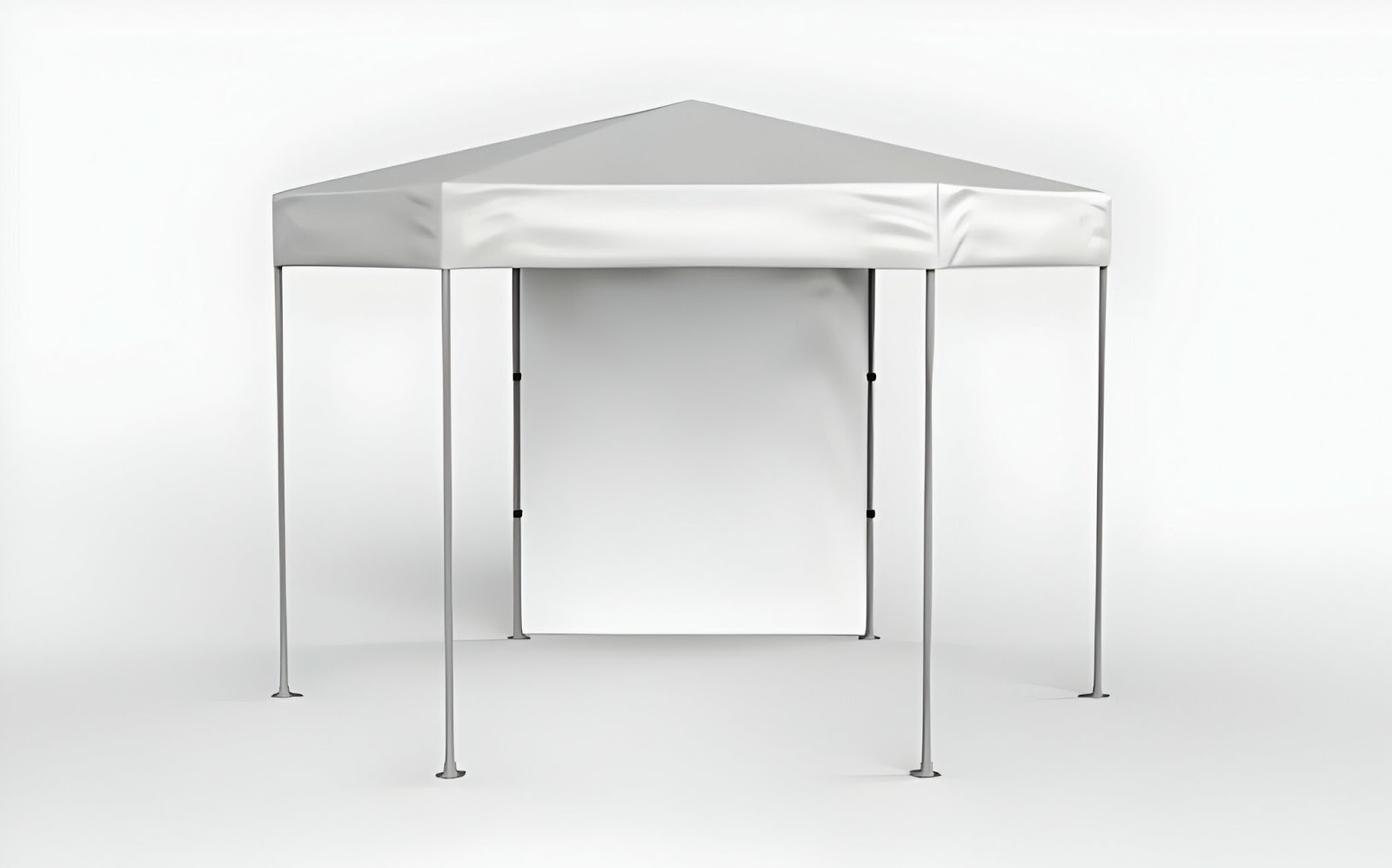
Before acquiring pop up tents, take into account the dimensions and capacity that most appropriately align with your requirements. Consider the number of individuals, storage capacity for equipment, and your preference for a small tent for individual excursions or a larger one for group adventures.
Evaluate Weather Resistance
Search for pop-up tents equipped with sufficient weatherproof characteristics. An ideal tent should provide waterproof functionality, UV shielding, and adequate ventilation to guarantee optimal comfort under diverse weather conditions.
Check Ease of Setup
Evaluate the configuration process of the tent. Although these tents are renowned for their rapid assembly, certain models may possess a higher level of user-friendliness compared to others. Select a tent with a setup procedure that corresponds to your tastes and ability.
Understanding the Setup Process
Read the Manual
Acquaint yourself with the tent’s setup instructions by carefully perusing the documentation. Familiarizing oneself with the individual stages and nuances of each pop up tent is crucial for a more streamlined setup process.
Practice at Home
Before embarking on your camping excursion, rehearse the process of assembling the collapsible tent in either your backyard or living room. Engaging in this activity not only acquaints you with the procedure but also aids in detecting any possible complications before venturing into the natural environment.
Involve Everyone in Setup
To ensure effective collaboration when camping, engage all members of the group in the setup process. This not only expedites the building process but also guarantees that all individuals are knowledgeable about the tent setup, thus enhancing the collaborative nature of the camping experience.
Choosing the Right Campsite
Level Ground
Choose a spot that has flat terrain to guarantee a secure base for your collapsible tent. Steer clear of regions characterized by inclines, boulders, or irregular ground that could potentially undermine the stability and comfort of the tent.
Mindful of Wind Direction
Take into account the wind’s direction when arranging your tent. To reduce the likelihood of rain entering the tent due to wind, place the entrance or bigger openings at a location that is not directly facing the prevailing wind.
Avoid Low-Lying Areas
Shallow regions are susceptible to water accumulation, particularly after rainfall. Select a somewhat raised location to avoid the accumulation of water around your tent. This contributes to the preservation of a moisture-free and pleasant indoor environment.
Securing the Tent Properly
Use Stakes and Guy Lines
Typically, pop-up tents are equipped with stakes and manliness. Utilize these tools to fasten your tent firmly to the ground. Securing the tent with staking improves its stability, effectively preventing it from being lifted or displaced by powerful winds.
Tension the Rainfly
Make sure you appropriately tighten the rainfly to create a gentle incline. This facilitates the smooth runoff of precipitation, so reducing the accumulation of water and any leaks. Tightly stretched rainflies also enhance wind resistance.
Ventilation and Condensation Management
Utilize Ventilation Features
Pop up tents frequently include integrated ventilation elements, such as mesh windows and vents. Utilize these characteristics to enhance air circulation and minimize the formation of moisture inside the tent, particularly in humid environments.
Partially Open Windows at Night
Ensuring the tent remains secure is crucial. Nevertheless, leaving windows or vents slightly open during the night might aid in controlling condensation. This facilitates the circulation of fresh air, thus minimizing the accumulation of moisture inside the tent.
Proper Tent Use and Etiquette
No Open Flames Inside
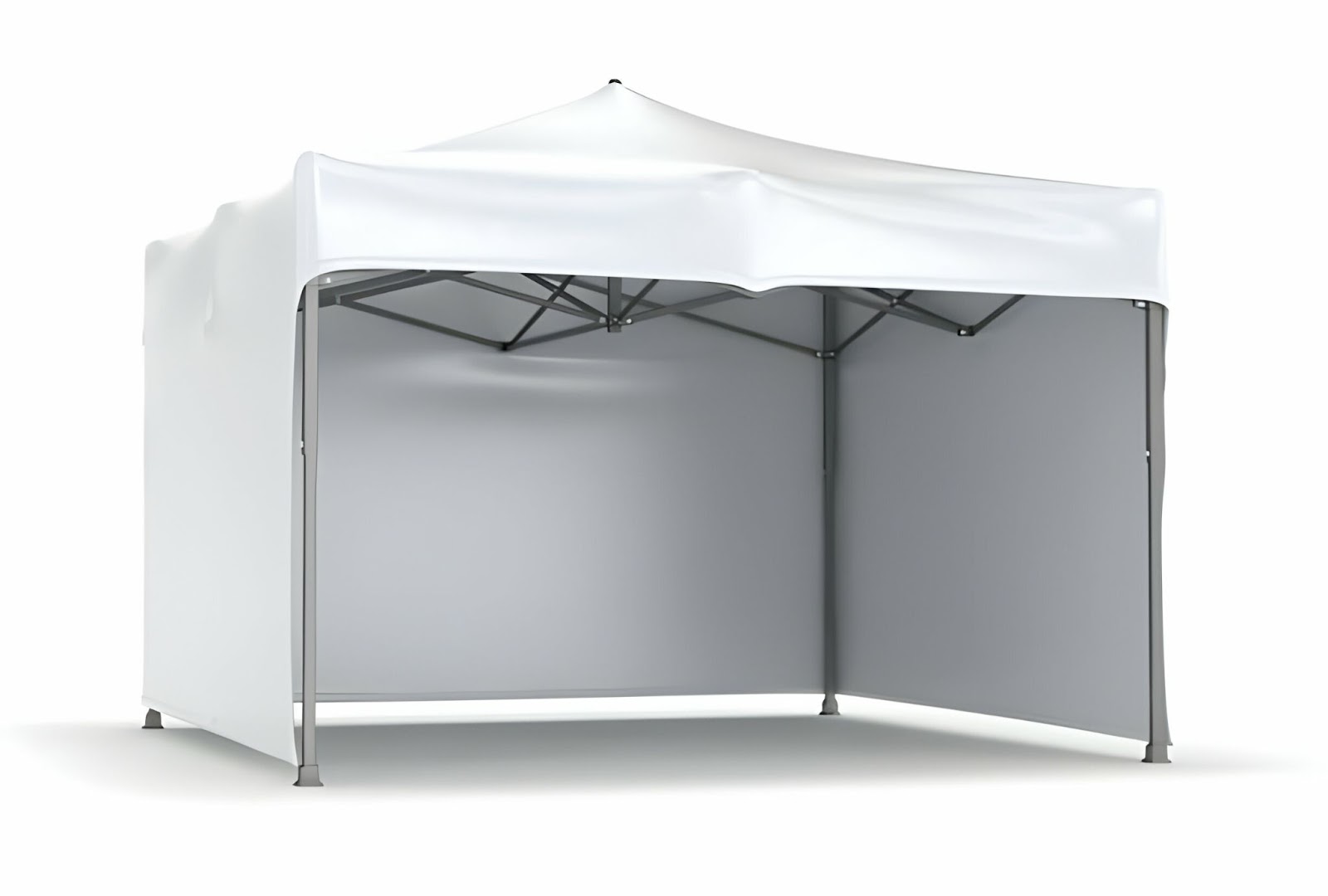
Avoid the use of open flames, such as candles or stoves, within the confines of your tent. Tents are constructed using combustible fabric and components, making them very susceptible to catching fire when exposed to open flames.
Keep Shoes Outside
Kindly urge all individuals to take off their shoes before entering the tent. This approach minimizes the accumulation of dirt, trash, and moisture inside the tent, therefore maintaining the cleanliness and comfort of its inside.
Use a Ground Tarp or Footprint
Position a ground tarp or foundation underneath your collapsible tent. The presence of this supplementary layer protects against both abrasions and punctures, hence increasing the durability and longevity of the tent floor.
Cleaning and Maintenance
Regularly Shake Off Debris
While on your camping excursion, make sure to periodically remove any loose dirt, leaves, or debris from the tent. This hinders the accumulation of these particles and so reduces the risk of inflicting abrasions during the process of setting up or taking down.
Clean Spills Immediately
To swiftly deal with spills or stains, use a mild soap or a specialized tent cleaner. Performing spot cleaning is essential to prevent stains from becoming ingrained and to preserve a pristine appearance.
Disassembly and Storage
Follow Disassembly Instructions
When the moment comes to pack up, according to the disassembly guidelines provided in the manual. By following this procedure, you can ensure that you fold and store the tent properly, hence minimizing the risk of causing any harm to the fabric and components.
Fold Neatly
Precisely and systematically fold the tent following the approved procedure. Pop up tents typically employ a designated folding method to preserve the durability of the material and simplify the process of setting up the tent for future usage.
Store in a Cool, Dry Place
Ensure the proper storage of your collapsible tent in a cool and dry location during periods of non-use. Minimize prolonged exposure to direct sunlight, as it might diminish the fabric’s strength and affect the tent’s general functionality.
Conclusion
Pop up tents provide a convenient camping experience, but it is crucial to know how to use them safely and effectively to fully utilize their capabilities. To ensure a multitude of enjoyable excursions with your pop-up tent, it is crucial to select an appropriate tent, become proficient in setting it up, secure it adequately, and adhere to basic tent etiquette. Consistent cleaning, maintenance, and appropriate storage additionally enhance the durability of your tent, guaranteeing its reliability as a companion during your outdoor adventures.