
Tag: Security

  • Strategies to Maintain Strong Physical Security

    Strategies to Maintain Strong Physical Security

    In today’s rapidly evolving security landscape, maintaining strong physical security measures is crucial for organizations to protect their assets, data, and personnel from potential threats and vulnerabilities. From securing facilities to controlling access and deterring unauthorized entry, effective physical security strategies play a vital role in safeguarding against various risks. In this article, we’ll explore key strategies to help organizations maintain robust physical security and create a safe and secure environment for all stakeholders.

    Conduct a Comprehensive Security Assessment

    Begin by conducting a thorough assessment of your organization’s physical security posture. Identify potential vulnerabilities, weaknesses, and areas for improvement across your facilities, including entry points, perimeters, interior spaces, and critical infrastructure. Consider engaging security professionals or consultants to conduct a comprehensive security audit and provide recommendations tailored to your organization’s specific needs and risks.

    Implement Access Control Measures

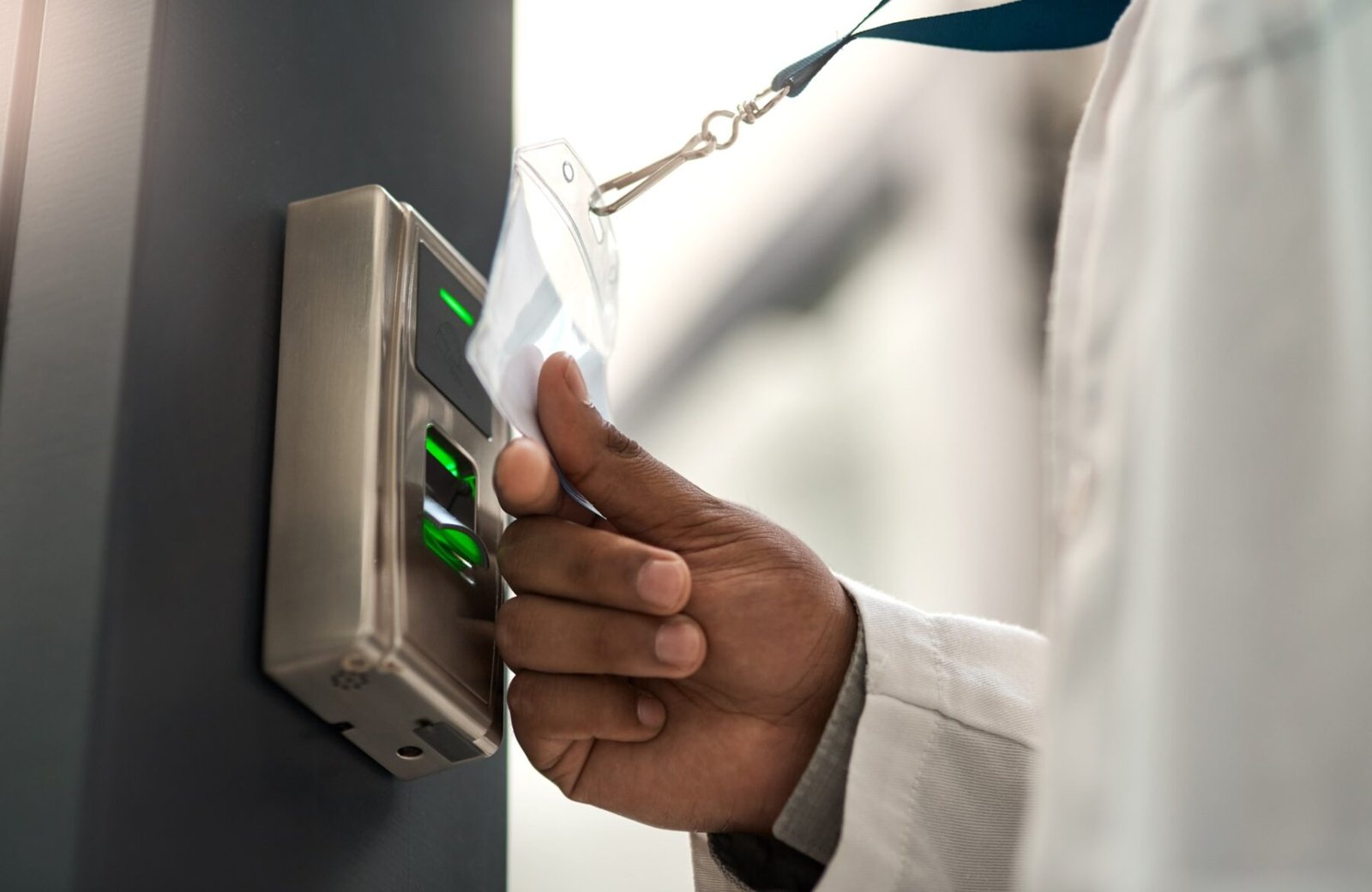
    Controlled access is fundamental to maintaining strong physical security. Implement access control measures such as electronic keycard systems, biometric scanners, or keypad locks to restrict entry to authorized personnel only. Establish clear access policies and procedures, including visitor management protocols and employee identification requirements. Regularly review and update access permissions to ensure that only authorized individuals have access to sensitive areas.

    Strengthen Perimeter Security

    Secure the perimeter of your facilities to deter unauthorized access and protect against intruders. Install fencing, gates, and barriers to create physical boundaries and control entry points. Consider implementing surveillance cameras, motion sensors, and alarm systems to monitor perimeter activity and detect suspicious behaviour. Regularly inspect and maintain perimeter security infrastructure to ensure its effectiveness and reliability.

    Deploy Surveillance Systems

    Deploying surveillance cameras strategically throughout your facilities provides a critical layer of security by monitoring key areas and deterring criminal activity. Choose high-quality cameras with features such as high resolution, night vision, and remote viewing capabilities for optimal surveillance coverage. Integrate surveillance systems with access control and alarm systems to enable real-time monitoring and response to security incidents.

    Invest in Security Lighting

    Proper lighting is essential for enhancing visibility and deterring criminal activity around your facilities. Install bright, motion-activated lighting in outdoor areas, entry points, and parking lots to illuminate potential blind spots and discourage unauthorized access. Consider using timer-controlled or programmable lighting systems to ensure consistent coverage and visibility during nighttime hours.

    Train Employees on Security Protocols

    Employee awareness and training are critical components of maintaining strong physical security. Provide comprehensive training to employees on security policies, procedures, and emergency protocols. Educate staff on identifying and reporting suspicious activities, handling security incidents, and responding to emergencies such as fire, theft, or active threats. Encourage a culture of security awareness and proactive risk mitigation throughout the organization.

    Regularly Test and Update Security Measures

    Physical security requirements evolve over time, so it’s essential to regularly test and update security measures to address emerging threats and vulnerabilities. Conduct periodic security drills, exercises, and simulations to evaluate the effectiveness of your security protocols and identify areas for improvement. Stay informed about industry best practices, technological advancements, and regulatory requirements related to physical security and implement updates accordingly.

    Maintaining strong physical security is paramount for organizations to protect their assets, data, and personnel from potential threats and vulnerabilities. By implementing comprehensive security measures such as access control, perimeter security, surveillance systems, security lighting, employee training, and regular security updates, organizations can create a safe and secure environment for all stakeholders. Prioritize physical security as an integral component of your organization’s overall risk management strategy to mitigate risks, safeguard assets, and promote a culture of safety and security.

  • Why an Access Control System Alone is Not Enough for Comprehensive Security

    Why an Access Control System Alone is Not Enough for Comprehensive Security

    In the quest for robust security, businesses and organizations often turn to access control systems as the frontline defense against unauthorized access to physical and digital spaces. While these systems play a crucial role in safeguarding assets and personnel by regulating who can enter or use resources, relying solely on them is akin to setting a strong lock on a flimsy door. This article explores why an access control system, despite its significance, is insufficient on its own and needs to be part of a more comprehensive security strategy.

    The Limitations of Access Control Systems

    1. Single Point of Failure: Access control systems, when operating in isolation, represent a single point of failure. Skilled intruders, whether through physical tampering or cyber-attacks, can exploit vulnerabilities in the system to gain unauthorized access, thereby compromising the entire security apparatus.
    2. Lack of Comprehensive Coverage: These systems typically focus on entry points or critical assets but may overlook other areas that also require protection. Comprehensive security necessitates surveillance and protection measures that cover the entirety of a facility or network, including less obvious points of vulnerability.
    3. Reactive, Not Proactive: Access control systems are inherently reactive; they respond to access requests but do little to proactively identify or mitigate potential threats that have not yet interacted with the system. Without additional security layers, there’s a missed opportunity to prevent threats before they reach access points.

    Complementing Access Control with a Layered Security Approach

    1. Surveillance Systems: Integrating surveillance cameras and motion detectors with access control enhances security by providing real-time monitoring and recording capabilities. This combination allows for the verification of access events and the identification of suspicious activities around restricted areas.
    2. Intrusion Detection Systems: For digital networks, pairing access control with intrusion detection systems (IDS) offers a more robust defense against cyber threats. While access control regulates entry, IDS monitors network traffic for suspicious activities, offering an added layer of security against malware and hackers.
    3. Physical Barriers: Beyond electronic access control, physical barriers such as fencing, bollards, and reinforced doors add a tangible layer of protection. These barriers serve as deterrents and delay tactics against intruders, buying crucial time for response teams.
    4. Employee Training and Awareness: Human error remains one of the largest security vulnerabilities. Training employees on security protocols, awareness of social engineering tactics, and the importance of maintaining security hygiene complements technical measures by reducing the risk of insider threats and inadvertent breaches.
    5. Regular Audits and Updates: Security systems are not set-and-forget solutions. Regular audits and updates ensure that access control systems and their complementary measures are functioning optimally and are updated to defend against evolving threats.

    The Importance of a Comprehensive Security Mindset

    Security is a complex challenge that requires a multifaceted approach. An access control system, while vital, is just one component of what should be a layered defense strategy. The integration of physical and digital security measures, along with a culture of security awareness, creates a resilient infrastructure that can adapt to and mitigate a wide array of threats.

    In conclusion, while access control systems are indispensable to modern security strategies, they cannot stand alone. By recognizing their limitations and integrating additional security measures, organizations can create a more fortified and resilient defense against the myriad of threats in today’s complex landscape. Security is not just about controlling access; it’s about creating an environment where safety, privacy, and peace of mind can flourish.

  • Addressing the Core Issues: Solving the Top 5 WordPress Security Challenges

    Addressing the Core Issues: Solving the Top 5 WordPress Security Challenges

    In the realm of website management, WordPress stands out as a widely utilized content management system that empowers website owners to effortlessly establish and uphold their online presence. However, WordPress websites frequently become prime targets for hackers and malicious individuals seeking to exploit potential security vulnerabilities. 

    Website security is of paramount importance in today’s digital landscape. Taking concrete steps to protect your website from hackers and malicious software is crucial to safeguard sensitive user information, maintain trust, and prevent potential damage to your online presence. Implementing measures such as strong passwords, regular software updates, robust firewalls, and secure coding practices can significantly enhance the security posture of your website, ensuring a safer online experience for both you and your visitors.

    This informative article aims to delve into the top five threats faced by WordPress websites, accompanied by actionable recommendations and strategies to effectively mitigate these risks. By implementing the suggested measures, you can fortify your WordPress site, ensuring robust security and shielding it against prevalent threats.

    Source

    Vulnerable Login Forms: A Gateway for Unauthorized Access

    One of the most straightforward methods employed by hackers to infiltrate a WordPress website involves exploiting its login form. By repeatedly guessing usernames and passwords, attackers can potentially gain unauthorized access to the website’s backend.

    To thwart such attacks, it is imperative to ensure robust protection for the login form. This means you effectively restrict the number of login attempts originating from a particular IP address and automatically lock out that IP address after a designated number of failed login attempts. By employing this measure, brute force attacks can be mitigated, significantly enhancing the overall security of your website.

    In their relentless pursuit to gain unauthorized access to WordPress login credentials, hackers often resort to employing brute force techniques. Utilizing automated tools, they systematically try numerous combinations of usernames and passwords until they stumble upon the correct combination. However, by implementing solutions such as plugins, the number of login attempts allowed for a user is restricted. This significantly increases the level of difficulty for hackers attempting to infiltrate your website, providing an added layer of protection.

    Source

    Lack of a Verified SSL Certificate: A Breach in Website Security

    SSL certificates play a vital role in ensuring the security and privacy of website visitors. By encrypting the communication between a website and its users, SSL certificates prevent unauthorized access to sensitive information, such as personal data and financial transactions. This trust-building measure not only protects users’ data but also enhances the credibility and reputation of a website, making SSL certificates an essential component for every website seeking to establish a secure online environment.

    A RapidSSL certificate serves as a digital assurance that encrypts the information exchanged between a website and its users. This encryption is crucial for safeguarding sensitive data, including login credentials, financial details, and personal information.

    Without a valid SSL certificate, a website becomes susceptible to data interception by malicious individuals. To mitigate this risk, it is imperative to ensure that your website possesses an SSL certificate.

    This way your website will automatically redirect all non-HTTPS requests to the HTTPS protocol, guaranteeing that all data transmitted between your website and its visitors remains protected and secure.

    Source

    Unsupported WordPress Components: Risks and Consequences

    WordPress, being a dynamic platform, continuously evolves with the release of new features and security patches. Neglecting to update the WordPress core, themes, and plugins on your website can expose it to various security vulnerabilities.

    To mitigate these risks, it is crucial to prioritize regular updates for WordPress, themes, and plugins. This can be achieved either through manual updates or by utilizing plugins designed to automatically upgrade them to the latest versions.

    Furthermore, maintaining an up-to-date website involves addressing issues such as outdated content, broken links, low-quality links, and URL typos. These factors can significantly impact website traffic, user engagement, and conversions. Thankfully, the WP 301 Redirects plugin offers an effective solution to tackle these challenges, preventing any negative impact on your website’s performance.

    By getting rid of the bad links, you can enhance the user experience and improve search engine rankings by redirecting obsolete or broken links to fresh, relevant pages. This plugin also ensures that potential customers don’t abandon your site due to URL issues or outdated content by redirecting them to the correct pages or updating information accordingly.

    Running a website requires ongoing maintenance and adjustments. However, these adjustments can sometimes render the site inaccessible or create a subpar user experience. To address this, you can utilize the WP Maintenance plugin, which allows you to put your website into maintenance mode during the update process. This helps avoid any negative experiences for your users and ensures a seamless update procedure.

    Source

    Preserving Data Integrity: The Absence of Routine Backups and broken links

    Regular backups are of utmost importance for website owners as they serve as a safety net against potential data loss. In the event of accidental deletion, hacking, or system failure, having up-to-date backups ensures that valuable website content, customer data, and configurations can be easily restored, minimizing downtime and preserving the integrity of the website. Regular backups offer peace of mind, providing a means to recover quickly and efficiently in the face of unforeseen circumstances, ultimately safeguarding the continuity and reputation of the website.

    Failure to maintain regular backups poses a significant threat to website security. Without proper backups, your website becomes susceptible to potential data loss resulting from server crashes, hacking incidents, or unforeseen disasters. 

    When conducting maintenance on your website, it is crucial to ensure that visitors do not experience any downtime when accessing your page. To achieve this, employing suitable software solutions, such as plugins, can help create an impressive landing page that informs visitors about the ongoing maintenance. These plugins offer a range of informative content, including the expected live date and time, visually appealing graphics, and other engaging elements, providing a seamless and visually appealing experience for your audience.

    To mitigate the risks of losing valuable data, it is crucial to establish a regular website backup routine. This can be achieved through manual backup procedures or by utilizing specialized plugins that automate the backup process and securely store your website data in cloud storage. By implementing robust backup measures, you can safeguard against unforeseen circumstances and ensure the preservation of your valuable website content.

    Having broken and outdated links on your website can have a detrimental impact on its overall performance and user experience. It not only frustrates visitors but also negatively affects your search engine rankings.

    Closing Thoughts

    In conclusion, addressing the core security challenges faced by WordPress websites is crucial to maintaining a secure online presence. By implementing recommended measures such as protecting login forms, obtaining valid SSL certificates, updating WordPress components, and regularly backing up website data, website owners can significantly enhance their website’s security and protect against potential risks. These proactive steps not only safeguard sensitive data but also contribute to the overall credibility and trustworthiness of the website, ensuring a safer and more reliable user experience.