Tag: Tools

  • The Essential Tools for Semiconductor Manufacturing

    The Essential Tools for Semiconductor Manufacturing

    Semiconductors are the backbone of modern technology, powering everything from smartphones to supercomputers. The process of manufacturing semiconductors is a complex and highly precise science, requiring a variety of sophisticated tools to ensure the highest levels of performance and reliability. This article explores the essential tools used in the semiconductor manufacturing process.

    1. Photolithography Tools

    Photolithography is a critical process in semiconductor fabrication, involving the transfer of intricate circuit patterns onto a silicon wafer. The primary tools used in this process include:

    • Steppers and Scanners: These tools project ultraviolet (UV) light through a photomask (containing the circuit pattern) onto a photosensitive layer on the wafer. The precision of these tools is crucial for defining the tiny features of modern semiconductors.
    • Aligners: Aligners ensure the accurate positioning of the wafer and photomask, crucial for maintaining pattern fidelity across multiple layers.

    2. Etching Tools

    Etching tools remove specific areas of material from the wafer surface, creating the desired circuit patterns. The two main types of etching tools are:

    • Plasma Etchers (Dry Etching): Utilize plasma to remove material with high precision, essential for defining fine features in advanced semiconductor nodes.
    • Wet Etchers: Employ liquid chemicals to dissolve unwanted material, useful for broader, less precise etching applications.

    3. Deposition Tools

    Deposition tools are used to add layers of materials to the wafer, forming various structures and components within the semiconductor. The key deposition techniques include:

    • Chemical Vapor Deposition (CVD) Tools: Utilize chemical reactions to deposit thin films of material onto the wafer surface.
    • Physical Vapor Deposition (PVD) Tools: Employ physical processes, such as sputtering, to deposit material layers.
    • Atomic Layer Deposition (ALD) Tools: Provide atomic-level control for depositing ultra-thin films, essential for modern, high-performance semiconductor devices.

    4. Ion Implantation Tools

    Ion implantation tools are used to modify the electrical properties of the silicon wafer by embedding ions into its surface. These tools precisely control the energy and dose of ions, allowing for the creation of specific conductive regions critical for semiconductor functionality.

    5. Chemical Mechanical Planarization (CMP) Tools

    CMP tools smooth and planarize the wafer surface after various processing steps, ensuring a flat surface for subsequent photolithography and deposition processes. These tools combine chemical reactions and mechanical abrasion to achieve high levels of flatness and uniformity.

    6. Metrology and Inspection Tools

    Ensuring the quality and precision of semiconductor devices requires rigorous measurement and inspection at each stage of the manufacturing process. Key tools include:

    • Optical Microscopes: Provide high-resolution imaging to inspect and measure features on the wafer.
    • Scanning Electron Microscopes (SEMs): Offer detailed images of the wafer’s surface at a microscopic level.
    • X-Ray Diffraction (XRD) Tools: Analyse the crystal structure and composition of materials.
    • Ellipsometers and Reflectometers: Measure the thickness and optical properties of thin films.

    7. Dicing Tools

    Dicing tools are used to cut the processed wafer into individual semiconductor dies. These tools typically use lasers or diamond-tipped saws to achieve precise cuts without damaging the delicate circuitry.

    8. Cleaning Tools

    Throughout the manufacturing process, wafers must be meticulously cleaned to remove contaminants that could affect device performance. Cleaning tools use various chemicals and ultrasonic waves to ensure that the wafer surfaces are pristine.

    The manufacturing of semiconductors is a sophisticated process that relies on an array of specialized tools, each playing a crucial role in transforming raw materials into advanced electronic components. From photolithography and etching to deposition and inspection, these tools ensure that semiconductors meet the high standards required for today’s technology. As semiconductor technology continues to evolve, these tools will undoubtedly advance, enabling even more powerful and efficient electronic devices in the future.
  • Goodbye to Short Cutting Tool’s Life in CNC Machining

    Goodbye to Short Cutting Tool’s Life in CNC Machining

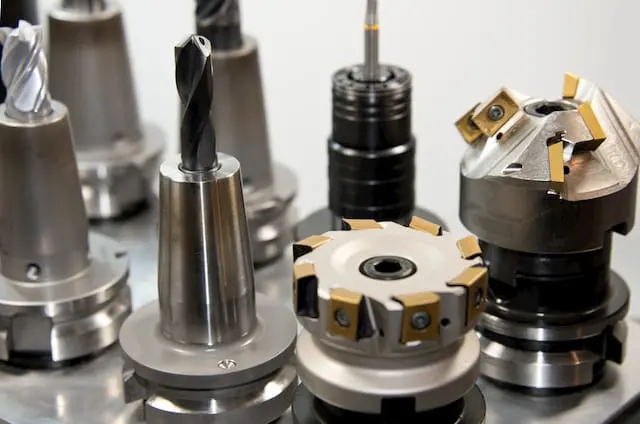
    Either as a manufacturer or CNC enthusiast, you must have been involved in machining for some time, and you’ve likely felt the frustration of your cutting tools wearing out faster than expected. It’s similar to preparing a great meal only to find your favorite knife dulling halfway through. 

    This issue often stems from standard practices that may seem harmless but can significantly reduce the lifespan of your CNC machining tools. Whether it’s through incorrect speeds and feeds, neglecting proper tool maintenance, or simply pushing the tools beyond their limits, these practices can lead to premature wear and tear.

    But you need not worry; In this article, you will learn techniques designed to help you solve short-cutting tools’ life problems. You will also learn the causes of each issue and their solution. By the end of this read, you’ll have a solid understanding of how to extend the life of your cutting tools and improve the efficiency of your CNC machining process.

    How to Solve Short Cutting Tools Life Problems

    The longevity of cutting tools is key to optimizing performance and reducing costs. Short tool life hampers productivity and increases downtime. To address these issues, it’s essential to understand the causes of premature wear and breakage and implement effective solutions.

    Materials for Tool

    Causes

    The material chosen for cutting tools is essential in determining their durability and longevity in CNC machining processes. Several factors contribute to premature wear and reduced effectiveness:

    • Material Hardness: Aligning the hardness of the tool material with that of the workpiece is critical. Mismatched hardness levels can accelerate the wear of cutting edges, significantly shortening tool life.
    • Heat Resistance: Tools operating at high speeds generate substantial heat. Inadequate heat resistance in the tool material leads to thermal degradation, reducing tool lifespan.
    • Abrasion Resistance: Tools used in machining abrasive materials or at high speeds require superior abrasion resistance. Insufficient resistance can lead to rapid wear of cutting edges.

    Solutions

    • Understanding Material Properties: Conduct a comprehensive analysis of material properties required for the specific machining application. Consider toughness, wear resistance, and thermal stability to ensure optimal performance.
    • Matching Tool Material to Workpiece: Select a tool material that matches or exceeds the hardness and abrasiveness of the workpiece material. This ensures the cutting edges maintain their integrity over extended use.
    • Advanced Coatings: Apply specialized coatings such as Titanium Nitride (TiN), Titanium Carbonitride (TiCN), or Titanium Aluminum Nitride (TiAlN) to enhance tool performance. These coatings improve hardness, lubricity, and wear resistance, significantly extending tool life.
    • Tool Material Research and Development: Stay informed about advancements in tool material technologies. Newer materials like cermet or ceramic-based tools offer enhanced properties that outperform traditional materials in specific machining scenarios.
    • Consulting with Tool Suppliers: Collaborate closely with manufacturers to stay abreast of the latest tool materials and coatings innovations. Their expertise can provide valuable insights and recommendations tailored to your machining needs.
    • Optimising Tool Material Costs: Balance performance and cost-effectiveness when selecting tool materials. Conduct thorough cost-benefit analyses to determine the most economical approach without compromising tool life or machining quality.
    • Monitoring and Maintenance: Implement proactive maintenance practices to prolong tool life. Regularly inspect tools for signs of wear and degradation and perform preventive measures such as regrinding or reconditioning worn tools.

    Tool Geometry

    Causes

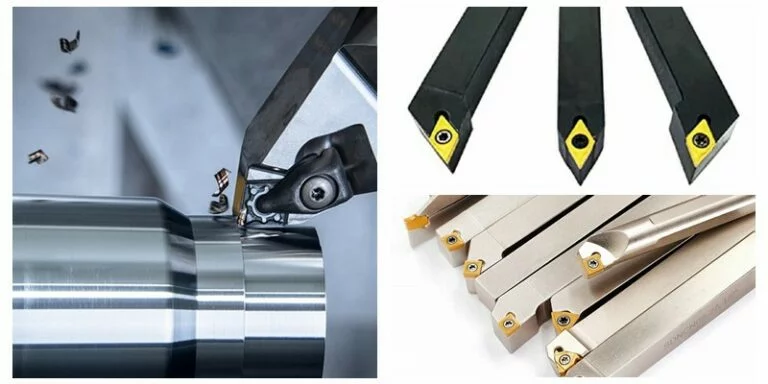
    Tool geometry refers to the specific design characteristics of cutting tools, including rake angles, clearance angles, cutting edge preparations, and overall shape. Incorrect or suboptimal tool geometry can lead to several issues that shorten cutting tool life:

    • Improper Rake and Clearance Angles: Incorrect angles increase cutting forces, friction, and heat generation, accelerating tool wear and compromising surface finish and dimensional accuracy.
    • Inadequate Cutting Edge Preparation: Poorly prepared edges, such as uneven or blunt edges, are prone to chipping, breakage, and premature wear during machining operations.
    • Mismatched Tool Geometry to Machining Application: Using tools with unsuitable geometry for specific materials or processes can hinder chip evacuation, increase tool deflection, and lead to premature tool failure.

    Solutions

    • Design and Engineering Expertise: Engage tool designers and engineers to customize geometries based on specific machining requirements. Consider material type, cutting parameters, and desired surface finish to optimize tool performance.
    • Utilization of CAD/CAM Software: Leverage advanced software for virtual simulations and optimisations of tool geometries. This allows precise adjustments to angles and edge preparations before physical implementation, ensuring optimal performance.
    • Precision Manufacturing Techniques: Employ advanced techniques like CNC grinding and wire EDM for accurate and consistent tool geometries. This enhances cutting performance and extends tool life by reducing wear and maintaining sharpness.
    • Edge Preparation Techniques: Implement specialized methods such as honing or radius grinding to enhance cutting-edge durability and sharpness. Well-prepared edges minimize friction and improve chip flow, thus reducing wear during machining.
    • Tool Geometry Validation: Conduct rigorous testing and validation of new geometries before full-scale production. Machining trials assess wear rates, surface finish, and dimensional accuracy to ensure optimal tool performance.
    • Continuous Improvement: Foster a culture of ongoing enhancement in machining practices. Regularly review and refine tool geometries based on performance feedback and technological advancements to optimize efficiency.

    Cutting Forces and Tool Type

    Cutting forces exerted during machining operations directly impact the performance and longevity of cutting tools. High cutting forces, improper tool selection, or mismatched tool types can lead to several detrimental effects:

    Causes

    • Cutting forces: These forces exerted during machining directly impact tool performance and longevity. Issues such as excessive wear, deflection, and stress concentrations arise from high forces or improper tool selection:
    • Excessive Tool Wear: Elevated forces generate heat and mechanical wear on cutting edges, leading to premature dulling and degradation of tool performance.
    • Tool Deflection: Insufficient rigidity or improper tool types result in deflection, compromising surface finish, accuracy, and overall tool life.
    • Stress Concentrations: Poor tool design or application creates stress points that accelerate wear and contribute to tool failure.

    Solutions

    • Optimized Cutting Parameters: Adjust speeds, feeds, and depths of cut to minimize forces while maintaining efficient material removal. Use empirical data and machining guidelines for optimal parameters based on materials and operations.
    • Tool Material and Design Selection: Choose tools to withstand anticipated forces and conditions. Consider material composition, geometry, and coatings to maximize tool life and performance.
    • Tool Holder and Workholding Considerations: Ensure stability and rigidity with appropriate holders and workholding devices. Proper clamping and vibration damping enhance precision and reduce deflection during machining.
    • Advanced Machining Strategies: Explore techniques like high-speed machining and adaptive cutting to distribute forces evenly, minimizing wear and extending tool life.
    • Simulation and Analysis Tools: Use software for real-time monitoring and analysis of forces during planning and machining. Virtual simulations optimize tool selection and strategies for prolonged performance.
    • Operator Training and Development: Train operators in tool selection, parameter optimisation, and handling practices. Skilled operators identify issues early and implement measures to extend tool life.
    • Continuous Monitoring and Feedback: Implement monitoring systems for real-time tracking of forces, wear rates, and performance metrics. Analyze data for trends, diagnostics, and proactive adjustments to maximize tool life and productivity.

    Here’s a table showing how to solve short cutting tools life problems:

    AspectCausesSolutions
    Materials for Tool– Mismatched hardness between tool and workpiece – Inadequate heat resistance – Insufficient abrasion resistance– Analyze required material properties (toughness, wear resistance, thermal stability) – Match tool material to workpiece hardness and abrasiveness – Use advanced coatings (TiN, TiCN, TiAlN) for better performance – Stay updated with new material technologies and research
    Tool Geometry– Incorrect rake and clearance angles – Poor cutting edge preparation – Unsuitable geometry for specific materials/processes– Customize tool geometries with expert help – Use CAD/CAM software for virtual simulations and optimizations – Employ precision manufacturing techniques (CNC grinding, EDM) – Implement edge preparation techniques (honing, radius grinding) – Conduct rigorous testing and validation
    Cutting Forces and Tool Type– Excessive tool wear from high cutting forces – Tool deflection due to insufficient rigidity – Stress concentrations leading to premature failure– Optimize cutting parameters (speed, feed rate, depth of cut) – Select tools designed for expected forces and conditions – Ensure stable tool holders and workholding devices – Explore advanced machining strategies (high-speed machining, adaptive cutting) – Train operators thoroughly

    Conclusion

    Saying goodbye to the premature wear-out of cutting tools in CNC machining requires a thorough approach. Identifying the main reasons behind short tool life, such as using the wrong materials, not designing tools optimally, and not correctly handling cutting forces, allows manufacturers to apply specific fixes. To ensure these cutting tools last longer in CNC machining, you must take a complete approach that covers choosing suitable materials, optimizing tool shapes, and managing cutting forces well.

    It’s also crucial to embrace new technologies, constantly improve processes, and tap into expert knowledge for designing tools and running machining operations smoothly. These efforts help businesses cut downtime, lower operational expenses, and boost productivity. This ensures that cutting tools maintain peak performance over longer periods, keeping companies competitive in the CNC machining.

  • Choosing the Most Crucial Survival Tools

    Choosing the Most Crucial Survival Tools

    With the significant number of survival devices on sale today, finding the very best multitool may be complicated to the start survivalist. Some are so difficult and of such low quality regarding be almost meaningless in many situations. This write-up will aid you to choose the very best survival devices for optimal effectiveness and safety and protection in any type of survival condition Many individuals spend a lot of time outdoors thanks to our careers and hobbies. We are farmers, hunters, fishermen’s, campers, building and construction labourers, lumberjacks, and the listing continues. It is really crucial for us to bring first-rate devices which serve for everyday work and for numerous other outdoor purposes. We are individuals possibly to really want them.

    There are many instances of survival tools and products that you should think about when you are preparing yourself for emergency situation scenarios.

    Survival Tools

    Some of the most critical aspects of a survival device is that one device should work as several attributes as possible. Think about the multifunctional Swiss army knife. Every Boy Scout understands that this knife is several diverse devices in one. Together with an energy knife, it includes a container and bottle screw, flathead in addition to Phillips head screwdrivers, curl, fish scaler and hook remover.

    Knife

    The knife likewise includes scissors, a rope and timber saw, along with a tooth choice and tweezers. Bigger models may even feature a magnifying glass for beginning fires and some might also have actually a compass built right into it. These knives are very versatile and compact that makes all the difference worldwide when packing for a camping or trekking experience.

    Additional Swiss-army-like survival devices and items that offer a number of features are absolutely something to get. Below are some pictures of multi-purpose survival tools.

    Compact Multifunction Shovel

    This survival tool can come in helpful in a variety of emergency situation situations. It is really light in weight for one. There are three distinct edges on the blade, shovel, saw, and hatchet. The blade also has a hammer head, wrench along with a nail puller and bottle screw. The handle is hollow, the cap features a strong liquid filled up compass. Inside there is a razor energy blade, a box of water-proof suits, in addition to usual fishing equipment. This is one of the most perfect models to keep in your home, or shop in the vehicle.

    There are different sorts of survival devices and items, much of it relies on where you take place to be in an emergency. Fundamental devices that you will require no matter if you go to home or on the move is a survival knife, flashlights with additional batteries, or even a flashlight that has a hand crank. An emergency radio is also a must, that has the local Climate networks, along with information channels.

    Flashlights and Radios

    Flashlights and radios are without a doubt really vital pieces of survival tools and items. But it isn’t only concerning handling to maintain these survival tools around, but likewise choosing the best kind. Batteries drop, and also rechargeable ones are unusable if there isn’t a source of power to charge them back up. Rather than buying products that use batteries, take into account ones that have solar energies built right into them, or that have a hand crank to power the device. Some radios will certainly run for more than two hours after being hand cranked for just a few mins. Solar panels can charge up a flashlight in an issue of hours, powering it for a lot of the evening, relying on use. Rates vary, relying on the high quality and attributes of the product.

    A few other all-around survival tools and products you ought to normally lug are fire starters and completely dry tinder. Matches and lighter in weights are excellent, if you have them, and if they are completely dry, however absolutely nothing tops an excellent flint and steel, or other similar tools for survival. These can discharge a shower of sparks that are hundreds of degrees, and can obtain a fire starter quickly and conveniently. Fresh completely dry tinder is also a must, since you seldom understand if you are going to be under damp problems.

    Pick the device which matches your lifestyle and personality. Nevertheless, it’s your life. Make it through with the fittest. Make the best selection by acquiring the very best high-quality survival devices and feel confident in doing so. However, remember this. Any type of survival device of poor quality is a very poor choice, particularly if your life depends on it. Extra money suggests essentially nothing if you aren’t around to invest it. Select carefully!