Tag: Traveling

  • Discover the Thrill of Adventure Hiking and Exploring the USA as Tourists

    Discover the Thrill of Adventure Hiking and Exploring the USA as Tourists

    Introduction

    Welcome to a thrilling adventure in which we embark on a fascinating journey exploring the numerous landscapes of the United States as vacationers. This article goals to offer you with an immersive experience of journey trekking at the same time as highlighting key locations during the country. Get geared up to ignite your wanderlust as we delve into the breathtaking natural wonders and exhilarating trails that the us has to offer.

     Unleashing Natural Wonders

     Exploring the Majestic Grand Canyon

    Located in Arizona, the Grand Canyon stands tall as a testament to the raw strength of nature. Its awe-inspiring size and lovely geological formations make it a must-go to destination for any adventure fanatic. Strap on your trekking boots and embark on the renowned South Kaibab Trail, where you may be rewarded with panoramic vistas of layered rock formations and the powerful Colorado River underneath. Immerse yourself within the untouched splendor of the Grand Canyon and witness nature’s masterpiece firsthand.

     Trekking the Rugged Terrain of Yellowstone National Park

    As the first national park within the United States, Yellowstone National Park in Wyoming gives a fascinating combo of geothermal wonders and plentiful flora and fauna. Lace up your trekking boots and traverse the park’s diverse terrain, venturing along trails which includes the enduring Old Faithful Trail or the tough Avalanche Peak Trail. Witness the explosive geysers, colourful warm springs, and hanging canyons, all whilst encountering majestic creatures like grizzly bears, wolves, and herds of bison. Yellowstone guarantees a exciting adventure like no other.

     Conquering the Towering Peaks of Yosemite National Park

    Situated in California’s Sierra Nevada Mountains, Yosemite National Park is synonymous with awe-inspiring granite peaks and breathtaking waterfalls. Test your limits as you hike the mythical Half Dome trail, a strenuous but rewarding adventure that gives panoramic perspectives of the park’s iconic landmarks. Challenge your self to attain the summit, taking within the fascinating splendor of the Valley Floor and the powerful Vernal and Nevada Falls alongside the way. Yosemite National Park guarantees an unforgettable journey inside the coronary heart of nature.

     Unveiling Hidden Gems

     Embracing the Magic of Zion National Park

    Utah’s Zion National Park showcases the enchanting beauty of towering red cliffs and tranquil emerald pools. Embark at the Angels Landing path, a thrilling adventure that rewards hikers with awe-inspiring views of the Virgin River valley from a lofty perch. Feel the frenzy of adrenaline as you navigate slender trails and scale sheer cliffs, conquering the hard ascent. Zion National Park guarantees an unforgettable experience in which adventure blends seamlessly with the wonders of nature.

     Roaming the Mystic Wilderness of Glacier National Park

    Untouched landscapes and rugged, snow-capped peaks outline the attraction of Glacier National Park in Montana. Strap for your trekking boots and discover the enchanting trails, which include the Highline Trail or the strenuous but profitable Grinnell Glacier path. Photograph scenic alpine meadows, crystal-clean lakes, and lovely glaciers while encountering the park’s numerous flora and fauna, such as grizzly bears, mountain goats, and elusive wolves. Glacier National Park invitations you to immerse your self in its pristine barren region and discover the actual essence of journey.

     Conclusion

    As thrill-searching for vacationers, we’ve launched into a thrilling adventure through the charming landscapes of the United States. From the awe-inspiring Grand Canyon to the enthralling beauty of Zion National Park and the untouched wasteland of Glacier National Park, these destinations offer extraordinary opportunities for adventure trekking. Embrace the venture, immerse yourself in nature, and allow the USA be your playground for unforgettable adventures. So take hold of your tools, lace up your boots, and set off on an notable adventure that guarantees awe-inspiring stories at each turn.

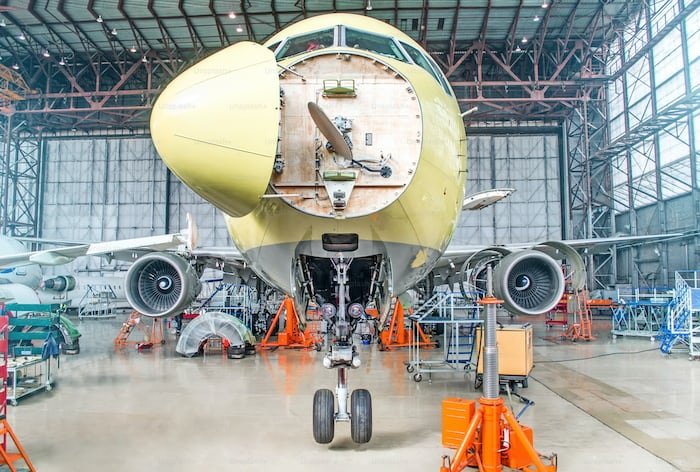
  • Up in the Air: 6 Must-Know Facts About Aircraft Components

    Up in the Air: 6 Must-Know Facts About Aircraft Components

    In our contemporary society, air travel has seamlessly woven itself into the fabric of our lives, acting as a nexus that connects people and places in unprecedented ways. Behind the awe-inspiring experience of gliding through the skies, a sophisticated network of technology and engineering stands as the foundation, facilitating this extraordinary feat. Aircraft stand as testaments to human ingenuity, with their various components serving indispensable roles in ensuring safe and efficient travel. The following sections delve into six essential facts about the diverse components that collectively contribute to keeping aircraft airborne.

    1. Wings: The Core of Flight

    Wings serve as the defining characteristic of any aircraft, their design a product of intricate engineering. The dimensions and contours of wings are pivotal in determining an aircraft’s lift and drag, critical factors for initiating and sustaining flight. 

    Modern aircraft often integrate advanced materials like carbon fiber into their wings, combining strength with lightness. Additionally, wings may incorporate sophisticated systems, such as winglets, designed to enhance fuel efficiency and mitigate turbulence.

    1. Engines: Propelling the Skies Forward

    Aircraft engines function as the dynamic force propelling an aircraft through the air. Jet engines, predominant in commercial aviation, operate by drawing in air, compressing it, blending it with fuel, and igniting the mixture to generate thrust. 

    Turboprop engines, commonly found in smaller aircraft, employ a hybrid of jet propulsion and a traditional propeller system. Ongoing advancements in engine technology focus on achieving heightened fuel efficiency, reduced emissions, and quieter operation.

    1. Avionics: The Intellectual Hub of Aircraft

    Avionics, derived from aviation and electronics, encompass the electronic systems within an aircraft, playing a pivotal role in modern aviation. These systems extend beyond navigation, communication, radar, and autopilot functions to include critical safety features like collision avoidance systems and weather monitoring equipment. 

    Modern aircraft rely extensively on avionics for precise navigation and communication, ensuring not only safe but also efficient travel. The continuous evolution of avionics technology has given rise to advanced fly-by-wire systems, where electronic signals seamlessly replace traditional mechanical controls, resulting in a paradigm shift towards enhanced precision, responsiveness, and overall flight control sophistication.

    1. Landing Gear: Connecting the Sky and Earth Safely

    Beyond wings and engines, the safe execution of takeoffs and landings hinges on the reliability of the landing gear. This assembly, comprising wheels, struts, and shock absorbers, enables the aircraft to taxi on the ground and execute smooth takeoffs and landings. 

    The aircraft tire cage is a critical safety feature that ensures the secure containment of tires, preventing potential hazards and contributing to the overall safety of aircraft operations. The configuration of landing gear varies depending on the aircraft type, ranging from simple setups for smaller planes to intricate retractable systems for larger commercial aircraft. 

    Some military aircraft even feature specialized landing gear for short takeoffs and landings. The aircraft tire cage is a critical safety feature that ensures the secure containment of tires, preventing potential hazards and contributing to the overall safety of aircraft operations.

    1. Fuselage: Abode for Passengers and Cargo

    The fuselage serves as the primary body of the aircraft, housing the cockpit, passengers, and cargo. Fabricated from lightweight yet robust materials such as aluminum or composites, the fuselage is designed to endure the structural stresses inherent in flight.

    The design of the fuselage is pivotal for aerodynamics, significantly influencing the overall efficiency of the aircraft. Additionally, the fuselage accommodates various systems, including fuel tanks and ventilation. 

    Its design not only ensures structural integrity but also considers passenger comfort, safety regulations, and the strategic placement of crucial systems, making the fuselage a multifaceted component essential to the aircraft’s seamless operation.

    1. Tail Section: Upholding Stability in Flight

    The tail section, encompassing the horizontal stabilizer and vertical fin, assumes a critical role in maintaining the stability and control of the aircraft. The vertical fin counteracts undesired yawing motion, while the horizontal stabilizer contributes to balancing the aircraft and controlling its pitch.

    The rudder, affixed to the vertical fin, provides the pilot with the capability to navigate the aircraft in either a leftward or rightward direction. The tail section emerges as a crucial component in ensuring a seamless and controlled flight, particularly during takeoff and landing maneuvers.

    Conclusion

    As you gaze in awe at aircraft gracefully traversing the skies, it is imperative to acknowledge the intricate engineering that underpins their design and construction. The components explored in this article represent merely a fraction of the myriad parts that synergize to enable flight. From wings lifting you into the air to engines propelling your journey and avionics guiding you, each component assumes a unique and indispensable role. The next time you step aboard an aircraft, take a moment to reflect on the marvels of technology and engineering collaborating to keep you aloft en route to new horizons.

  • 7 Ways ERP is Revolutionizing Aerospace Manufacturing

    7 Ways ERP is Revolutionizing Aerospace Manufacturing

    In the world of aerospace manufacturing, precision, efficiency, and compliance are paramount. To meet these demands and stay competitive, aerospace companies are turning to technology, and one of the most transformative tools they are adopting is Enterprise Resource Planning (ERP) systems. Aerospace and Defense systems have brought about a revolution in this industry, streamlining operations, improving collaboration, and ensuring regulatory compliance. In this blog, we’ll explore seven ways ERP is reshaping aerospace manufacturing.

    Enhanced Supply Chain Management

    Aerospace manufacturing relies on a complex global supply chain to source materials and components. ERP systems enable real-time visibility into the supply chain, from procurement to delivery. With streamlined procurement processes, inventory optimization, and predictive analytics, Aerospace and Defense ERP solutions help companies avoid delays, reduce costs, and ensure a steady supply of critical components.

    These ERP solutions solutions offer unparalleled visibility into the supply chain, from procurement to delivery. They streamline procurement processes, optimize inventory management, and leverage predictive analytics to anticipate supply chain hiccups. This proactive approach allows aerospace manufacturers to circumvent potential delays, cut costs, and ensure a steady flow of critical components, even in a dynamic and ever-changing global market. It’s the kind of supply chain management that not only enhances efficiency but also bolsters resilience in the face of unforeseen challenges.

    Improved Production Planning

    Efficient production planning is vital in aerospace manufacturing, where precision and timeliness are non-negotiable. ERP systems empower manufacturers to optimize production schedules, allocate resources effectively, and minimize downtime. With ERP, aerospace companies can adapt quickly to changes in demand and ensure on-time delivery of aircraft components.

    These ERP solutions empower manufacturers to optimize production schedules, allocate resources effectively, and minimize costly downtime. By harnessing real-time data and predictive analytics, companies can swiftly adapt to shifts in demand, ensuring that aircraft components are manufactured and delivered on time, every time.

    Quality Control and Compliance

    Aerospace manufacturing requires strict adherence to quality standards and regulatory compliance. These systems come with built-in quality management modules that help in tracking and managing quality control processes. They also assist in generating comprehensive reports, ensuring adherence to stringent industry regulations.

    In addition to upholding quality, these ERP solutions simplify compliance by automatically generating detailed reports that demonstrate adherence to industry regulations. This not only reduces the risk of costly errors but also streamlines the auditing process, saving both time and resources.

    Cost Reduction through Data Analytics

    Data analytics is a game-changer in the aerospace industry. ERP systems gather and analyze vast amounts of data, providing actionable insights. This helps manufacturers identify cost-saving opportunities, optimize resource allocation, and reduce operational inefficiencies. By leveraging data-driven decision-making, aerospace companies can achieve substantial cost reductions.

    These ERP systems aggregate and analyze data, providing actionable insights to manufacturers. By identifying cost-saving opportunities, optimizing resource allocation, and rooting out operational inefficiencies, aerospace companies can significantly reduce their operational costs.

    Real-time Collaboration

    Effective collaboration among various departments and partners is crucial in aerospace manufacturing. ERP systems facilitate seamless communication and information sharing, breaking down silos and improving cross-functional collaboration. This enhanced collaboration accelerates decision-making and ensures that everyone is on the same page, from design to production.

    Maintenance and Lifecycle Management

    Aircraft maintenance and lifecycle management are key aspects of aerospace manufacturing. ERP systems help aerospace companies plan and execute maintenance activities more effectively. With real-time data on the condition of aircraft components and predictive maintenance capabilities, manufacturers can reduce downtime and extend the lifespan of their products.

    Scalability and Flexibility

    The aerospace industry is constantly evolving, and companies need to adapt quickly to market changes and new opportunities. These systems offer scalability and flexibility, allowing companies to expand or diversify their operations with ease. Whether it’s entering new markets or launching innovative products, ERP systems provide the agility needed to thrive in a dynamic industry.

    Conclusion

    In conclusion, the adoption of ERP systems in aerospace manufacturing has revolutionized the way companies operate, offering a myriad of benefits that span the entire value chain. From supply chain management to production planning, quality control, cost reduction, real-time collaboration, maintenance, and scalability, ERP systems have become indispensable tools for aerospace companies looking to thrive in a competitive and highly regulated industry.