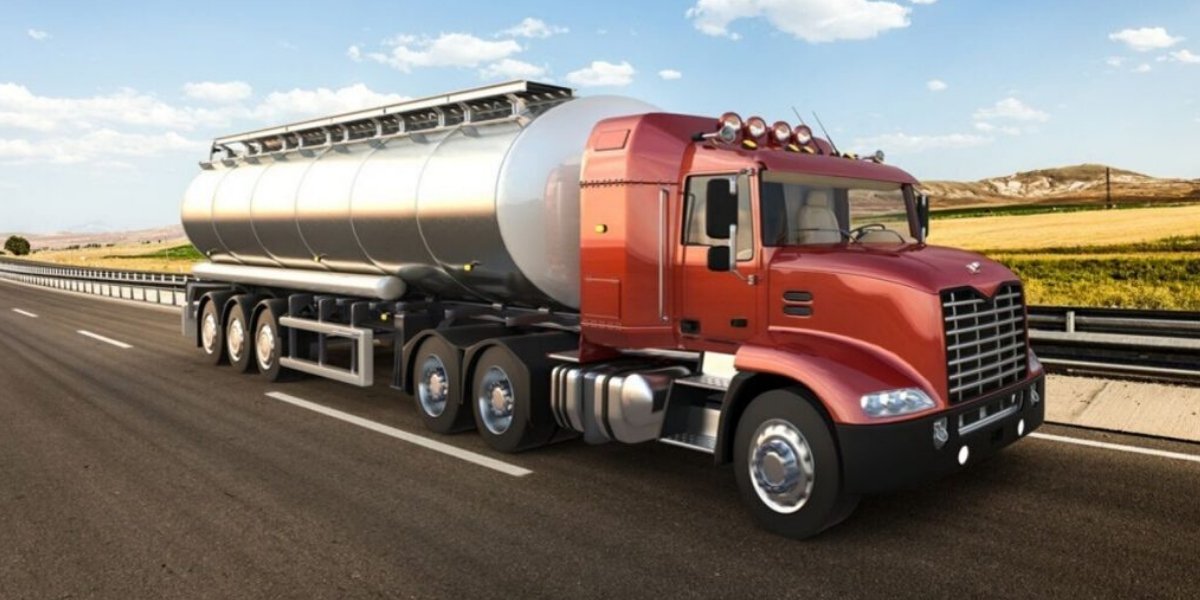
Companies need powerful tools and strategies to succeed in the competitive trucking world. One game-changing tool is the truck tracking system. These innovative tools have transformed how fleets are managed by providing real-time data and insights that drive efficiency and enhance security—no more guesswork or fragmented information. Tracking systems provide comprehensive visibility into operations, allowing business owners to make informed decisions.

These advanced tracking systems do more than just locate vehicles. They offer invaluable insights that help companies optimize their routes, reduce fuel consumption, and lower operational expenses.
This article presents an overview of tracking systems specifically designed for trucks. It delves into their importance in improving efficiency and security within the industry. Moreover, it will examine how the systems have advanced over time, highlighting the innovative features and technologies that have been developed to enhance security and improve overall efficiency.
With these elements in mind, readers can better understand how valuable truck tracking systems are to the transportation industry. So let us proceed!
Advanced Features and Technologies in Tracking Systems
Over time, tracking systems have advanced and integrated with cutting-edge technologies to provide numerous benefits and improved capabilities. Here are some of the features and technologies that make these modernized tracking systems possible:
- Telematics, Sensors, and IoT devices
Modern tracking systems for trucks work collaboratively with telematics, sensors, and Internet of Things (IoT) devices. Telematics technology gathers and transmits data on important truck operations such as engine performance, fuel usage, and driver behavior.
Sensors embedded in the truck monitor various factors, including tire pressure, temperature, and cargo status. On the other hand, IoT devices connect these critical components together to provide comprehensive insights into the operations of the vehicle.
This integration enables companies’ operating fleets to make informed decisions based on real-time data analysis, ensuring optimal efficiency resulting in improved performance overall.
- Mobile Applications for Remote Tracking and Management
The power of mobile applications has revolutionized tracking systems, making remote fleet management a reality. These applications enhance communication and optimize operations while enabling efficient management of fleets on the move.

By utilizing dedicated mobile apps, companies can effectively track their trucks in real-time, stay informed through alerts, and access vital data on their mobile devices anywhere, anytime. This empowers fleet managers to make critical decisions regardless of physical location.
- Data Analytics and Predictive Maintenance
Data analytics now play an essential role in the trucking industry’s tracking systems. It helps companies extract valuable insights by analyzing collected data to identify patterns, trends, and areas for improvement.
This approach has enabled predictive maintenance that ensures timely servicing and repairs of trucks to avoid unexpected failures, optimizing their lifespan while minimizing costly downtime. By leveraging data analytics, companies can proactively manage their fleets, reduce maintenance costs, and enhance operational efficiency.
- Cybersecurity Considerations
With the increasing prevalence of interconnected and data-oriented tracking systems, cybersecurity measures have taken center stage. Safeguarding data against cyber threats is crucial to protect sensitive information while maintaining seamless functioning. Employing robust security techniques like encryption, firewalls, and authentication protocols for transmitting and storing tracking data ensures security. Furthermore, enterprises focus on investing in cybersecurity practices to ward off unauthorized entry into their monitoring systems as well as potential disruptions that can arise from them.
How Truck Tracking Systems Enhance Efficiency
Tracking systems are essential for managing truck fleets efficiently. By providing real-time data on location and status, companies are empowered to make informed decisions, optimize routes, and enhance overall performance. With accurate tracking data at their fingertips, companies can:
- Reduce fuel consumption and operating costs
Tracking systems are crucial for companies looking to obtain real-time data regarding their trucks’ location and status. This information is used to make informed decisions about route optimization, leading to lower fuel consumption and operational costs.

By analyzing accurate tracking data, organizations can identify the most efficient routes for their vehicles, decreasing unnecessary mileage and fuel usage. These enhancements generate significant cost savings while also promoting eco-friendly measures by reducing carbon emissions associated with transportation operations.
- Minimise idle time and improve delivery schedules
Tracking systems can provide valuable insights, including instances of idle time. Using data from the tracking devices, companies can minimize idle periods and enhance overall efficiency. By optimizing routes, coordinating deliveries, and providing timely updates to drivers, operations can be streamlined.
It helps to minimize delays and to enhance delivery schedules. Resource utilization can also be maximized as unnecessary downtime is reduced. Ultimately, customer satisfaction is increased through ensuring on-time deliveries.
- Monitor driver behavior
Using tracking systems, companies can monitor and analyze driver behavior to gain valuable insight into their performance on the road. Tracking factors such as speeding, harsh braking, and unauthorized stops allow companies to identify areas where drivers might require additional training or support. By addressing these areas and promoting safer driving practices, companies improve driver behavior and ultimately enhance operational efficiency.
Furthermore, using tracking systems ensures compliance with regulatory requirements governing driver behavior. By closely monitoring and promptly addressing any deviations, companies can adhere to safety standards, mitigate risks of accidents or violations, and comply with transportation regulations. Consequently, operations become smoother, liability is reduced, and safety records are improved for the company.
How Truck Tracking Systems Enhance Security
- GPS tracking for swift theft detection and retrieval
By utilizing GPS technology, tracking systems offer real-time monitoring for trucks. It allows companies to quickly detect and locate stolen vehicles, which helps authorities take immediate action leading to successful recovery.
Notably, this significantly decreases potential losses and enhances security measures. Tracking stolen vehicles in real-time significantly enhances security measures, allowing for a prompt response and mitigating the impact of theft incidents.
- Alarms and alerts
Tracking systems have alarms and alerts that prevent unauthorized vehicle usage. These notifications can help fleet managers or authorities detect unauthorized access or operation of a truck. By receiving immediate notifications, companies can immediately take action to prevent further theft or unpermitted use. As a result, such proactive measures discourage individuals from tampering or attempting to use company vehicles without permission.
- Cargo tracking and monitoring
The security of valuable cargo heavily relies on tracking systems. These systems provide real-time insight into the location and condition of goods to ensure their safe transport. By closely monitoring cargo for deviations from planned routes or unexpected stops, companies can quickly identify suspicious activities such as theft or unauthorized access. Timely intervention allows companies to prevent these incidents and guarantee successful delivery to intended destinations.
Bottom Line
Tracking systems have become essential tools in the trucking industry, adding to its efficiency and enhancing security. Real-time monitoring, optimization of routes, and managing driver performances save time and money while accelerating deliveries. With technology integrating with emerging trends, tracking systems are here to stay and will continue influencing the future of the trucking industry. Companies that embrace this technology can leverage their capabilities to retain their lead in this dynamic landscape.