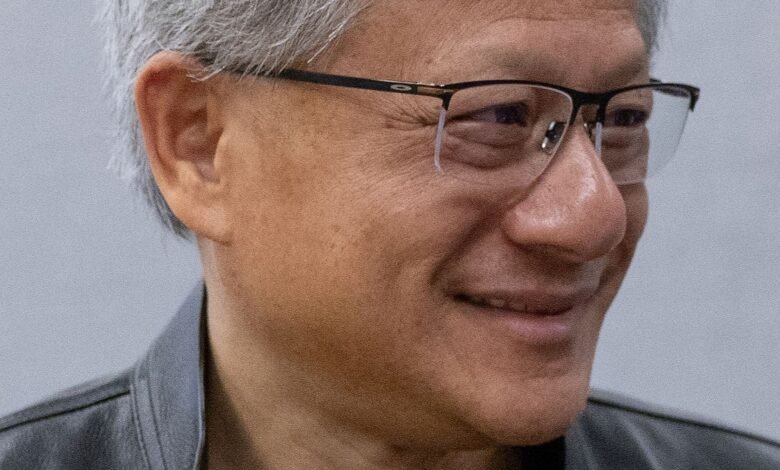
Jensen Huang has resigned as Nvidia’s chief executive, ending a 33-year run at the top of the company he co-founded. Nvidia announced the move on Thursday, 12 November 2026, and said chief financial officer Colette Kress will run the company as interim CEO while the board searches for a permanent replacement.
Huang stepped down as president, chief executive officer and a member of the board, effective immediately. The board had accepted his resignation the day before, on 11 November, according to the company’s filing with the US Securities and Exchange Commission.
What happened
Nvidia’s announcement was short and gave no reason for the departure. In its official statement, the board said Kress, who is executive vice president and chief financial officer, had agreed to serve as interim CEO and will keep her finance job at the same time.
The board also named longtime director Harvey C. Jones as its first-ever Chair of the Board. Jones has been a Nvidia director since 1993.
The company said it will consider internal and external candidates for the permanent chief executive job. Nvidia added that it will still report its third-quarter fiscal 2027 results on Tuesday, 17 November, as previously planned, with the earnings call at 2 p.m. Pacific Time.
Nvidia shares fell on the news. The stock opened sharply lower on 12 November, then recovered part of the loss and closed the day down about 4.3%.

Who is Colette Kress?
Colette Kress, 59, has been Nvidia’s executive vice president and chief financial officer since September 2013. That makes her one of the longest-serving finance chiefs in the chip industry, and she has been at Huang’s side through the company’s rise from a graphics-chip maker to the most important supplier of AI hardware in the world.
She now has two jobs at once: running the company day to day and keeping control of its finances. The board has not said how long the search for a permanent CEO will take, and Kress will lead Nvidia until a successor is named.
Kress takes over at a busy moment. Nvidia’s next earnings report lands on 17 November, just five days after the resignation was announced, so investors will hear from her very soon.
Why did Huang resign?
Nvidia’s filing and press release give no reason for the resignation. The move came days after Huang told employees on 8 November that he had been unfaithful to his wife and that he supported an independent investigation. The board had launched that independent investigation the same day, after reports that Huang had been the target of a foreign intelligence operation.
News reports have also linked Huang to a woman US intelligence agencies suspect of having ties to Chinese intelligence. The Associated Press reported that Huang stepped down following reports of extramarital affairs, including one involving a suspected Chinese spy. None of those reports has been confirmed by Nvidia, and the company has not published any findings from its investigation.
What is certain is the timing: the board went from backing Huang and running an independent inquiry to accepting his resignation within four days.
What happens next for Nvidia
For now, the company’s day-to-day work does not change. Nvidia says its chip plans will not change, and the products and roadmaps that made it the centre of the AI boom stay in place. The next big test is the earnings report on 17 November, when Kress will speak to investors for the first time as interim CEO.
The board’s search for a permanent chief executive is now the key question. Whoever takes the job will inherit a company worth trillions of dollars, a dominant position in AI chips, and a market that is watching every move. The search will consider candidates from inside Nvidia and from outside the company. Investors will watch two things in the coming weeks: the 17 November earnings report, for any change in guidance, and any early sign of whether the board wants an insider who knows the chip business or an outsider who can steady the company after a public crisis. Either way, the new chief will take over a business under more scrutiny than at any point in its history.
It is also worth noting how unusual this is. Huang co-founded Nvidia in 1993 and led it for its entire life as a public company. For the first time, Nvidia will face investors without its founder in charge.
That is why this change matters beyond one person. Nvidia’s chips power most of the world’s AI systems, from the data centres that train models like Google’s new Gemini 4 Carbon model to the gaming graphics cards in millions of homes. A change at the top of that company is a change at the centre of the AI industry.
Frequently asked questions
When did Jensen Huang resign from Nvidia?
Nvidia’s board accepted his resignation on 11 November 2026, and the company announced it publicly on 12 November. The resignation was effective immediately.
Who is Nvidia’s interim CEO?
Colette Kress, Nvidia’s chief financial officer since 2013. She keeps her CFO role while serving as interim CEO until the board names a permanent successor.
Why did Jensen Huang leave Nvidia?
Nvidia has not given a reason. The resignation followed reports about Huang’s private life and an independent investigation the board launched on 8 November. The company has published no findings from that investigation.
Will Nvidia’s chip plans change?
Nvidia says its chip plans will not change. The company reports its next quarterly results on 17 November 2026, as scheduled.