Author: jacky

  • Washing Machine Heart Meaning, Exploring the meaning behind Mitski’s Song

    Washing Machine Heart Meaning, Exploring the meaning behind Mitski’s Song

    The Enigmatic Meaning of “Washing Machine Heart” by Mitski

    Music has a unique ability to touch our hearts and evoke emotions we may struggle to express. One such song that has captivated listeners with its enigmatic lyrics is Mitski’s “Washing Machine Heart.” In this blog post, we will dive deep into the meaning behind this intriguing song and explore its various interpretations.

    Metaphorical Interpretation

    At first glance, the title “Washing Machine Heart” may seem perplexing. However, when we delve into the lyrics, a metaphorical interpretation emerges. Mitski uses the washing machine as a symbol for her heart, suggesting that her heart can cleanse and wash away the emotional dirt and baggage of others.

    When she sings, “Toss your dirty shoes in my washing machine heart,” Mitski is inviting someone to share their burdens with her, allowing her heart to absorb and cleanse their emotional pain. This metaphorical washing machine heart represents her willingness to take on the emotional weight of others and help them find solace.

    A Desperate Cry for Love

    Another interpretation of “Washing Machine Heart” revolves around the theme of longing and desperation for love. Mitski’s raw and vulnerable lyrics depict a yearning for emotional connection and intimacy.

    Lines like “I’ll do the laundry, if you pay all the bills” and “I’ll do the dishes, if you just feel something” express a desire to be needed and loved. The washing machine heart becomes a plea for someone to reciprocate her affection and fill the void she feels within.

    Embracing Vulnerability

    Through “Washing Machine Heart,” Mitski also explores the concept of embracing vulnerability. The act of allowing someone to toss their dirty shoes into her heart demonstrates her willingness to expose herself emotionally.

    By embracing vulnerability, Mitski challenges societal expectations of emotional detachment and encourages others to open themselves up to authentic connections. The washing machine heart becomes a symbol of strength in vulnerability, reminding us that true intimacy requires the willingness to let others see our imperfections.

    Community Interpretation – Reddit Insights

    Online communities, such as Reddit, often provide a platform for fans to discuss and share their interpretations of songs. When it comes to the meaning behind “Washing Machine Heart,” Reddit users have offered intriguing insights.

    One Reddit user suggested that the washing machine heart represents Mitski’s ability to cleanse herself of past traumas and emotional baggage. By inviting others to toss their dirty shoes, she is not only helping them but also finding healing for herself.

    Another user proposed that the washing machine heart symbolizes the cyclical nature of relationships. Just as a washing machine repeats its cycles, relationships often go through repetitive patterns of love, hurt, and healing.

    The Beauty of Subjectivity

    While we have explored various interpretations of “Washing Machine Heart,” it is important to note that music is subjective, and each listener may resonate with the song in their own unique way.

    What makes Mitski’s music so powerful is its ability to evoke emotions and spark personal reflections. So, whether you find solace in the metaphorical washing machine heart or interpret the song differently, the beauty lies in the personal connection you forge with the music.

    Conclusion

    Mitski’s “Washing Machine Heart” is a song that invites us to reflect on the complexities of love, vulnerability, and emotional connection. Through its metaphorical lyrics, the song offers multiple layers of interpretation, from cleansing emotional baggage to yearning for love and embracing vulnerability.

    Ultimately, the true meaning of “Washing Machine Heart” lies in the personal connection it forges with each listener. So, the next time you find yourself captivated by a song’s enigmatic lyrics, take a moment to explore its multiple dimensions and discover the meaning that resonates with you.

    Also read: Instagram Dumpor: Anonymously Sharing Secrets

    Best Files Over Miles Alternatives

  • Instagram Dumpor: Anonymously Sharing Secrets

    Instagram Dumpor: Anonymously Sharing Secrets

    Instagram has become more than just a platform for sharing beautiful photos and curated feeds. It has evolved into a space where people can express themselves, connect with others, and even share their secrets anonymously. One of the latest trends on Instagram is the rise of the “Instagram Dumpor,” where individuals can anonymously share their thoughts, experiences, and confessions without fear of judgment or repercussions.

    What is an Instagram Dumpor?

    An Instagram Dumpor is an account that allows users to anonymously share their stories, secrets, and thoughts. These accounts are created by individuals who want to create a safe space for others to open up and share their experiences without revealing their identities. The term “dumpor” comes from the idea of “dumping” one’s thoughts or emotions onto the account, creating a virtual diary of sorts.

    These accounts often have a specific theme or topic, such as relationships, mental health, or personal growth. Users can submit their stories through direct messages or by using a specific hashtag, and the account owner then posts these submissions on their page while keeping the sender’s identity anonymous.

    The Appeal of Anonymity

    There are several reasons why individuals are drawn to the concept of anonymous Instagram dumpors. Firstly, anonymity allows people to share their deepest secrets and thoughts without the fear of judgment or backlash. It provides a sense of liberation and freedom to express oneself authentically.

    Secondly, anonymity creates a sense of community and connection. Knowing that others have similar experiences or thoughts can be comforting and reassuring. It reminds us that we are not alone in our struggles or triumphs.

    Lastly, anonymous dumpors provide a platform for individuals who may not feel comfortable sharing their stories openly. Whether it’s due to the sensitive nature of the topic or fear of being identified, these accounts offer a safe space for people to share and be heard.

    Notable Instagram Dumpors

    While there are numerous anonymous Instagram dumpors, there are a few that have gained popularity and have become go-to accounts for many users.

    Jessica Jarrell Instagram Dumpor

    Jessica Jarrell, a popular Instagram influencer, has created her own anonymous dumpor account. She uses her platform to share stories of empowerment, self-love, and personal growth. Her account has become a source of inspiration for many, as individuals can relate to the struggles and triumphs shared on her page.

    Kevin Reck Instagram Dumpor

    Kevin Reck, a mental health advocate, has also created an anonymous dumpor account. His focus is on creating a safe space for individuals to share their experiences with mental health and seek support. His account provides a sense of community and understanding for those who may be struggling with their mental well-being.

    Eli_rose4 Instagram Dumpor

    Eli_rose4 is another notable Instagram dumpor account that focuses on relationships and dating. The account shares stories of heartbreak, love, and everything in between. It serves as a reminder that relationships can be complex and that we all experience similar emotions in our romantic endeavors.

    The Impact of Instagram Dumpors

    The rise of Instagram dumpors has had a significant impact on the way people share and connect on social media. These accounts have created a sense of vulnerability and authenticity that is often lacking in the curated world of Instagram. They have given individuals a voice and a platform to be heard.

    Moreover, Instagram dumpors have fostered a sense of empathy and understanding among users. By sharing their stories, individuals are able to create connections and find solace in the experiences of others. It reminds us that we are all human and that we all have our own struggles and triumphs.

    Conclusion

    The rise of the Instagram dumpor has transformed the way we share and connect on social media. These anonymous accounts provide a safe space for individuals to share their stories, secrets, and thoughts without fear of judgment or repercussions. They have created a sense of community, empathy, and understanding among users.

    Whether it’s Jessica Jarrell’s empowering dumpor, Kevin Reck’s mental health support dumpor, or Eli_rose4’s relationship-focused dumpor, these accounts have made a significant impact on the way we view and use Instagram. They remind us of the power of vulnerability and the importance of creating spaces where everyone’s voice can be heard.

    Suggested reads: ApkZub, Download the latest APKs for Free

    Moviesda: Download Telgu Tamil Movies

  • The Power of Interactive Content: Boosting Engagement in Your Business

    The Power of Interactive Content: Boosting Engagement in Your Business

    In the dynamic landscape of digital marketing, businesses constantly seek innovative ways to capture the attention of their audience. In fact, over 70% of businesses’ overall marketing budgets go toward digital marketing channels.

    Traditional static content, while still valuable, often falls short of engaging today’s tech-savvy consumers. Enter interactive content, a game-changer that not only captivates but actively involves the audience. 

    This article explores the transformative impact of interactive content on boosting engagement in business strategies.

    The Emergence of Interactive Content in the Digital Marketing Landscape

    The internet’s arrival has revolutionized how businesses establish connections with their target audiences. In the ever-evolving digital realm, relying solely on static content has become inadequate. Interactive content, spanning quizzes, polls, calculators, and virtual experiences, has surfaced as a potent tool for businesses to distinguish themselves.

    The ascent of social media platforms and cutting-edge web technologies has streamlined the incorporation of interactive content. This seamless integration empowers businesses to craft immersive experiences, fostering resonance with their audience. As a result, the landscape has shifted, enabling companies to stand out and engage effectively in the evolving digital landscape.

    Grow Your Platform to Grow Your Business

    In the digital age, a business’s growth is tightly connected to its online platform expansion. Interactive content becomes a catalyst for this growth, enhancing engagement and extending the platform’s reach. A dynamic online presence, enriched by interactive content, becomes a focal point for customer interaction, brand loyalty, and organic growth.

    In your journey to bolster your online presence, consider seeking assistance. Take Instagram, for instance. If you’re aiming to get Instagram followers who are interested in your content, investing in Instagram growth services could be beneficial. These third-party services leverage Instagram’s algorithm to connect you with real followers, providing a strategic approach to expanding your audience.

    Driving Customer Participation With Interactive Content

    The essence of interactive content lies in its ability to elicit active participation from the audience. Unlike passive consumption of static content, interactive elements invite users to click, swipe, answer questions, and make choices. This participation not only enhances user experiences but also creates a sense of involvement and personalization. 

    From interactive videos that allow users to choose their own path to quizzes that tailor recommendations based on responses, businesses can foster a deeper connection with their audiences by making them active contributors to the content.

    Personalization and Tailored Experiences

    One of the key advantages of interactive content is its ability to deliver personalized experiences. Through user interactions, businesses can gather valuable data about preferences, behaviors, and interests. Armed with this information, they can create tailored content that resonates on a more personal level. 

    Tailoring content not only enhances engagement but also raises the probability of conversion. Whether it’s a personalized product recommendation quiz or an interactive map highlighting local services, businesses can leverage interactive content to cater to the unique needs and preferences of their audiences.

    Boosting Social Media Engagement

    In an era dominated by social media, the ability to grab and retain attention is a coveted skill. Interactive content serves as a powerful tool to boost social media engagement. From Instagram polls to Facebook quizzes, businesses can leverage the interactive features of popular platforms to connect with their audiences in real time. 

    User-generated content, facilitated by interactive campaigns, can turn customers into brand advocates. The shareability of interactive content amplifies its reach, creating a ripple effect that extends the brand’s visibility across social networks.

    Measuring Success With Data Analytics

    Interactive content stands out due to the abundance of data it produces. Unlike static content, where engagement metrics might be limited to views and clicks, interactive content provides detailed insights into user behavior. Businesses can track how users interact with each element, identify drop-off points, and analyze the effectiveness of various calls to action. 

    This data-driven approach allows for continuous optimization, ensuring that content strategies align with audience preferences. By harnessing the power of data analytics, businesses can refine their interactive content to achieve maximum engagement and conversion rates.

    Bottom Line

    In the dynamic realm of digital marketing, businesses must adapt to evolving audience preferences. Interactive content, a formidable tool, captivates, involves, and personalizes, driving engagement, customer participation, and social media interaction. Embracing this dynamic approach not only enhances engagement but also yields valuable insights through data analytics. The power of interactive content lies in its ability to entertain and forge meaningful connections, serving as a beacon for businesses to thrive in the information-saturated digital era.

    You may also like to read: Best Files Over Miles Alternatives

    DownloadHub4u Down in Your Country? – Here’s How to Access it

  • Exploring the Popularity of “The Dark Side of Fate”

    Exploring the Popularity of “The Dark Side of Fate”

    In the vast realm of literature, certain genres captivate readers with their enigmatic charm, and werewolf love novels, with their portrayal of werewolves and shapeshifting beings, have emerged as a fascinating subset. One intriguing example of this genre is “The Dark Side of Fate,” a series that seamlessly integrates werewolves, romance, and horror to craft unexpected narratives that elevate the reading experience.

    1. The Unique Blend of Genres

    “The Dark Side of Fate” stands out by skillfully blending genres like romance and horror with the core element of werewolves. This unique amalgamation creates a narrative tapestry that appeals to a diverse audience. The infusion of horror adds an element of suspense and thrill, while the romance brings forth emotional depth, resulting in a literary journey that transcends traditional storytelling boundaries.

    2. Exploration of Unconventional Stories

    The popularity of this series lies in its ability to explore unconventional and unexpected stories within the werewolf fiction genre. By taking werewolves as a central theme, “The Dark Side of Fate” navigates uncharted territories, presenting readers with narratives that deviate from the norm. This departure from conventional storytelling adds an element of surprise and intrigue, keeping readers hooked and eager to unravel the next twist in the plot.

    3. Imagination Unleashed

    One of the driving forces behind the popularity of werewolf novels, including “The Dark Side of Fate,” is their capacity to unleash the power of imagination. By featuring werewolves as main characters, these novels open windows to fantastical realms where the supernatural mingles with the mundane. “The Dark Side of Fate” invites readers to envision a world where destiny, love, and horror coexist, fostering a sense of wonder and creativity.

    4. Escaping Reality

    The allure of werewolf novels often lies in their ability to provide an escape from the routine and mundane aspects of life. “The Dark Side of Fate” takes this escapism to new heights by immersing readers in a world where fate, love, and darkness converge. For those seeking a break from reality, the series offers a gripping alternative where the extraordinary becomes the norm.

    5. Crafting Personal Fate

    The narrative arc of “The Dark Side of Fate” revolves around the protagonist, Tamia, taking destiny into her own hands. This theme resonates with readers who appreciate stories of empowerment and resilience. Tamia’s journey becomes a metaphor for crafting one’s fate, even in the face of heartbreak and adversity, adding depth and relatability to the narrative.

    6. Meaning and Symbolism

    Werewolf fiction, including “The Dark Side of Fate,” carries symbolic significance. The portrayal of werewolves as beings torn between human and beast symbolizes inner conflicts and dualities within the characters. This symbolism adds layers of meaning to the narrative, inviting readers to contemplate themes of identity, transformation, and the struggle between light and darkness.

    Conclusion

    In conclusion, “The Dark Side of Fate” emerges as a captivating example of werewolf fiction that has garnered popularity for its unique blend of genres, exploration of unconventional stories, and the unleashing of imagination. As readers delve into the mysterious world crafted by this series, they find themselves drawn to the allure of escaping reality, crafting personal fate, and uncovering layers of meaning and symbolism embedded within the narrative. With “The Dark Side of Fate,” werewolf fiction takes readers on a transformative journey where darkness and destiny intertwine, leaving an indelible mark on the literary landscape.

    Also read: ApkZub, Download the Latest APKs for Free

    DownloadHub4u Alternatives

  • Best Files Over Miles Alternatives

    Best Files Over Miles Alternatives

    Back in 2009 Files Over Miles was one of the most trusted and renowed P2P file sharing service to share files with friends and co-werkers. Over the time in 2017 due to lack of funding this platform was shut down unexpectedly. Here in this blog post we will list the top 10 alternatives to Files Over Miles-

    Here in this blog post we will list the top 10 alternatives to Files Over Miles-

    List of the top 10 alternatives to Files Over Miles-

    Here is the list-

    1. Google Drive:

    Google Drive

    Google Drive is an extensive cloud storage and collaboration platform deeply integrated into Google’s ecosystem. It serves as a central hub for storing, sharing, and collaborating on various file types, with seamless synchronization across devices.

    Advantages: Exceptional integration with Google services, robust collaboration features including real-time editing and commenting, and substantial free storage (15 GB). Additionally, its compatibility with third-party apps enhances its versatility.

    Disadvantages: Privacy concerns due to Google’s data collection practices, and the 15 GB free storage may be limiting for users with extensive data.

    2. Dropbox:

    Dropbox

    Dropbox is a widely used cloud storage service known for its simplicity and cross-platform file synchronization. It provides users with a secure space to store, access, and collaborate on files, with a strong emphasis on user-friendly interfaces.

    Advantages: Intuitive and user-friendly interface, reliable file syncing across various devices, and excellent collaboration tools. Dropbox is particularly valued for its ease of use and seamless integration with other apps.

    Disadvantages: Limited free storage (2 GB), and the cost of additional storage may be perceived as higher compared to some competitors.

    3. Microsoft OneDrive:

    Microsoft OneDrive

    OneDrive is Microsoft’s cloud storage solution closely integrated with the Office 365 suite. It enables users to store, share, and collaborate on documents seamlessly across Microsoft applications and devices.

    Advantages: Deep integration with Microsoft Office apps, real-time collaboration features, and substantial free storage (5 GB). It’s a preferred choice for users heavily invested in the Microsoft ecosystem.

    Disadvantages: Integration on non-Microsoft platforms may be less seamless, and the free storage allocation is lower compared to some alternatives.

    4. Box:

    box

    Box is a cloud collaboration platform catering to businesses, offering secure file storage, sharing, and workflow automation. It emphasizes enhanced security features and seamless integration with third-party applications.

    Advantages: Advanced security features, tailored collaboration tools for businesses, and compatibility with various third-party apps. Box is a suitable choice for organizations with specific collaboration and security requirements.

    Disadvantages: Limited free storage (10 GB), and its feature set may be more geared towards business users rather than individual consumers.

    5. WeTransfer:

    wetransfer

    WeTransfer is a straightforward file transfer service designed for simplicity. Users can send large files via email without the need for an account, making it a quick solution for one-time file sharing.

    Advantages: No account required for basic file transfers, user-friendly interface, and support for large file sizes. It excels in simplicity and is ideal for occasional file sharing needs.

    Disadvantages: Limited storage duration for free transfers, and it may not be suitable for long-term storage or collaboration.

    6. Apple iCloud:

    Apple iCloud

    iCloud is Apple’s cloud storage service tightly integrated into its ecosystem. It facilitates seamless file sharing, backup, and synchronization of data, including photos, documents, and app data.

    Advantages: Deep integration with Apple devices, user-friendly interface, automatic backup of photos and data, and seamless synchronization across Apple products. It’s particularly advantageous for users within the Apple ecosystem.

    Disadvantages: Limited cross-platform compatibility, and the free storage capacity (5 GB) may be insufficient for users with extensive data.

    7. Mega:

    Mega

    Mega is a privacy-centric cloud storage service offering end-to-end encryption for enhanced data security. It provides users with control over their data privacy and sharing permissions.

    Advantages: High-level encryption and privacy features, generous free storage (50 GB), and user-controlled sharing and permissions. Mega is a suitable choice for those prioritizing data privacy.

    Disadvantages: The interface may be less intuitive for some users, and it may lack certain collaboration features offered by mainstream services.

    8. MediaFire:

    MediaFire

    MediaFire is a cloud storage service offering file sharing, collaboration, and versioning features. It aims to provide a user-friendly experience for individuals and businesses alike.

    Advantages: Generous free storage (up to 10 GB), a user-friendly interface, and features like file versioning and real-time collaboration for enhanced productivity. MediaFire is suitable for a wide range of users, from individuals to businesses.

    Disadvantages: The free version is ad-supported, and it may lack some advanced features provided by competitors.

    9. Sync.com:

    Sync.com is a cloud storage service focusing on security and privacy, providing zero-knowledge encryption for user files. It caters to individuals and businesses with a strong emphasis on protecting user data.

    Advantages: Zero-knowledge encryption for enhanced security, user-friendly interface, and secure sharing options. Sync.com is suitable for users prioritizing data privacy and security.

    Disadvantages: Limited free storage (5 GB), and it may have fewer collaboration features compared to mainstream services.

    10. Telegram:

    Telegram

    Telegram is primarily a messaging app that supports file sharing of various types. Known for its speed, security features, and versatility in communication, it allows users to send files securely.

    Advantages: Secure file sharing, a fast and reliable messaging platform, and support for a wide range of file types. Telegram is suitable for quick and secure file exchanges within a messaging context.

    Disadvantages: Limited storage capacity for files (documents and media), and it is designed more for messaging purposes than dedicated file storage.

    You may also like to read:

    ApkZub, Download the Latest APKs for Free

    DownloadHub4u Down in Your Country? – Here’s How to Access it

  • How Can Software Developers Balance Manual and Automated Testing?

    How Can Software Developers Balance Manual and Automated Testing?

    Testing is a vital part of the software development process. It ensures the integrity and functionality. 

    Software developers face a major challenge in finding the right balance between manual and automatic testing. Both manual and automation testing have distinct advantages but also present challenges for the quality assurance process. 

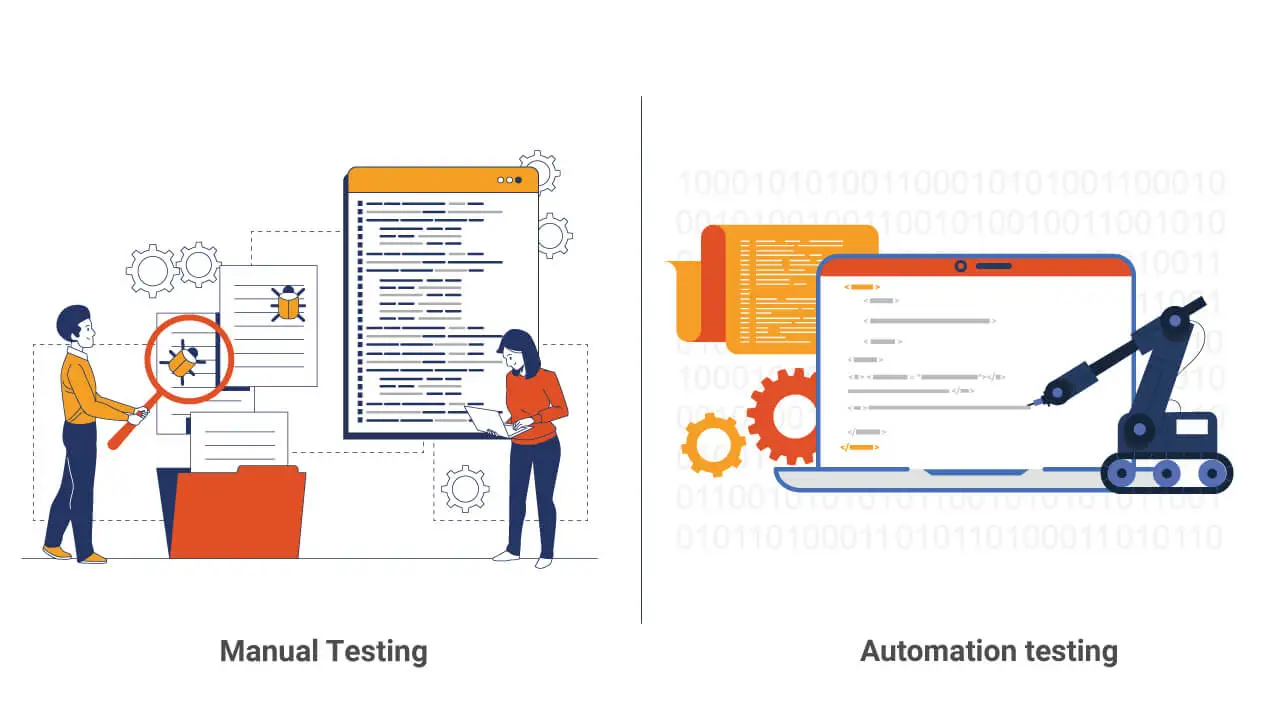
    Automation testing is fast, repeatable, and scalable, providing rapid feedback and covering repetitive test scenarios efficiently. Manual testing is more human-like and allows for exploratory testing, evaluation of the user experience, and the ability to adapt to unexpected circumstances.

    To successfully release software, it is important to find the right balance between harnessing automation’s efficiency and maintaining the nuanced insight of human testers. 

    Software developers can strengthen their testing strategies by leveraging the strengths of both manual and automated tests. This will ensure robust applications that can withstand users’ real-world testing. 

    Striking the Right Chord: Balancing Manual and Automated Testing in Software Development

    1) Embracing the Speed and Reliability of Automation

    Automated software testing is a key component of the modern lifecycle for software development, providing unparalleled efficiency and accuracy. Its ability to quickly execute test cases and provide feedback on the health and performance of an application is one of its most notable features. 

    Automated scripts can perform repetitive tasks without error, which is a great way to ensure that scenarios covered by the application will be thoroughly covered. This rapid execution speeds up the testing phase and allows for the identification of defects.

    Automated testing is more reliable, adding another strength to the arsenal. Automated scripts are consistent, repeating the same tests with precision. 

    This consistency is essential in regression testing, where the main goal is to ensure that code changes don’t negatively impact existing functionality. This automated approach ensures this verification is thorough and consistent across builds and iterations.

    Scalability is an important attribute of automated tests, making them a good choice for applications with complex architectures and multiple functionalities. 

    Automated tests can scale up as the complexity and size of software projects increase. Scalability is important for large projects where manual testing may not cover the number of test cases.

    The speed and reliability offered by automated testing are a great asset to developers in their quest for effective and efficient quality assurance. Automated tests can be used to streamline testing processes and improve productivity.

    2) The Art of Human Touch in Manual Testing

    Manual testing is a testimony to the value of the human touch in the complex landscape of software testing. 

    Unlike its automated counterparts, manual testing introduces an exploratory and nuanced element that transcends scripted scenario limitations. This art is based on the ability of humans to adapt to changing testing conditions and to bring a qualitative element to software evaluation.

    Exploratory testing is a great way to use manual testing. Testers can leverage their intuition, creativity, and experience to find unforeseen problems. This method is especially useful when testing requirements are ambiguous or constantly changing. 

    Human testers can navigate software naturally, identifying potential pitfalls, usability issues, and areas that scripted tests may not have covered. They can simulate real-world interactions, allowing them to discover subtle nuances automated scripts might overlook.

    Manual testing also excels at evaluating the user experience. Human testers can assess software holistically from the end-user’s perspective by considering factors like intuitiveness, accessibility, and overall satisfaction. This empathetic testing approach ensures the software meets all functional requirements and offers its intended audience a smooth and enjoyable experience.

    Manual testing is known for its adaptability, which allows testers to react quickly to unexpected situations and changing requirements. 

    Human testers can pivot quickly, adapting their testing strategies in real time based on project dynamics and insights. This flexibility is especially advantageous in agile environments, where iterations and user expectations change constantly.

    Manual testing involves complex scenarios relying heavily on domain expertise and human judgment. Human testers can better understand and analyze certain aspects of software functionality. This is especially true for those that involve complex business logic. They can use their context knowledge to identify subtle issues that automated tests may miss.

    3) Crafting a Harmonious Symphony

    To achieve a harmonious balance, manual and automated testing must be orchestrated. This is similar to conducting a symphony in which each instrument has a specific role. Risk-based testing is a key strategy in orchestrating this balance. 

    It’s a systematic approach that identifies and automates the areas of high importance or those prone to frequent change. This automated testing ensures the most critical aspects of an application are tested efficiently and consistently while allowing testers to concentrate on complex and exploratory scenarios.

    Maintaining equilibrium requires a continuous evaluation of your testing strategy. Testing requirements change as software projects progress. 

    Regular reassessment is necessary to ensure the blend of manual and automated tests aligns with current project goals and needs. 

    This dynamic process requires a proactive approach, which allows developers to adjust their testing methods in response to changes in project dynamics, user expectations, or emerging industry trends.

    The collaboration between testing and development teams also characterizes this symphony. Transparent communication helps everyone understand which tests can be automated and require a human touch. 

    Together, developers and testers can identify scenarios for testing that lend themselves to automation. This streamlines the testing process. This collaborative approach reduces friction points and ensures that manual and automatic testing are used effectively.

    The culmination of this collaborative symphony is hybrid approaches, which combine the strengths and benefits of manual and automated testing to create an integrated testing strategy. 

    Combining automated tests with exploratory manual testing to evaluate context and explore repetitive scenarios is a strategic way for developers to achieve a balanced testing approach. 

    This synergy ensures that the testing process does not become a rigid structure but an adaptive and responsive method tailored to each project’s unique requirements.

    A harmonious symphony between manual and automated tests is based on strategic decision-making and continuous evaluation. It also involves collaboration and flexibility. This symphony is where automation and manual testing are seamlessly blended to produce a testing strategy that enhances the development process and ensures robustness in software applications. This harmonious integration is the melodic note that permeates the entire development life cycle as we navigate the complexity of software testing.

    4) Overcoming Challenges, Unveiling Solutions

    Recognizing and overcoming these challenges is important to achieve a successful testing strategy. The maintenance costs associated with automated tests are a significant obstacle. 

    Automation brings speed and efficiency but also requires careful maintenance to ensure the scripts are still relevant and effective for each new software version. Implementing robust practices such as script maintenance, version management, and periodic review is important to avoid automated testing becoming a bottleneck instead of a facilitator.

    Another challenge organizations face is the initial investment needed to implement automated testing tools like LambdaTest. These costs can include tool licenses, infrastructure setup, and training. 

    It is important to understand that this investment has long-term advantages in terms of efficiency, time savings, and increased test coverage. Automated testing is not just an expense but a vital investment for the quality and reliability of software products.

    It is impossible to overstate the importance of human judgment in certain scenarios. Automation excels at repetitive and predictable tasks. 

    However, for certain aspects of testing, such as subjective experiences of users or complex business logic, human test analysts’ nuanced insight and intuition is invaluable. 

    To strike the right balance, it is important to recognize these scenarios and ensure that manual testing does not get overshadowed because of the allure of automation. Human testers have unique strengths and should be strategically integrated into the testing process.

    To overcome these obstacles, organizations need to foster a culture that encourages continuous improvement and adaptability. 

    Automation is a reliable tool when it’s regularly assessed. Additionally, organizations must view automation tools as an investment that will pay dividends over time in faster release cycles, reduced times-to-market, and better software quality.

    5) The Path Forward: Excellence through Integration

    Pursuing excellence is the only way to navigate the complex terrain of software testing. This can be achieved by integrating manual and automated testing methods seamlessly. 

    This integration is more than a technical issue. It’s a holistic approach covering the entire software lifecycle from initial design to deployment.

    This path begins with the understanding that each testing method has its own strengths. Manual testing is a great way to add the human element, which includes intuition, adaptability, and the ability to explore unforeseen avenues. 

    Automated testing excels at repetitive tasks, regression tests, and scenarios requiring rapid execution. To strike the right balance, it is important to understand the context of testing requirements, the nature of the application, and specific goals for each testing phase.

    Risk-based testing illuminates the path to success. This practice directs automated efforts toward critical and high-risk zones while allowing testers to concentrate on exploratory and context-specific scenarios. 

    This targeted approach optimizes resources and aligns testing efforts with the most important areas regarding end-user experience and application functionality.

    This journey is a continuous learning process, and it requires adaptability. What might seem like a perfect balance today may need to be adjusted tomorrow. 

    Incorporating feedback from the testing team, regular assessments of the testing strategies, and keeping up with emerging technologies are essential for ensuring the integration of automated and manual testing remains relevant and effective over time.

    On this path, collaboration emerges as the guiding principle. Working together, sharing insights, and making decisions jointly about what to automate versus what to manually test, the development and testing teams create an environment that allows both approaches to be used cohesively. 

    This collaborative spirit goes beyond individual projects and fosters a culture in which the collective knowledge of the team and their experiences contribute to the refinement and evolution of the overall testing strategy.

    Hybrid approaches are the pinnacle in this integration. They combine the strengths of both manual and automated testing. 

    Combining the speed and precision of automated scripts with the human-centric insight derived from manual tests allows development teams to create a comprehensive testing framework that meets modern software’s multiple demands.

    Conclusion

    The delicate balance between manual and automatic testing is more than a technical challenge. It is also a strategic imperative for software developers to pursue excellence. 

    After exploring the strengths of each testing method, it is clear that their integration will unlock the full potential of an integrated quality assurance strategy.

    This balance requires a nuanced understanding and a proactive, adaptive approach to each testing phase. 

    As a guideline, risk-based testing directs automation towards critical areas and allows manual testing to explore the uncharted territory of user experience or complex scenarios. 

    This integration is based on the continuous evaluation of testing strategy, collaboration between development and testing teams, and a commitment to learn and adapt.

    The pinnacle is hybrid approaches that combine the efficiency and creativity of humans with the intuition of automated testing. These approaches can meet modern software’s varied testing requirements and promote a culture that encourages collaboration and continuous improvement among development teams.

    You may also like to read: 101desires.com

    Locksmith pasadena md servleader

  • A Step By Step Guide to Usability Testing For Mobile Apps

    A Step By Step Guide to Usability Testing For Mobile Apps

    Mobile apps are no longer just a trend; they are essential to how organizations connect with customers online. The degree to which these apps are user-friendly and beneficial will determine whether they succeed or fail. Usability testing becomes essential to ensure mobile apps function as their developers intend and are simple. This detailed guide will teach you everything there is to know about usability testing. There are several mobile device lab that helps in checking the usability of mobile apps. Such platforms help in application development. 

    Mobile applications have evolved from mere trends to fundamental tools through which organizations engage with their customers in the digital realm. In today’s fast-paced and technology-driven world, mobile apps are critical touchpoints between businesses and their users. The success of these applications hinges not just on their functionality or aesthetic appeal but significantly on their usability. This is where usability testing becomes paramount.

    Usability testing is a systematic approach to evaluate how easy and user-friendly a mobile app is. It involves real users interacting with the application under controlled conditions to uncover usability issues. This process is crucial for understanding the user’s experience from their perspective rather than relying solely on assumptions or theoretical user models.

    Definition of Usability Testing

    Usability testing is an empirical technique essential to user-centered design because it focuses on the user. Users engage with the product in a controlled environment, and their actions, preferences, and difficulties are noted and observed. This method offers invaluable insights into user behavior, preferences, and expectations in addition to being able to identify problems.

    Because it allows for direct feedback from end users, usability testing is fundamental to its success. Understanding how users interact with the product, what they find easy or difficult, and how to improve the user experience overall depends on this feedback. Usability Testing guarantees a thorough grasp of the product’s performance in real-world scenarios that involves users with different backgrounds and skill levels.

    Furthermore, there is not a one-size-fits-all method for usability testing. It can be adjusted to fit various product development phases, from early prototypes to finished goods. Because of this adaptability, developers and designers can continuously refine the product based on user input through iterative improvements.

    Goals of Usability Testing

    Let us take a look at some of the goals of usability testing. You must understand what usability testing is used for. 

    • Identify and Address Usability Issues: Designers and developers may be unaware of issues arising when users interact with an application.
    • Determine User Behavior: Learn about users’ habits, inclinations, and difficulties when utilizing the app.
    • Boost User Satisfaction: By making the app more entertaining, accessible, and easy to use, you can increase user satisfaction.
    • Verify User Interface Design: Ascertain that the application’s layout meets user expectations and makes tasks more accessible.
    • Reduce Development Costs: Identify and resolve issues early in development to avoid costly changes after the app is released.

    The Impact of Usability Testing on User Experience and App Success

    Here is what usability testing can do to user experience and app success – 

    • Enhanced User Experience: Usability testing directly contributes to creating a user-friendly app. People are more likely to use apps that are easy to get around and use.  
    • Increased User Engagement: Apps tested for usability tend to have higher engagement rates because they look better and are easier to use.  
    • Increased Retention Rates: Reducing user frustration through good usability can result in higher retention rates. When an app fulfills its needs, users are more likely to use it.
    • Positive Brand Perception: An app that offers a great user experience enhances the brand’s overall perception, contributing to brand loyalty and advocacy.
    • Competitive Advantage: In a crowded app market, usability can be a crucial differentiator. Apps that are user-friendly and intuitive stand out among competitors.
    • Reduced Support Costs: Apps with high usability reduce the need for extensive customer support, as users encounter fewer problems and require less assistance.
    • Informed Decision-Making: The insights gained from usability testing can guide future development decisions, ensuring that updates and new features align with user needs.

    Steps for Effective Usability Testing

    Now that you understand what usability testing is, a few more things need to be kept in mind. Here are some steps that you should keep in mind for effective usability testing. 

    Step 1: Define Your Testing Objectives

    • Identifying Goals: Clearly articulate what you want to achieve with the usability testing. This could range from improving the user interface to enhancing specific functionalities.
    • Setting Measurable Goals: Establish clear, quantifiable objectives. For instance, reducing the task completion time or increasing the success rate of a particular function.

    Step 2: Know Your Target Audience

    • Understanding End-Users: Recognize the importance of knowing who your app is designed for. This understanding is crucial for creating an app that meets user needs and expectations.
    • Creating User Personas: Develop detailed user personas that represent your typical users. This helps in tailoring the testing process to reflect real-world usage.

    Step 3: Choose the Right Usability Testing Method

    • Test Techniques Overview: Get knowledge about the various forms of testing, such as unmoderated, moderated, and remote tests.
    • Selecting the Best Approach: Select a plan of action based on your objectives, the resources at your disposal, and the layout of your application. Consider both the development stage and the features you want to test.

    Step 4: Develop Test Scenarios and Tasks

    • Crafting Realistic Scenarios: Create scenarios that accurately mimic potential user interactions with your app.
    • Coverage of App Functionalities: Ensure that these scenarios are comprehensive and cover a wide range of functionalities within your app.

    Step 5: Recruit Participants

    • Selecting the Right Participants: Choose participants who closely match your user personas. Diversity in your participant pool can provide a broader range of insights.
    • Balancing Expertise: Include a mix of expert users and novices to get a well-rounded view of your app’s usability.

    Step 6: Prepare Your Testing Environment

    • Setting Up Tools and Environment: Equip your testing space with the necessary tools and technology. Ensure that the environment replicates typical usage conditions as closely as possible.
    • Distraction-Free Environment: Create a testing environment free from interruptions and distractions to ensure accurate results.

    Step 7: Conduct the Usability Test

    • Conducting the Test: Follow best practices for usability testing, such as explaining the process clearly to participants and ensuring they feel comfortable.
    • Observing and Recording: Consider how users interact with your app and record their actions and feedback.

    Step 8: Analyze the Data and Gather Insights

    • Analyzing Test Data: Use various techniques to analyze the data collected during testing. Look for trends, issues, and areas of improvement.
    • Drawing Conclusions: Identify patterns in user behavior and feedback to draw actionable insights for app improvement.

    Step 9: Implement Changes Based on Feedback

    • Prioritizing Feedback: Decide which feedback is most critical and should be implemented first.
    • Iterative Design and Development: Use the insights gained to make informed changes to your app, and be prepared to go through multiple iterations.

    Step 10: Repeat and Refine

    • Importance of Iterative Testing: Understand that usability testing is not a one-time task. It’s an ongoing process that should be repeated to improve the app.
    • Conducting Follow-Up Tests: Plan for subsequent rounds of testing after implementing changes to ensure that those changes have had the desired effect.

    Leveraging Tools for Enhanced Usability Testing

    In the process of developing mobile applications, usability testing is an essential step that can significantly impact the quality of the product you create. Integrating specialized platforms such as LambdaTest can streamline the process and offer enhanced insights, even though traditional usability testing methods are effective. 

    Here’s how leveraging such tools can benefit your usability testing process:

    1. Efficiency and Speed

    Testing can be completed in a significantly shorter time thanks to automated tools. It is possible to run multiple tests at the same time, which not only speeds up the feedback loop but also the development process as a whole.

    1. Broader Test Coverage

    A conventional testing setup may not accommodate the use of these tools because they provide access to a wide variety of browsers and devices.  This guarantees that your application is tested under various conditions, accurately reflecting user environments.

    1. Accurate and Detailed Reporting

    Automated tools offer detailed reports with insights into specific issues, user interactions, and performance metrics. This data is invaluable for making informed decisions to enhance app usability.

    1. Ease of Integration

    Platforms like LambdaTest can be easily integrated with other tools and platforms used in the development process, such as CI/CD pipelines, project management tools, and bug-tracking systems. This integration facilitates a more cohesive and streamlined workflow.

    1. Scalability

    As your testing requirements expand, these tools can scale with you, allowing you to simultaneously accommodate a more significant number of tests, more complex scenarios, and a more comprehensive range of browsers and devices.

    1. Cost-Effectiveness

    By reducing the need for extensive physical resources and enabling faster testing cycles, these tools can be more cost-effective in the long run, especially for ongoing projects and larger teams.

    1. Enhanced User Experience Insights

    In-depth insights into how users interact with your app can be gained through advanced features such as heatmaps, session replays, and user behavior analytics. These features also make it possible to make more user-centric improvements.

    LambdaTest is very helpful for streamlining the testing process. It automates usability tests across browsers and devices. This is essential to ensure your app offers a consistent user experience on any device the user chooses. 

    LambdaTest offers real-time testing capabilities. You can interact with your app on different devices and browsers in real-time, which helps dynamically identify usability issues. With cloud-based platforms, there’s no need for a physical lab setup. You can conduct tests from anywhere, reducing the logistical challenges and costs of traditional testing methods.

    Conclusion

    Usability testing is essential for ensuring that your mobile app meets the requirements and expectations of your intended user base, not just a stage in the development process. You can create a functional, intuitive, and engaging app by carefully following the steps outlined, from defining clear testing objectives and understanding your audience to choosing the proper testing methods, developing scenarios, recruiting participants, and analyzing feedback.

    UX testing aims to establish a link between user needs and app functionality. Creating an easy-to-use, practical, enjoyable, and engaging user experience for your target audience is critical. This process is iterative and ongoing because user tastes and technological developments are dynamic. 

    Your app’s design and functionality can be improved to boost user satisfaction and engagement by utilizing the insights gathered from usability testing. This increases app sales, word-of-mouth, and retention. You must collect user data and improve user experience decisions in addition to finding bugs during usability testing. A mobile app that exceeds user expectations can be created using user-centered design and constant feedback.

    Suggested reads: Scooters under 1 lakh

    Are Backhoe Loaders from JCB & CAT Worth All The Hype?

  • Performance Testing For Mobile Apps:  Optimizing Speed And Responsiveness

    Performance Testing For Mobile Apps:  Optimizing Speed And Responsiveness

    Mobile apps are essential in today’s digital world of rapid advancement. The competition in app stores to draw and keep users is fiercer than ever, with millions of apps and counting. With millions of apps growing, app stores are more competitive than ever to attract and retain users. Performance testing is essential in mobile app testing in this competitive environment. There are several mobile device lab available to organizations, especially those involved in developing, testing, and optimizing mobile applications and websites

    The Critical Role of Performance Testing

    Performance testing is crucial to an app’s success, not just a development step. It evaluates how an application behaves in particular situations, focusing on responsiveness, scalability, stability, and speed. The primary objective is identifying and addressing app performance issues before they affect the final user, ensuring a seamless, quick, and enjoyable experience.

    The goal of performance testing is to guarantee a satisfying user experience. Users may become angry with slow, unresponsive, or crash-prone applications, which may result in unfavorable reviews and a decline in users. User satisfaction dramatically depends on response times and overall reliability, which can be optimized with performance testing.

    Additionally, it assesses how well an application uses system resources like memory, CPU, and network bandwidth. Performance maintenance depends on practical resource usage, particularly in environments with limited resources like mobile devices.

    Impact on User Experience

    The user experience (UX) is the most important part of making and designing mobile apps. In this context, performance testing directly influences UX in several ways:

    1. Speed: In an era where users expect instant responses, even a few seconds of delay can lead to frustration and app abandonment. Performance testing helps in optimizing load times and ensuring swift app responses.
    1. Responsiveness: An app’s ability to respond quickly to user inputs is crucial. Performance testing checks for lags or glitches that can disrupt the user interaction flow.
    1. Reliability: Users expect apps to work flawlessly every time. The app’s stability under different conditions, including peak usage times, can be verified by developers through performance testing.
    1. Scalability: The application must withstand growing loads without sacrificing performance as the user base expands. The achievement of this scalability depends on performance testing.

    Definition of Performance Testing in Mobile Apps

    Mobile app performance testing evaluates app behavior under specific conditions. The application uses various load conditions to assess its speed, stability, responsiveness, and other performance indicators. The main objective is to find and fix performance issues so the app runs smoothly and effectively. Mobile apps operate in a more complex environment with different hardware, using systems and network conditions, making testing essential.

    Performance testing measures responsiveness, speed, stability, and scalability. Memory, battery, and network bandwidth are essential for mobile devices.

    Mobile apps are used on various devices with different hardware capabilities, under various network conditions (such as 3G, 4G, 5G, and Wi-Fi), and on many operating systems and versions. To guarantee that the app functions well in real-world scenarios, performance testing replicates these various conditions. This includes testing on different processor and memory capacities, screen sizes, and resolutions.

    The ultimate goal of performance testing is to ensure a seamless and positive user experience. This includes ensuring that the app is responsive, does not crash under heavy load, and does not drain the device’s battery excessively. Poor performance can lead to user dissatisfaction, negative reviews, and decreased user retention.

    Key Performance Indicators (KPIs) For Mobile Apps

    Here are some of the key performance indicators for mobile apps –

    1. The speed at which an application loads and completes tasks is measured.  It is essential to maintain user engagement and avoid frustration from slow performance.
    1. Assesses how quickly the app responds to what the user types in.  It is easier to understand and use a responsive app.
    1. This test checks how well the app works in various situations, such as when it is used frequently.  To avoid crashes and ensure reliable performance, stability is essential.
    1. Resource Utilization checks how the app makes use of system resources like battery, CPU, and memory.  For smooth performance that does not drain the device, it is crucial to use resources efficiently.
    1. How well an app can handle more users is called its scalability. This is important for keeping performance high as the number of users grows.
    1. Test how network changes affect the app’s performance. This is important because mobile devices often switch networks.

    Types of Performance Testing For Mobile Apps

    Here are some of the different types of performance testing available for mobile apps – 

    1. Load Testing: Ensuring App Stability Under Heavy User Load

    Load testing involves making the app work like it has a certain number of users accessing it simultaneously to see how well it works under normal and high loads. The goal is to ensure the app stays stable and works right as the number of users grows. User simulation is the imitation of user behavior with different loads. 

    A system’s performance can be measured by monitoring its response time, throughput, and resource usage. Identifying the threshold involves finding out when the app’s performance drops.

    2. Stress Testing: Determining App Limits Under Extreme Conditions

    To find its limits and how it handles extreme stress, stress testing takes the app and runs it beyond its typical operational capacity—sometimes to its breaking point. The app’s ability to handle and recover from failures can be better understood with this testing. The worst-case scenario is that the app crashes as the load gradually increases.  

    3. Soak Testing: Assessing App Performance Over an Extended Period

    Soak testing involves running the app under a significant load for an extended period. This sort of testing is essential for problems like memory leaks or resource depletion, which might go undetected in shorter tests. It could take several days or even several hours to finish an exam. Long-term performance metrics aim to detect slow performance decline. Two aspects of resource utilization are leak detection and consistent use.

    4. Spike Testing: Evaluating App Behavior During Sudden Increases in User Load

    Spike testing is performed to determine how well an application can deal with sudden and significant changes in load. This testing type should be prioritized for applications designed to handle spikes in user activity. Dramatic shifts in user load can occur suddenly, including both an increase and a decrease. Regarding performance metrics, some examples include monitoring response times and the system’s behavior during spikes.

    Best Practices in Performance Testing For Mobile Apps

    Performance testing is a critical step in the creation of mobile applications. This testing ensures the program works correctly and offers a great user experience.  To do this, adherence to a few best practices is necessary. 

    This section summarizes the essential procedures for creating test cases, choosing testing environments, putting continuous testing into practice, and striking a balance between resource and performance limitations.

    Design Realistic Test Scenarios

    • To create test scenarios closely resembling real-world usage, analyze user behavior patterns.
    • Include a variety of user interactions, network conditions, and device usage patterns.
    • Ensure scenarios cover common and edge-case usage to test the app’s performance thoroughly.

    Test on Actual Devices and Emulators/Simulators

    • You should use a combination of real devices and emulators or simulators to cover a wide range of scenarios.
    • Conduct tests on devices with varying specifications, operating system versions, and screen sizes.
    • When conducting early-stage testing, emulators should be utilized, while real devices should be utilized for more accurate performance insights.

    Implement Continuous Monitoring and Iterative Testing

    • Integrate performance testing into the continuous integration and deployment pipeline.
    • Regularly monitor performance metrics to catch and fix issues early.
    • Adopt an iterative approach to testing, refining tests based on previous results and updates.

    Balance Performance Optimization with Resource Constraints

    • Optimize app performance while being mindful of battery life and data usage.
    • Conduct battery and data consumption tests, especially for apps running in the background.
    • Make performance trade-offs wisely, considering the impact on the user experience.

    Leverage Automated Testing Tools

    • To improve the effectiveness and breadth of performance tests, it is recommended to use automated testing tools.
    • Automate repetitive and time-consuming tests so you can concentrate on more complex performance complaints.
    • See to it that automated tests are updated regularly to take into account new features and modifications.

    Focus on Network Performance

    • Test app performance across network conditions (Wi-Fi, 3G, 4G, 5G).
    • Simulate poor network conditions to understand how the app behaves in less-than-ideal environments.
    • Optimize network requests and data handling for better performance under varying network conditions.

    Prioritize User Experience in Performance Testing

    • Consider how performance issues affect user satisfaction and engagement.
    • Test for smooth transitions, quick load times, and responsive user interfaces.
    • Gather user feedback on performance and incorporate it into testing strategies.

    Stay Updated with the Latest Trends and Technologies

    • Ensure you are current on the latest developments in mobile technology and testing methodologies.
    • Testing strategies should be updated regularly to accommodate new devices and operating system updates.
    • Experiment using artificial intelligence and machine learning to automate and improve performance tests.

    The Future of Mobile App Performance Testing

    As the world of mobile app development continues to change, several new trends and technologies will likely influence the direction of future performance testing for mobile apps. AI-driven testing methodologies are becoming increasingly popular. AI and machine learning are increasingly used to predict possible performance bottlenecks, automate laborious testing procedures, and deliver more insightful analytics. This automation speeds up the testing process while also increasing efficiency and accuracy.

    The increasing utilization of cloud-based testing platforms is another significant development. The advantages of these platforms include scalable, on-demand testing environments that mimic various network conditions, operating systems, and devices. With this change, we can evaluate app performance holistically, considering a more comprehensive range of user scenarios worldwide. 

    Getting the best performance possible is essential in the fast-paced world of mobile app development. This is where LambdaTest excels as a platform developers and QA specialists need. 

    LambdaTest is a mobile app performance testing specialist that provides an all-inclusive platform to maximize responsiveness and speed. Its cutting-edge testing infrastructure lets you simulate many real-world scenarios and evaluate your app. Load testing, speed analysis, responsiveness checks, and other tasks are made easier with LambdaTest’s comprehensive insights, which also help you optimize your app for optimal user experience. 

    Conclusion

    After going over the fundamentals of performance testing for mobile apps, let us not forget how important this stage of development is to the final product. We have covered everything from learning the basics of performance testing to exploring the many tests essential for making sure apps are stable and responsive. In the dynamic world of mobile apps, thorough performance testing is essential. Because of the industry’s dynamic nature, testers and developers must keep up with emerging trends, technologies, and user expectations.

    The secret to success, as we advance, is constantly honing and enhancing testing methodologies to guarantee that mobile apps operate without a hitch and provide outstanding user experiences. As we work to create new standards for the functionality and caliber of mobile apps, let us seize these chances and challenges.

    You may also like to read: How to Activate Peacock TV on Samsung Smart TV

    5 Letter Word Finder, Expand your knowledge

  • 5 Letter Word Finder, Expand your knowledge and Vocabulary

    5 Letter Word Finder, Expand your knowledge and Vocabulary

    WordHippo’s 5 Letter Word Finder is the ideal tool for enthusiasts seeking concise vocabulary solutions. With its intuitive design, the 5 Letter Word Finder simplifies word exploration, making it a must-have for word games and puzzles. Whether you’re a casual player or a dedicated wordsmith, WordHippo’s 5 Letter Word Finder offers a seamless experience.

    Dive into the linguistic realm and elevate your wordplay with the convenience of WordHippo’s 5 Letter Word Finder. Uncover, enjoy, and master the world of five-letter words effortlessly, thanks to WordHippo’s innovative 5 Letter Word Finder.

    To start finding 5 letter words go to Wordhippo website and then go to find words-

    To start finding 5 letter words go to Wordhippo website and then go to find words

    To find 5 letter words check the below screenshot-

    Click on all words and then select 5-letter words from the drop down.

    Click on all words and then select 5-letter words from the drop down.

    To Find any specific words like word strating or ending with a particular word-

    To Find any specific words like word strating or ending with a particular word-

    Like you want to find out 5 letter words starting with then you can search like below screenshot attached-

    Like you want to find out 5 letter words starting with then you can search like below screenshot attached-

    Similiarly you can find out any 3 letter words, 5 letter words, starting with a specific words or ending with a specific word like-

    Wordhippo 5 letter Words Ending with E

    Wordhippo 5 Letter Words Ending with B

    Wordhippo 5 letter words starting with S

    Alternative ways to find 5 letter words

    Online Word Solvers:

    Explore websites or apps that function as word solvers. Simply input your letters, specify the length (e.g., five letters), and let the tool generate potential words. Popular options include WordFinder, Anagram Solver, and Crossword Solver, providing valuable assistance.

    Scrabble or Word Game Apps:

    Popular mobile games like Scrabble, Words with Friends, or Crossword Puzzle often include built-in tools for finding words of specific lengths. Take advantage of these features to enhance your gameplay and solve word challenges effortlessly.

    Online Dictionaries:

    Discover word search functions in online dictionaries, allowing you to filter results based on word length. Merriam-Webster and Oxford English Dictionary are examples of comprehensive online resources for refining your word searches.

    Crossword Puzzle Solvers:

    For crossword enthusiasts, utilize crossword puzzle solver tools. Input known letters and spaces to receive suggestions for words that fit the criteria, aiding you in overcoming crossword challenges more efficiently.

    Word Lists:

    Compile or search for word lists organized by length. Whether online or in word game resources, these lists can be cross-referenced to identify suitable five-letter words. Consider context and known letters to optimize your word-finding efforts. These tools are invaluable for word-related activities and games.

    Also read: ApkZub, Download the Latest APKs for Free

    IgAnony: The Instagram Story Viewer

  • Wordhippo 5 letter Words Ending with E

    Wordhippo 5 letter Words Ending with E

    Discover Wordhippo 5-letter words ending with E, making your vocabulary simple and fun. From smile to table, these easy-to-remember words enhance everyday communication. Improve your language skills with Wordhippo’s easy platform. Dive into the charm of short 5-letter words ending with E and elevate your expression in just five letters. Start exploring today!

    Here is the complete list of Wordhippo 5 letter Words Ending with E –

    abaseabatebirsebladecrudecurse
    abideabodeblameblarecurvecutie
    aboveabuseblazeblokecycledance
    acuteadagebochebodgedeicedelve
    addleadobebogleboncedensedeuce
    adoreaerieboozebornedholedinge
    afireaforebracebrakedirgedixie
    agapeagavebravebribedodgedogie
    agileagonebridebrinedoneedouse
    agreeaislebrokebrumedoxiedrake
    algaeAlicebrutebudgedrapedrive
    alikealivebuglebulgedronedrove
    alkiealoneburkebuttedunceeagle
    amazeamblecablecacheeduceeerie
    ampleamusecadgecadreelateelide
    angleanimecanoecarveeliteelope
    aniseanklecastecauseeludeemcee
    anodeantreceasechafeemoteenate
    apaceapplechasechideendueensue
    aretearguechimechineeraseerode
    arisearosechokechoreetudeevade
    asideaspiechosechuteevokeexile
    atoneawakechymeclepeexudeeyrie
    awareawokeclimeclonefableFALSE
    azurebadgecloseclovefannefarce
    bargebastecopsecorsefemmefence
    bathebeigecoupecranefibrefiree
    beliebellecratecraveflakeflame
    biblebilgecrazecrepeflarefluke
    bingebiomecrimecroneflumeflute
    forceforgeindieinureovateovine
    fortefosseirateissueovuleozone
    framefrozejewiejudgepadreparge
    fudgefuguejuiceknaveparsepasse
    furzegableknifekronepastepause
    gaffegaugeladlelancepayeepeace
    gauzegeeselapselargepeevephage
    geniegenrelatteleasephasephone
    geodegesteleaveledgepiecepique
    gladeglareleveeliegepixieplace
    glazeglidelithelodgeplaneplate
    globeglovelooselouseplumepoise
    gnomegooselucrelungeposseprate
    gorgegorsemaizemangepricepride
    gougegracemansematteprimeprise
    gradegrapemauvemaybeprizeprobe
    grategravemeleemergeproleprone
    grazegrikemidgeminceproseprove
    grimegripemoosemouseprudeprune
    gropegrovemoviemoxiepulsepuree
    guideguilenaivenervepurgepurse
    guisegungenicheniecequakequeue
    halvehastenievenoblequitequote
    hauteheavenoisenonceraiseramie
    hedgehelvenooseNorserangerecce
    hencehingenudgenursereevereuse
    homiehooveobeseochrerevuerhyme
    hordehorseogiveoliveridgerifle
    houseimageopineoraterillerinse
    imbueinaneounceoutreroguerouge
    rouseroutespatespicetradetribe
    ruffesablespikespinetricetrine
    salvesareespirespitetripetrite
    saucesautespokesporetropetrove
    scalescapespreespumetrucetulle
    scarescenestagestaketupletwice
    scopescorestalestaretwineukase
    screescutestatestaveuncleundue
    segueseizestokestoleuniteuntie
    senseservestonestoreunuseurine
    shadeshakestovestupeusageutile
    shaleshamestylesuavevaguevalue
    shapesharesuedesuitevalvevenge
    shaveshinesurgeswapevenueverge
    shireshoneswineswipeverseverve
    shoreshoveswolesworevoguevoice
    sidlesiegetabletastewackewaive
    sievesincetaupeteasewasteweave
    singeskatetensetepeewedgewhale
    skiveslaketercetersewherewhile
    slateslavethanethemewhinewhite
    sliceslidetherethesewholewhore
    slimeslopethinethobewhosewince
    smilesmitetholethosewinzewodge
    smokesnakethreethroeworsewrite
    snaresnidethymetildewroteYalie
    snipesnoretingetithezowie
    soclesolvetitletonne
    sousespacetopeetoque
    spadesparetorsetrace

    Also read: Wordhippo 5 Letter Words Ending with B