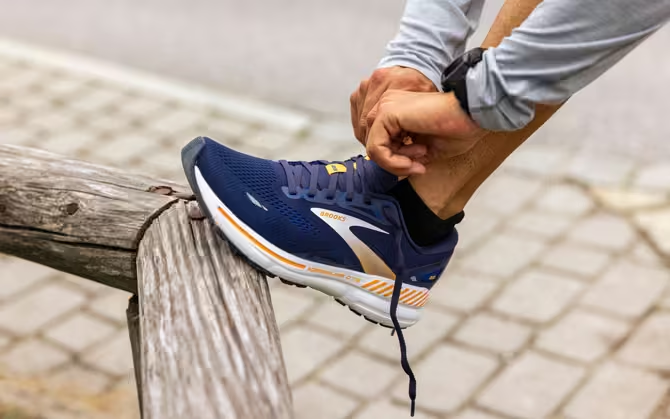
When searching for reliable running footwear, Brooks shoes are a popular option for people who value comfort, dependable performance, and supportive design. Brooks has built its reputation around running, creating footwear for beginners, experienced athletes, fitness enthusiasts, and people who spend long hours walking. Instead of focusing exclusively on fashionable designs, the brand emphasizes the experience of moving comfortably, whether that means completing a morning jog or training for a marathon.
One reason Brooks attracts so many runners is its range of shoe designs. Different models offer different levels of cushioning, flexibility, and stability, allowing customers to select footwear according to their individual needs. The brand’s current collection includes road-running shoes, walking-friendly options, trail footwear, and performance-oriented models. This variety makes it easier to find a suitable pair without assuming that one shoe will work equally well for everyone.
Comfort and Cushioning
Comfort is one of the biggest reasons people consider Brooks running shoes. Cushioning helps soften the sensation of repeated foot strikes, particularly when running on pavement or other hard surfaces. However, cushioning is not simply about making a shoe feel soft. The amount and type of cushioning can influence how a shoe feels during different activities, from relaxed walks to longer training sessions.
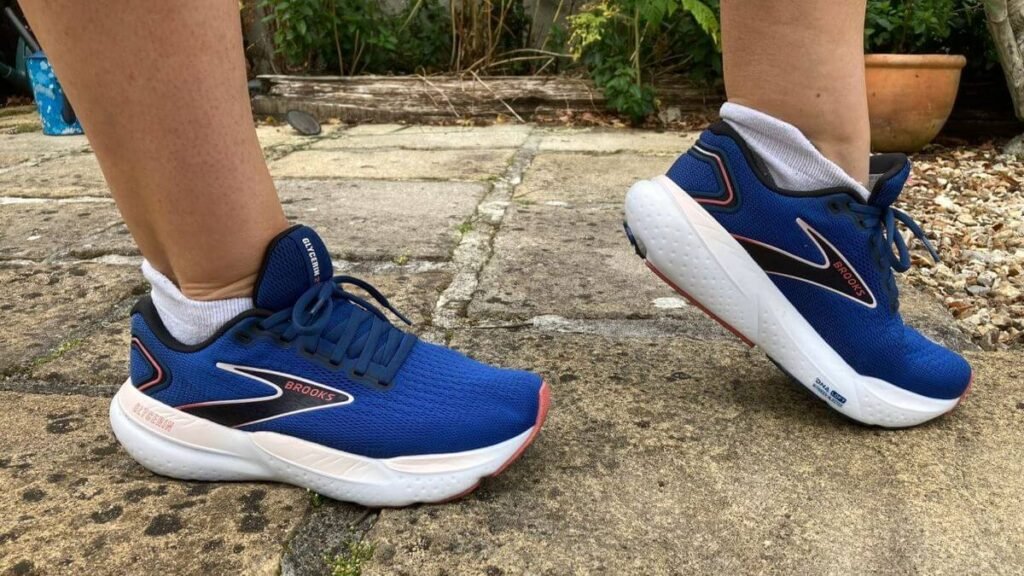
Some Brooks models provide a balanced, everyday running experience, while others emphasize a plusher feel underfoot. For example, the Glycerin family is designed around premium cushioning, while the Ghost family offers versatile footwear for daily running and walking. The right choice depends on whether you prefer a softer landing, a more responsive sensation, or a balance between the two. Trying different models is often the best way to determine which design feels natural on your feet.
Support and Stability
Support is another important feature of Brooks shoes. Certain models are designed to help guide foot movement and provide a more structured running experience. The Adrenaline GTS range, for instance, incorporates the brand’s GuideRails support system, which is intended to help manage excessive movement rather than force every runner into an identical stride.
Nevertheless, stability shoes are not automatically the best option for every person. Your comfort, running mechanics, foot shape, and personal preferences all matter. If you experience persistent foot pain or other discomfort, consider consulting a qualified healthcare professional rather than relying on footwear alone to solve the problem.

Popular Brooks Shoes Models
Brooks offers several recognizable shoe families, each serving a somewhat different purpose. Understanding their basic differences can help narrow your choices before you visit a store or shop online.
| Brooks shoe model | Main purpose | Best suited for |
|---|---|---|
| Ghost 18 | Balanced daily cushioning | Everyday running and walking |
| Glycerin 23 | Plush cushioning | Runners who prefer a softer ride |
| Adrenaline GTS 26 | Guided stability | Runners seeking structured support |
| Hyperion series | Responsive performance | Faster training and selected racing needs |
| Cascadia series | Trail-focused design | Running on off-road terrain |
These model names and current generations reflect the brand’s US product lineup as listed in October 2026. Availability and model versions can differ between markets.
Brooks Ghost
The Brooks Ghost is one of the brand’s best-known shoe families. It is designed for everyday running, making it a practical starting point for people who want a versatile trainer rather than a specialized racing shoe. Its balanced approach can suit easy runs, regular fitness routines, and walking, depending on the wearer’s preferences.
Ghost shoes are worth considering if you want one pair for several ordinary activities. However, runners who prefer exceptionally soft cushioning or substantial stability support may find another model more suitable. The best choice comes down to the fit and feel of the particular version you try.
Brooks Glycerin
The Brooks Glycerin family is designed for runners who prioritize a plush, cushioned experience. It can appeal to people who enjoy comfortable daily training and want a softer sensation during longer runs. The Glycerin lineup also includes GTS versions that add structured support, giving shoppers another option within the same broader family.
Premium cushioning can feel excellent, but softer does not automatically mean better for every runner. Some people prefer firmer, more responsive footwear. Comparing the Glycerin with the Ghost can help you understand which ride feels more comfortable for your individual stride.
Brooks Adrenaline GTS
The Brooks Adrenaline GTS is a stability-focused option for people who want additional guidance during running. Its GuideRails system is designed to help manage excessive movement while allowing the runner to move naturally. This makes the range worth considering for runners who prefer a more structured feel.
Although stability features can be useful, they should not be treated as a universal solution for injuries or running problems. Choose this model because it feels appropriate for your needs, not simply because you believe everyone requires extra support.
Brooks Hyperion
The Brooks Hyperion family focuses more heavily on responsive performance. Depending on the specific model, these shoes can suit faster training sessions, speed workouts, or competitive running. They offer an alternative to traditional daily trainers for athletes who want footwear designed around quicker movement.
A performance-oriented shoe is not necessarily the ideal everyday choice. If most of your running consists of relaxed miles, a comfortable daily trainer may be more practical. Consider your training goals before paying for specialized features.
Brooks Shoes for Different Activities
Running and Walking
Brooks shoes can be suitable for both running and walking, provided you choose a model that fits your feet and intended activity. Runners often prioritize cushioning, weight, responsiveness, and support, while walkers may care more about all-day comfort, stability, and how the shoe feels after several hours of use.
People who stand at work or walk regularly should pay particular attention to fit. A shoe that feels comfortable for five minutes in a store may feel different after a full day of movement. Walk around in both shoes, check for heel slipping, and make sure your toes have enough room.
Trail Running
Road shoes are designed primarily for paved surfaces, while trail shoes typically emphasize traction, protection, and stability on uneven ground. Brooks offers trail-oriented models such as the Cascadia family, alongside options designed for different running environments.
If you regularly run on dirt paths, gravel, or rocky terrain, a dedicated trail model may provide a more appropriate experience than a standard road shoe. For people who mainly run on sidewalks or treadmills, a road-running model is usually the more relevant place to start.
How to Choose the Right Brooks Shoes
Fit, Size, and Width
The correct fit is essential when purchasing Brooks shoes. Your heel should feel secure without rubbing, your midfoot should feel comfortably supported, and your toes should have enough space to move naturally. A shoe that is too narrow can create pressure, while an excessively loose fit may cause slipping and irritation.
Brooks offers different width options on selected models, including wide and extra-wide versions. Availability varies by shoe, size, and market, so check the specifications of the exact model you are considering.
Cushioning and Support
Think about where you run, how often you exercise, and what sensations you prefer underfoot. Balanced cushioning can work well for everyday training, plush cushioning may appeal to runners seeking softness, and stability-focused designs can suit people who prefer additional guidance.
Price is another consideration. A premium model may provide features you appreciate, but a less expensive shoe can be equally appropriate for your needs. Compare fit, intended use, durability, and comfort rather than assuming the most expensive option is automatically the best.
Benefits and Potential Drawbacks of Brooks Shoes
One major advantage of Brooks shoes is their running-focused design. The collection covers several common needs, including everyday training, cushioning, stability, and trail running. Multiple width options on selected models also make the range worth exploring for people who struggle to find a comfortable fit.
There are potential drawbacks, too. Some premium models can be expensive, and the large selection may make choosing the right pair confusing. A shoe that works exceptionally well for one runner may feel uncomfortable to another. Designs and cushioning preferences are personal, so positive reviews cannot replace trying footwear yourself.
Caring for Your Brooks Shoes
Taking care of your shoes can help maintain their comfort and condition. Remove loose dirt after running, allow damp shoes to air-dry naturally, and avoid exposing them to excessive heat. Follow the manufacturer’s cleaning instructions instead of assuming every material can safely be machine-washed.
You should also monitor changes in comfort and performance. There is no universal mileage limit that applies to every runner because shoe lifespan depends on body weight, running surfaces, training frequency, footwear construction, and care. Replace shoes when their cushioning, support, or overall condition no longer meets your needs.
Conclusion
Brooks shoes offer a broad selection of running and walking footwear, with options for everyday comfort, plush cushioning, structured stability, faster training, and trail adventures. Popular families such as Ghost, Glycerin, Adrenaline GTS, and Hyperion serve different purposes, making it important to compare their intended uses before purchasing.
The smartest approach is to focus on your own needs instead of following trends blindly. Consider your budget, preferred cushioning, foot width, running surface, and activity level. When a pair fits comfortably and suits your routine, it becomes easier to enjoy regular movement and work toward your fitness goals with confidence.
Frequently Asked Questions
1. Are Brooks shoes good for walking?
Yes, many Brooks shoes are suitable for walking. Models such as the Ghost and Glycerin offer cushioning that can appeal to people who walk regularly. The best choice depends on your foot shape, comfort preferences, and how long you typically spend on your feet.
2. Which Brooks shoes are best for beginners?
The Brooks Ghost is a sensible starting point for beginners seeking a versatile daily running shoe. Those who prefer softer cushioning might consider the Glycerin, while runners who want structured stability may prefer the Adrenaline GTS. Trying the available options is the most reliable way to compare them.
3. Are Brooks shoes worth the money?
Brooks shoes may be worth the investment if their comfort, fit, and performance match your needs. Prices vary across models, and premium features are not essential for everyone. Compare several options and choose a pair that provides the right balance of comfort, quality, and affordability.
4. How long do Brooks shoes last?
Their lifespan depends on usage, running surfaces, care, and individual wear patterns. Rather than following a strict mileage rule, check the outsole, midsole, fit, and overall comfort regularly. Replace your shoes when noticeable deterioration affects how they feel or perform.
5. Are Brooks shoes suitable for wide feet?
Yes, selected Brooks models are available in wide and extra-wide widths. However, width availability differs between models and markets. Check the specific size chart and try the shoes to ensure your toes have sufficient room without excessive movement inside the shoe.