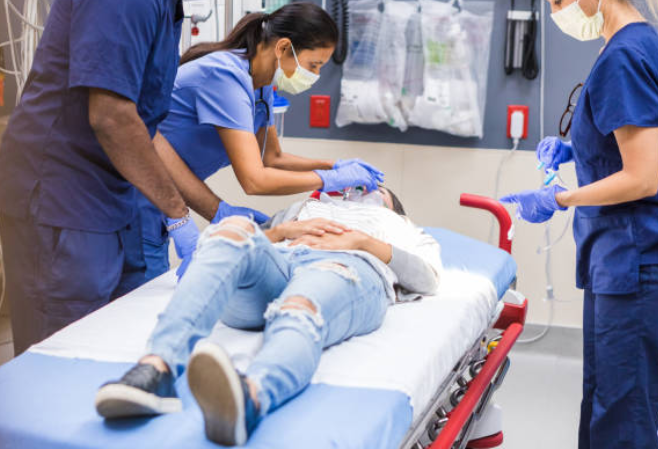
Category: health and fitness

health and fitness

  • Is it beneficial to visit the nasha mukti Kendra

    Is it beneficial to visit the nasha mukti Kendra

    It is so terrible to see your adored one falling into the snare of fixation. At the point when somebody falls into the appraised opening of enslavement, it influences the whole family and friends and family. On the off chance that you want to abandon fixation, reach out to our nasha mukti Kendra in Mumbai. We are perhaps the most ideal place that anyone could hope to find nearby. From teens to grown-ups to youthful grown-ups, they offer a particular treatment approach for everybody. The costs that we offer are very reasonable. With a triumph proportion of 98%, we have held numerous patients beginning another life.

    How to overcome the addiction?

    Getting help from a Nasha Mukti Kendra is a essential method towards release. These facilities offer recovery services in a secure and relaxing environment to assist people in achieving and maintaining sobriety. There is no one-size-fits-all treatment, though; instead, each individual requires a unique combination of services and treatment alternatives. The level of substance misuse, the length of the addiction, the presence of any other mental problems, and personal preferences all play a role in the requirement for individual treatment. This will decrease all of your concerns about visiting the rehabilitation facility for assistance. 

    How nasha mukti Kendra give confident for patients?

    Numerous patients will quite often go to a confidential consideration office while choosing the best vyasan mukti kendra in Pune, as per their condition. Numerous narcotic and liquor clients find that protection gives them inner harmony during their restoration. It would be ideal for nobody to be aware in the event that anybody is getting clearheaded except if they ask them to. The liquor victimizer will be ready for their get back by the recuperation office, which will help them with leftover medication and be free. Aftercare is basic and ought to be incorporated with each recuperation place’s program; it will assist with keeping away from backsliding, which forestalls any narcotic or liquor victimizer from backsliding.

    How do these centers care for patients?

    The patient receives a variety of treatments and services throughout inpatient care that help them recover from addiction. The purpose of inpatient treatment is to provide patients with the tools they need to get sober and lead healthy, drug-free lives. These tools include information, behaviors, abilities, and routines. Release guarantees that the subject is prepared to embark on a new life. The individual departs the government detox facility after completing the administrative procedures. A final extra counsel, evaluation, and direction are given to clients when they leave the center.

    Is right option to choose Nasha Mukti Kendra center?

    Finding a Nasha Mukti Kendra that fulfills your requirements and offers you a high achievement proportion is very troublesome. It is one of the most mind-blowing, offering you quality help and lavish offices in a pocket-accommodating way. Every one of the addicts needs love and acknowledgment in the public arena. In this way, we are a local area support bunch. Here, they gain from their experience and accounts of one another. They can share their accounts and how they fell into compulsion. The greatest assistance any treatment office can give their patients is having the right advisors.

  • Crafting Excellence: The Art of Making Custom Medical Instruments

    Crafting Excellence: The Art of Making Custom Medical Instruments

    In the dynamic world of healthcare, precision is paramount. One crucial aspect of achieving that precision lies in the creation of custom medical instruments. These finely crafted tools, tailored to the unique needs of healthcare professionals, exemplify the artistry that goes into their production. In this article, we will delve into the meticulous process of making custom medical instruments, with a special focus on companies like Surtex Instruments and the indispensable Balfour Retractors.

    The Birth of Customization

    Customization in the realm of medical instruments is not a recent phenomenon. Healthcare providers have long recognized the value of instruments designed to meet their specific needs. What sets today’s customization apart is the depth and breadth of possibilities it offers. The creation of custom medical instruments has become an art form, a fusion of scientific precision and craftsmanship.

    Surtex Instruments: Masters of Craftsmanship

    Companies like Surtex Instruments play a pivotal role in the development of custom medical instruments. These companies collaborate closely with healthcare professionals to create instruments that address the specific demands of their practice. Surtex Instruments has become synonymous with precision, quality, and innovation in the industry.

    The process of making custom medical instruments involves a profound understanding of the human hand. Ergonomics are meticulously considered, ensuring that the instrument fits comfortably in the surgeon’s grasp. In the case of instruments like Balfour Retractors, where precision is non-negotiable, the exacting requirements for design and performance are met with unwavering dedication.

    The Significance of Balfour Retractors

    Balfour Retractors, a category of surgical instruments, have seen significant transformation through customization. These specialized retractors are designed to hold back the abdominal wall during various surgical procedures. Their role in general surgery is invaluable, as they provide clear visibility and access to the surgical site.

    The making of custom Balfour Retractors involves a meticulous process of design and engineering. They are crafted to ensure the surgeon’s comfort and precise maneuverability during lengthy procedures. Materials are chosen for durability and resistance to corrosion. As a result, custom Balfour Retractors not only improve the surgeon’s performance but also contribute to better patient outcomes.

    The Craft of Custom Medical Instruments

    The creation of custom medical instruments is indeed a craft. The process begins with a deep consultation with healthcare professionals. The insights gained from this collaboration guide every step of the instrument’s development, from design to production.

    Each detail, from the curvature of a blade to the material used for handles, is considered with utmost care. Materials like stainless steel and advanced plastics are selected for their durability and safety. Every contour and angle of the instrument is crafted to optimize performance. The end result is a custom medical instrument that not only meets the specific needs of healthcare providers but also elevates the practice of medicine.

    The Intersection of Art and Science

    In the making of custom medical instruments, science and art intersect. Scientific knowledge drives the precision and performance of these instruments, while the art of craftsmanship ensures their comfort and usability. It’s a delicate balance that results in instruments that are as unique as the hands that wield them.

    The dedication of companies like Surtex Instruments to this art of customization is a testament to the ongoing commitment to healthcare excellence. These instruments are not just tools; they are instruments of healing, restoration, and progress.

    Meeting The Unique Needs of Medical Professionals

    The making of custom medical instruments is a craft that elevates healthcare to new heights. It reflects a commitment to precision and an understanding of the unique needs of healthcare professionals. Companies like Surtex Instruments are leading the charge in this field, working diligently to create instruments that are not only effective but also comfortable and user-friendly.

    The custom medical instruments, like Balfour Retractors, exemplify the intersection of art and science in healthcare. Their role in improving patient outcomes and enhancing the practice of medicine cannot be overstated. As technology continues to advance, the future of custom medical instruments promises even greater levels of precision and innovation, ensuring that healthcare professionals have the best tools available to provide quality care to patients.

    You may also like to read:

    How to Activate Peacock TV on Samsung Smart TV

    1377x Proxy: A Detailed Guide To Use It

    IgAnony: The Instagram Story Viewer for Anonymous Viewing

  • Creating a Top-Notch Podiatry Website: A Step-by-Step Guide

    Creating a Top-Notch Podiatry Website: A Step-by-Step Guide

    We all appreciate it when we visit a medical practice that feels inviting and caring. Your website should do the same. Think of it as your digital clinic, a space where patients can get a sense of your practice, its ethos, and the services it offers. In today’s digital landscape, your podiatry practice deserves a website that mirrors the quality of care you provide. Let’s delve into how to craft such a website.

    Why Bother With a Good Web Design?

    Firstly, you might wonder, “Why all this fuss about a website?” The reason is simple. A well-designed website keeps visitors engaged. It serves as a bridge between your expertise and potential patients. Through your website, you can:

    – Educate: Provide information about foot health, treatments, and preventive measures.

    – Showcase: Highlight your skills, experience, and the range of services you offer.

    – Engage: Encourage visitors to book appointments or reach out with queries.

    Now, let’s go step by step.

    1. Go Mobile:

    We live in a mobile-first world. Many of your patients will likely access your website via smartphones or tablets. Ensure your site looks good and functions well on these devices. This approach isn’t just about aesthetics; it’s about accessibility.

    2. Speed Matters:

    A slow website can turn away potential patients. The faster your site loads, the more engaging it becomes. Regularly test your website’s speed and work on improvements.

    3. Climb the Search Ladder with SEO:

    You’ve got a great practice, but how will people find it? SEO helps your website rank higher on search engines. By aligning your content with what people search for, you boost your visibility. This organic reach can be a game-changer.

    4. Clear Calls to Action (CTAs):

    Your website’s visitors might need guidance. Clear CTAs, like “Book an Appointment” or “Ask a Specialist,” can guide them on what to do next.

    5. Integrate Patient Systems:

    Streamline your processes. By integrating patient management systems, you can ease appointment bookings and offer patients access to their records.

    6. Keep It Cohesive:

    Your website should have a consistent look across all pages. This visual consistency reinforces your brand and aids navigation.

    7. Lead Forms for Easy Bookings:

    Include forms on your website where patients can input their details, allowing them to book appointments with ease. It also helps you keep track of patient interactions.

    8. Highlight Key Services:

    Your homepage is your virtual reception. Showcase your top services, introduce your team, and let visitors know what makes your practice special right from the get-go.

    Building the Perfect Podiatry Web Space:

    At its core, an exceptional website offers a blend of functionality, information, and engagement. It should cater to your patients’ needs, reflect your professionalism, and stand out in the digital crowd.

    But if web design seems overwhelming or time-consuming for you, consider teaming up with professionals. At Officite, we bring over two decades of experience in medical digital marketing and web design. We’ve helped numerous businesses shine online and would be thrilled to do the same for yours.

    For a website that truly mirrors the excellence of your podiatry practice, reach out to our dedicated team at Officite online https://www.officite.com/podiatry-web-design/  or call us at 888-606-8943. Together, let’s create a digital space that resonates with your values and appeals to your patients!

  • Banish Mosquito Bite Scars for Good: 10 Proven Methods to Regain Smooth Skin

    Banish Mosquito Bite Scars for Good: 10 Proven Methods to Regain Smooth Skin

    Summertime is here, and it brings plenty of long days, warm nights, and the joy of being outdoors. Unfortunately, it’s also mosquito season, and those annoying insects can leave more than just itchy bites; they can also leave annoying and scattered scars – especially if you scratch the bites when they first appear! If you’re looking to get rid of these marks and restore smooth, scar-free skin, you’ve come to the right place. In this blog post, we explore ten proven methods to help you say goodbye to bite scars for good. From natural remedies to advanced skincare techniques, keep reading to learn more and save your skin a lifetime of troubles. 

    Mosquito Bite Scars

    Before we discuss the solutions, let’s understand why bites sometimes leave scars. When a mosquito bites, it uses its mouthpart to pierce the skin and access blood vessels. During this process, it injects saliva with enzymes to prevent blood clotting. In certain individuals, this can trigger an immune response. The surrounding skin may become inflamed and swollen. Scratching the area can make it worse and potentially result in scarring.

    Keep Mosquitoes at Bay

    Prevention is always better than cure, so the key is to keep these bugs away right from the start. Look into the steps you can take for mosquito yard control. You can get help from professionals, implement plants that can repel them, get rid of stagnant water, and have screens installed. 

    Immediate Aftercare

    After getting bitten, it’s important to take proper care of the affected area. Clean it gently using mild soap and water to prevent infection. Avoid scratching because it can break the skin and increase the possibility of scarring. Instead, apply an over-the-counter hydrocortisone cream to alleviate itching and inflammation.

    Aloe Vera: Nature’s Soothing Agent

    Aloe vera is an amazing natural remedy that has soothing and healing properties. It can help reduce inflammation and promote skin regeneration. To speed up the healing process and reduce the appearance of bite scars, apply aloe vera gel directly to the affected area every day.

    Lemon Juice: A Natural Exfoliant

    Lemon juice is a natural exfoliant and lightener. It contains citric acid, which can effectively break down dead skin cells and diminish the appearance of scars with regular use. Just apply fresh lemon juice to the affected area, leave it on for 10-15 minutes, and then rinse it off with water.

    Silicone Gel Sheets: Clinical-Grade Scar Management

    Silicone gel sheets are a method that has been clinically proven to help manage scars. These sheets are designed to create a barrier that protects the scar, keeping the moisture at optimal levels and promoting collagen production. Apply them to your scars as directed.

    Vitamin E Oil: Nourishing Skin Elixir

    Vitamin E oil is well-known for nourishing and repairing damaged skin. You can easily find it in different forms, like capsules and oils. For your scars, gently massage vitamin E oil into the affected areas every day. This will help improve skin elasticity and gradually fade the scars.

    Over-the-Counter Scar Creams

    There are many scar creams available that don’t need a prescription and are specifically designed to diminish scars. When choosing a product, look for ingredients such as onion extract, as it has been proven to be effective in managing scars. For the best outcome, follow the instructions provided with the product.

    Microdermabrasion: Professional Skin Resurfacing

    If you’re struggling with stubborn scars, you might want to think about professional treatments such as microdermabrasion. This non-invasive procedure helps to exfoliate the outer layer of your skin, stimulating collagen production and gradually enhancing the appearance of scars.

    Laser Therapy: Precision Scar Removal

    Laser therapy can make a notable difference for severe scars. This procedure involves using laser technology to specifically target scar tissue. It breaks it down and promotes the growth of healthier skin. Consider consulting a dermatologist to explore this option further.

    Conclusion

    Getting rid of mosquito bite scars requires patience and dedication, but with the right approach and consistent care, you can regain smooth and scar-free skin. Start by understanding what causes these scars and taking steps to control the mosquitoes in your area by investing in professional pest treatment. Rather be prepared than have to endure the bites and hassle of curing them later. Incorporating these proven methods into your skincare routine will help you say goodbye to scars and enjoy the confidence of flawless skin once again. However, for you and your family, make sure you stay consistent and patient in your efforts, and the results will follow – ensuring you and your family a happier and more comfortable lifestyle.

  • Allergy Alarms: Recognizing the Warning Signs of an Allergic Reaction

    Allergy Alarms: Recognizing the Warning Signs of an Allergic Reaction

    Allergies can be an unwelcome companion in the intricate dance of life for millions of people worldwide. While these sensitivities are often harmless, they can turn dangerous by triggering severe allergic reactions. Understanding the signs of an allergic reaction is not just useful but potentially life-saving. In this comprehensive guide, we explore the symptoms and causes, equipping you with valuable knowledge on how to handle allergic reactions. 

    Delving Deeper into Allergic Reactions</h2>

    Understanding allergic reactions can feel like navigating through unpredictable waters. When allergens enter your body, your immune system goes into overdrive, mistaking them for threats. This exaggerated response leads to a range of symptoms.

    The Triggers of Allergies

    Allergies, acting like an invisible puppeteer, can be triggered by a wide range of substances. These include pollen, pet dander, insect stings, certain medications, and various foods. The culinary world, for instance, has its own list of notorious culprits such as peanuts, tree nuts, dairy, eggs, and shellfish. It’s crucial for those with known allergies to be familiar with triggers.

    Mild Allergic Reactions

    Allergies can be quite a drama, starting with subtle symptoms that creep in like irritating whispers. You might experience persistent itching, sporadic sneezing, nose congestion, or a bothersome skin rash. At first, it may seem manageable. However, beneath this apparent calmness lies a lurking truth: the potential for things to escalate. 

    These seemingly mild symptoms can transform into more severe manifestations, much like calm waters turning into rough waves. So, it’s important to stay vigilant and not let your guard down, as allergies can take an unexpected and treacherous turn. Luckily, there are various remedies available to ease these mild discomforts, such as over-the-counter antihistamines or simple home remedies. They provide relief during the initial phase of allergic reactions. 

    Moderate Allergic Reactions

    Moderate allergic reactions bring along a new set of symptoms. These symptoms can include hives, noticeable swelling, discomfort in the abdomen, and gastrointestinal distress. While they may make you feel uncomfortable, it’s important to remember that they usually do not pose an immediate threat to your health.

    However, you shouldn’t simply disregard them. Staying vigilant is crucial. If these symptoms persist or worsen, it’s advisable to consult a healthcare professional for guidance and reassurance. Allergies can be unpredictable, so it’s best to stay well-informed and seek expert advice when necessary, even during this middle stage of the allergic reaction.

    Identifying Severe Allergic Reactions

    Anaphylaxis is the showstopper, displaying dramatic symptoms such as struggling to breathe, a swollen throat, a rapid or faint pulse, a sudden drop in blood pressure, and even loss of consciousness. This is a medical emergency, and you should call 911 or head straight to the closest urgent care walk-in clinic for immediate assistance.

    When an Allergic Reaction Strikes

    When an allergic reaction occurs, especially a severe one, it is crucial to act quickly. If you have an epinephrine auto-injector (EpiPen), use it as directed and immediately seek professional medical help. For less severe but concerning reactions, take an antihistamine if you have one nearby. Overall, staying calm is key in all situations.

    Common Allergies and Their Telltale Symptoms

    When it comes to allergies, each one brings its own set of discomforts. Take pollen allergies, for example. They start with a never-ending symphony of sneezes, along with itchy eyes and a runny nose that never seems to stop. On the other hand, food allergies put on a different kind of show. Rashes take the spotlight, while the face undergoes a surprising transformation. As if that’s not enough, the intestinal arena becomes a battleground.

    Understanding the unique characteristics of your allergy is crucial in this intricate dance of symptoms. It helps you identify the reaction more accurately and take the necessary action. It becomes clear that when it comes to allergies, awareness is key. 

    Allergen Avoidance and Prevention

    If you know what triggers your allergies, try to avoid them as much as possible. Make sure to carefully read labels, communicate your allergies to restaurant staff when eating out, and consider wearing a medical alert bracelet. It’s also a good idea to consult an allergist for thorough allergy testing and personalized treatment plans.

    When to Seek Refuge at a Clinic

    If you think you might be having an allergic reaction and you’re not sure how serious it is, it’s better to be cautious. Go to a clinic as soon as possible, especially if you don’t have an epinephrine auto-injector or if you’re experiencing any signs of anaphylaxis. Clinics have medical professionals who can quickly help you or refer you to an emergency room if needed.

    Conclusion

    It’s crucial to recognize the signs of an allergic reaction. It can make all the difference between comfort and chaos. Whether your allergies are mild or severe, knowing how to respond is essential. Keep your medications nearby, educate those close to you about your allergies, and act promptly when needed. Stay prepared, remain strong in the face of allergic reactions, and never underestimate the importance of seeking help from an urgent care clinic. 

    Your health and safety rest on it!

  • What Is Nicotinamide Adenine Dinucleotide (NAD)?

    What Is Nicotinamide Adenine Dinucleotide (NAD)?

    Believe it or not, what fuels our biological processes largely resides in the tiniest parts of our cells. Among these molecular forces, the little-known coenzyme, Nicotinamide Adenine Dinucleotide (NAD), assumes a pivotal part. It is the unsung hero that ensures the smooth operation of numerous metabolic activities, and yet, its importance is often underestimated. In this article, we will uncover the mysteries surrounding this compound, including its pivotal roles and potential benefits.

    Breaking Down NAD’s Structure and Function

    The wonder-working molecule, nicotinamide adenine dinucleotide (NAD), is a derivative of vitamin B3. It is found in every living cell, highlighting its irrepressible importance in life’s framework. Its fundamental structure comprises two nucleotides—one harboring an adenine base, and the other a nicotinamide base. These nuclei are conjoined through their phosphate groups, culminating in the unified structure known as NAD.

    Function-wise, NAD serves as a coenzyme in redox reactions—processes that involve the transfer of electrons from one molecule to another. In these reactions, NAD oscillates between two states: NAD+ (oxidized form) and NADH (reduced form). This transformation facilitates multiple metabolic processes, including the conversion of nutrients into energy and the repair of damaged DNA.

    The indispensable role of NAD in cellular functions emphasizes the potential repercussions of its deficiency. Diminishing NAD levels are indeed linked with aging and are implicated in the onset of multiple metabolic disorders and neurodegenerative diseases. Consequently, maintaining optimal NAD levels is integral to holistic health and well-being.

    The Role of NAD in Energy Production

    NAD plays an instrumental role in creating the energy that fuels our cells. During the process of cellular respiration, it accepts and donates electrons, serving as a carrier, and hence vital for the transport of energy within the cell. Moreover, NAD also facilitates the decarboxylation of pyruvate during the transition from glycolysis to the citric acid cycle, another stage in energy production.

    Furthermore, NAD assists in the breakdown of food components such as carbohydrates, fats, and proteins. This involves the transfer of electrons from these nutrients to the mitochondria, the powerhouse of the cell. From there, the mitochondria use these electrons to produce ATP, the energy currency of the cell. NAD’s key role in the generation and transport of energy underscores its vital role in maintaining optimal cellular function. Without sufficient NAD, our cells can’t efficiently convert the food we eat into usable energy, leading to reduced vitality and health decline.

    NAD’s Contribution to DNA Repair

    img

    Apart from energy production, NAD also assumes a central role in DNA repair—a process that counters the onslaught of genetic insults. Specifically, NAD helps fuel a group of proteins known as PARPs (Poly [ADP-ribose] Polymerases), which repair damaged DNA. When DNA damage occurs, PARPs utilize NAD to add ADP-ribose to target proteins. This action serves to recruit other DNA repair enzymes to the site of damage, facilitating DNA repair.

    Thus, sufficient NAD levels ensure the effective working of PARPs, thereby promoting cellular survival after DNA damage. Conversely, reduced NAD levels can impede the PARP-mediated DNA repair process, leading to the accumulation of DNA damage and enhancing the risk of genomic instability and cell death. By fueling the cellular machinery for DNA repair, NAD works as a guardian of genetic integrity. Maintaining optimal NAD levels may contribute to the prevention of age-associated genomic instability and the onset of various diseases, including cancer.

    The Association Between NAD and Aging

    Aging—the inescapable biological epoch—is associated with a gradual decline in NAD levels. This reduction can disrupt the normal rhythms of cellular metabolism, leading to the manifestation of multiple aging-associated disorders such as type 2 diabetes, Alzheimer’s disease, and cardiovascular disease. On the bright side, several preclinical studies suggest that boosting NAD levels can counteract some aspects of aging and improve lifespan. This reinstatement of NAD levels is achieved through the administration of NAD precursors—compounds that can be converted into NAD in the body.

    Promisingly, these NAD boosters have been shown to improve mitochondrial function, enhance muscle function, and extend lifespan in various animal models. However, it’s worth mentioning that translating these findings into humans necessitates further research. Nonetheless, enhancing NAD levels stands as a promising avenue for promoting health and longevity.

    Incorporating NAD into Your Lifestyle

    Incorporating NAD into Your Lifestyle

    Given NAD’s indispensable role in cellular function, maintaining its optimal levels is crucial. Some lifestyle modifications, such as regular exercise and maintaining a balanced diet, can naturally boost NAD levels. Exercise triggers the production of an enzyme called Nampt, which aids in the transformation of nicotinamide—a form of vitamin B3—into NAD. Meanwhile, diets rich in vitamin B3 can also contribute to elevated NAD levels.

    The use of NAD supplements—available as over-the-counter products—can directly enhance NAD levels. Make sure to consult a healthcare provider before starting any new supplement regimen to ensure it’s safe and suitable for your particular circumstances. Maintaining healthy circadian rhythms can promote NAD levels. Disturbances in circadian rhythms can lead to reduced NAD levels, as the synthesis of NAD is inherently tied to our body’s internal clock. Proper sleep hygiene practices can contribute to stable NAD levels and, as a result, optimal cellular function.

    The Potential Side Effects and Risks of NAD Supplementation

    Given the purported benefits of NAD supplementation, it’s tempting to consider it the elixir of life, yet it’s not a magic pill. The use of NAD precursors and supplements should accompany a healthy lifestyle and a balanced diet. Keep in mind that these supplements—as with any other—are not a substitute for a healthy lifestyle but can serve as an adjunctive therapy. Preliminary research suggests that NAD supplementation is generally safe, however, long-term studies are required to ensure their safety in chronic administration.

    Hence, it is valuable to consult a healthcare provider to customize the appropriate dose and monitor potential side effects. Certain individuals, including pregnant women or those with underlying medical conditions, should exercise caution or avoid NAD supplements. Consulting with a healthcare professional before embarking on any new dietary supplement regimen is always recommended.

    The Uncharted Territory: Unanswered Questions and Future Potential

    The Uncharted Territory: Unanswered Questions and Future Potential

    While the benefits of NAD are undoubtedly impressive, it’s essential to recognize that the field of NAD research remains a budding endeavor. Many questions yet linger concerning the safe administration of NAD supplements and their long-term effects, though there are promising developments. We are indeed toeing the line between what we know and still unknown in this intriguing biological realm. The current gap in understanding does not solely represent uncertainty but also a frontier of research possibilities.

    With continuing scientific inquiry and exploration, we will likely witness enhanced understanding and strategic utilization of this wonder molecule. Therefore, the story of NAD is far from over. With every new scientific finding, we strive closer to unraveling the full mystery of this fascinating coenzyme and harnessing its powers for improved health and longevity.

    Overall, NAD imbues life into our cells, powers our metabolic processes, and plays a major role in maintaining our health and vitality. While NAD supplementation presents potential benefits, it’s not a surefire solution or substitute for a balanced lifestyle. Instead, it should be seen as a part of a holistic approach to health that includes exercise, proper nutrition, and adequate sleep. As the field of NAD research progresses, we eagerly anticipate confirming its potential impacts, better understanding the complexities of its function, and, ultimately, harnessing its profound impact on health and well-being.

  • The Role of AI in Predicting Emergency Medical Needs

    The Role of AI in Predicting Emergency Medical Needs

    The advent of artificial intelligence (AI) has ushered in a new era in healthcare, revolutionising the way we predict and respond to emergency medical needs. Medical Information Service Providers (MISPs) play a pivotal role in this transformation, serving as the backbone for the collection, analysis, and dissemination of critical medical data. 

    This blog post explores the significance of AI in predicting emergency medical needs and how MISPs serve as a key enabler of this technology-driven advancement. By delving into the applications of AI in emergency medicine and the critical role of MISPs, we can appreciate how these innovations are saving lives, improving patient outcomes, and enhancing healthcare systems worldwide.

    AI in Predicting Emergency Medical Needs

    1. Predictive Analytics and Early Detection

    AI algorithms, fueled by vast datasets, have the capacity to identify patterns and trends that humans might overlook. In the context of emergency medical needs, AI can be employed to predict potential health crises before they occur. For instance, machine learning models can analyse a patient’s historical medical records, lifestyle choices, genetic predispositions, and real-time biometric data to forecast the likelihood of a heart attack, stroke, or diabetic episode. These predictions enable healthcare providers to take proactive measures, such as advising lifestyle changes or prescribing preventive medications, reducing the risk of emergencies.

    2. Remote Monitoring and Telemedicine

    One of the most profound applications of AI in predicting emergency medical needs is in remote monitoring and telemedicine. A Medical Information Service Provider plays a critical role in facilitating the collection and transmission of patient data, allowing AI systems to continuously monitor individuals with chronic conditions or high-risk profiles. Wearable devices, connected to the MISP, can track vital signs and other health metrics, sending real-time data to AI-driven platforms. If the system detects any anomalies or warning signs, healthcare providers are alerted immediately, enabling timely interventions and reducing the risk of emergency hospitalizations.

    3. Risk Stratification

    Another crucial aspect of AI in predicting emergency medical needs is risk stratification. AI models can assess a patient’s risk level based on a multitude of factors, including age, gender, medical history, and genetic markers. By assigning risk scores to individuals, healthcare providers can prioritise preventive measures and allocate resources more efficiently. For instance, a patient deemed high-risk for a severe allergic reaction can receive personalised recommendations and access to life-saving medications, ultimately preventing an emergency situation.

    4. Streamlining Emergency Services

    AI-powered predictive models can also streamline emergency services by optimising resource allocation. In emergency medical situations, every second counts. AI can predict the demand for emergency services by analysing historical data, seasonal trends, and current patient profiles. MISPs can then relay this information to emergency response teams, helping them prepare for surges in demand, allocate ambulances strategically, and even predict the most likely locations for emergencies. This data-driven approach ensures a more efficient and responsive emergency medical system.

    The Role of Medical Information Service Providers (MISPs)

    1. Data Aggregation and Integration

    MISPs play a pivotal role in AI-driven healthcare by aggregating and integrating medical data from various sources. These providers collect data from electronic health records (EHRs), wearable devices, diagnostic tools, and more. By centralising this information, MISPs create a comprehensive and accessible repository that AI algorithms can tap into for predictive analysis. This ensures that AI models have access to the most up-to-date and relevant data, enhancing the accuracy of predictions.

    2. Data Security and Privacy

    While the benefits of AI in predicting emergency medical needs are substantial, it is essential to maintain the security and privacy of sensitive medical data. MISPs are responsible for implementing robust security measures and ensuring compliance with healthcare data regulations, such as the Health Insurance Portability and Accountability Act (HIPAA) in the United States. These providers use encryption, access controls, and auditing systems to safeguard patient data, allowing healthcare organisations to harness the power of AI without compromising privacy.

    3. Data Standardization

    Interoperability is a significant challenge in healthcare, as data often resides in disparate systems that do not communicate seamlessly. MISPs bridge this gap by standardising medical data formats and protocols. They convert diverse data types into a unified structure, making it easier for AI systems to process and analyse information from various sources. This standardisation ensures that AI models can provide accurate predictions based on a complete patient profile.

    4. Real-time Data Streaming

    In emergency medical situations, timely access to patient data is critical. MISPs facilitate real-time data streaming from connected devices, allowing AI systems to continuously monitor patients and respond instantly to any emergent conditions. Whether it’s a sudden drop in blood pressure, irregular heart rhythms, or abnormal glucose levels, AI can detect these changes and alert healthcare providers promptly, ensuring rapid intervention.

    5. Integration with Clinical Decision Support Systems (CDSS)

    MISPs seamlessly integrate with Clinical Decision Support Systems (CDSS), enhancing the capabilities of healthcare professionals. CDSS leverages AI to provide clinicians with evidence-based recommendations and alerts in real time. For example, if a patient arrives at the emergency department with symptoms that align with a rare disease, the CDSS can cross-reference the patient’s medical history with a vast database of medical literature and clinical guidelines to aid in diagnosis and treatment decisions. MISPs ensure that CDSS has access to the most relevant patient data, improving clinical outcomes.

    Challenges and Ethical Considerations

    While AI and MISPs offer tremendous potential in predicting emergency medical needs, several challenges and ethical considerations must be addressed:

    1. Data Quality and Bias: AI models heavily depend on the quality and diversity of data. If the data used for training AI systems is biassed or incomplete, it can lead to inaccurate predictions and reinforce existing healthcare disparities.

    2. Data Privacy: The collection and use of sensitive medical data raise concerns about patient privacy. Striking a balance between data accessibility for healthcare providers and data protection for patients is essential.

    3. Accountability: In the event of a prediction failure or misdiagnosis, it can be challenging to assign responsibility between AI systems, healthcare providers, and MISPs. Establishing clear lines of accountability is crucial.

    4. Informed Consent: Patients should have the right to understand how their data is used and give informed consent for its utilisation in AI-driven healthcare. Ensuring transparency is essential to build trust in these technologies.

    5. Regulatory Compliance: Adhering to healthcare data regulations, such as HIPAA, GDPR (General Data Protection Regulation), and local laws, is vital for MISPs and healthcare organisations to avoid legal issues.

    Conclusion

    The integration of AI and Medical Information Service Providers has revolutionised the prediction of emergency medical needs, offering a proactive and data-driven approach to healthcare. AI-powered predictive analytics, remote monitoring, risk stratification, and resource optimization are transforming emergency medicine. MISPs serve as the foundation, providing the necessary infrastructure for data aggregation, integration, security, and real-time streaming.

    While these advancements bring immense benefits, addressing challenges related to data quality, privacy, accountability, informed consent, and regulatory compliance is essential. Striking the right balance between technological progress and ethical considerations is critical to building trust in AI-driven healthcare.

    The future of emergency medicine lies in the synergy between human expertise and AI-powered predictive capabilities, with Medical Information Service Providers at the forefront of this transformative journey. As we continue to harness the potential of AI, we can expect to see further improvements in patient outcomes, reduced healthcare costs, and more efficient emergency medical services, ultimately saving lives and enhancing the quality of healthcare worldwide.

  • Sustainable Practices in Injection Molding for Health Care Applications

    Sustainable Practices in Injection Molding for Health Care Applications

    Introduction:

    Plastic injection molding companies are increasingly adopting sustainable practices in the production of health care applications. By prioritizing environmental responsibility, custom injection molding plastic manufacturers are reducing waste, optimizing resource utilization, and implementing eco-friendly solutions. In this article, we will explore the importance of sustainable practices in injection molding for health care applications and how plastic injection moulding companies contribute to creating a more sustainable future.

    Integrating Recycled Materials: Reducing Environmental Impact

    Plastic injection molding companies are incorporating recycled materials into their processes to reduce environmental impact. By utilizing post-consumer or post-industrial recycled plastics, these companies minimize reliance on virgin materials, conserve resources, and help divert plastic waste from landfills. The integration of recycled materials in injection molding promotes a circular economy and contributes to sustainability.

    Optimizing Energy Efficiency: Minimizing Carbon Footprint

    Custom injection molding plastic manufacturers focus on optimizing energy efficiency in their operations. They invest in energy-efficient machinery, utilize smart manufacturing practices, and implement effective energy management systems. By minimizing energy consumption, these companies reduce their carbon footprint and contribute to a greener and more sustainable injection molding industry.

    Waste Reduction and Recycling Programs: Minimizing Environmental Waste

    Plastic injection molding companies implement waste reduction and recycling programs to minimize environmental waste. They improve internal processes to reduce scrap, implement recycling initiatives for plastic waste and packaging materials, and properly dispose of hazardous materials. These practices reduce landfill waste, support a more circular economy, and promote a sustainable approach to injection molding.

    Eco-Friendly Material Selection: Prioritizing Biodegradable and Bio-based Plastics

    In an effort to reduce reliance on conventional plastics, custom injection molding plastic companies focus on eco-friendly material selection. They prioritize the use of biodegradable and bio-based plastics, which offer environmentally sustainable alternatives. These materials are derived from renewable sources, break down naturally over time, and have a reduced environmental impact compared to traditional plastics.

    Life Cycle Assessment and Product Stewardship: Ensuring Sustainability

    Plastic injection molding companies conduct life cycle assessments and embrace product stewardship principles to ensure sustainability. They evaluate the environmental impacts of their products throughout their life cycle, from material sourcing to end-of-life disposal. By identifying areas for improvement and implementing sustainable practices, these companies foster continuous improvement and promote responsible product stewardship.

    Conclusion:

    Sustainable practices in plastic injection molding for health care applications are vital for reducing environmental impact and promoting a more sustainable future. Custom injection molding plastic companies play a crucial role in adopting sustainable practices such as integrating recycled materials, optimizing energy efficiency, implementing waste reduction and recycling programs, prioritizing eco-friendly materials, and conducting life cycle assessments. These sustainable initiatives contribute to a more circular economy, reduced waste, and a greener injection molding industry. By embracing sustainable practices, plastic injection molding companies demonstrate their commitment to environmental responsibility and contribute to a healthier and more sustainable world for future generations.

  • The Importance of Aged Care Services

    The Importance of Aged Care Services

    As the global population ages, new institutions are emerging to ensure the safety and well-being of our elderly members, such as the Medical & Aged Care Group. Providers of aged care services like this play a vital part in society by giving older people the help and comfort they need to live independently for as long as possible. With a global population getting older due to increased life expectancies and falling birth rates, these services are more crucial than ever. This article explores the importance of aged care services, focusing on how they improve the quality of life for the elderly, protect their independence and pride, and unite them as a community.

    Quality of Life 

    The elderly population has benefited greatly from the availability of high-quality aged care services. These programs allow seniors to get out of the house, have fun, and make new friends. To keep one’s quality of life high as they get older, it is important to ensure they have access to healthy food, frequent exercise, and medical treatment. 

    Cultivating a Feeling of Belonging

    Many elderly people feel more connected to their community after using aged care services. These centres and activities give the elderly a chance to meet new people and strengthen existing relationships. As many seniors experience loneliness and isolation, having a community to feel a part of is crucial to their mental and emotional well.

    Maintaining a Secure Environment

    Particularly for elderly people who may have mobility or cognitive difficulties, safety should be a top priority. Elderly care facilities are monitored 24/7 by staff trained to handle any emergency. This assurance is priceless for seniors and their loved ones.

    Overall Comfort

    The thought of a loved one enduring discomfort or distress is unbearable. They should feel at ease, which is exactly what care for the elderly provides. The physical and emotional support provided to them by a caregiver who reminds them to take their medications, assists them with personal hygiene, or performs some other service is extremely important.

    Attention to Detail

    Services for the elderly cover a wide spectrum of possible medical attention. Chronic diseases or dementia can necessitate specialist medical care for some elderly. Others could require help with rehabilitation following medical procedures or injuries. Experts in various fields are readily available thanks to aged care services, guaranteeing that elderly people get the attention they need.

    Fostering Autonomy

    Contrary to popular belief, aged care programs encourage elders’ autonomy. These programs aim to help elders age in place with dignity and independence. To help seniors preserve independence, caregivers collaborate to create individualized care plans that consider their needs, wishes, and values.

    Conclusion

    In a global population that is getting older, aged care services are essential to ensuring that the elderly can agewith respect and comfort. From special medical care to promoting a feeling of community, they provide various services uniquely suited to each client. The world’s aging population presents challenges and opportunities only if we learn to recognize and appreciate the value of elderly care services.If you’d like to know more about aged care services be sure to check out Medical & Aged Care Group.

  • Bariatric Surgery: Procedure and Complications

    Bariatric Surgery: Procedure and Complications

    Bariatric surgery, also known as weight loss surgery, is a medical procedure designed to help individuals struggling with severe obesity achieve significant and sustainable weight loss. This surgical approach is typically considered when other methods of weight loss, such as diet, exercise, and medication, have proven ineffective. In this article, we’ll explore the common types of bariatric surgery procedures, the process involved, and the potential complications associated with these surgeries.

    Types of Bariatric Surgery:

    There are several different types of bariatric surgery, each with its own approach and mechanism for promoting weight loss. The choice of procedure depends on factors such as the patient’s overall health, body mass index (BMI), and medical history. The most common types of bariatric surgery include:

    • Gastric Sleeve Surgery (Sleeve Gastrectomy): In this procedure, a large portion of the stomach is removed, leaving behind a smaller, banana-shaped stomach. This reduces the amount of food the stomach can hold and leads to early satiety.
    • Gastric Bypass Surgery: This surgery involves creating a smaller stomach pouch and rerouting a portion of the small intestine. This limits the amount of food consumed and reduces the absorption of calories and nutrients.
    • Adjustable Gastric Banding (Lap-Band): A band is placed around the upper part of the stomach, creating a smaller pouch and restricting food intake. The band can be adjusted over time to control the rate of weight loss.

    Bariatric Surgery Procedure:

    While the specifics of each procedure vary, bariatric surgery generally follows these steps:

    Consultation and Evaluation: The patient undergoes a thorough evaluation to determine their candidacy for surgery. This includes medical assessments, psychological evaluations, and discussions about lifestyle changes.

    • Preparation: In the weeks leading up to the surgery, the patient may need to follow a specific diet and make necessary lifestyle changes to optimize their health and reduce the size of their liver, which makes the surgery safer.
    • Surgery: The chosen procedure is performed under general anesthesia. The General Surgeon in karachi makes small incisions in the abdomen and uses laparoscopic tools to carry out the surgery.
    • Recovery: After surgery, patients typically spend a few days in the hospital for monitoring and recovery. They’ll gradually transition to a liquid diet and then progress to soft and solid foods.
    • Follow-Up Care: Regular follow-up appointments are crucial to monitor the patient’s progress, address any complications, and provide support for dietary and lifestyle changes.

    Complications of Bariatric Surgery:

    While bariatric surgery can be highly effective for weight loss and improving health outcomes, like any surgery, it carries potential risks and complications. Some of the possible complications include:

    • Infection: Infection at the surgical site is a risk after any surgery, including bariatric procedures.
    • Bleeding: Excessive bleeding during or after surgery can occur, requiring medical attention.
    • Blood Clots: Blood clots can form in the legs (deep vein thrombosis) or travel to the lungs (pulmonary embolism).
    • Leakage: After certain procedures, such as gastric bypass, leaks can occur at the site where the intestines are reconnected.
    • Gastrointestinal Issues: Patients may experience nausea, vomiting, diarrhea, or other gastrointestinal discomfort.
    • Nutritional Deficiencies: Because bariatric surgery can affect nutrient absorption, patients may need to take supplements and receive regular nutrient monitoring.
    • Dumping Syndrome: This occurs when food moves too quickly from the stomach to the small intestine, leading to symptoms like nausea, vomiting, sweating, and dizziness.
    • Gallstones: Rapid weight loss can increase the risk of gallstone formation.

    It’s important to note that while these complications are possible, they are relatively rare, and the benefits of bariatric surgery in terms of weight loss and improved health often outweigh the risks. Patients considering bariatric surgery should thoroughly discuss these potential complications with their healthcare provider and weigh them against the potential benefits.
    Bariatric surgery is a viable option for individuals struggling with severe obesity who have not achieved success with other weight loss methods. The procedure types vary in approach and mechanism, and each comes with its own set of benefits and risks. While complications can arise, careful patient selection, proper preparation, skilled surgical techniques, and attentive post-operative care can significantly minimize the likelihood of adverse outcomes and help individuals achieve their weight loss goals. To better understand the procedure, refer to the Best General Surgeon in Lahore.