Author: tammy

  • Using Email Automation In 2023: A Definitive Guide

    Using Email Automation In 2023: A Definitive Guide

    All of us have encountered the meteoric rise of social media. Plus, new users are always constantly looking for new updates and changes. This does not end here. Such individuals have their eyes stationed on Insta feeds, Twitter timelines, and LinkedIn profiles. If that’s the case, what about emails? Have modern-day marketers discarded the dusty old mail behind gloomy, shiny social media? The brief answer is NO!  

    Email marketing, primarily marketing automation, is significantly increasing in leading big e-commerce and small-scale business sales numbers. Since social media platforms and other streams are quintessential for a successful campaign, automated email marketing can never be ignored. 

    What precisely is email marketing automation? 

    In simple words, such an automated process covers emails you have received in the shape of timely reminders of you forgetting something in the cart at one of the online stores. This reminds us of another situation. Have you ever got a ‘happy new year’ from a brand you recently purchased clothes from? This is precisely what email marketing automation looks like. This method streamlines content for businesses to offer tailor-made and automated context based on a subscriber’s activity on the website. 

    Let’s make it a bit more straightforward. Let’s look at what isn’t automation. For starters, it is not a single-spin campaign, sales notification, or even newsletter. As all these emails are essential for a successful campaign, they’re not automated strategies. Instead, such a type of marketing focuses on recurrently engaging people and building robust relationships over a certain period.  

     Is it easy to optimize online marketing automation?  

    We’ll answer it briefly – precisely! However, before we delve into the topic any further, let’s ensure we have a profound understanding of what optimizing implies here. When referring to the word, it means to make the most of everything that’s already a part of the process or system. One can perform it in various ways, comprising: 

    • Developing a robust strategy – Marketing automation is valuable. But, there’s one thing that you must consider – it’s an addition to an ongoing marketing strategy. It is not an alternative way. One of the surveys states that more than 60% of marketing professionals decided to produce a successful strategy to optimize marketing automation. 
    • Don’t forget customer needs – Instead of falling prey to the shiny object syndrome and logging into all digital marketing automation tools on the internet, consider returning to your customers’ interests. Think about how the email will serve its purpose. And still, if you do not have any answer to the question, then automation is not the solution for you.  
    • Use specific integrations – There are possibilities that you might try your hands on several online automation tools. Well, they can be tedious to pick up initially and could deliver an overwhelming response. However, things are relatively easy. Let’s take an example. With Zapier, you can easily create Wrike objectives from HubSpot forms.  
    • Measure outcomes – Observing results is an ideal way to observe if you are compelling enough. In case you come across an email open rate to be on the lower side of the automated messages compared to those you’re drafting, it’s an apparent red flag. And you must reevaluate and tweak your efforts.  

    What is email automation?  

    Email automation service is a simple marketing tool for those who are unaware, sending automated emails to users engaged on your products, website, or emails. Moreover, this automation operates on triggers. Triggers are event-based and time-based if you’re wondering how they work.

    1. Time-based triggers

    Time-driven triggers work differently. Suppose a few of your loyal users in the email list have upcoming birthdays. In that case, to reward their continuous faith in the brand, you’d want to offer them a discount of 25-30% on all products and services. So, how would you approach this idea? Get going and prepare personalized emails. This might eat up a lot of your time and effort.   

    An ideal approach would be to automate such an email. With the tool, one only has to produce one iteration and set the trigger based on every user’s birth date. 

    2. Event-based triggers 

    An event-driven trigger is pretty straightforward. Suppose you are providing your subscribers with a holiday discount. Here, some customers place products into their respective carts. However, for some reason, they need to checkout and complete the order. In this case, you develop a unique automated workflow and set an event to cart abandonment.  

    Benefits of using email automation  

    Since email automation is one of the excellent tools to scale a business campaign, a marketer can also save a considerable amount of effort and budget by sending correct automated messages. But did you know about its underrated benefits yet? 

    • Boosts user retention rate 

    Automated emails are delivered to engage clients and subscribers at any given time and date. Moreover, they assist in increasing engagement, further enhancing a user’s retention rate. For instance, you send post-sales emails to customers, offering them helpful insights about their purchases. Consequently, they’ll like to stick around because of a valuable experience.  

    • Increases efficiency 

    Based on a study, triggered emails lead to an eight-time more open rate compared to standard bulk emailing. Moreover, if you did not know, triggered emails’ spam and unsubscribe rates are also 0.59% and 0.06%. Ultimately, you can enhance effort efficiency by a distance through effective automated tools.  

    • Scalable communication 

    Scaling communication while drafting a strategy is imperative. Marketers can easily elevate their efforts and touch base with the right audience through segmentation patterns and behaviors. Ultimately, through these tools, you have the potential to nurture leads without the assistance of a sales group and convert them successfully.  

    The verdict  

    Wondering how email automation works in 2023? This guide will help you understand the nitty-gritty of abandoned cart automation and many other unmissable aspects. In the end, you’d be a well-informed marketer who can make practical and personalized decisions based on user activity and behavior.  

  • New Upcoming Bikes In India

    New Upcoming Bikes In India

    If you’re a bike enthusiast, you’ve probably been keeping an eye out for the new upcoming bike models that have been released or are expected to hit the market this year. Well, here’s some great news: there are some incredible new bikes that have been released or are coming soon that you’ll definitely want to check out.

    One of the most highly anticipated new bikes available this year is the Specialized S-Works Venge. This bike is incredibly lightweight, with a carbon fiber frame and fork that make it incredibly easy to handle. It also has a Shimano Ultegra Di2 electronic shifting system, which makes shifting gears effortless. The Specialized S-Works Venge is perfect for serious road cyclists who want to go fast and need a reliable and responsive ride.

    Another great bike that’s been released this year is the Santa Cruz Hightower. This mountain bike was designed for steep and technical terrain, and it has incredible features like a lightweight carbon frame, wide 27.5” wheels, and a RockShox Revelation fork. This bike is perfect for aggressive riders who want to tackle challenging terrain with confidence.

    Read More :jawa perak mileage .

  • Indian Real Estate Industry: Challenges & Opportunities

    Indian Real Estate Industry: Challenges & Opportunities

    One of the world’s biggest real estate markets is in India. Subsequently, such a huge market share significantly contributes to the economy. For example, this industry creates numerous job opportunities across India. However, it does not negate the fact that the Indian real estate market often faces several challenges. 

    For instance, the industry faces compliance or financial issues despite its size and significance. Obstacles like these can hinder the growth and development of this sector. However, is there a way infra professionals of India can overcome these challenges?

    Certainly, there are. However, this blog will first discuss the challenges in this sector.  

    Addressing The Challenges of the Indian Real Estate Industry 

    • Regulation and Compliance: The real estate industry in India is mostly regulated. Moreover, compliance with various laws and regulations is a major challenge for contractors and developers. For example, the rules could be more flexible and more flexible. Additionally, the approval process for the projects is extremely time-consuming. The cost of completing a construction project further complicates the situation.
    • Financing: Lack of financial backing and awareness in the real estate industry is a major obstacle. This is because traditional banks are hesitant to lend to the real estate sector. Such hesitation could be because of the high-risk potential of this industry. As a result, it led to a need for more funding for new projects. Subsequently, this scarcity of finance leads to a slowdown in the industry’s growth.
    • Land Acquisition: The acquisition of land is a major challenge for builders and developers in India. For instance, disputes related to land ownership and the need for clarity in the title. Additionally, a lengthy land acquisition process delays project completion and escalates costs. This, in turn, affects the overall viability of the construction projects.
    • No Option for Affordable Housing: Apart from financial and land ownership issues, affordable home is a major challenge for the Indian real estate industry. Rightly so, for several reasons. To illustrate, the ever-increasing housing cost has resulted in a huge housing deficit. What further escalated this situation is the scarce availability of affordable housing options. 

    So, these were some of the worth addressing challenges in the Indian real estate industry. However, we have challenges; we also have a ray of opportunity. And in the case of the Indian real estate market, the options are numerous. So, we need to identify and grab such opportunities to boost the development of this sector. 

    Identifying The Opportunities of the Indian Real Estate Industry

    The existing challenges in the sector present a major opportunity for developers. For instance, by actively meeting the demands of the market. Below are some of the major opportunities in the real estate industry. 

    • Increasing Demand: The demand for real estate in India is growing rapidly. This immense growth is driven by factors such as urbanisation and population growth. Moreover, it is due to the constant rise in the middle-class population. A socio-economic condition like this presents a significant opportunity. Both for developers and builders to build and sell properties in the country.
    • Government Policies & Initiatives: The Indian government has introduced several initiatives to boost the real estate industry. These schemes include the Real Estate Regulation and Development Act (RERA). Furthermore, we have Pradhan Mantri Awas Yojana (PMAY). Both these schemes aim to provide a boost to the industry. The methods adopted for implementing the same are regulation and compliance improvement. An initiative like this would make housing more affordable and worth investing in. 
    • Technological Advancement: Technological innovation in this sector is at its peak. For instance, automation in real estate is highly encouraged and implemented. Hence, this significant rise of technical advancement poems multiple doors of opportunities. These include Building Information Modeling (BIM) and virtual reality (VR). Infra professionals of this country employ these innovations to modify the design and improve the construction process. Additionally, the new JCB Backhoe Loader models are increasing work efficiency whilst reducing operational costs and time.
    • Real Estate Investment Trusts (REITs): The launch of this trust in India provides a great opportunity for investors. This is because REITs help people invest in real estate. The catch is that people can invest in this without owning property directly. This allowance subsequently allows them to generate a source to earn passive income.

    Final Thoughts 

    We throughout the blog walked you through the challenges and opportunities of the Indian real estate industry. The first half of the blog addressed the challenges. However, the second half of the blog discussed the potential and existing opportunities. 

    The Indian real estate industry faces several challenges. But at the same time, the market does provide endless opportunities to thrive. For instance, The first step could be combating the prevailing difficulties. 

    Real estate stakeholders who stay ahead of the curve will reap the rewards of this thriving market. Hence, the time is now to take advantage of the growing demand. Start by participating or looking out for sustainable and innovative real estate solutions. Ultimately, we would thus build a better tomorrow.

  • Beginner’s Guide to Choosing A Keyboard or Piano

    Beginner’s Guide to Choosing A Keyboard or Piano

    Choosing a keyboard for piano lessons. How do you choose the right keyboard to learn how to play the piano? Is a keyboard even an excellent first step for those who want to learn how to play the piano? 

    The good news is that aspiring piano player can begin their journey by playing a keyboard, and many people do. It’s certainly less expensive and simpler than purchasing a piano and more portable. At the very least, it is an excellent option for people who are unsure what they want from playing the piano or whether they will stick with it.  

    This guide aims to demystify the process of selecting a keyboard. What are the essential characteristics and functions to look for? And What do all of the keyboard’s features mean?  

    How to choose a beginner keyboard or digital piano? 

    When shopping for a keyboard or digital piano, there are a few factors to consider, whether you go to a local music store or shop online. Consider at least the following critical elements: The size and number of keys, whether the keys are weighted, whether the instrument uses MIDI, and whether the instrument is new or used. 

    1. Number of keys

    Different keyboard designs come with varying numbers of keys. In other words, you can play a wider variety of notes the more keys there are on your keyboard. Your keyboard experience and the available space determine the number of keys you should use. 

    A good starting point for beginning keyboard players is 66 keys, sufficient to play a wide range of songs while also learning the fundamentals of piano and keyboard. However, even with a small instrument, you can do a wide range of things. 

    Notably, as keyboards become larger and wider, they may contain 72 or 88 keys to play with. If you already have some experience playing the instrument, opt for a larger keyboard with 88 keys. However, remember that a larger keyboard is usually more expensive than one with 66 or fewer keys. Significantly, portable pianos for beginners with fewer keys may be easier to transport compared to a larger keyboard with many keys. 

    2. MIDI

    MIDI (Musical Instrument Digital Interface) keyboards are a must-have for any home studio. A great feature of MIDI keyboards is that they can be plugged into your computer or other devices physically or wirelessly via Bluetooth. MIDI keyboards are also available in a variety of sizes and price points. Another advantage of MIDI keyboards is that they can be mapped or programmed to fit your needs and the sounds you want to produce. 

    3. Full-sized vs. compact keyboard

    What size would you like your keyboard to be?  

    If you intend to transport your instrument frequently or have limited space, consider some of the smaller digital pianos and keyboards on the market, also known as compact keyboards.  

    A smaller keyboard will have fewer keys than a larger one, but it will be lighter and more portable. However, with some features, you can play the full range of keys on a smaller compact keyboard. On the other hand, larger, full-sized digital pianos typically have more keys and a variety of other knobs, sliders, and other playing features. 

    4. Voices and sounds

    Voices, also known as “sounds” or “tones,” are the sounds that your keyboard can produce. In other words, the more sounds your keyboard has, the more different types of instruments it can imitate, such as a grand piano, electric piano, organ, or even something completely different. However, you should prioritize sound quality over quantity, as a more realistic-sounding keyboard will be much more enjoyable to play. Just be prepared to pay a little more for better sound quality. 

    5. Used or new

    One important consideration when determining the cost of a keyboard is whether the instrument is brand new or used. 

    The benefit of used instruments is that they are much more affordable for those on a tighter budget. However, before making a purchase decision, inspect the instrument’s condition, especially if you’re shopping online or using a peer-to-peer service. 

    When purchasing a new instrument, it is likely to come with a warranty, and you will undoubtedly get what you pay for when purchasing a new keyboard from a reputable reseller. When you visit your local music store, you can test the instrument before purchasing it or ask the staff for advice on which one to purchase. 

    Different Types of Pianos and Keyboards

    1. Acoustic Piano

    Nothing beats the sound of a full-fledged acoustic piano. The musical notes on this type of piano are created using real wood and strings. As a result, the produced sound has a nice, natural tone. 

    Acoustic pianos are divided into two types: upright and grand. 

    Upright Acoustic Pianos 

    Upright pianos, also called vertical pianos, are pianos with a soundboard and string plane running vertically. Vertical pianos can achieve a very compact form factor because the strings run at a 90-degree angle to the keys. Because of the small amount of floor space required, people may prefer an upright piano over others. 

    Grand Acoustic Pianos 

    Grand pianos are the other major sub-category of acoustic pianos. The soundboard and string plane run parallel to the keys in this type of piano. The piano has a large soundboard protruding from the back, and the strings run horizontally to the ground. Although grand pianos require significantly more space than upright pianos, many musicians prefer the former. 

    Grand pianos have significantly better responsiveness and sound quality. Grand pianos have a wider dynamic range, a more expansive tonality, and a rich resonance of musical notes. These enable the pianist to play quickly, repeating notes or very softly. The pianist can create music with a livelier emotional expression with a grand piano. 

     2. Digital Piano

    Digital pianos do not use real strings to produce musical notes. They instead use electronics to recreate the music. “Isn’t that like an electronic keyboard?” you may be thinking. And you’d be almost right. 

    Both the digital piano and the electric keyboard generate music in the same way. The main distinction between them is how they appear and sound. A digital piano is similar to an acoustic piano in appearance and sound. 

    Weighted keys on an excellent digital piano make it feel like you’re playing the real thing. They also have similar sensitivity to speed and pressure and provide a wider range of sound dynamics.  

    Bottomline  

    The choice of any instrument is a personal one. Our guide to selecting a keyboard should help you understand the various features and which keyboards may be the best options if you want to learn to play the piano, but the final decision when selecting a keyboard must be yours. 

    Consider which features you prioritize, and then match a keyboard to your requirements. Do you require weighted keys? Do you want something small and portable? Would you like to listen with headphones? The first step is to locate the appropriate keyboard. When you combine this with the right piano or keyboard course or online lessons, you’ll be well on becoming a talented musician. 

  • WHAT ARE THE TIPS FOR DESIGNING GREAT EMOJIS FOR YOUR BUSINESS?

    WHAT ARE THE TIPS FOR DESIGNING GREAT EMOJIS FOR YOUR BUSINESS?

    Emojis, also known as emoticons and emotes, certainly appeared like a foolish internet trend in the early days of instant chat. Today, everyone from corporate executives to schoolchildren often expresses themselves in silly, cartoon looks, making personalised emojis a normal occurrence in daily life. Emojis are here to stay, whether you like them or not, so it’s a good idea to learn how to create your own.

    Animated Emojis are popular in part because they are useful; it can be difficult to convey emotions through words, but emojis offer a cute, quick fix. They are also a lot simpler to parse when properly designed than other online acronyms.

    Because there are so many options, people develop a sense of ownership over a select handful of their preferred emojis; in close friendships, it’s not unusual to associate a certain group of emojis with a specific individual. All of this results in an advantageous opportunity for content producers: by providing your audience with relevant, personalised emojis to use for expression, they will engage with your material more deeply.

    Emojis may not appear to be very complex in terms of design, but it is precisely their simplicity that can make creating bespoke emojis difficult. Emojis must be small, expressive, distinctive, easy to remember, and simple. Even seasoned designers may find it difficult to execute them. We’ve created this instruction on how to create a custom emoji because of this.

    What are the requirements for Emoji design?

    Although almost any image may be turned into an emoji (and occasionally a low-quality image is used in a joke), to achieve the greatest outcome, you must first be aware of the limitations. Let’s now discuss some technical specifications for emoji design. Remember that these are only guidelines, and you should always verify the specifications of the particular platform you intend to create your emojis.

    • Emoji Creator apps

    Using animated stickers creator templates applications like Bitmoji for Android or Moji Maker for iOS is the simplest method to generate an emoji. By combining and blending predefined elements like hair, eyes, clothes, and other attributes, you may create somewhat customised emoji characters with these.

    • Graphic design applications

    You will require graphic design tools to add a more polished touch or to start from scratch when creating unique life guard designs. In this post, we’ll focus on Illustrator and Photoshop especially to create an original cartoon-style emoji and a photo-based emoji, respectively.

    • File Format

    Transparent backgrounds should be applied using PNG file format. Additionally, depending on the application you used to produce the files, you should provide source files such as PSD or AI when designing for a customer.

    • Size and measurements

    Although different systems may have different real sizes, 128 by 128 pixels are advised. Aiming for a greater size ensures a better pixel density, keeping the image clear. Emojis frequently occur at 32 by 32 pixels. The requirement that emojis match a 1:1 square aspect ratio is more crucial to remember.

    The Best Tips for good emoji design

    • Condense the phrase.

    Emojis are typically small enough to fit inside a text box and are used to express a single, distinct emotion. This means that the expression must be the sole goal of the design, with every feature either contributing to this goal or being kept simple to reduce distractions from it. While some emojis just include the face, you can also make character emojis that express emotion through motions. The expression must be apparent even though larger emojis might be more detailed.

    • Make a recurring theme

    Emojis generally have numerous variations (the most commonly used text message emojis come in the hundreds). It is crucial to prepare ahead with characters and design aesthetics that all seem to fit together inside the same, little emoji world, as opposed to producing one emoji at a time when you require it.

    • Make emoticons more adaptable

    Emojis should appeal to a broad audience because they are designed to let individuals express themselves. However, utterly impersonal and generic emojis might sometimes fall flat with their intended audience. Light modification techniques can be used to create adaptable emojis that users can modify in this situation. Create possibilities for people with different skin tones, hair colours, genders, and dress styles.

    • Make it pertinent to your message.

    Your personalised emojis should convey something about your company in addition to conveying the feelings that people use emoticons to express. Your emojis can make references to words or figures that only members of your community would understand. As a result, your audience will feel more connected to you since they will perceive your emojis as inside jokes between friends.

    • Be mindful of cultural variances

    Cultural differences will affect how people express emotion, and different people perceive certain areas of the face differently depending on where they are in the globe. Particularly good examples of this may be seen in the use of keyboard emoticons in Western and Eastern cultures. Easterners typically accentuate the eyes, whereas Westerners typically exaggerate the lips (smiley face, frowny face, etc.).

    Conclusion:

    Even with the funny looks, creating your emojis is not all fun and games. There are many factors to take into account while making emojis from scratch, and there is no assurance that the audience would ultimately identify with them deeply enough to recognise their feelings in them. All of this is made worse by the requirement that emojis continue to be small and straightforward.

    Emojis, however, can help your audience communicate with you in a second language when used effectively. A great designer is never far away if you want unique emojis that speak for themselves.

  • The History of Honda bike/scooter Manufacturing

    The History of Honda bike/scooter Manufacturing

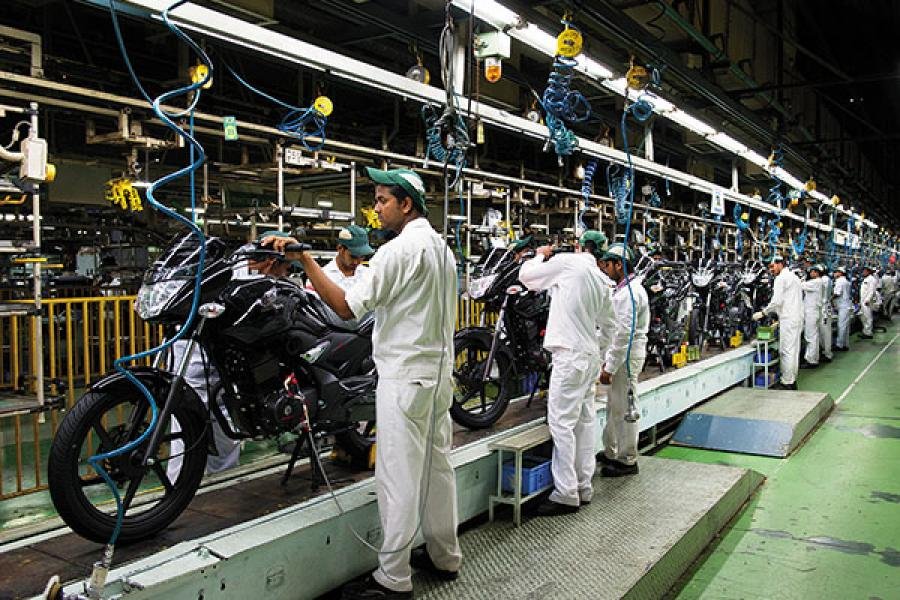
    Honda Motor Company began manufacturing motorcycles and scooters in 1949. Honda’s first motorcycle was the 1949 Dream, a 98cc two-stroke single-cylinder machine. Honda’s first scooter was the 1958 Super Cub, a 50cc four-stroke single-cylinder machine.

    In the early 1960s, Honda bike began to develop and manufacture a range of larger capacity motorcycles and scooters, such as the Dream50 (50cc two-stroke single-cylinder), the CB72 (250cc four-stroke parallel-twin) and the Super Cub C110 (50cc four-stroke single-cylinder). By the late 1960s, Honda had become one of the world’s largest motorcycle manufacturers and had established itself as a leader in the development of motorcycle and scooter technology.

    In the 1970s, Honda continued to expand its range of motorcycles and scooters, with the introduction of the Honda CB750 (750cc four-stroke four-cylinder), the GL1000 (1000cc four-stroke four-cylinder) and the CX500 (500cc four-stroke V-twin). Honda also introduced a range of scooters, including the popular PC50 and the PGM-FI (fuel-injected 50cc four-stroke single-cylinder).

    In the 1980s, Honda continued to develop and manufacture a range of large-displacement motorcycles and scooters, such as the CBR900RR (900cc four-stroke four-cylinder) and the Elite 150 (150cc four-stroke single-cylinder). Honda also continued to expand its range of scooters, with the introduction of the Reflex (250cc four-stroke single-cylinder) and the Helix (250cc four-stroke twin-cylinder).

    In the 1990s, Honda continued to develop and manufacture a range of motorcycles and scooters, such as the CBR600F (600cc four-stroke four-cylinder) and the Shadow (750cc four-stroke V-twin). Honda also began to produce a range of electric scooters, such as the EV Plus (800cc electric) and the Metropolitan (50cc electric).

    Today, Honda continues to produce a range of motorcycles and scooters, both gasoline and electric powered. Honda has also become a leader in the development of motorcycle and scooter technology, with the introduction of cutting-edge electronic fuel injection systems, advanced engine management systems and sophisticated electronic suspension systems.

  • Hero Xtreme 160R Price – Xtreme 160R Mileage, Review & Images

    Hero Xtreme 160R Price – Xtreme 160R Mileage, Review & Images

    Hero Xtreme 160R is the latest offering from Hero MotoCorp and is one of the most fuel-efficient motorcycles in its segment. The  Hero Xtreme 160R offers class-leading mileage figures that are sure to make it a favorite among commuters.

    The Hero Xtreme 160R milega is powered by a 162.7cc air-cooled single-cylinder engine that produces 15.2 PS of power and 14 Nm of torque. This engine is mated to a five-speed gearbox and is capable of returning a fuel efficiency of around 60 km/l. This fuel efficiency figure is one of the highest in its segment and is sure to attract riders who are looking for a fuel-efficient motorcycle.

    The hero xtreme 160r mileage is also equipped with a variety of features that make it an attractive proposition for commuters. It comes with a full-digital instrument cluster that includes a speedometer, tachometer, odometer, trip meter and a fuel gauge. It also gets an all-LED lighting setup that adds to the style quotient and offers superior illumination.

    In addition to its impressive fuel efficiency, the Hero Xtreme 160R also offers great ride quality. Read More about Ktm bikes .

  • Hero Bikes in India Overview: Price and Features

    Hero Bikes in India Overview: Price and Features

    Hero bikes are some of the most popular two-wheelers in India. Hero Motocorp, the world’s largest two-wheeler manufacturer, offers a wide range of bikes in India ranging from scooters and mopeds to commuter and sports bikes. Hero bikes are known for their reliability, durability, and affordability. Here is an overview of some of the most popular Hero bikes in India, along with their price and features.

    Hero Splendor Plus: The Hero Splendor Plus is one of the most popular commuter bikes in India. It is powered by a 97.2cc single-cylinder air-cooled engine, producing 7.91 bhp at 8000 rpm and 8.05Nm at 5000 rpm. It comes with a 4-speed gearbox and has a top speed of 87 kmph. It has a claimed fuel efficiency of 84 kmpl. The Hero Splendor Plus is priced at Rs 70,933 – 72,125 (ex-showroom).

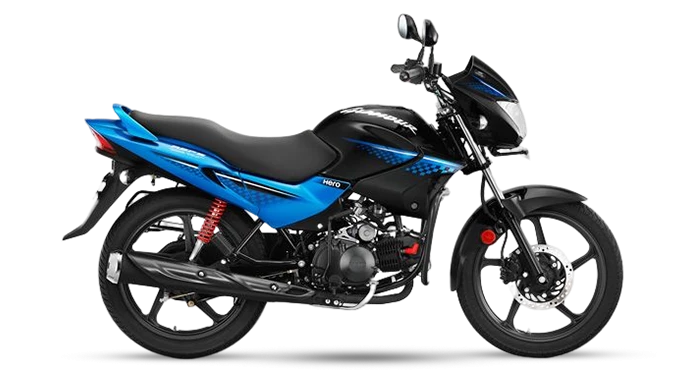
    Hero Glamour: The Hero Glamour is a 125cc commuter bike that is powered by a 124.7cc single-cylinder air-cooled engine, producing 10.69 bhp at 7500 rpm and 10.6 Nm at 6000 rpm. It comes with a 5-speed gearbox and has a top speed of 90.86 kmph. It has a claimed fuel efficiency of 65 kmpl. The Hero Glamour is priced at Rs 77,950 – 84,991 (ex-showroom).

    Hero Xtreme 160R: The Hero Xtreme 160R is a premium commuter bike that is powered by a 1163cc single-cylinder air-cooled engine, producing 15 bhp at 8500 rpm and 14Nm at 6500 rpm. It comes with a 5-speed gearbox and has a top speed of 107 kmph. It has a claimed fuel efficiency of 55 kmpl. The Hero Xtreme 160R is priced at Rs 1.2 – 1.24 Lakh (ex-showroom).

    Hero XF3R: The Hero XF3R is an off-road bike that is powered by a 300cc single-cylinder air-cooled engine, producing 28 bhp at 8000 rpm and 35 Nm at 6500 rpm. It comes with a 6-speed gearbox and has a top speed of 120kmph. It has a claimed fuel efficiency of 35 kmpl. The Hero XF3R is priced at Rs 1.6 Lakh (ex-showroom).

    Also Read:

    F95Zone: Need To Know F95 Zone About Adult Gaming Community 2021

    How Google Celebrated Pacman 30th Anniversary?

    How to disassemble a porter cable belt sander?

  • Upcoming Scooters In India: A Preview Of What’s To Come In 2023

    Upcoming Scooters In India: A Preview Of What’s To Come In 2023

    Scooters have been a popular mode of transportation in India for decades. They are practical, convenient, and fuel-efficient. With the ongoing technological advancements, scooters are only getting better, faster, and more stylish. This year, there are a number of exciting new scooters set to launch in India that are sure to turn heads and disrupt the market. In this blog, we will take a look at some of the most highly anticipated upcoming scooters in India in 2023.
    1. Honda Activa 7G
    2. Honda is known for its reliable and efficient scooters, and the upcoming Activa 7G is no exception. This scooter will be powered by a new, advanced engine that promises to deliver better fuel efficiency and more power. It will also feature a new design and a more spacious seat for added comfort.
    3. TVS iQube
    4. The TVS iQube is a stylish and futuristic scooter that will be packed with advanced features. It will have a fully-digital instrument cluster, a silent start-stop system, and a fast charging system for the battery. The iQube is also expected to have a long range, making it ideal for daily commutes and long-distance rides.
    5. Yamaha Aerox 155
    6. The Yamaha Aerox 155 is a sporty scooter that promises to deliver a thrilling riding experience. It will be powered by a powerful 155cc engine and will feature aggressive styling that sets it apart from other scooters. With its sporty handling and quick acceleration, the Yamaha Aerox 155 will be a popular choice among young riders.
    7. Suzuki Burgman Street 125
    8. The Suzuki Burgman Street 125 is a premium scooter that will offer a high level of comfort and convenience. It will have a spacious seat, ample storage space, and a smooth, quiet engine. With its elegant styling and top-notch features, the Suzuki Burgman Street 125 is sure to appeal to riders who are looking for a scooter that can do it all.
    Conclusion:
    These are just a few of the many exciting upcoming scooters in India that are set to launch in 2023. Whether you’re looking for a practical daily commuter, a sporty ride, or a stylish and premium scooter, there’s something for everyone in this lineup. Keep an eye out for these scooters and see which one suits your needs the best.
  • Upcoming Bikes in India – Top 10 Most Anticipated Models

    Upcoming Bikes in India – Top 10 Most Anticipated Models

    Introduction:

    Biking enthusiasts are always on the lookout for the latest and greatest two-wheelers that are about to hit the market. India is a massive market for motorcycles and scooters, with new models being launched every year. In this blog, we will take a look at the top 10 upcoming bikes in India in the coming months.

    • KTM 390 Adventure
      The KTM 390 Adventure is a highly anticipated bike that is set to be launched in India soon. The bike is expected to be a smaller version of the KTM 790 Adventure, with a 373cc engine that produces 44 horsepower.
    • Honda CBR650R
      The Honda CBR650R is a sports bike that is expected to be launched in India soon. The bike features a 649cc engine that produces 84 horsepower and is expected to be priced around the INR 7.5 lakh mark.
    • TVS Zeppelin
      The TVS Zeppelin is a cruiser bike that is expected to be launched in India soon. The bike features a 220cc engine that produces 20 horsepower and is expected to be priced around the INR 1.5 lakh mark.
    • Bajaj Avenger 400
      The Bajaj Avenger 400 is a cruiser bike that is expected to be launched in India soon. The bike features a 373cc engine that produces 40 horsepower and is expected to be priced around the INR 2.5 lakh mark.
    • Royal Enfield Meteor 350
      The Royal Enfield Meteor 350 is a cruiser bike that is expected to be launched in India soon. The bike features a 349cc engine that produces 20 horsepower and is expected to be priced around the INR 1.8 lakh mark.
    • Yamaha R15 V4
      The Yamaha R15 V4 is a sports bike that is expected to be launched in India soon. The bike features a 155cc engine that produces 18 horsepower and is expected to be priced around the INR 1.5 lakh mark.
    • Suzuki Gixxer 250
      The Suzuki Gixxer 250 is a sports bike that is expected to be launched in India soon. The bike features a 249cc engine that produces 26 horsepower and is expected to be priced around the INR 1.7 lakh mark.
    • Hero XPulse 200T
      The Hero XPulse 200T is a tourer bike that is expected to be launched in India soon. The bike features a 199cc engine that produces 18 horsepower and is expected to be priced around the INR 1.3 lakh mark.
    • Benelli Imperiale 400
      The Benelli Imperiale 400 is a cruiser bike that is expected to be launched in India soon. The bike features a 373cc engine that produces 21 horsepower and is expected to be priced around the INR 2 lakh mark.
    • Mahindra Mojo 300
      The Mahindra Mojo 300 is a tourer bike that is expected to be launched in India soon. The bike features a 292cc engine that produces 27 horsepower and is expected to be priced around the INR 1.7 lakh mark.
    Conclusion:
    The Indian motorcycle market is set to see the launch of many new and exciting bikes in the near future. From sports bikes to cruisers and tourers, there is something for everyone. The above-mentioned bikes are the most anticipated and are expected to be popular with biking enthusiasts in India. Whether you’re looking for performance, style or comfort, these bikes have got you covered.

    Also Read:

    How Google Celebrated Pacman 30th Anniversary?

    How to disassemble a porter cable belt sander?