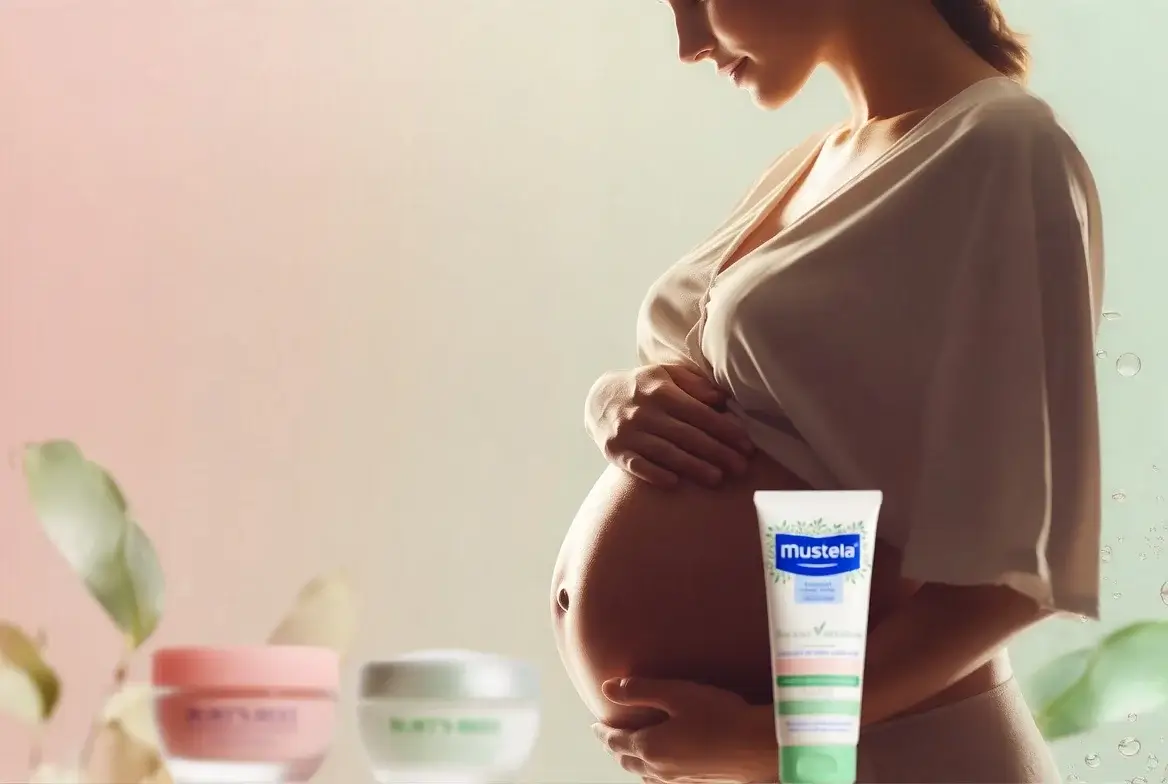
Pregnancy changes almost everything in a woman’s body, including the skin. One week your skin may glow like sunshine, and the next week it may feel dry, itchy, oily, or unusually sensitive. That is why so many women suddenly begin checking every lotion bottle sitting on their bathroom shelf. A very common question expecting mothers ask is: “I’m a pregnant woman. Are Nivea products safe compared to Burt’s Bees or Mustela?” The answer is not completely black or white because skincare safety during pregnancy depends more on ingredients than on brand names alone.
Recent medical skincare guidance suggests that most over-the-counter moisturizers are generally safe during pregnancy, especially when they do not contain retinoids, hydroquinone, or high-strength salicylic acid. Still, every brand has products with different formulas. Some products are gentle and nourishing, while others may contain ingredients pregnant women prefer to avoid. That is why understanding what goes into your skincare products matters more than simply trusting a popular label.
Another reason this topic matters is because pregnancy makes skin more reactive. Products you used comfortably before pregnancy may suddenly trigger irritation, redness, or breakouts. Imagine your skin becoming like a highly sensitive alarm system during pregnancy. Even mild fragrance or harsh active ingredients can feel stronger than usual. This is why many pregnant women compare brands like Nivea, Burt’s Bees, and Mustela carefully before making a decision.
The good news is that there are many pregnancy-safe skincare options available today. Whether you prefer classic moisturizers, natural skincare, or maternity-focused formulas, you can still maintain healthy skin without unnecessary worry. The key is learning how to identify safe products while avoiding ingredients that raise concerns during pregnancy.
Why Pregnant Women Worry About Skincare Ingredients
Pregnancy often transforms everyday decisions into major safety questions. Suddenly, things that once seemed harmless—coffee, skincare, hair dye, and even perfume—start feeling complicated. Skincare becomes especially important because many products are applied daily and absorbed into the skin. While most topical skincare products have minimal absorption, doctors still recommend caution with certain ingredients because pregnancy is such a sensitive period for fetal development.
One of the biggest concerns involves retinoids, including retinol and prescription acne treatments. Dermatologists strongly advise avoiding these during pregnancy because oral retinoids are known to cause birth defects. Hydroquinone is another ingredient often avoided because studies show it has a higher absorption rate compared to many other skincare ingredients. High-dose salicylic acid and some chemical sunscreen filters also raise caution for certain pregnant women.
This concern does not mean skincare is dangerous. In fact, most moisturizers, body creams, and gentle cleansers are considered safe. The problem is that many consumers assume every “natural” product is automatically safer or that every mainstream product is unsafe. Neither assumption is fully accurate. Safety depends on the exact formula and ingredient concentration.
Social media and online forums also contribute to confusion. Some women hear dramatic warnings that make them afraid of every lotion bottle in their home. Others hear the opposite and assume nothing matters. The truth usually sits somewhere in the middle. Experts commonly recommend choosing simple, fragrance-light, dermatologist-tested products and checking labels carefully during pregnancy.
How Hormonal Changes Affect the Skin
Pregnancy hormones can turn skin into a rollercoaster ride. Increased estrogen and progesterone levels affect oil production, blood circulation, and skin sensitivity. Some women experience the famous “pregnancy glow,” while others deal with acne, dryness, dark patches, or stretch marks. These changes explain why skincare routines often need adjustments during pregnancy.
Dry skin is one of the most common complaints among pregnant women. The body demands more hydration during pregnancy, and the skin barrier may become weaker. This often leads women to use richer moisturizers like Nivea Creme, belly butters from Burt’s Bees, or stretch mark creams from Mustela. Hydrating ingredients such as glycerin, shea butter, cocoa butter, ceramides, and hyaluronic acid are usually considered safe and helpful during pregnancy.
Some women also develop acne due to hormonal fluctuations. This can become frustrating because many traditional acne treatments contain ingredients that are not recommended during pregnancy. That is why expecting mothers often switch toward gentler skincare routines focused on hydration and barrier repair rather than aggressive treatments.
Stretch marks are another major concern. While no cream can guarantee prevention, moisturizing the skin may help reduce discomfort and improve skin elasticity. Many pregnant women choose Mustela products specifically for this reason because the brand markets itself heavily toward maternity skincare. At the same time, plenty of women prefer simpler and more affordable moisturizers from Nivea or Burt’s Bees instead.
Understanding Pregnancy-Safe Ingredients
Knowing which ingredients are generally considered safe can make skincare shopping far less stressful. Pregnancy-safe skincare usually focuses on hydration, barrier support, and gentle nourishment. Ingredients like hyaluronic acid, niacinamide, ceramides, aloe vera, cocoa butter, and shea butter are widely accepted as safe for most pregnant women.
Mineral sunscreens containing zinc oxide or titanium dioxide are also commonly recommended because they sit on the skin rather than being heavily absorbed. Many dermatologists suggest fragrance-free or lightly fragranced formulas because pregnancy can increase skin sensitivity. This is one reason Mustela and Burt’s Bees often appeal to expecting mothers who want gentler skincare routines.
Here is a simple breakdown of ingredients:
| Generally Safe Ingredients | Ingredients Often Avoided |
|---|---|
| Hyaluronic Acid | Retinol |
| Shea Butter | Retinoids |
| Cocoa Butter | Hydroquinone |
| Ceramides | High-dose Salicylic Acid |
| Aloe Vera | Formaldehyde-releasing preservatives |
| Niacinamide | Some chemical sunscreens |
The safest approach is surprisingly simple: avoid highly active anti-aging products and stick to basic moisturizers unless your doctor recommends otherwise. Think of your pregnancy skincare routine like comfort food. Your skin often responds better to simple, nourishing products than to harsh treatments during this stage of life.
Are Nivea Products Safe During Pregnancy?
Many Nivea products are generally considered safe during pregnancy, especially basic moisturizers without retinoids or harsh active ingredients. Popular products like Nivea Creme and Nivea Soft Moisturizing Cream are often used by pregnant women because they mainly focus on hydration rather than aggressive skincare treatments.
One major advantage of Nivea is affordability and accessibility. You can find Nivea products almost anywhere, making them convenient for daily skincare routines. Their thicker creams work particularly well for dry pregnancy skin, especially during colder months. Many women also enjoy the rich texture because pregnancy can leave the skin feeling tight and dehydrated.
However, not every Nivea product is ideal during pregnancy. Some anti-aging formulas may contain retinol derivatives or stronger active ingredients that dermatologists recommend avoiding. This is why reading ingredient labels matters. A simple moisturizer from Nivea may be completely fine, while an anti-wrinkle serum from the same brand may not be the best choice during pregnancy.
There is also the fragrance factor. Some Nivea products contain fragrance, which may irritate highly sensitive pregnancy skin. While fragrance is not automatically dangerous, some pregnant women become more reactive to scented skincare products. Women with eczema, rosacea, or heightened sensitivity may prefer fragrance-free alternatives during pregnancy.
Burt’s Bees and Pregnancy Safety
Burt’s Bees has built a reputation around natural-inspired skincare, which attracts many pregnant women searching for gentler options. Products like Burt’s Bees Mama Belly Butter are especially popular among expecting mothers because they focus on moisturizing dry, stretching skin. Community discussions online frequently recommend Burt’s Bees products for pregnancy belly care.
One positive aspect of Burt’s Bees is the use of ingredients like beeswax, cocoa butter, and plant-based oils. Many women appreciate the simpler ingredient philosophy compared to heavily chemical-focused skincare lines. The brand often feels softer and more comforting, almost like wrapping your skin in a warm blanket during pregnancy.
Still, “natural” does not automatically mean “pregnancy safe.” Some natural products contain essential oils or botanical extracts that sensitive pregnant women may prefer to avoid. Experts warn against assuming every natural product is harmless simply because it comes from plants. Certain essential oils can cause irritation or sensitivity, especially during pregnancy.
Burt’s Bees products are often best suited for women who want lightweight, naturally inspired skincare without complex active ingredients. Their body care and belly care products are usually the most pregnancy-friendly choices within the brand. As always, ingredient checks remain important because formulations can vary from one product to another.
Mustela Products for Pregnant Women
Mustela is one of the most recognized brands specifically associated with pregnancy and baby skincare. The company markets many products toward pregnant women, especially stretch mark creams and nourishing body lotions. This maternity-focused image makes many expecting mothers feel more comfortable using the brand during pregnancy.
Mustela products are often praised for sensitive skin formulations. Some products avoid ingredients linked to endocrine concerns, which appeals to cautious consumers. Their stretch mark creams are especially popular because they are designed specifically for changing pregnancy skin. Even though no product can completely prevent stretch marks, hydration and skin comfort are important benefits many women appreciate.
Another advantage of Mustela is its focus on dermatological testing. Many products are designed for babies and mothers, which gives consumers extra confidence. Women with highly reactive or delicate skin often lean toward Mustela because the brand emphasizes gentleness and skin barrier support.
The downside is usually price. Mustela products can cost significantly more than basic Nivea moisturizers. Some women may also prefer simpler formulas with fewer botanical ingredients. Choosing between these brands often depends on budget, skin sensitivity, and personal comfort with ingredients.
Nivea vs Burt’s Bees vs Mustela
Ingredient Comparison Table
| Brand | Best Known For | Pregnancy-Friendly Features | Possible Drawbacks |
|---|---|---|---|
| Nivea | Affordable moisturizers | Rich hydration, easy availability | Some products contain fragrance or retinol |
| Burt’s Bees | Natural-inspired skincare | Plant-based ingredients, belly butter | Essential oils may irritate sensitive skin |
| Mustela | Pregnancy & baby care | Sensitive-skin formulas, stretch mark care | Higher price point |
Choosing between these brands is like choosing between three different styles of comfort. Nivea feels familiar and practical, Burt’s Bees feels natural and cozy, while Mustela feels specialized and maternity-focused. None of them are automatically “perfect” or “dangerous.” The safest choice depends on the exact product and your skin’s individual needs.
For dry skin, many women enjoy the heavier moisture of Nivea creams. For natural-inspired body care, Burt’s Bees often stands out. For sensitive pregnancy skin and stretch mark products, Mustela usually wins popularity contests among expecting mothers.
Expert Tips for Choosing Safe Pregnancy Skincare
Reading labels carefully becomes one of the smartest habits during pregnancy. Instead of focusing only on brand names, focus on ingredients. Look for moisturizers that prioritize hydration and barrier repair while avoiding unnecessary active ingredients.
Dermatologists generally recommend avoiding:
- Retinoids
- Retinol
- Hydroquinone
- High-dose salicylic acid
- Strong chemical peels
Safe skincare during pregnancy often looks surprisingly simple. Gentle cleanser, moisturizer, sunscreen, and hydration are usually enough for most women. Your skincare routine does not need to resemble a chemistry experiment during pregnancy.
If you are unsure about a product, ask your obstetrician or dermatologist. That is especially important if you have conditions like severe acne, eczema, or melasma. A professional can review ingredient lists and help you avoid unnecessary stress.
Quick Bio
This article was created to help pregnant women understand the safety differences between popular skincare brands like Nivea, Burt’s Bees, and Mustela. The content combines expert-backed skincare guidance, ingredient research, and current pregnancy skincare recommendations to provide safe, practical, and easy-to-understand advice for expecting mothers.
Conclusion
Pregnancy skincare can feel confusing, especially when every online article seems to say something different. The truth is that many products from Nivea, Burt’s Bees, and Mustela are generally safe during pregnancy when they do not contain ingredients like retinoids or hydroquinone. Safety depends far more on the specific formula than on the brand itself.
Nivea offers affordable and deeply moisturizing products, but ingredient labels still matter. Burt’s Bees attracts women who prefer natural-inspired skincare, though natural ingredients are not automatically risk-free. Mustela stands out for maternity-focused skincare and sensitive skin support, especially for stretch mark care.
The best pregnancy skincare routine is usually gentle, hydrating, and uncomplicated. Your skin is already working overtime during pregnancy, so treating it kindly often works better than using aggressive treatments. When in doubt, keep your routine simple and consult your healthcare provider for personalized guidance.
FAQs
1. Can pregnant women safely use Nivea Creme?
Yes, many pregnant women use Nivea Creme safely because it mainly functions as a basic moisturizer. Always check the ingredient label to ensure the product does not contain retinoids or other restricted ingredients.
2. Is Burt’s Bees safer than Nivea during pregnancy?
Not necessarily. Burt’s Bees uses more natural-inspired ingredients, but safety depends on the individual formula rather than the brand name itself.
3. Why do pregnant women use Mustela products?
Mustela products are popular because they are designed for sensitive skin, pregnancy care, and stretch mark support.
4. What skincare ingredients should pregnant women avoid?
Pregnant women commonly avoid retinoids, retinol, hydroquinone, and high-dose salicylic acid according to dermatologist guidance.
5. Can skincare products harm a baby during pregnancy?
Most over-the-counter moisturizers are considered safe, but some active ingredients may raise concerns. It is always wise to check labels and consult a healthcare professional if unsure.