Category: Technology

Get to know about the current tech, new update, form of innovation, and how tech is revolutionizing in the market and the industry as a whole. Get the latest news about technology from all around the world. The passionate tech-savvy have so much to share and talk about. We are completely a tech-driven place. Get to know the stories about top companies like Google and Apple and also learn about the small start-ups. How technology is changing and circling around everywhere in some form or the other. 

The new graduates specializing in the field of technology are also welcomed to join our tribe and grow their expertise. It is a platform where all like-minded people can gather up together and start to share their experiences. Study, research, and evolve. Technishorts is a new world of technology. Check out the latest news headlines and select the blog as per your own choice.

  • Top Seven Reasons Why You Need a Code Enforcement

    Top Seven Reasons Why You Need a Code Enforcement

    Code enforcement is vital for maintaining safety and quality of life in communities. Strict enforcement of building codes, safety regulations, zoning ordinances, and property maintenance standards helps create a living environment where residents can feel secure and satisfied. From ensuring structural integrity to upholding neighborhood aesthetics, active code enforcement aims to achieve compliance through education, collaboration, consistent enforcement, and streamlined procedures. This article explores the numerous ways proper code enforcement contributes to the greater good of communities by highlighting several key benefits:

    Maintaining Safety And Quality Of Life

    Code enforcement is vital for ensuring the safety and quality of life of residents in a community. Building codes and ordinances establish minimum requirements for the structural integrity, fire resistance, plumbing, electrical, and mechanical systems of buildings. They help reduce the risk of fires and structural collapse while improving the comfort and functionality of spaces. Strict code enforcement helps create an environment where residents can live safely and happily without worry.

    Promoting Community Standards

    Code enforcement also helps uphold certain community standards regarding property maintenance, signage, noise, and more. Code inspectors monitor properties to check for any violations related to uncut grass, overflowing trash, illegal parking, and improper storage of vehicles. They also respond to complaints of excessive noise coming from homes or businesses. By enforcing codes and ordinances on these issues, inspectors preserve the overall aesthetic appeal of a neighborhood and prevent disturbances. This helps promote community satisfaction and prevents property values from declining.

    Increasing Compliance

    Code enforcement encourages property owners and residents to comply with building safety codes, zoning ordinances, and other regulations. The possibility of facing legal penalties or fines motivates people to address any violations proactively and make necessary code repairs or changes. Consistent code enforcement leads to higher compliance rates as people get into the habit of maintaining their properties appropriately based on community standards. Code enforcement software brings code departments into the digital age and makes the best use of resources.

    Cross-Departmental Collaboration

    Code enforcement often involves collaborative efforts between multiple local government departments. Planning and zoning, building, fire, police, and public works departments all have roles to play. Planning and zoning establish the regulations, building departments issue permits and inspect construction, fire departments ensure safety standards, and police help when voluntary compliance is not achieved. Public works may need to make repairs or clean up properties, the costs of which can then be charged to non-compliant owners. Inter-departmental cooperation leads to more effective code enforcement overall.

    Reduced Legal Challenges

    Strict yet fair code enforcement helps minimize legal challenges by property owners. When codes are enforced consistently and objectively throughout a community, there is little basis for claims of selective or discriminatory enforcement. Code departments that follow the proper notice and due process procedures give property owners ample opportunity to remedy violations before further action is taken. Courts are more likely to uphold citations and penalties issued by a code department with thorough records showing a pattern of fair warnings and re-inspections. Legal challenges require time and resources, so reducing them benefits the code department and the community.

    Working Together With Field Professionals

    Code officials work together with other field professionals like contractors, architects, and property managers. Contractors provide valuable industry experience to help shape practical building codes and standards. Architects design plans and submit them for permit approval, necessitating close coordination with building departments. Property managers maintain apartments, commercial buildings, and homeowner associations, and rely on code enforcement to help resolve issues with properties under their responsibility.

    Educating The Public

    An important part of code enforcement is educating property owners, residents, businesses, and contractors about codes and regulations. Some violations result from a lack of understanding rather than willful noncompliance. Code departments can provide education through their website, public meetings, training events, and informational material. Educating the public helps achieve the goal of gaining voluntary compliance with codes. When residents understand the safety, economic, and aesthetic benefits of codes, they become allies in enforcement rather than adversaries.

    To Wrap Up

    Code enforcement provides essential services to communities by ensuring buildings meet minimum safety standards, preserving the quality of life, encouraging code compliance, streamlining enforcement processes, enabling cross-departmental collaboration, reducing legal challenges, working with industry professionals, and educating the public. Code departments with officers who apply regulations objectively and educate with patience achieve the best outcomes. Their efforts lead to a community where all structures and properties are up to code, and people feel secure and satisfied in their surroundings.


  • How to Unlock iPhone Passcode Without a Computer

    How to Unlock iPhone Passcode Without a Computer

    Forgetting the passcode to your iPhone can be a frustrating experience. While the most reliable methods for unlocking an iPhone passcode often involve the use of a computer, there are a few options you can explore when a computer is not readily available. In this blog post, we will discuss some potential avenues to unlock your iPhone passcode without a computer.

    Unlocking an iPhone passcode without proper authorization is generally not recommended, as it may breach privacy and security. It is advisable to use official methods or seek assistance from the device manufacturer to ensure the process is legitimate and secure.

    Ways to Unlock iPhone Passcode Without a Computer-

    We are discussing here 3 methods to to Unlock iPhone Passcode Without a Computer-

    1. Use iCloud’s Find My iPhone:

    If you have previously enabled the “Find My iPhone” feature and have access to another Apple device or a web browser, you can remotely erase your iPhone and remove the passcode. Follow these steps:

    a. Using another device, open a web browser and visit icloud.com.
    b. Sign in with your Apple ID and password.
    c. Click on “Find iPhone” and select your iPhone from the list of devices.
    d. Click on “Erase iPhone” to initiate the remote wipe.

    Please note that using this method will erase all data on your iPhone, returning it to its factory settings.

    2. Siri Method (Limited Success):

    This method is only applicable to older iOS versions and may not work on newer versions. Here’s what you can try:

    a. Activate Siri on your iPhone by pressing and holding the Home button or using the “Hey Siri” voice command, if enabled.
    b. Ask Siri to “Open the clock.”
    c. From the clock interface, add a new clock and type anything into the “Choose a City” field.
    d. Double-tap the text and select “Share.”
    e. Choose the Message app and create a new message.
    f. In the “To” field, type any random text and select it.
    g. Tap “Create New Contact” and add a photo to the contact.

    This method might give you access to the photo library and other applications on the device. However, it is not guaranteed to work on all iPhones or iOS versions.

    3. Contact Apple Support:

    If the above methods do not work or you do not have access to a computer, it is best to reach out to Apple Support for further assistance. They can guide you through the appropriate steps based on your specific situation. You may need to provide proof of ownership and other verification details to unlock your iPhone.

    Preventive Measures:

    To avoid future passcode lockouts, consider implementing the following preventive measures:

    Regularly Back Up Your iPhone:

    Backing up your iPhone regularly ensures that your data is safe even if you encounter passcode issues. Use iCloud or iTunes to create backups of your device, allowing you to restore your data if necessary.

    Enable Touch ID or Face ID:

    Taking advantage of biometric authentication features like Touch ID or Face ID provides a convenient and secure way to unlock your iPhone without relying solely on a passcode.

    Set Up a Secure and Memorable Passcode:

    Choose a strong passcode that combines numbers, letters, and special characters. Avoid using obvious combinations like birthdays or repeating patterns. Create a passcode that you can easily remember but is difficult for others to guess.

    Conclusion:

    While unlocking an iPhone passcode without a computer can be challenging, options such as using iCloud’s Find My iPhone feature or attempting the Siri method on older iOS versions may offer a solution. However, it’s important to remember that these methods might not work in all cases and could result in data loss or limited functionality. It is always advisable to seek official support from Apple or authorized service providers to ensure the security and integrity of your device.

    Suggested Reads:

    Photeeq: The Ultimate Time-Saving Photo Editing Plugin

    Locksmith DC Servleader

  • Optimizing Call Center Operations: Efficiency and Cost Savings with Predictive Dialers

    Optimizing Call Center Operations: Efficiency and Cost Savings with Predictive Dialers

    Call centers are trying out every technological advancement in automating the manual process involved in their service. Would you imagine an agent manually dialing thousands of calls in a day? This is why call centers are implementing advanced softwares like auto-dialing that can automate monotonous calls. But, what if the automation is enhanced to the level it can analyze the situation and take effective decisions on call handling? This is what a predictive dialer service is capable of. Here, we will discuss how to optimize call-center operations with predictive dialers to make them more productive and cost-effective. 

    Understanding Predictive Dialing Technology

    Predictive dialers are the enhanced version of auto-dialers. In addition to automation, it also enhances productivity by minimizing the idle time of the handler. This predictive dialer uses data analytics algorithms to make predictions regarding who to call when to call, and which agent to map the call with. This human-like analysis in a matter of seconds without involving any human interaction is the key feature of predictive dialers. There are also cloud-based predictive dialers that run in the cloud environment maximizing the efficiency of the call centers

    Predictive Dialers in Call Centers

    By selecting the best predictive dialers for your call centers, you can analyze the agent’s availability and schedule calls accordingly. It schedules the call right before their availability making it efficient for them to not waste time unnecessarily. Also, if a receiver is busy with any other calls, or not answering, the predictive scheduler will reschedule their calls at other times. Also, route the agent to connect with the next available receiver without wasting a second on it. By this, you can not waste any time and ensure the efficiency of the whole process. 

    Predictive Dialer in Enhancing Efficiency

    Implementing predictive dialer technology in your call center solution will improve the efficiency of the calls, and the entire communication process. Here are the reasons how it will impact the efficiency of the business. 

    Cloud-Based Predictive Dialer – Predictive dialer services are easily compatible with cloud technologies. These cloud based predictive dialers have a tremendous impact on your call-center process. When your data are hosted in a cloud network, your speed of retrieving and accessing the data will be double. Also, you can store a huge amount of data in a virtual server and that increases your storage capacity. 

    Optimizing Call Volumes – The predictive dialer will closely analyze the call duration, efficiency of the handler, and availability. Based on this, the predictive auto-dialers will adjust the calling pace. The number of calls to be made at a particular time for an agent is decided based on the predictions. This can improve the productivity of the agent and the whole process by not wasting time on non-productive calls.

    Automatic Call Routing – Call routing is the process of mapping the customers with the available agents. Auto-dialers are responsible for this process. Predictive dialers go a step beyond and map the calls to agents who are capable to handle the specific customer. These predictive dialers analyze the customer background and interest and map them with the agent with the right skill set for handling the customers’ queries. 

    Predictive Dialer in Cost Savings

    A predictive dialer doesn’t really have to be cheap or budget-friendly to be cost-effective. If the dialer is cost-worthy and efficient enough in its process, you actually saved a significant amount from spending no wasting time on unproductive calls. Here are some of the reason that makes a predictive dialer a cost-effective one.

    Reduced Dialing Errors – When crossing around 50 calls in a day, human will lose their focus and might end up making mistakes in dialing. But, when you use an auto-dial enabled with the predictive analysis, your software will automatically dial the right person without making any human errors. Your agents might handle the conversation part while the predictive dialers do the dialing process. When errors are reduced, you are saved from spending money on many wrong calls.

    Flexible to Scalability – When your call center is about to scale up or scale down its business size, your predictive softwares might adapt to the unexpected scalability. Optimizing call volumes based on the requirements, you can easily distribute the calls to the agents based on predictive analysis. You can save your time from resuming the process till this scaling operations are done. This self-adaptability without any major revamps will minimize your spending. 

    Skips Unproductive Calls – By actively skipping the calls that are not available to answer, you can minimize the wait time of the agents. On the other hand, predictive dialers will also help customers in reducing wait time by routing their calls to available and suitable agents. By this, you can minimize idle time and ensure only productive calls are scheduled. This helps you from spending on unproductive calls and makes your system a highly efficient one. 

    Frequently Asked Questions

    1. How do predictive dialers help in improving agents’ productivity?

    By using predictive dialers, agents’ idle time is considerably reduced. This predictive dialer will not waste time on unproductive calls, analyze the previous calls, and schedule calls with the active ones. This will help agents to match with suitable receivers and improve their productivity. 

    2. How does predictive dialer help in cost savings?

    When a lot of unexpected waits, bounce calls, and delayed responses are eliminated, all you are spending on is only the valuable calls. This saves you from recording many unproductive calls in a schedule. This is directly proportional to the worthy money you invest in it. 

    Final Thoughts

    Knowing that predictive dialers can act like an intelligent system, take predictive decisions, and then schedule calls for the agents, call centers would rely on such systems to increase their efficiency and cost savings. By actively eliminating unexpected delays in call connections and unanswerable calls, you can improve the efficiency of your call centers. 

  • Elevate Your Gameplay: Unveiling the Best Gaming Laptops in the Market

    Elevate Your Gameplay: Unveiling the Best Gaming Laptops in the Market

    Introducing you’re an ultimate guide to discovering the pinnacle of gaming technology. In the rapidly evolving world of gaming, having the right laptop is essential for unlocking the full potential of your gaming experience. With our carefully curated selection of the finest gaming laptops available, prepare to embark on a journey where extraordinary performance, breath-taking visuals, and innovative features converge to transport you to the heart of your favourite virtual worlds.

    These gaming laptops represent the epitome of gaming excellence, meticulously designed to cater to the needs of both casual gamers and seasoned enthusiasts. Imagine immersing yourself in lifelike graphics, lightning-fast response times, and seamless gameplay that leaves you spellbound. Our comprehensive list showcases the most powerful gaming laptops, each meticulously engineered with cutting-edge components to deliver unrivalled performance and a true sense of gaming supremacy.

    The Best Gaming Laptops in the Market

    Whether you’re a casual gamer or a hardcore enthusiast, these below-listed laptops will immerse you in a world of unparalleled gaming excitement. Get ready to elevate your gameplay with these top-tier gaming laptops:

    1.         Alienware Area-51m R2:

    This gaming behemoth offers an unparalleled gaming experience. Powered by an Intel Core i9 processor and equipped with an NVIDIA GeForce RTX 3080 graphics card, the Area-51m R2 ensures smooth gameplay and stunning visuals. Its 17.3-inch FHD display with a high refresh rate provides an immersive gaming environment. With customizable RAM and storage options, you can tailor it to meet your specific gaming needs. The advanced cooling system keeps temperatures in check during intense gaming sessions, allowing for sustained performance.

    2.         Razer Blade Pro 17

    Combining power and sophistication, the Razer Blade Pro 17 features an Intel Core i7 processor and an NVIDIA GeForce RTX 3070 graphics card. The 17.3-inch 4K display delivers breath-taking visuals, and the customizable RGB keyboard adds a touch of personal flair to your gaming setup. With ample storage space and a durable build, the Blade Pro 17 is designed to handle even the most demanding games with ease.

    3.         Asus ROG Zephyrus G14

    The Asus ROG Zephyrus G14 packs impressive gaming performance in a compact design. It is equipped with an AMD Ryzen 9 processor, an NVIDIA GeForce RTX 3060 graphics card, and a 14-inch QHD display with a 120Hz refresh rate. The G14 strikes a perfect balance between power and portability, making it an excellent choice for gamers on the go. With an extended battery life and efficient cooling system, it ensures uninterrupted gaming sessions.

    4.         MSI GS66 Stealth

    The MSI GS66 Stealth is a sleek gaming laptop that doesn’t compromise on performance. It features an Intel Core i7 processor, an NVIDIA GeForce RTX 3080 graphics card, and a 15.6-inch Full HD display with a high refresh rate. Its thin and lightweight design makes it highly portable, while its advanced cooling system keeps the hardware running optimally even during intensive gaming sessions. The GS66 Stealth offers ample storage space and customizable RGB lighting.

    5.         HP Omen 15

    The HP Omen 15 is a budget-friendly gaming laptop that doesn’t skimp on power. It is equipped with an AMD Ryzen 7 processor, an NVIDIA GeForce GTX 1660 Ti graphics card, and a 15.6-inch Full HD display. The Omen 15 delivers solid gaming performance and features a customizable RGB keyboard to match your gaming style. With its affordable price range, it offers great value for gamers seeking a capable gaming laptop without breaking the bank.

    6.         Dell G5 15 SE

    The Dell G5 15 SE is a mid-range gaming laptop that delivers a solid gaming experience. It features an AMD Ryzen 5 processor, an AMD Radeon RX 5600M graphics card, and a 15.6-inch Full HD display. With its sturdy build quality and reliable performance, the G5 15 SE offers excellent value for gamers on a budget.

    7.         Acer Predator Helios 300

    The Acer Predator Helios 300 is a popular choice among gamers looking for a balance between performance and affordability. It is powered by an Intel Core i7 processor, an NVIDIA GeForce RTX 3060 graphics card, and a 15.6-inch Full HD display with a high refresh rate. The Helios 300 offers a sleek design, powerful gaming performance, and a backlit keyboard for an immersive gaming experience.

    8.         Lenovo Legion 7i

    The Lenovo Legion 7i is a high-performance gaming laptop featuring an Intel Core i7 processor and an NVIDIA GeForce RTX 3080 graphics card. With a 15.6-inch Full HD display, it delivers crisp visuals and smooth gameplay. The Legion 7i boasts a sleek design and a premium build quality. It offers advanced features such as customizable RGB lighting, a high-refresh-rate display, and a robust cooling system. The combination of power, aesthetics, and innovative features makes it an excellent choice for gamers seeking top-tier performance.

    9.         Gigabyte Aorus 15G

    The Gigabyte Aorus 15G is a gaming laptop designed for competitive gamers. It comes equipped with an Intel Core i7 processor, an NVIDIA GeForce RTX 3060 graphics card, and a 15.6-inch Full HD display with a high refresh rate. The Aorus 15G features mechanical keyboard switches for precise inputs and a robust cooling system to keep temperatures low during intense gaming sessions. With its powerful hardware, impressive display, and thoughtful gaming-centric features, it caters to gamers who demand uncompromising performance.

    10.       ASUS TUF Gaming A15

    The ASUS TUF Gaming A15 is a budget-friendly gaming laptop that doesn’t compromise on performance. It is equipped with an AMD Ryzen 7 processor, an NVIDIA GeForce GTX 1660 Ti graphics card, and a 15.6-inch Full HD display with a fast refresh rate. The A15 features a durable design, impressive cooling capabilities, and a long-lasting battery, making it an ideal choice for gamers on a budget who still want to enjoy smooth gaming experiences.

    Conclusion

    In conclusion, these ten best gaming laptops represent the pinnacle of gaming technology, offering exceptional performance, stunning visuals, and innovative features. From powerhouses like the Alienware Area-51m R2 and Razer Blade Pro 17 to more budget-friendly options like the HP Omen 15 and ASUS TUF Gaming A15, there is a laptop to suit every gamer’s preferences and budget. Whether you’re a professional gamer or a casual enthusiast, these laptops will elevate your gaming experience, allowing you to immerse yourself in the virtual world with unparalleled joy and excitement. Choose your gaming laptop as weapon and get ready to embark on countless thrilling gaming adventures.

    Also Read:

    Choice home warranty George Foreman

    Locksmith DC Servleader

    Photeeq: The Ultimate Time-Saving Photo Editing Plugin

  • Efficiency Meets Accuracy: Maximizing Results with Intelligent Document Processing Software

    Efficiency Meets Accuracy: Maximizing Results with Intelligent Document Processing Software

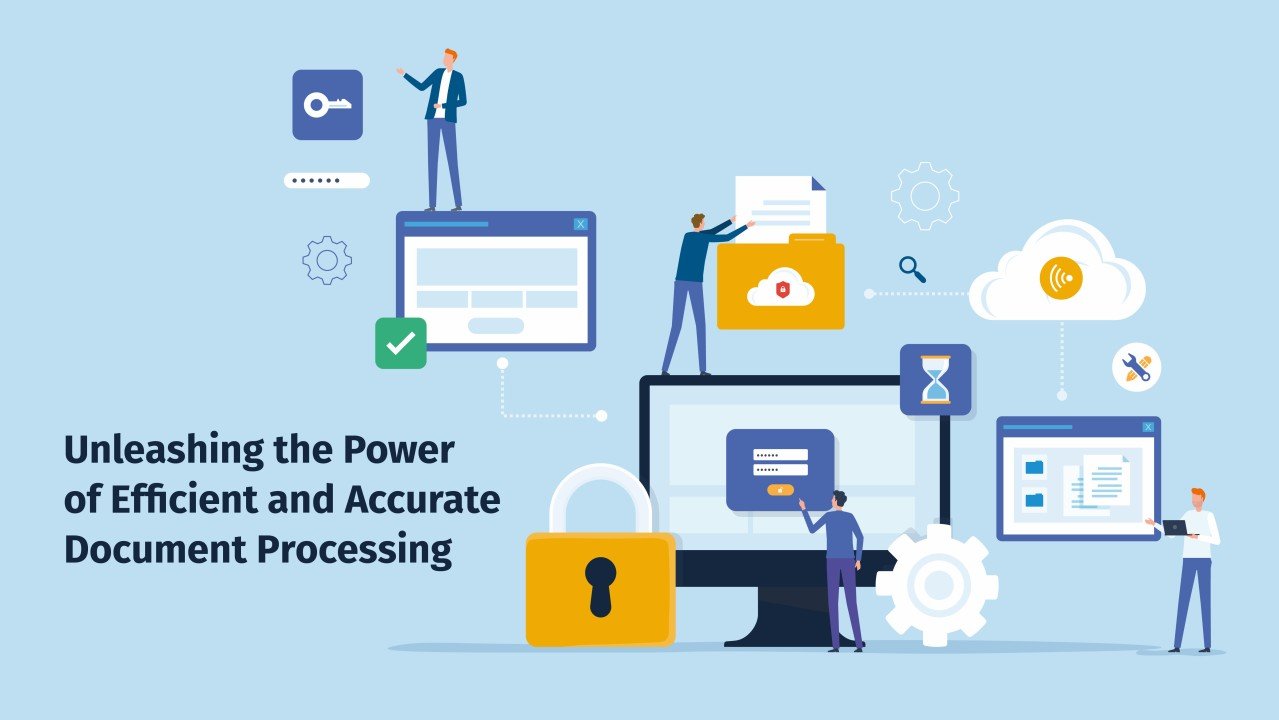
    In today’s digital age, businesses are generating an enormous amount of data, much of which is stored in various document formats. Extracting relevant information from these documents quickly and accurately is crucial for organizations to make informed decisions and streamline their operations. This is whereintelligent document processing software comes into play.  

    Intelligent Document Processing (IDP) refers to the use of AI and ML technologies to extract and interpret data from various types of documents, such as invoices, contracts, receipts, and forms. It automates the traditionally manual and time-consuming task of data entry, enabling organizations to process large volumes of documents efficiently. Let us discuss the benefits and capabilities of the best intelligent document processing software and discuss how it can maximize results for businesses.

    Key Components of IDP

    1. Optical Character Recognition (OCR)

    OCR technology converts scanned images or printed text into machine-readable text, enabling computers to understand and extract data from documents accurately. It forms the foundation of IDP software.

    2. Natural Language Processing (NLP)

    NLP enables the software to understand and interpret the meaning of text within documents. It helps in identifying key information, such as names, addresses, dates, and amounts, by analyzing the context and structure of the text.

    3. Machine Learning (ML)

    ML algorithms train the IDP software to improve its performance over time. By feeding the software with labeled data, it learns to recognize patterns and make accurate predictions, continually enhancing its ability to extract and process information.

    Benefits of IDP Software 

    1. Increased Efficiency

    Intelligent document processing software eliminates the need for manual data entry, saving significant time and effort for employees. It can process hundreds or even thousands of documents in a fraction of the time it would take a human operator.  

    2. Enhanced Accuracy

    Human errors in data entry can lead to costly mistakes and inaccurate reporting. Intelligent document processing softwarereduces the risk of errors by automating the extraction process. Its machine-learning capabilities enable it to continually improve accuracy by learning from previous data extraction patterns.

    3.  Scalability and Flexibility

    The best intelligent document processing software can handle large volumes of documents and is easily scalable to accommodate the growing needs of an organization. It can process documents from various sources and formats, providing flexibility in handling diverse document types.

    4. Cost Savings

    By automating document processing, organizations can significantly reduce operational costs associated with manual data entry and processing. The time saved translates into increased productivity and cost savings.

    Use Cases and Applications of IDP Software 

    1. Accounts Payable and Invoicing

    IDP software can streamline the accounts payable process by automatically extracting key information from invoices, such as vendor details, invoice numbers, and line-item data. This eliminates manual entry and speeds up invoice processing, resulting in faster payment cycles and improved supplier relationships.

    2. Contract Management

    Intelligent document processing software can extract critical information from contracts, such as parties involved, terms and conditions, and key dates. This enables organizations to better manage their contracts, track obligations, and mitigate risks.

    3. Compliance and Regulatory Reporting

    IDP software can assist in compliance by automating the extraction of required data from regulatory documents. It ensures accuracy and consistency in reporting, reducing the risk of compliance violations and associated penalties.

    4. Customer Onboarding

    IDP software can automate the extraction of customer information from various documents, such as identification cards, passports, and utility bills. This expedites the customer onboarding process, improves data accuracy, and enhances the overall customer experience.

    Best Practices for Implementing IDP Software 

    1. Understand Document Types and Variations

    It is crucial to identify the types of documents that need to be processed and their variations. This understanding helps in configuring the IDP software to accurately extract relevant data.

    2. Quality Data for Training

    To achieve high accuracy, the IDP software needs to be trained with high-quality data. Providing labeled data during the training phase helps the software learn and improve its performance.

    3. Continuous Monitoring and Improvement

    Regularly monitoring the performance of the IDP software ensures that it continues to deliver accurate results. Feedback loops and periodic retraining of the machine learning models enable ongoing improvement.

    4. Integration with Existing Systems

    Integrating IDP software with existing systems, such as enterprise resource planning (ERP) or customer relationship management (CRM) systems, allows for seamless data transfer and enhances overall workflow efficiency.

    How to Choose the Best IDP Software?

    With numerous options available in the market, selecting the best software solution requires careful consideration of various factors. Here are some key considerations to guide you in choosing the best intelligent document-processing software for your organization.

    1. Understand Your Document Processing Needs 

    Consider the types of documents you handle, the volume of documents processed, and the specific data extraction requirements. Identifying these factors will help you choose an IDP software that can effectively handle your organization’s unique document processing challenges.

    2. Accuracy and Performance 

    Look for software that offers high OCR accuracy, efficient data extraction capabilities, and minimal errors. Accuracy is particularly crucial when dealing with sensitive or legally binding documents.

    3. Automation Capabilities 

    Look for features like automatic document classification, template-based extraction, and the ability to handle various document formats. The more automated the software, the more time and effort it will save in document processing tasks.

    4. Integration with Existing Systems 

    Seamless integration with your document management systems, enterprise resource planning (ERP) software, customer relationship management (CRM) tools, or other relevant applications can enhance overall workflow efficiency. Ensure that the IDP software can easily integrate with your existing IT ecosystem without disrupting your operations.

    5. Scalability and Flexibility 

    Consider the software’s ability to handle increasing volumes of documents and its flexibility to adapt to new document types or formats. A scalable and flexible solution will enable your organization to accommodate future growth and changing requirements without the need for extensive software changes or upgrades.

    Conclusion

    Intelligent Document Processing software offers a powerful solution for organizations seeking to optimize their document management processes. Real-world applications of IDP span across various domains, from finance to compliance, revolutionizing traditional workflows. As businesses embrace digital transformation, choosing the right IDP solution such as XtractEdge becomes crucial for maximizing results and staying ahead in a rapidly evolving business landscape.

  • Troubleshooting Electrical Issues in Retail Stores: How Electricians Keep Businesses Running Smoothly

    Troubleshooting Electrical Issues in Retail Stores: How Electricians Keep Businesses Running Smoothly

    In the bustling world of retail, electrical systems play a crucial role in keeping businesses operational and customers satisfied. From lighting and security systems to point-of-sale equipment, a well-functioning electrical infrastructure is essential for seamless operations. However, electrical issues can arise unexpectedly, leading to disruptions and potential safety hazards. In such situations, retail electricians in Brisbane come to the rescue, armed with their expertise in troubleshooting and resolving electrical problems. This detailed blog post explores the invaluable role of retail electricians in maintaining the smooth functioning of retail stores while ensuring customer satisfaction and employee safety.

    The Role of Retail Electricians 

    Retail electricians in Brisbane serve as the backbone of electrical maintenance and troubleshooting in retail stores. Their primary responsibility is to identify, diagnose, and repair electrical issues that may arise within the store premises. This encompasses a wide range of tasks, including ensuring proper wiring connections, maintaining electrical equipment, and resolving any faults in lighting, heating, ventilation, and air conditioning systems. 

    Moreover, retail electricians also play a vital role in keeping the electrical infrastructure up to code and complying with safety regulations. They are well-versed in local electrical codes and standards, ensuring that all electrical systems within the retail store are in compliance. This helps to minimise the risk of accidents, electrical fires, and equipment failures that could lead to costly disruptions and potential harm to employees and customers.

    1.Troubleshooting Common Electrical Issues

    Retail electricians possess the technical knowledge and experience to troubleshoot a wide range of electrical problems commonly encountered in retail stores. Some of the most frequent issues they tackle include:

    a. Power Outages: Power outages can bring a retail store’s operations to a standstill. Retail electricians are skilled at quickly identifying the cause of power outages, whether it’s a tripped circuit breaker, faulty wiring, or an issue with the utility provider. They efficiently restore power and take necessary steps to prevent future outages.

    b. Lighting Problems: Adequate lighting is crucial for creating an inviting shopping environment. Electricians inspect and repair faulty light fixtures, ensure proper illumination levels, and replace damaged bulbs. They also recommend energy-efficient lighting solutions, helping retail stores reduce their energy consumption and costs.

    c. Faulty Electrical Equipment: Retail stores rely heavily on various electrical equipment, such as cash registers, scanners, and security systems. When these devices malfunction, retail electricians quickly diagnose and repair the issues to minimise downtime and ensure smooth operations.

    d. Wiring Issues: Faulty wiring can pose serious safety hazards, including electrical shocks and fire risks. Electricians in retail stores carefully inspect and repair damaged or outdated wiring, ensuring that all connections are secure and up to code.

    e. Emergency Situations: In the event of emergencies, such as electrical fires or electric shock incidents, retail electricians are trained to respond swiftly and effectively. They know how to handle such situations, minimising damage and ensuring the safety of employees and customers.

    2. Preventive Maintenance and Safety

    Retail electricians in Brisbane also play a vital role in preventive maintenance to reduce the likelihood of electrical issues. They conduct regular inspections of electrical systems, identify potential hazards, and perform necessary maintenance tasks, such as tightening loose connections, testing circuits, and replacing worn-out components. This proactive approach helps to prevent unexpected electrical failures and extends the lifespan of electrical equipment.

    Furthermore, retail electricians prioritise safety in all their tasks. They ensure that electrical systems are properly grounded, install surge protectors to safeguard sensitive equipment, and implement safety measures, such as emergency lighting and exit signage. By adhering to safety regulations and implementing preventive measures, retail electricians contribute to a secure shopping environment for both employees and customers.

    How To Choose The Best Brisbane Electrician For Your Retail Store

    When it comes to ensuring the smooth operation of your retail store’s electrical systems, choosing the right electrician is crucial. A skilled and reliable electrician can handle any electrical issues that may arise, keep your store compliant with safety regulations, and minimise downtime. In Brisbane, where numerous electricians offer their services, it’s important to know how to select the best one for your specific needs. Here are some things to look out for when hiring a retail electrician Brisbane expert.

    1. Licensing and Credentials 

    The first step in choosing the best electrician for your retail store is to ensure they are properly licensed and have the necessary credentials. Check if they hold a valid electrical licence issued by the relevant authorities in Brisbane. A licensed electrician demonstrates that they have met the required standards of competence and safety.

    Additionally, consider if the electrician has relevant certifications or accreditations from professional organisations. Certifications such as Master Electrician or Electrical Contractors Association (ECA) membership indicate a higher level of expertise and commitment to industry standards.

    2. Experience and Expertise 

    When it comes to electrical systems in retail stores, experience matters. Look for electricians who have a proven track record in commercial electrical work, specifically in retail settings. An experienced electrician will be familiar with the unique requirements and challenges that retail stores face, such as lighting, point-of-sale systems, and security installations.

    Furthermore, inquire about the electrician’s expertise in troubleshooting and resolving common electrical issues in retail stores. Ask for references or testimonials from other retail clients they have worked with. This will give you insight into their ability to handle various electrical problems efficiently and effectively.

    3. Safety Measures and Compliance 

    Ensuring safety should be a top priority for any electrician you hire for your retail store. Inquire about their approach to safety and their knowledge of local safety regulations and codes. A reputable electrician will prioritise safety measures, such as proper grounding, surge protection, and adherence to safety standards in equipment installation.

    Ask about their experience in conducting safety inspections and preventive maintenance. A thorough inspection of your retail store’s electrical systems can help identify potential hazards and prevent future issues.

    4. Prompt Response and Availability 

    Electrical issues can arise unexpectedly, causing disruptions and impacting your store’s operations. Therefore, it’s essential to choose an electrician who offers prompt response times and is readily available when emergencies occur. Inquire about their availability for emergency call-outs and their average response time. A reliable electrician should be able to provide timely assistance to minimise downtime.

    Conclusion 

    Retail electricians in Brisbane are unsung heroes who ensure the smooth functioning of retail stores by troubleshooting electrical issues promptly and efficiently. Their expertise in diagnosing and repairing electrical problems, along with their commitment to safety and preventive maintenance, plays a crucial role in minimising disruptions, protecting the store’s infrastructure, and ensuring the satisfaction of customers and employees alike. By relying on the services of retail electricians, businesses can focus on delivering exceptional experiences to their patrons while leaving their electrical concerns in capable hands.

    Read more…

  • BIM’s Impact on Construction Site Logistics and Material Management

    BIM’s Impact on Construction Site Logistics and Material Management

    As architects and engineers become empowered to prescribe branded materials directly, building materials companies must reassess distribution. It may be wise to seek BIM-compatible manufacturers or invest in understanding software add-ons for optimal distribution strategies.

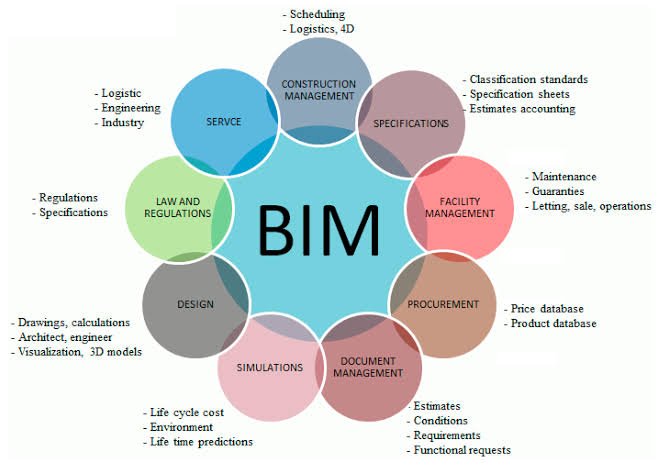
    Building information modeling (BIM) allows for better visibility through computer models, providing clash detection to reduce site rework and communication breakdowns. Studies have shown that clash detection within a BIM model can reduce time spent handling errors on construction sites by as much as 90%.

    1. Detailed Scheduling

    Due to tight project timelines, multiple construction activities must often be conducted simultaneously at a construction site. To keep on schedule and prevent delays due to clashes in building construction. This necessitates meticulous attention paid towards finding and eliminating them as soon as possible.

    Data-rich BIM modeling helps to alleviate such conflicts during planning phases by enabling stakeholders to collaborate more efficiently than before and coordinate at an improved and more accurate level than before. This makes fast-track scheduling feasible, shortening construction timelines.

    BIM can store detailed information on how a construction method should be carried out, for instance how each element of a particular trade should be installed or how material storage space and accessibility should be managed. 

    This allows contractors to quickly create a fully-featured CPM schedule in seconds using this revolutionary 4D visualization, replacing traditional Gantt charts and providing real-time visual simulation of the construction process before even the foundation has been laid.

    2. Just-in-Time Data-Driven Logistics

    BIM projects allow all participants to collaborate on a shared digital model using compatible software, making the coordination between different disciplines and faster, clearer communication easier than ever before.

    Coordinating deliveries to coincide with the building process allows material deliveries to arrive seamlessly, and provides an accurate record of materials used on-site – thus decreasing storage usage and unnecessary movement of material.

    This method can be particularly effective for the delivery of moisture-sensitive goods such as windows and kitchens, which must remain protected. Furthermore, the over-ordering of materials is minimized.

    Implementation and use of BIM systems often more than pay for themselves through cost savings during construction, with especially increased advantages being realized during projects that include planning or value analysis phases (Autodesk, 2017).

    3. Factory-Assembled Modules

    A unified BIM model gives all project participants access to information from a central source, which helps prevent information loss and reduce errors. Furthermore, having central access to comprehensive project data enables everyone to make better decisions more efficiently while decreasing costs.

    Standardized building modules often necessitate large deliveries that need to be received as close to assembly points as possible, thus necessitating strategic logistics management. BIM can capture and share information about these modular parts as well as their relationships, providing invaluable coordination tools in the field.

    Materials companies can hasten their transition to BIM by participating in policy working groups aimed at supporting government and industry decisions, helping shape their marketplace in their favor and avoiding being overtaken by competitors who have already moved into digital space.

    4. Add-Ons

    BIM models can provide invaluable information for facility management. Their highly detailed data makes renovation and maintenance much simpler, while the precise models help prevent human error or rework.

    One of the primary risks in construction is errors, which can be costly. BIM helps mitigate human error by enabling collaboration teams to pre-check for clashes before entering sites. Clashes often result in wasted time and money and they’re even one of the leading causes of construction site fatalities!

    Building materials companies looking to leverage the full value of BIM must quickly adapt their technologies. Doing so early could give them an early adopter edge and open up numerous new opportunities.  

    Light-side manufacturers could increase sales by offering features that highlight thermal or fire resistance, while heavy-side makers might create software tools to aid project managers manage material orders more effectively.

    Ultimately BIM can assist the construction process in everything from designing to material management. Construction teams can greatly benefit from implementing BIM in their processes. 

    Read more…

    How to Play Now.GG Roblox Games on your PC in 2023

    Farzi season 2 release date

    10.0.0.1 pause time

  • Streamlining Collaboration: The Benefits of Document Management Software for Government Teams

    Streamlining Collaboration: The Benefits of Document Management Software for Government Teams

    In the fast-paced world of government operations, effective collaboration is essential for successful outcomes. Government teams often work on complex projects that involve multiple stakeholders, departments, and agencies. With numerous documents, files, and data to manage, it can become overwhelming to keep track of information and ensure seamless collaboration. This is where document management software comes into play. By providing a centralized platform for document storage, organization, and collaboration, document management software streamlines teamwork and enhances productivity in government settings. You can visit here to explore the benefits of document management software for government teams and how it can revolutionize collaboration.

    1. Centralized Document Storage and Access

    One of the key advantages of document management software is the ability to store documents in a centralized repository. Instead of scattered files across various systems and folders, teams can have a unified location where they can securely store and access all relevant documents. This centralized approach ensures that team members can easily find the latest versions of documents, eliminating the need for time-consuming searches and reducing the risk of using outdated information.

    2. Improved Document Organization and Version Control

    Document management software offers advanced organizational features that simplify document management. Teams can create folders, subfolders, and tags to categorize and structure documents according to projects, departments, or specific criteria. This improves efficiency and makes it easier to locate and retrieve documents when needed. Additionally, version control capabilities enable teams to track changes, review document history, and collaborate seamlessly without the risk of conflicting edits or data loss.

    3. Enhanced Collaboration and Communication

    Document management software facilitates seamless collaboration among team members, regardless of their physical locations. It provides features such as real-time document editing, commenting, and notification systems, enabling efficient communication and feedback exchange. Team members can collaborate simultaneously on documents, leave comments, and receive instant notifications when changes are made or new documents are uploaded. This fosters effective teamwork, accelerates decision-making processes, and ensures everyone stays on the same page.

    4. Increased Security and Data Protection

    Government teams handle sensitive and confidential information regularly, making data security a top priority. Document management software offers robust security features to safeguard sensitive documents. It allows administrators to set access controls and permissions, ensuring that only authorized individuals can view, edit, or share specific documents. Encryption, authentication, and audit trails further protect sensitive data and provide a traceable record of document activities, ensuring compliance with data protection regulations.

    5. Efficient Workflow Automation

    Document management software often includes workflow automation capabilities, which can greatly streamline government processes. It enables teams to create automated workflows for document review, approval, and distribution, reducing manual tasks and improving efficiency. Workflow automation ensures that documents follow predefined processes, eliminates bottlenecks, and helps teams meet deadlines more effectively.

    6. Easy Integration with Existing Systems

    Government teams often rely on various software applications and systems for their daily operations. The flexibility of document management software allows seamless integration with existing systems, such as project management tools, email clients, or collaboration platforms. This integration streamlines workflows, reduces duplication of effort, and ensures that document management becomes an integrated part of the overall work environment.

    7. Scalability and Future-Readiness

    Government operations evolve over time, and teams need software solutions that can scale and adapt to their changing needs. Document management software offers scalability, allowing teams to accommodate growing document volumes, additional users, and expanding projects. Furthermore, these software solutions are often regularly updated to incorporate new features, security enhancements, and technological advancements, ensuring that government teams stay future-ready.

    In conclusion, document management software provides government teams with a powerful tool to streamline collaboration, improve productivity, and enhance data security. By centralizing document storage, organizing information, enabling efficient collaboration, and automating workflows, these software solutions optimize teamwork and help government.

    Also Read:

    Locksmith dc servleader

    Pacman 30th anniversary

  • Innovations in Metal Thermocouples: Exploring New Materials and Technologies

    Innovations in Metal Thermocouples: Exploring New Materials and Technologies

    The term “thermocouple” is used to describe a device that measures temperature using two different metals. This device has been around for more than a century and is widely used in industrial, medical, and research applications. Thermocouples are also an important component of a wide range of technological devices, from cars and aircraft to refrigerators and ovens. Over the years, these devices have seen many improvements, with new materials and technologies being developed to make them more accurate, reliable, and efficient. Explore here, the recent innovations in metal thermocouples and how they are being used to improve the accuracy and reliability of temperature measurement.

    The Basics of Metal Thermocouples

    Before we dive into the recent innovations in metal thermocouples, let’s first take a look at how these devices work. A metal thermocouple consists of two different metals that are joined at one end and exposed to the temperature to be measured at the other. When these two metals are exposed to different temperatures, a small electrical current is produced. This current can then be measured and used to calculate the temperature.

    The two most common metals used in thermocouples are copper and nickel. Copper is widely used due to its low electrical resistance and high thermal conductivity. Nickel is chosen for its ability to maintain its properties at high temperatures and its corrosion resistance. However, other materials can also be used depending on the application.

    Recent Innovations in Metal Thermocouples

    The past decade has seen some significant advances in metal thermocouples. These innovations have been driven by the need for improved accuracy and reliability, as well as the emergence of new materials and technologies. Let’s take a look at some of the most important developments.

    New Materials

    One of the most significant changes in metal thermocouples has been the introduction of new materials. While copper and nickel remain the two most commonly used metals, other materials, such as tungsten, molybdenum, and platinum, have seen increased use. These materials can be used to create thermocouples with higher accuracy and reliability.

    Tungsten-Rhenium Thermocouples

    Tungsten-rhenium thermocouples are the most accurate thermocouples currently available. They are made up of two alloys – tungsten-26% rhenium and tungsten-13% rhenium – which are joined at one end and exposed to the temperature to be measured at the other. These thermocouples are able to measure temperatures up to 2,500°C with an accuracy of ±0.1°C.

    Molybdenum-Rhenium Thermocouples

    Molybdenum-rhenium thermocouples are the second-most accurate thermocouples currently available. Like tungsten-rhenium thermocouples, these devices are made up of two alloys – molybdenum-26% rhenium and molybdenum-13% rhenium – which are joined at one end and exposed to the temperature to be measured at the other. They have an accuracy of ±0.2°C and are able to measure temperatures up to 2,000°C.

    Platinum-Rhodium Thermocouples

    Platinum-rhodium thermocouples are the most widely used thermocouples. These devices are made up of two alloys – platinum-10% rhodium and platinum-6% rhodium – which are joined at one end and exposed to the temperature to be measured at the other. They have an accuracy of ±0.3°C and are able to measure temperatures up to 1,600°C.

    New Technologies

    In addition to the development of new materials, there have also been significant advances in the technologies used in thermocouples. These technologies have allowed for improved accuracy, reliability, and efficiency.

    Digital Displays

    One of the most significant developments in thermocouple technology has been the introduction of digital displays. These displays are able to provide real-time temperature readings with an accuracy of up to 0.1°C. This is a significant improvement over the traditional analog displays, which are limited to a resolution of one degree.

    Wireless Connectivity

    In recent years, thermocouples have also seen the introduction of wireless connectivity. This technology allows for the data collected by the thermocouple to be transmitted wirelessly to a computer or other device. This can be used to monitor and control temperature in real-time, as well as to store and analyze data for future use.

    Conclusion

    In this blog post, we have explored some of the recent innovations in metal thermocouples. New materials, such as tungsten-rhenium, molybdenum-rhenium, and platinum-rhodium, have improved the accuracy and reliability of temperature measurement. In addition, new technologies, such as digital displays and wireless connectivity, have allowed for improved efficiency and the ability to monitor and control temperature in real-time. As technology continues to advance, we can expect to see these innovations continue to improve the accuracy and reliability of temperature measurement.

    Also Read:

    Locksmith dc servleader

    Photeeq: The Ultimate Time-Saving Photo Editing Plugin

    How to Play Now.GG Roblox Games on your PC in 2023

  • Hands-On Gaming: The Future of VR with Oculus Quest 2 Hand Tracking

    Hands-On Gaming: The Future of VR with Oculus Quest 2 Hand Tracking

    Virtual reality (VR) has come a long way since its inception, revolutionizing the way we experience gaming and entertainment. The Oculus Quest 2, a popular VR headset, has been making waves in the gaming community, offering a wireless and immersive VR experience. One of the standout features of the Oculus Quest 2 is its hand tracking technology, which allows users to interact with the virtual environment using their hands alone. In this article, we will explore the future of VR gaming with Oculus Quest 2 hand tracking and its impact on the gaming industry.

    1. Breaking Down Barriers

    Traditionally, VR gaming has relied on handheld controllers for user interaction. While these controllers have served their purpose, they can create a sense of detachment between the player and the virtual world. With hand tracking, the Oculus Quest 2 eliminates the need for controllers, allowing players to use their natural hand movements to interact with objects and navigate the virtual environment. This breakthrough technology breaks down barriers and creates a more intuitive and immersive gaming experience.

    2. Intuitive and Natural Interaction

    Oculus Quest 2 hand tracking brings a new level of realism to VR gaming by enabling intuitive and natural interaction. Players can use their hands to grab, pick up, throw, and manipulate objects within the virtual space. This hands-on approach enhances the sense of presence and immersion, making players feel like they are truly a part of the virtual world. Whether it’s shooting a bow and arrow, throwing a virtual ball, or gesturing to cast spells, hand tracking technology allows for a more authentic and engaging gameplay experience.

    3. Enhanced Immersion and Presence

    Hand tracking adds another layer of immersion and presence to VR gaming. By removing the physical barrier of controllers, players can engage more directly with the virtual environment. The ability to see and use their virtual hands in a natural and responsive manner creates a deeper sense of presence and embodiment. This heightened immersion allows players to feel more connected to the virtual world, amplifying the emotional impact and enhancing the overall gaming experience.

    4. Expanding Accessibility

    Hand tracking technology has the potential to expand the accessibility of VR gaming. By removing the need for handheld controllers, the Oculus Quest 2 becomes more user-friendly for individuals who may have difficulty gripping or operating traditional gaming devices. Hand tracking opens up the world of VR gaming to a wider audience, including those with physical limitations or disabilities, creating a more inclusive gaming experience for all.

    5. Unlocking Creative Gameplay Possibilities

    The introduction of hand tracking to VR gaming opens up a realm of creative possibilities for game developers. They can design games that take full advantage of hand gestures and movements, creating unique gameplay mechanics and experiences. From intricate puzzle-solving to intricate spell casting, hand tracking allows for innovative and immersive gameplay mechanics that were previously not possible. Game developers now have the opportunity to push the boundaries of game design and create new types of gaming experiences that engage players on a whole new level.

    6. Future Potential and Development

    The future of VR gaming with hand tracking is incredibly promising. As the technology continues to evolve and improve, we can expect even more sophisticated and accurate hand tracking capabilities. This will enable more precise interactions and finer control within the virtual environment. Additionally, with ongoing development and support from the VR community, we can anticipate a steady stream of hand tracking optimized games that will further showcase the potential of this technology.

    In conclusion, Oculus Quest 2 hand tracking represents the future of VR gaming, offering a more immersive, intuitive, and natural way to interact with virtual worlds. With its ability to break down barriers, enhance immersion, expand accessibility, and unlock creative possibilities, hand tracking technology is poised to shape the future of gaming. As the technology continues to evolve, we can look forward to more exciting and immersive gaming experiences that blur the line between the virtual and real worlds.

    Also read:

    Photeeq: The Ultimate Time-Saving Photo Editing Plugin

    How to Play Now.GG Roblox Games on your PC in 2023

    Farzi season 2 release date

    10.0.0.1 pause time