In today’s fast-paced world, the ability to communicate ideas effectively is more important than ever. Presentation techniques refer to the methods and strategies employed to convey information in a manner that is not only informative but also engaging. Mastering these techniques can significantly enhance the effectiveness of one’s communication, ensuring that audiences not only receive the intended message but also retain it.
The role of presentation techniques emerges as a critical factor in diverse settings, from corporate meetings to academic lectures, and even casual discussions. A well-structured presentation goes beyond mere data delivery; it aims to captivate the audience, allowing for an active exchange of ideas. This is particularly essential in a world where individuals are often bombarded with information. Presenters who harness effective techniques can cut through this noise, engaging their audience effectively and leaving a lasting impression.
Effective presentation techniques include various aspects such as visual aids, storytelling, body language, and voice modulation. Each of these areas contributes to the overall impact of a presentation. For example, visual aids can help illustrate complex ideas, making them more accessible. Storytelling can create emotional connections, while appropriate body language and vocal variety can hold the audience’s attention and convey confidence. By blending these techniques effectively, presenters can foster an atmosphere conducive to learning and discussion.
In essence, understanding and implementing solid presentation techniques is fundamental for success in any form of communication. As we delve deeper into the various strategies and methods within this blog post, the importance of mastering these skills will become increasingly apparent, paving the way for more effective, memorable, and engaging presentations.
Understanding Your Audience
In the realm of effective communication, understanding your audience is paramount. This vital step involves recognizing the diverse spectrum of individuals who will be present during your presentation. Tailoring your message to resonate with the specific needs, interests, and backgrounds of your listeners significantly enhances the impact of your presentation techniques.
To engage your audience effectively, start by conducting thorough research. Identify key demographics such as age, profession, education level, and cultural background. These elements provide insights into what your audience values, their prior knowledge of the topic, and even their anticipated reactions. Additionally, consider using surveys or questionnaires in advance to gather specific information about their expectations. Understanding these factors enables you to select appropriate presentation techniques that connect meaningfully with your listeners.
Moreover, comprehension evolves when speakers adapt their language, tone, and delivery style to fit their audience’s preferences. For instance, when presenting to a group of experts, complex terminology and advanced concepts may be suitable. In contrast, when addressing a lay audience, employing simpler language and relatable analogies becomes vital for clarity. This adaptability illustrates the importance of not merely communicating ideas but crafting an experience that speaks to your audience on their level.
Furthermore, observing audience reactions during your presentation is essential. Non-verbal cues such as body language and facial expressions often provide immediate feedback on whether your message is being received well. Adjusting your approach in real-time ensures your delivery remains engaging and relevant, reinforcing your effectiveness as a presenter.
Ultimately, mastering the art of knowing your audience transforms the standard presentation techniques into more profound interactions, fostering a connection that not only informs but also inspires engagement and collaboration.
Structuring Your Presentation
A well-structured presentation is crucial for effectively communicating ideas and facilitating audience engagement. The organization of your content not only aids in the clarity of your message but also helps in keeping the audience’s attention. To begin, outlining key points is a fundamental step in the preparation process. Identify the main ideas you want to convey and break them down into sub-points. This hierarchical approach allows for a comprehensive view of your content while ensuring that essential information is highlighted.
Once you have established your key points, it is vital to create a logical flow between them. Transitions between sections should be smooth and coherent, which can be achieved by using linking phrases or thematic connections. This ensures that the audience can follow your argument or narrative without confusion. A typical structure might begin with an introduction, followed by the main body consisting of organized points, and concluding with a summary or call to action. Each part should seamlessly lead into the next, encouraging engagement throughout the presentation.
Maintaining clarity is another critical aspect of structuring your presentation. Avoid excessive jargon or complex sentences that may obscure your message. Instead, simple and concise language should be your go-to strategy. Visual aids, such as slides or handouts, can also enhance understanding but should complement rather than clutter the presentation. Remember that the primary goal is to make your message as accessible as possible, encouraging interaction and active listening among your audience. Employing these strategies not only cultivates a better learning environment but also showcases your mastery of presentation techniques.
Engaging Visual Aids
In modern presentations, visual aids such as slides, charts, and videos play a crucial role in enhancing communication and ensuring the audience retains key messages. Effective presentation techniques often involve the strategic use of these visual elements to create a more engaging experience. Start by aligning your visuals with the central message of your presentation to ensure they serve not to distract but to reinforce. This alignment is vital because visuals that resonate with the spoken content keep the audience focused and engaged.
When designing slides, consider employing a clean and simple layout. Limit the amount of text on each slide, opting instead for bullet points or brief phrases. This approach prevents cognitive overload, allowing your audience to absorb the information presented without difficulty. As a rule of thumb, aim for no more than five bullet points per slide and ensure that each point is succinct yet meaningful.
Moreover, incorporate charts and graphs where applicable to visualize data. These tools can present complex information in a digestible format, facilitating understanding. When using charts, label axes clearly and choose colors that are easy to differentiate for clarity. Videos can also be impactful; however, they should be strategically placed and short, effectively illustrating a point or demonstrating a process without causing interruptions during your delivery.
Lastly, remember the importance of authenticity in your visuals. Use images and graphics that resonate with your audience and reflect your message. Avoid using clichéd stock images that detract from your professional credibility. By successfully integrating engaging visual aids into your presentations, you can significantly enhance audience engagement and retention, creating a more impactful overall experience.
Effective Body Language and Delivery
In the realm of presentation techniques, non-verbal communication plays a crucial role in how messages are conveyed and perceived. Effective body language not only enhances a speaker’s credibility but also significantly influences audience engagement. One key element of body language is posture; standing tall with an open stance projects confidence and authority. Avoiding slouching or crossing your arms helps to create a more inviting atmosphere, allowing the audience to feel more connected to the presenter.
Gestures can also add emphasis to the spoken word. Using hand movements in moderation can help illustrate points and maintain the audience’s attention. However, it is essential to ensure gestures are natural rather than forced or excessive, as this can become distracting. For instance, a well-timed hand gesture can reinforce a message or highlight significant data points, making the information more memorable for listeners.
Facial expressions further enhance the delivery of a presentation, serving as visual cues that can support or contradict verbal messages. A genuine smile, for instance, can convey warmth and approachability, while varied expressions during the presentation can help emphasize emotional content. Equally important is vocal variety; incorporating changes in pitch, volume, and pacing can invigorate the narrative, holding the audience’s interest and underscoring crucial elements of the presentation.
By focusing on these non-verbal presentation techniques, presenters can create a robust connection with their audience, making their delivery more impactful and resonant. Being mindful of body language, gestures, facial expressions, and vocal variety fosters a dynamic environment conducive to effective communication and engagement, ultimately leading to a more memorable presentation experience.
Storytelling in Presentations
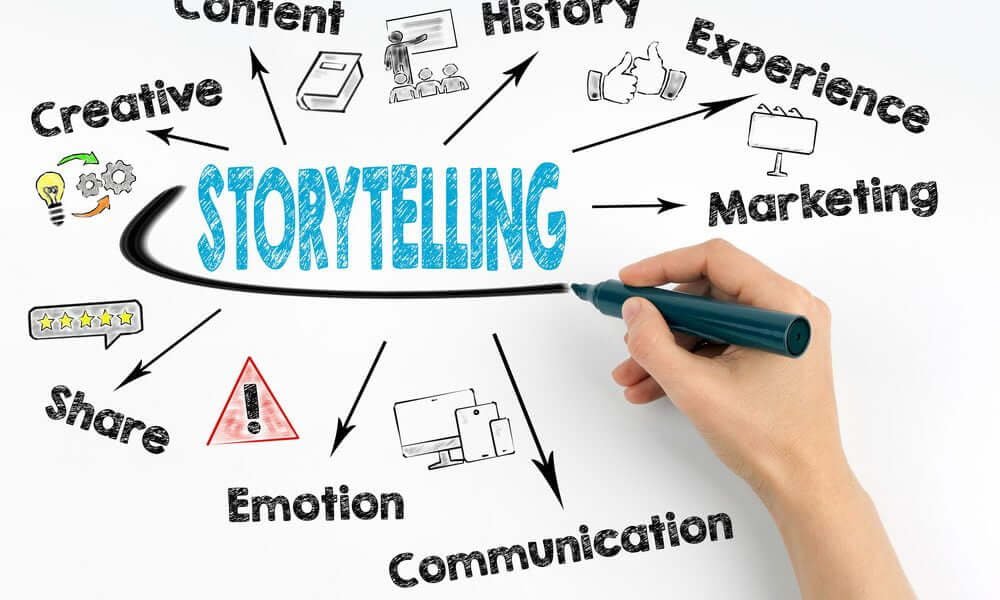
In the realm of effective presentation techniques, storytelling emerges as a pivotal strategy that transcends the mere delivery of information. It is an art that allows presenters to weave anecdotes and narratives into their discourse, fostering a connection with the audience that goes beyond intellectual understanding. When a speaker shares a story, the audience is not just passive recipients of facts; they become engaged, emotionally invested, and more likely to remember the key messages long after the presentation ends.
Incorporating storytelling into presentations involves selecting narratives that resonate with the topic at hand. This could include personal experiences, historical examples, or relatable scenarios that reflect the audience’s own lives. By doing so, presenters create a bridge that links their message to the audience’s feelings, invoking empathy and curiosity. This technique is particularly effective because stories captivate listeners’ imaginations, making complex ideas more digestible and relatable.
Moreover, the power of storytelling lies in its ability to enrich the overall presentation format. For instance, anecdotal narratives serve to illustrate key points, providing tangible context that can further elucidate abstract concepts. Additionally, a well-timed story can invigorate the pace of a presentation, breaking the monotony of data-heavy slides. Thus, integrating storytelling not only enhances the aesthetic appeal of the presentation but also aids in retention, as our brains are wired to remember stories much more effectively than isolated facts or figures.
Ultimately, mastering presentation techniques that strategically incorporate storytelling can significantly elevate the effectiveness of one’s communication. By allowing the audience to connect with the message on a personal level, presenters can inspire action and foster a lasting impact that resonates well beyond the confines of the presentation room.
Handling Questions and Feedback
Effectively managing questions and feedback during a presentation is crucial for fostering engagement and enhancing audience interaction. Utilizing appropriate presentation techniques can aid in maintaining control and showing authority while facilitating dialogue. One effective approach is to allocate specific times for questions. This can be done by prompting questions at the end of each section or dedicating a designated Q&A segment at the conclusion of the presentation. By doing so, presenters can direct the flow of the discussion while allowing the audience to absorb information without disruption.
Another vital strategy is to encourage a respectful atmosphere that values participant input. This can be achieved by acknowledging each question, reinforcing that all contributions are appreciated and that a diverse range of perspectives is beneficial. Implementing inclusive language can be instrumental in this regard, as it conveys an open-minded approach and encourages further discourse. When presenting, maintaining eye contact and using positive body language can communicate confidence and receptiveness to feedback.
Additionally, it is essential to listen actively to audience questions to construct thorough and relevant responses. Repeat or paraphrase questions to ensure understanding and clarify any uncertainties. When faced with challenging or unexpected inquiries, remain composed and maintain a professional demeanor. It is perfectly acceptable to admit when you do not have an answer, and in such cases, offering to follow up after the presentation can reinforce your credibility and commitment to providing accurate information.
Ultimately, by harnessing effective presentation techniques and creating a positive dialogue environment, presenters can transform audience feedback into an enriching experience for all participants, facilitating learning and collaboration within the discussion.
Overcoming Speaking Anxiety
Public speaking frequently stirs anxiety among individuals, with fears ranging from the prospect of forgetting material to the concern of being judged by peers. Such anxiety can stem from a variety of sources, including personal experiences, past presentations, or even innate personality traits. Understanding these fears is the first step towards overcoming them through effective presentation techniques.
Preparation is one of the most effective methods for reducing anxiety. Familiarizing oneself with the content thoroughly is essential. Create a structured outline for the presentation, ensuring every point is clear. Consider practicing in front of a mirror or recording oneself to identify areas requiring improvement. Regular rehearsal not only enhances familiarity with the material but also builds confidence in delivery.
Another powerful technique involves visualization. Before the presentation, visualize a successful outcome. Picture the audience’s positive reactions and imagine delivering the content with clarity and poise. This mental practice can help recondition the mind, shifting focus from fear to confidence. Furthermore, engaging in mindfulness exercises or breathing techniques can cultivate relaxation before stepping onto the stage. Deep breathing, for example, helps to calm the nervous system and clear the mind.
Understanding that nerves are a normal part of the speaking experience can also mitigate anxiety. Accepting that both seasoned and novice presenters feel some level of nervousness establishes a shared experience, allowing the presenter to focus on the message rather than personal fears. In addition, positive self-talk can transform anxiety into excitement; reminding oneself of previous successes can instill a sense of capability.
Ultimately, overcoming speaking anxiety is about developing personalized strategies. Whether through rigorous preparation, visualization techniques, or mindfulness practices, each individual can cultivate the requisite confidence to deliver compelling presentations that engage and inspire their audiences.
Conclusion and Call to Action
Mastering presentation techniques is crucial for anyone looking to effectively communicate their ideas and engage with an audience. Throughout this blog post, we have explored various strategies that can enhance the delivery and impact of your presentations. From understanding your audience to employing visual aids and storytelling, these techniques serve as a foundation for building compelling presentations. By integrating these methods, presenters can foster a more interactive and personable environment, allowing their message to resonate with listeners.
Additionally, we discussed the importance of practice and preparation in refining your presentation skills. Familiarity with your material not only builds confidence but also allows for a flexible approach to audience engagement. Emphasizing clarity in communication and employing different forms of media can significantly enhance comprehension and retention of the presented information. Each technique has a purpose, and when applied thoughtfully, they can transform a routine presentation into an inspiring experience.
As you reflect on the insights provided, consider how you can implement these presentation techniques in your upcoming engagements. Start small; perhaps focus on one or two strategies at a time until you feel comfortable incorporating them into your style. Furthermore, continuous learning is vital. Seek out additional resources, attend workshops, or connect with peers who can provide feedback on your presentations. All these steps will not only refine your abilities but also facilitate greater confidence when addressing any audience.
In conclusion, the journey to mastering presentation techniques is ongoing. By dedicating time and effort to improve your skills, you contribute to creating more effective communication in any setting. Begin today by applying what you have learned, and watch as your presentations become more engaging and impactful.