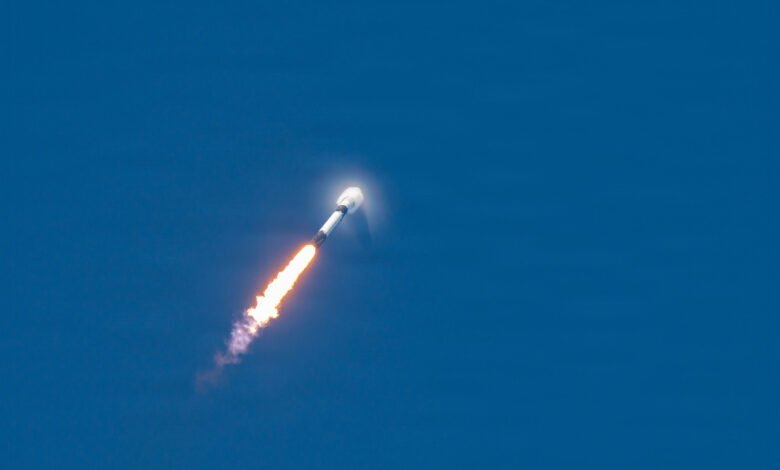
A SpaceX Falcon 9 rocket lifted off from Cape Canaveral this morning carrying Northrop Grumman’s Cygnus XL cargo spacecraft to the International Space Station. Liftoff was at 10:47 a.m. EST (15:47 UTC) on Sunday, November 29, 2026, from Space Launch Complex 40. It is the mission NASA calls Northrop Grumman CRS-25, the 25th Cygnus resupply flight to the station.
The uncrewed spacecraft is carrying about 11,000 pounds (4,990 kg) of science experiments, crew supplies and hardware. It is due to arrive at the station early Tuesday morning, December 1, when astronauts will grab it with the station’s robotic arm.
What launched today
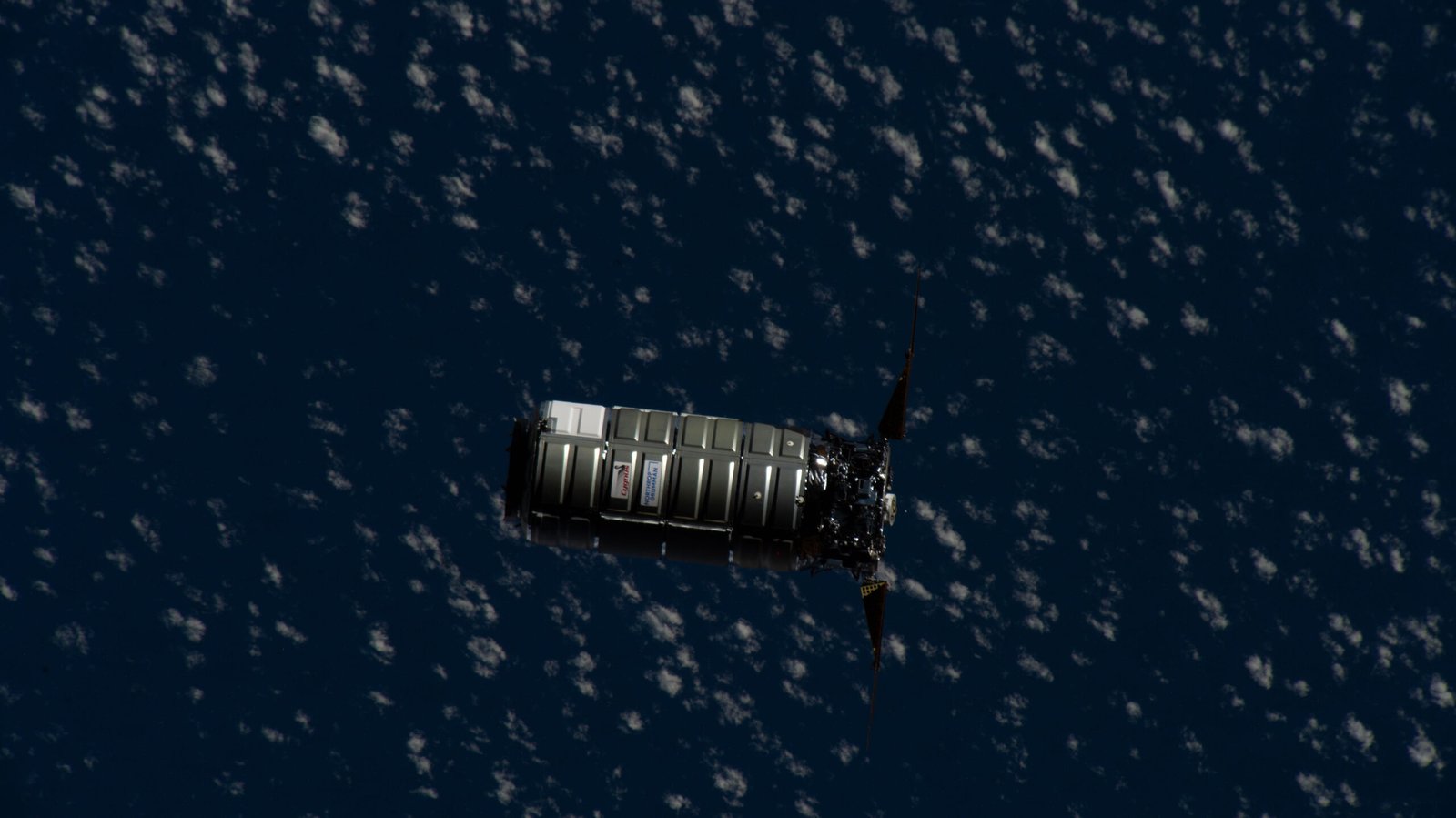
The spacecraft is the stretched Cygnus XL variant, the third flight of the larger version. Northrop Grumman has named it the S.S. James “Jim” A. Lovell, after the late astronaut who flew Gemini 7, Gemini 12, Apollo 8 and Apollo 13. It is the 25th Cygnus mission overall and the 24th to reach the orbiting laboratory.
The Falcon 9 first stage, booster B1096, was flying its ninth mission. About eight minutes after liftoff it came back to land at Landing Zone 40 at Cape Canaveral, a return-to-launch-site landing. The Cygnus XL separated from the Falcon 9’s second stage about 14 and a half minutes after liftoff and will spend roughly two days catching up with the station.
What is inside the Cygnus XL
About 11,000 pounds of cargo is packed into the spacecraft. NASA says the science on board includes experiments to improve drug delivery for cancer and osteoarthritis, work to predict how cancer spreads, research into treatments for muscle loss, better radiation sensing, and ways to grow food for future long-duration missions.
The rest is the usual resupply mix: food, clothing and equipment for the crew living aboard the station, plus spare parts and hardware for the orbiting laboratory.
When it arrives at the space station
Cygnus XL is scheduled to arrive at the station at about 2:35 a.m. EST (07:35 UTC) on Tuesday, December 1. NASA astronauts Jessica Watkins and Luke Delaney, who are living aboard the station, will capture the spacecraft with the Canadarm2 robotic arm. NASA’s live coverage of the arrival begins at 1:10 a.m. EST on Tuesday.
Once it is berthed to the station’s Unity module, the crew will unload it over the coming weeks. The spacecraft is due to stay at the station until May 2027, when it will leave loaded with several thousand pounds of disposal items and burn up harmlessly during re-entry.
Why this launch matters
Cygnus flights are the quiet workhorses of the space station programme. Unlike the flashier crewed launches, they keep the station stocked and running, and this one carries a full load of science that cannot wait for the next flight.
The mission also shows how routine Falcon 9 cargo flights have become. The same booster that flew today has now flown nine times, and the landing back at the Cape is now a standard part of the flight rather than the headline. It follows SpaceX’s Starship Flight 15 earlier this month, when the ship was caught by the tower arms but the booster was lost. SpaceX is also planning a far bigger constellation, with the FCC clearing its Starmind plan for up to a million AI satellites.
Northrop Grumman also noted during the pre-launch briefing that repairs are still under way on the Cygnus NG-22 pressurised cargo module, which was damaged in transit. No new target launch date for that mission has been set.
How to watch the arrival
NASA will stream the spacecraft’s arrival live from 1:10 a.m. EST on Tuesday, December 1. The capture is expected at about 2:35 a.m. EST. You can watch on NASA’s live stream, and the agency will post updates on its space station blog as the spacecraft closes in.
FAQ
Was anyone on board today’s launch?
No. Cygnus is an uncrewed cargo spacecraft. It carries supplies and science, not astronauts.
What does CRS-25 mean?
CRS stands for Commercial Resupply Services, NASA’s programme for hiring private companies to deliver cargo to the space station. NG-25 is the 25th Northrop Grumman Cygnus mission under that contract.
How long will Cygnus stay at the station?
Up to 200 days. It is scheduled to leave in May 2027, carrying trash and unneeded items that will burn up on re-entry.
Sources: NASA’s launch coverage and mission blog; NASASpaceflight’s launch report. Times are as reported on November 29, 2026.